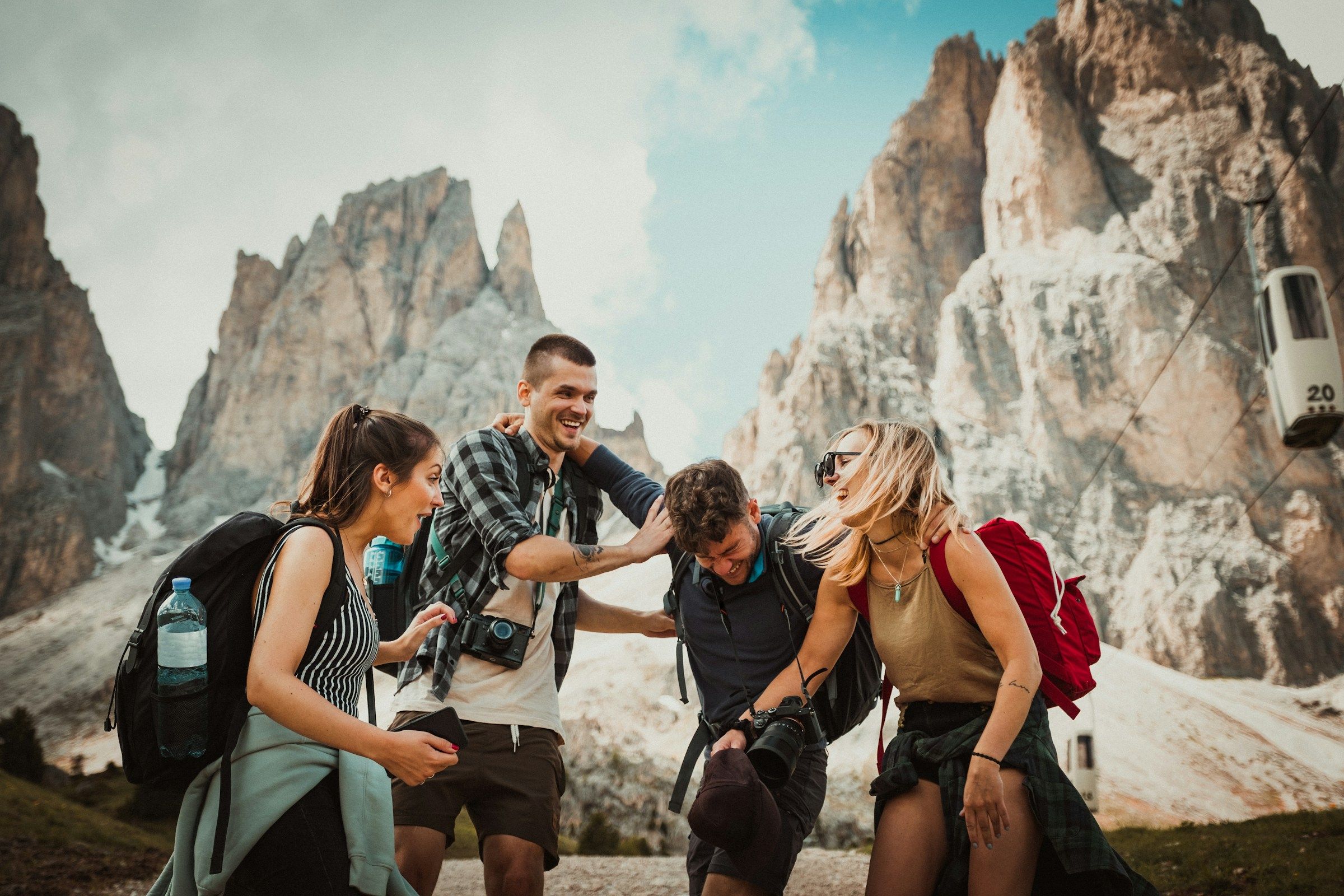
You’ve probably seen the scene, or at least a photo of it. A young traveler sits on a busy pavement with a cardboard sign, a ukulele or a tray of handmade bracelets, asking passersby to help pay for the next leg of a trip. The word “begpacker” blends “begging” and “backpacking,” and it’s usually used as a criticism of people who ask the public for money to fund their travels.[1]
The practice isn’t new, but it keeps coming back into the spotlight. One recent travel feature says begpacking isn’t a brand new phenomenon in 2026, but its visibility exploded roughly a decade ago and never fully went away.[1] The evidence here is mostly journalism, a few academic studies and official enforcement actions. That’s enough to explain the anger around it, though not enough to put a hard number on how many people do it.
What Counts as Begpacking

Academics have tried to pin the term down. A 2018 paper in Tourism Recreation Research describes begpacking as tourists begging, busking or selling trinkets at their destinations to finance their travel.[2] The definition is broad on purpose, because the behavior runs from a plain plea for cash to something that looks more like a small business.
Another research note, by tourism scholar Joshua Bernstein, draws on fieldwork in Bangkok. It defines the practice as begging, busking, or vending small items such as postcards to extend overseas travel.[3] Those lines blur in practice. A traveler selling a few postcards and a traveler holding a “help me fund my dream trip” sign can look alike to someone walking past.
Where the Trend Took Hold
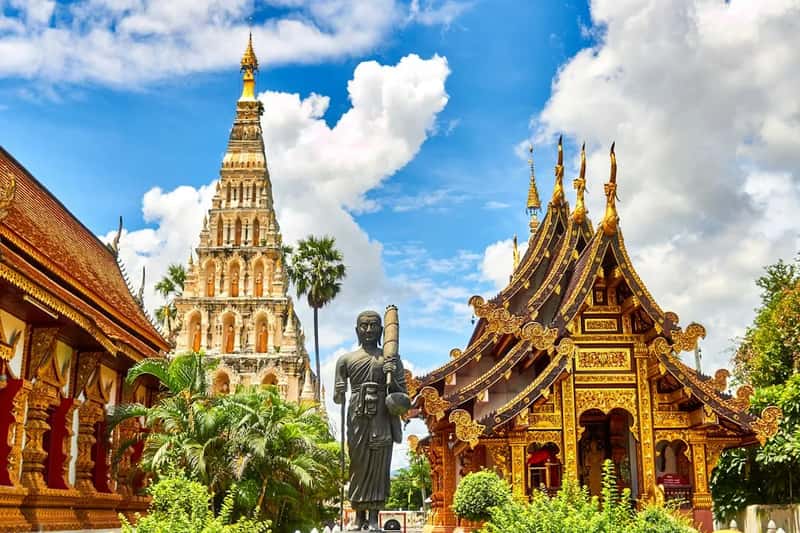
Asia is where the label stuck hardest. Thailand, India and Indonesia are typically named as hotspots for so-called begpackers.[4] Busy, walkable cities with a steady flow of foreign visitors made natural gathering spots.
The phenomenon also reached wealthier cities. Hong Kong comedian Ashley James began noticing begpackers on the streets in spring 2023 and thought it was a sign that leisure tourism had returned to Asia.[4] Reports also describe the trend popping up in Singapore and Malaysia, where it sparked controversy.[1] So the pattern is regional, not limited to one backpacker trail.
The Fairness Problem
The core complaint is about who is asking whom. Begpackers often come from countries richer than the ones they beg in, and critics say locals beg to survive while begpackers do it to fund a holiday.[1] The resentment also runs through tourism economics, since tourism is meant to bring money into local economies, and it’s vital to many families in developing countries.[1]
Context helps explain the anger. OECD figures cited in a 2023 report say Asia is home to two-thirds of the world’s poor.[8] One Southeast Asian commenter pointed out the irony that people from countries with weaker passports must prove savings to get visas for Western countries.[9] That’s one opinion, yet it captures a sentiment you’ll find repeated online.
The best-supported picture is one of a persistent, visible but unmeasured practice. Journalists and researchers have documented it across Asia, and governments in Thailand and Indonesia have backed their objections with laws and, lately, tougher immigration enforcement. There’s still no reliable count of begpackers, and claims that it’s exploding deserve caution.
What’s clear is the ethical core of the dispute. Travel is a choice, and asking strangers in lower-income countries to pay for it lands badly, especially when those strangers earn far less than the traveler’s home country would suggest. If the money runs out, the honest options are still the old ones: go home, find legal work, or wait until the savings catch up with the dream.