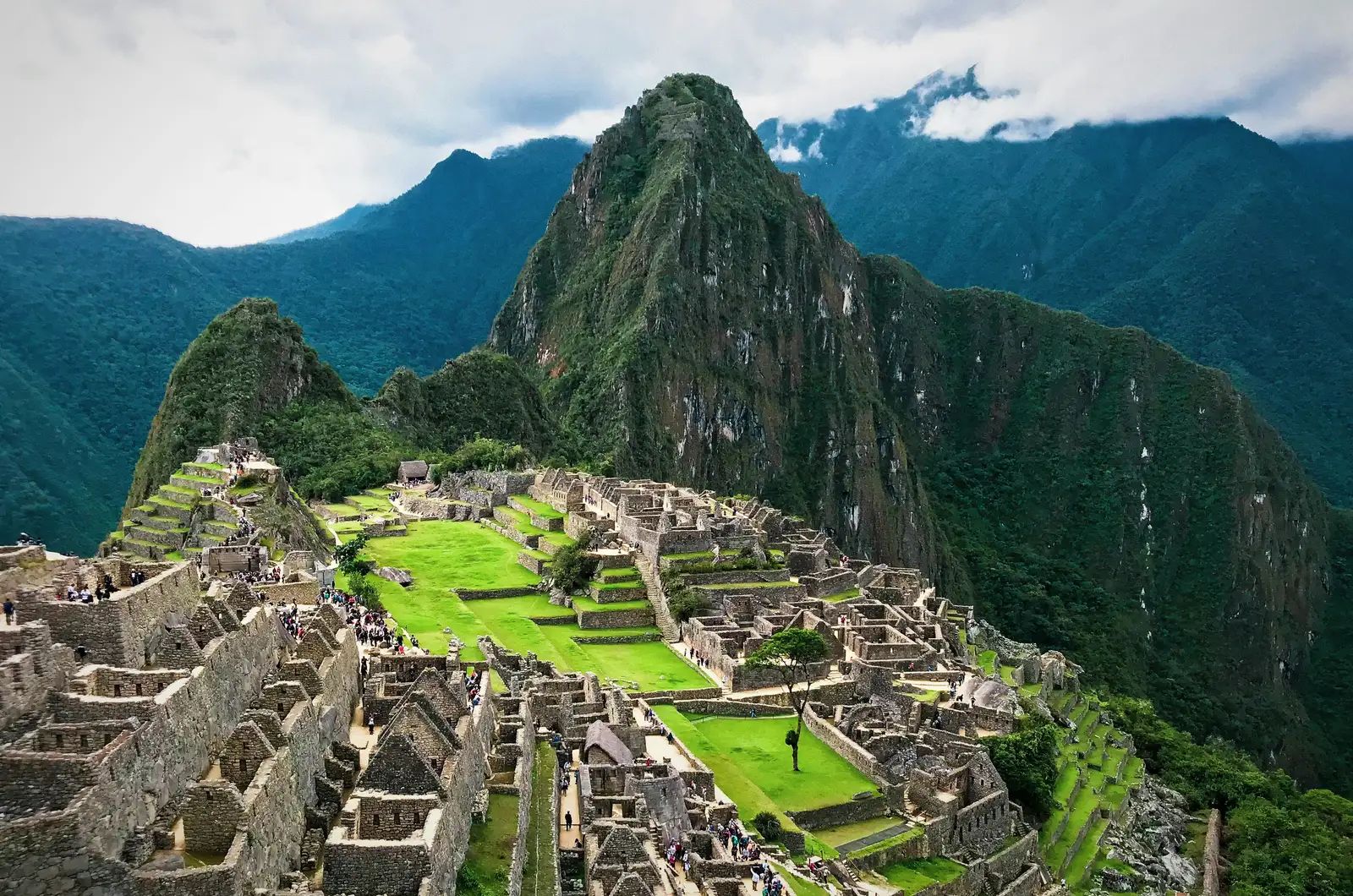
Peru stands out as a destination where the Inca civilization left an enduring mark across the Andes, long before Spanish arrival reshaped the region. Machu Picchu draws the largest crowds, yet the country holds numerous other Inca-era locations that reveal different facets of that empire’s engineering, agriculture, and daily life. Travelers who venture beyond the iconic citadel often discover quieter ruins that feel more intimate and equally revealing. ([1])
The Sacred Valley as a Living Record
The Sacred Valley stretches between Cusco and Machu Picchu and served as a vital agricultural heartland for the Incas. Fertile terraces carved into steep slopes still demonstrate how the civilization maximized limited land while managing water through sophisticated channels. The Urubamba River runs through the valley, supplying settlements that once produced corn, potatoes, and other staples. Many key archaeological complexes cluster here, offering visitors a chance to trace Inca planning from fields to ceremonial spaces. Spending time in the valley provides context that Machu Picchu alone cannot convey.
Cusco and Its Layered Past
Cusco, the former Inca capital, keeps the empire’s presence visible on nearly every street. Spanish colonial structures often rest directly on Inca foundations, creating a striking architectural blend that highlights two distinct eras. Qorikancha, once a major temple, now supports the Convent of Santo Domingo, while the Twelve-Angled Stone in a nearby wall showcases the precision of Inca masonry. The city’s Plaza de Armas and surrounding lanes reward slow exploration, especially for those adjusting to the altitude before heading farther afield.
Overlooked Strongholds Nearby
A short distance from Cusco, Sacsayhuaman rises above the city with massive stone walls that once served both defensive and ceremonial roles. Its blocks fit together so tightly that the complex continues to host the Inti Raymi festival each year. Farther along the valley, Pisac features extensive terraces that cling to a mountainside, illustrating Inca solutions for farming on difficult terrain. Ollantaytambo stands out for preserving its original street grid, water channels, and temple structures within a living town, making it one of the most complete surviving Inca settlements. These sites reward visitors who arrive early or travel midweek, when fewer people share the pathways and views.
Practical Steps for a Deeper Journey
Most travelers reach Cusco by air from Lima in roughly an hour and a half, then use the city as a base for day trips or overnight stays in the valley. Buses and shared vans connect the main points, while trains from Ollantaytambo continue toward Machu Picchu for those who want to combine highlights. Allowing extra days in Cusco and the Sacred Valley lets the altitude settle and gives each location the attention it deserves. The result is a richer understanding of Inca ingenuity that extends well beyond any single famous landmark.