Paris, Rome, Barcelona. We’ve all been there, done that, and posted the photos. The big European cities have had their moment in the sun for decades, attracting millions of tourists each year with their iconic landmarks and bustling streets. Yet something’s shifting in the travel landscape.
More travelers are trading crowded piazzas for cobblestone villages where you can actually hear your own footsteps. These tiny European towns, many with populations under a thousand, are becoming the continent’s best-kept secrets. They offer something the major cities simply can’t: authenticity without the overwhelming crowds, and experiences that feel genuinely yours. Ready to discover where Europe’s true magic hides?
The Charm of Getting Genuinely Lost
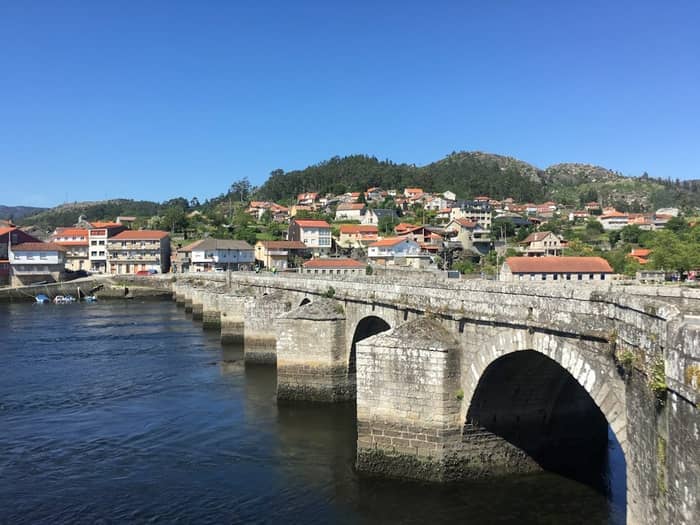
There’s something liberating about wandering through a town so small that getting lost is nearly impossible, yet every corner reveals something unexpected. In these miniature European gems, you won’t find tour groups blocking your view or street performers competing for your attention. Instead, you’ll stumble upon a local baker who’s been making the same recipe for forty years, or a tiny bookshop tucked into a medieval archway.
The beauty lies in the intimacy. When the entire town square can fit in your camera frame, you’re not just visiting, you’re becoming part of the scenery. These places don’t perform for tourists because, frankly, they don’t need to. The charm is already there, woven into every weathered doorway and flower box.
Where Locals Actually Want to Talk to You
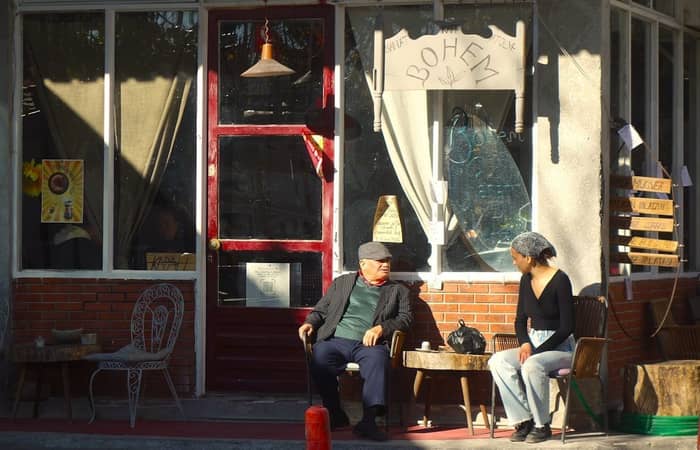
In major cities, interactions often feel transactional. You’re another face in the crowd, another credit card at the checkout. Small European towns flip this script entirely. When outsiders are rare rather than routine, locals greet you with genuine curiosity.
I’ve found that in villages with fewer than 500 residents, shopkeepers remember your face by day two. The woman at the local café doesn’t just serve you coffee, she asks where you’re from and shares stories about her grandmother’s recipes. This isn’t trained hospitality or forced friendliness. It’s simply how communities function when everyone knows everyone, and you’ve become the interesting new element in their daily routine.
Architecture That Hasn’t Been Theme-Parked
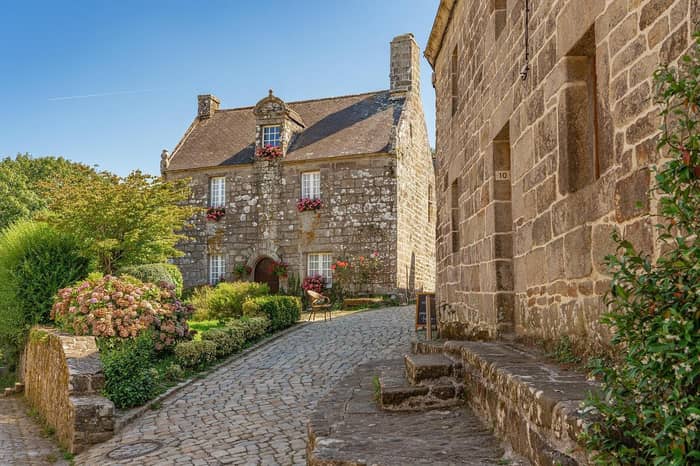
Large tourist cities have a problem. Their historic buildings often feel like museum pieces, preserved but somehow lifeless, surrounded by souvenir shops and chain restaurants. Small towns escaped this fate simply by being overlooked.
Walk through places like Hallstatt in Austria or Bibury in England, and you’ll see medieval architecture still serving its original purpose. Houses built in the 1600s still house families. Churches from the 11th century still hold Sunday services. There’s no velvet rope keeping you at a distance, no entry fee to experience history. The past isn’t displayed for you, it’s lived in. That makes all the difference between feeling like a tourist and feeling like you’ve stepped through time itself.
Food That Hasn’t Been Dumbed Down
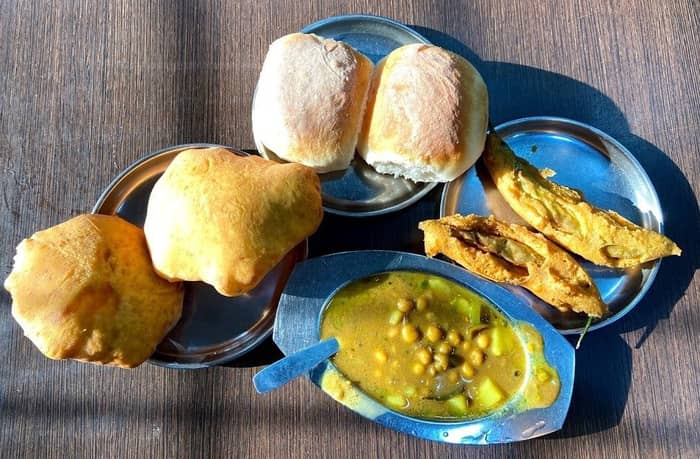
Restaurant menus in major European capitals have become frustratingly similar. They cater to international palates, offering “safe” versions of local dishes that won’t offend anyone’s taste buds. Small town restaurants can’t afford to play it safe because they’re primarily feeding locals, not tourists.
This means you’ll encounter regional specialties that haven’t been tweaked for mass appeal. The pasta in a tiny Tuscan village tastes nothing like what you’d get in Florence’s tourist district. A family-run taverna in a Greek mountain village serves dishes their great-grandparents made, not simplified versions for foreign visitors. The food is challenging sometimes, surprising often, and authentic always. Isn’t that what we’re really looking for when we travel?
Nature That Surrounds Rather Than Exists in Parks
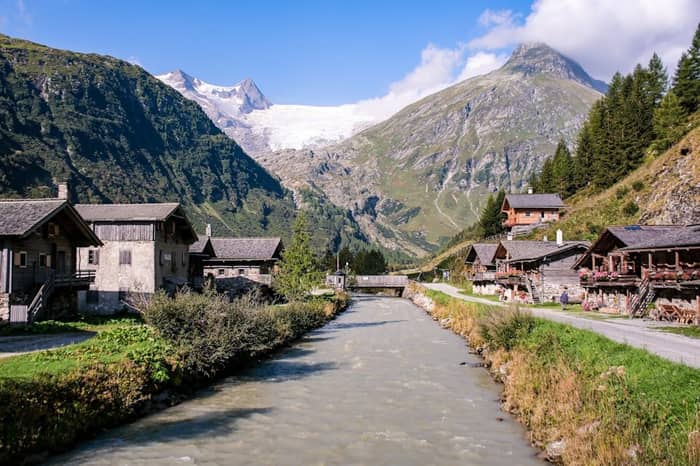
Cities offer parks and gardens, carefully maintained green spaces where nature is controlled and contained. Small European towns exist within nature itself. Step outside your accommodation, and you’re immediately immersed in landscapes that shaped the settlement’s character.
Alpine villages sit nestled in valleys where every direction offers mountain views. Coastal hamlets cling to cliffs above dramatic seascapes. These aren’t attractions you travel to see; they’re the backdrop for everything you do. Morning coffee happens with panoramic vistas. Evening walks lead through ancient forests or along rugged shorelines. The natural world isn’t something you schedule into your itinerary here; it’s simply where life unfolds.
Accommodation That Feels Like Someone’s Home
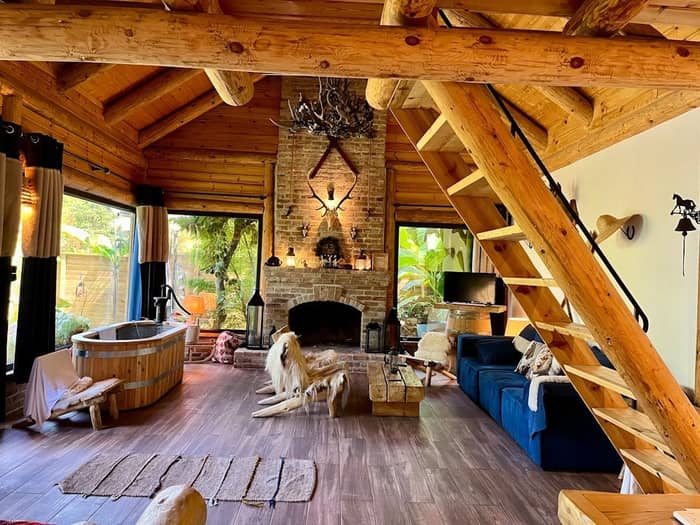
Small towns rarely have hotels in the traditional sense. Instead, you’ll find converted farmhouses, family-run guesthouses, or centuries-old homes with just two or three rooms for visitors. This limitation turns into an advantage.
Your hosts often live on the premises. They’ll offer recommendations based on actual knowledge rather than commission agreements with tour companies. Breakfast might include homemade preserves from fruit grown in the garden. The rooms themselves tell stories through their quirks, exposed beams that are genuinely old, not decorative additions, and views of the actual village life happening below your window. It’s an accommodation that feels personal rather than processed.
Festivals Celebrating Real Traditions
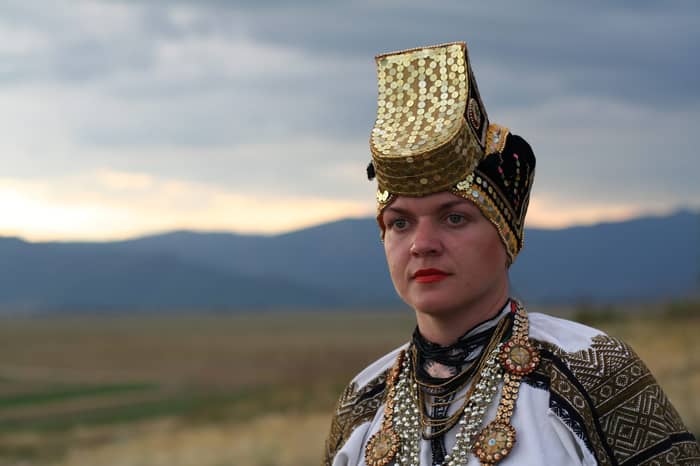
Major cities host festivals, certainly, but they often feel designed for tourist consumption. Small town celebrations exist because communities actually want to honor their heritage, not because event organizers saw a marketing opportunity.
Attend a village harvest festival or religious celebration, and you’ll likely be the only outsider present. The costumes aren’t rented, they’re family heirlooms. The music isn’t performed by hired entertainers; it’s played by locals who’ve practiced these songs since childhood. Nobody’s checking tickets or selling overpriced merchandise. You’re simply welcome to join in something that would happen whether you were there or not. That authenticity is priceless, and it’s vanishing from bigger destinations.
Affordability That Makes Extended Stays Possible
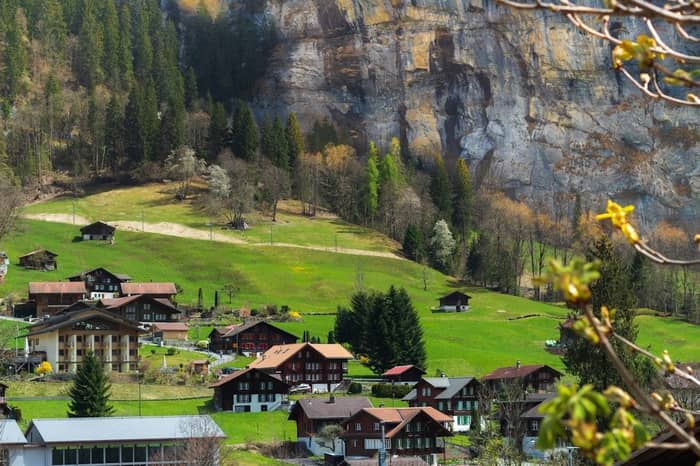
Let’s be practical. A week in Paris or Amsterdam can drain your savings faster than you’d expect. Accommodation, meals, attractions, and everything carry premium pricing in famous cities. Small towns operate on different economies.
A comfortable room that costs 200 euros per night in Barcelona might run 60 euros in a countryside village. Restaurant meals that would cost 40 euros in Rome might be 15 euros in a small southern Italian town. This price difference isn’t about lower quality; it’s about lower demand and cost of living. Your travel budget suddenly stretches much further, allowing you to stay longer and experience more without the constant stress of overspending.
Silence That Actually Exists
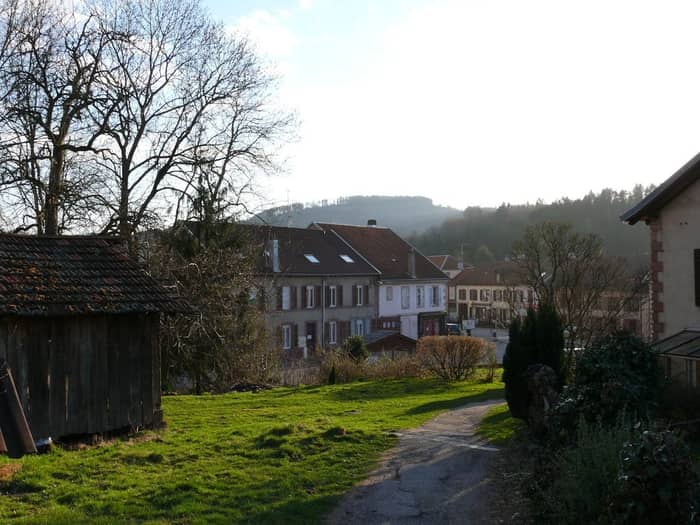
When was the last time you experienced real quiet? Not the muted hum of air conditioning or the distant traffic drone, but genuine silence where you can hear wind moving through trees or your own breathing. Small European towns offer this increasingly rare commodity.
After dark, many of these villages fall into a hush that city dwellers have forgotten exists. No sirens, no nightclub bass thumping through walls, no crowds spilling out of bars. Just stillness. This might sound boring if you’re used to urban energy, but spending even a few days in true quiet can recalibrate your nervous system in surprisingly profound ways. Sometimes the most memorable part of a trip is simply rediscovering what peace feels like.
Seasonal Changes That Actually Matter
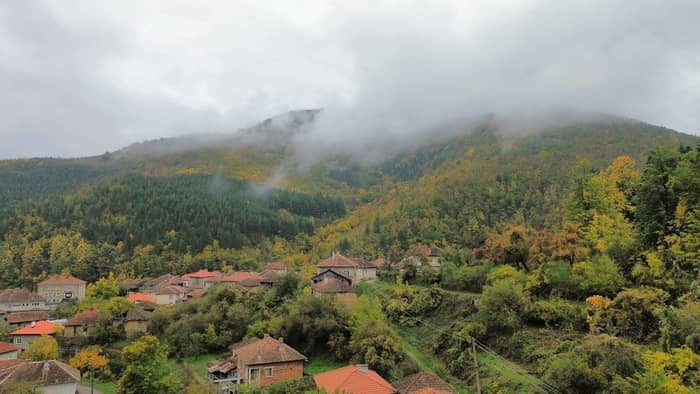
Cities maintain a fairly consistent character year-round. Sure, Christmas markets appear, and cafés move inside during winter, but the core experience remains similar. Small towns transform with the seasons because their rhythms follow natural cycles rather than tourist calendars.
Visit a Mediterranean village in summer, and it pulses with outdoor life, evening gatherings in the square, and swimming holes filled with local families. Return in winter, and it becomes introspective, cozy, focused on hearth and home. Alpine villages explode with wildflowers in spring and retreat into snowy isolation by November. These dramatic shifts mean each season offers a completely different experience of the same place. You’re not just visiting a location, you’re experiencing how time and weather shape a community’s entire way of being.
Photography Without the Crowds
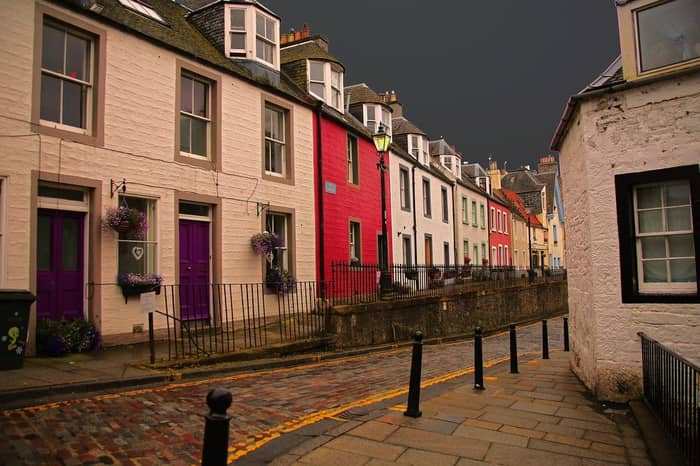
Every Instagram-worthy shot from major European cities faces the same challenge. How do you capture the Eiffel Tower without the thousands of other people doing the same thing? Small towns eliminate this problem.
That perfect archway with morning light streaming through? You can frame it without waiting for strangers to move out of shot. The charming café with flowers spilling from window boxes? No need to Photoshop out crowds or arrive at dawn to beat the masses. Your photos look like they’re from another era simply because these places haven’t been overrun yet. And honestly, there’s something deeply satisfying about capturing beauty that hasn’t been photographed to death already.
The Slow Travel Movement’s Natural Home
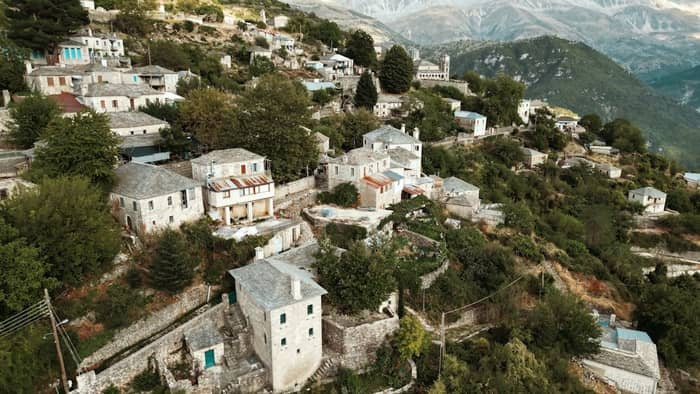
There’s a growing backlash against whirlwind European tours that hit twelve cities in ten days. Small towns naturally encourage the opposite approach. There aren’t enough “sights” to keep you frantically rushing from attraction to attraction.
Instead, you’re forced to slow down. Morning becomes about lingering over coffee and conversation. Afternoons might involve a leisurely hike or simply reading in a garden. Evenings unfold without rigid plans. This deceleration isn’t a compromise or a way to kill time; it’s the entire point. These places teach you that travel doesn’t have to be about ticking off a checklist. Sometimes the best experiences come from having nowhere particular you need to be.
Why Now Is the Time to Visit
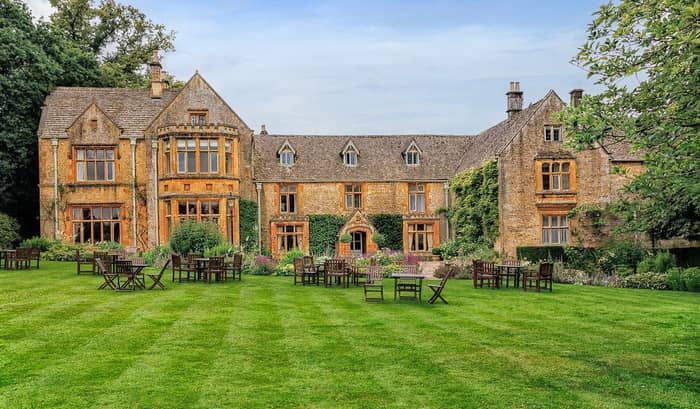
Here’s the uncomfortable truth. These small towns won’t remain undiscovered forever. Travel bloggers are catching on. Instagram is spreading the word. What feels hidden today might become overrun tomorrow.
We’re in a sweet spot where these places remain authentic but accessible. Infrastructure has improved enough that getting there doesn’t require expedition-level planning, but tourist crowds haven’t yet arrived in numbers that change the character of these communities. In five or ten years, many of these villages might look very different, with gift shops replacing local businesses and accommodation prices climbing to meet demand. If you’ve been thinking about exploring beyond Europe’s famous cities, waiting probably isn’t the smart move.
Finding Your Perfect Small Town Match
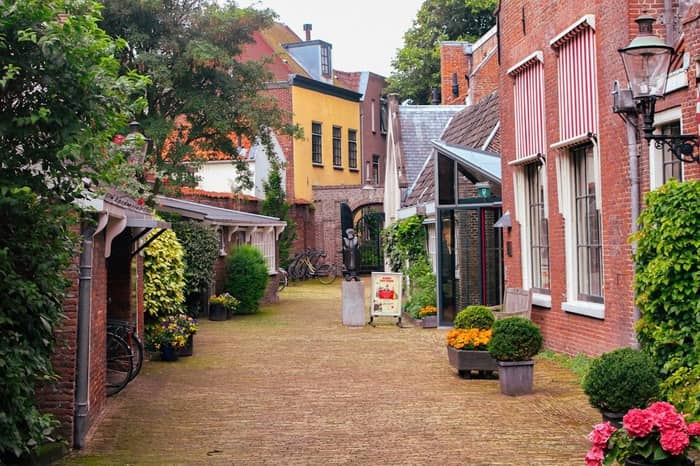
Not all small European towns offer the same experience. Some cling to dramatic coastlines, others nestle in mountain valleys or sprawl across rolling agricultural land. Your ideal destination depends on what you’re seeking.
Love wine? Tiny villages in Portugal’s Douro Valley or France’s Loire region put you at the source. Prefer hiking? Alpine hamlets in Switzerland or Austria serve as bases for spectacular trails. Fascinated by medieval history? Eastern European towns in Poland or the Czech Republic preserved their historic character through decades of isolation. Beach lover? Croatia and Greece hide countless coastal villages between their famous islands. The key is matching the town’s character to your interests rather than just picking the most photographed option.
The Challenge of Limited Information

Planning a trip to Paris is easy. Countless guidebooks, websites, and YouTube videos lay everything out. Research for tiny European towns requires more detective work. Tourist offices might not have English-language websites. Accommodations may not show up on major booking platforms.
This information gap can feel frustrating, but it’s also a filter. It keeps away travelers who want everything pre-packaged and guaranteed. If you’re willing to do the extra research, send emails in broken Google Translate, and accept some uncertainty, you’ll be rewarded with experiences that remain uncommercialized precisely because they’re harder to access. Sometimes obstacles protect what’s valuable.
The Return on Investment
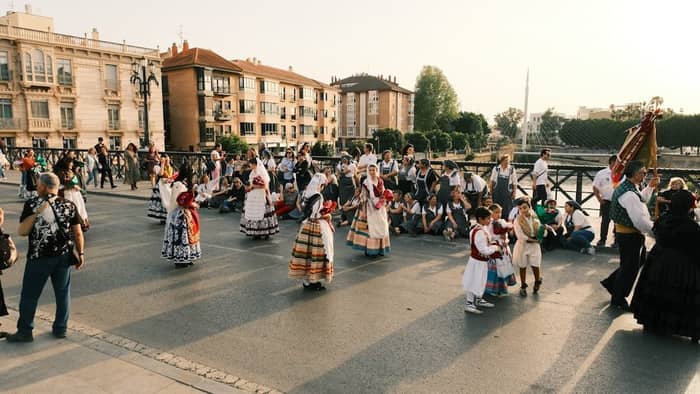
We often measure travel value in terms of sights seen or photos taken. Small European towns demand different metrics. The return comes in conversations you’ll remember, flavors you’ve never encountered, and moments of unexpected beauty that no guidebook mentioned.
You won’t collect as many famous landmarks or check as many boxes. But you might find yourself sitting at a village festival, surrounded by people who’ve welcomed you into their celebration, eating food made by someone’s grandmother, and thinking that this random Tuesday evening in a town you’d never heard of until last month has become one of your life’s perfect moments. That’s not something a tour of Europe’s greatest hits can deliver. It requires stepping away from the spotlight and finding places that don’t even know they’re worth discovering.
What Are You Still Waiting For?
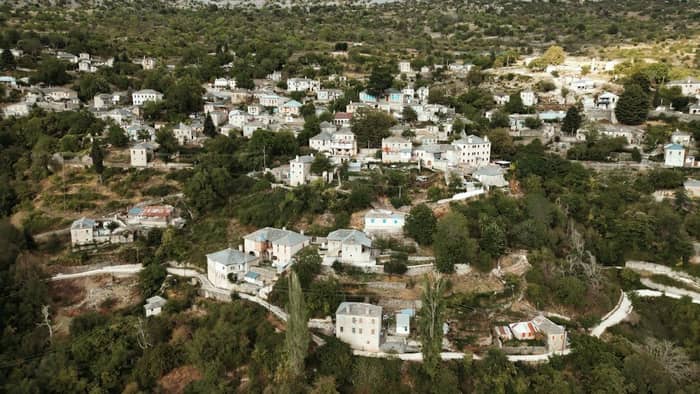
The big European cities will always be there, packed with tourists taking the same photos at the same landmarks. They’re wonderful in their own right, certainly, but they’re not going anywhere. These small towns, with their authentic character and genuine welcome, exist in a more fragile state.
Change comes slowly to places this small, yet it comes. Each year brings a few more visitors, a bit more awareness, and subtle shifts toward tourism infrastructure. The experience you could have today might not be available tomorrow. Europe’s smallest towns are having their moment right now, stealing the spotlight from their famous neighbors by offering something those crowded cities simply cannot: a chance to step off the well-worn path and discover what travel felt like before everyone went to the same places. What would your perfect hidden village look like?