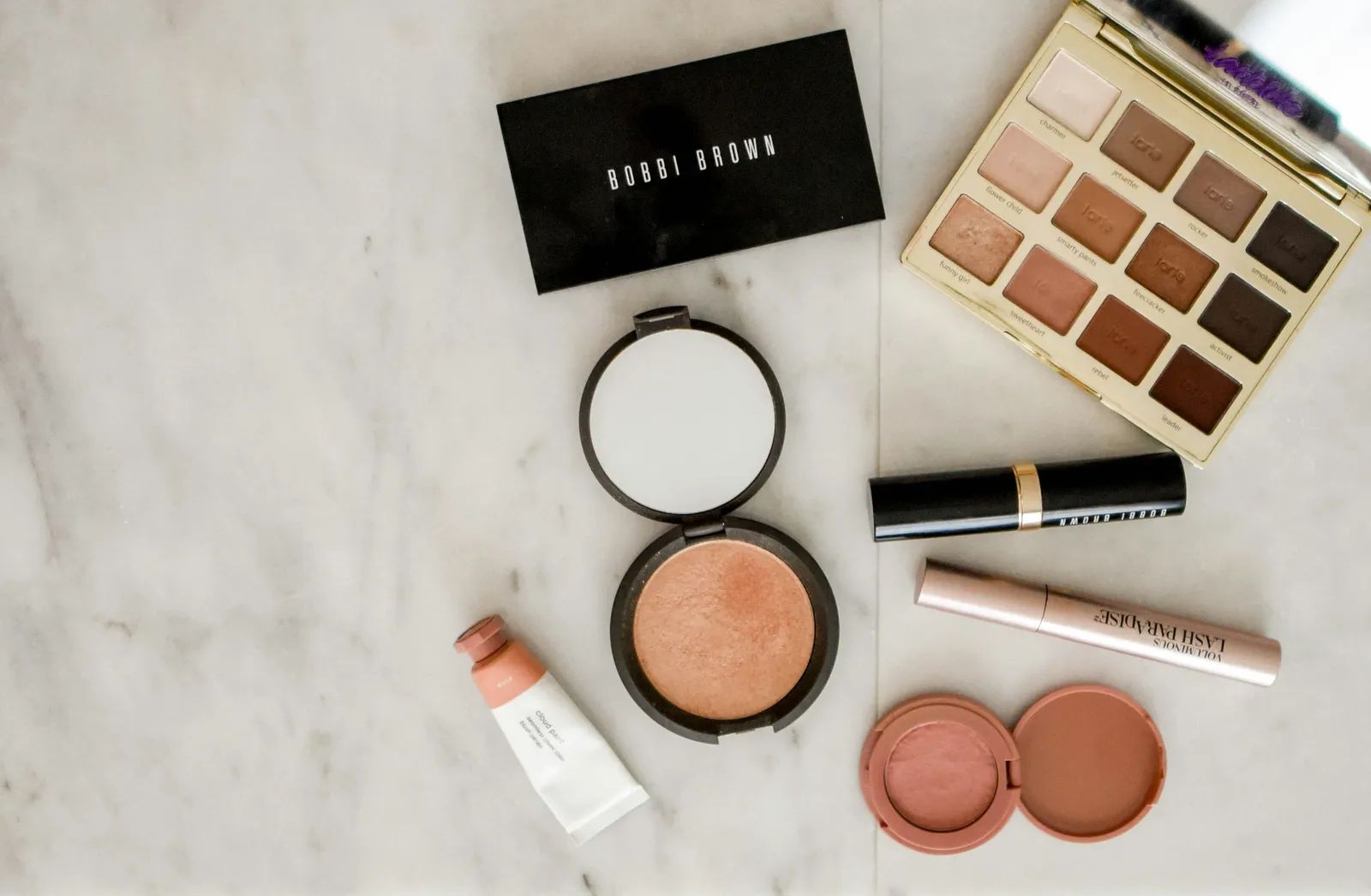
Makeup habits shift as skin changes with time, and many women find themselves seeking a routine that feels authentic rather than corrective. Bobbi Brown, the veteran makeup artist and founder of Jones Road Beauty, has spent decades observing these transitions in her chair. Her core message centers on restraint: applying less product often yields a more flattering result that highlights natural features instead of masking them. ([1])
A Reframed Goal for Mature Skin
Brown pushes back against the common pressure to appear younger. She frames the objective as looking like oneself on an especially good day, with skin that appears fresh, healthy, and rested. This approach moves away from heavy coverage that can emphasize texture or lines. It instead favors a lighter touch that lets character show through.
Many clients arrive expecting to add layers for coverage, yet Brown consistently advises the opposite. She notes that her own habits have trended toward minimal application over the years. The result, she says, leaves room for individuality such as freckles or distinctive facial structure. That restraint becomes a quiet form of confidence rather than an attempt to rewind the clock.
Stronger Skin Preparation Matters Most
Effective makeup begins well before any color reaches the face. Brown stresses that mature skin tends to lose vibrancy and moisture, making hydration the foundation of any successful look. Rich creams containing ingredients like ceramides, hyaluronic acid, and peptides help restore suppleness and create a smoother canvas.
She recommends applying extra moisturizer to dry patches rather than reaching for more makeup to conceal them. Lighter textures and a subtle glow replace heavier formulas that can sit on the surface. When the skin underneath feels nourished, even minimal product performs better and moves naturally with expression.
Thoughtful Coverage and Concealment
Choosing sheer, cream-based formulas over dense powders allows the skin to breathe and avoids a mask-like finish. Brown suggests spot-concealing rather than full-face foundation, selecting shades that match in natural daylight instead of store lighting. Testing on the cheek outdoors reveals whether a color truly disappears into the skin.
Concealer becomes the pivotal step for many women who skip base coverage altogether. A lightweight, hydrating version one shade lighter than the base works best, applied after an eye cream. For discoloration, a neutralizer matched to the undertone of the shadow precedes the concealer. Powder stays limited to oily zones, and contouring gives way to simple enhancement of existing features.
Eyes, Brows, and a Touch of Color
The eye area often shows the earliest signs of change, so gentle preparation with creams supports smoother application. Brows benefit from soft filling to restore shape without harsh lines, followed by a setting gel. Neutral eyeshadow shades in creams or balms blend easily with a finger and avoid settling into creases.
A hint of color on the cheeks and lips restores a lively appearance without excess. Cream blushes or multi-use balms deliver buildable flush that mimics post-exercise or sun-kissed skin. Lip care starts with overnight hydration, then a pencil prevents feathering before color is added. The overall effect stays simple yet polished.
What matters now: Brown’s guidance boils down to three principles – hydrate thoroughly, choose flexible textures, and let natural features lead. The result feels like an updated version of oneself rather than a departure.
Women navigating these changes often discover that fewer steps bring greater ease and satisfaction. Brown’s perspective offers a practical path forward that prioritizes comfort and self-recognition over trends or correction. In the end, the face that looks back feels familiar and at its best.