Paraná state, Brazil – In a quiet stretch of coastal forest, researchers achieved a milestone for one of the country’s most threatened primates. Three black-faced lion tamarins became the first of their kind to receive a vaccine against yellow fever during a July operation led by the conservation group SPVS. The effort marks a practical step toward shielding a species whose small population faces ongoing habitat pressures.
Why the Effort Matters Now
Black-faced lion tamarins live only in fragmented patches of Atlantic Forest along the São Paulo-Paraná border. Their range includes coastal restinga habitat, a sandy-soil ecosystem that has already been reduced by roads, canals, and development. The 2011 population estimate stood at roughly 392 individuals, a figure that underscores how limited the species remains. A single disease outbreak could therefore carry outsized consequences. Yellow fever has previously affected other primate populations in Brazil, prompting conservation teams to explore preventive measures. The July captures represent an early test of whether targeted vaccination can be carried out safely in the wild.
How the Field Team Worked
SPVS researchers moved through the forest on foot, locating animals already fitted with radio collars for monitoring. They placed three individuals – two males and one female – into small transport cages and carried them a short distance to a temporary clearing. There, veterinarians weighed each animal inside a cotton bag before administering the vaccine under sedation. The entire sequence was completed within hours to minimize stress. Once the procedure finished, the tamarins were returned to their capture sites and released. Follow-up observations confirmed they resumed normal activity shortly afterward.
Challenges of a Fragmented Landscape
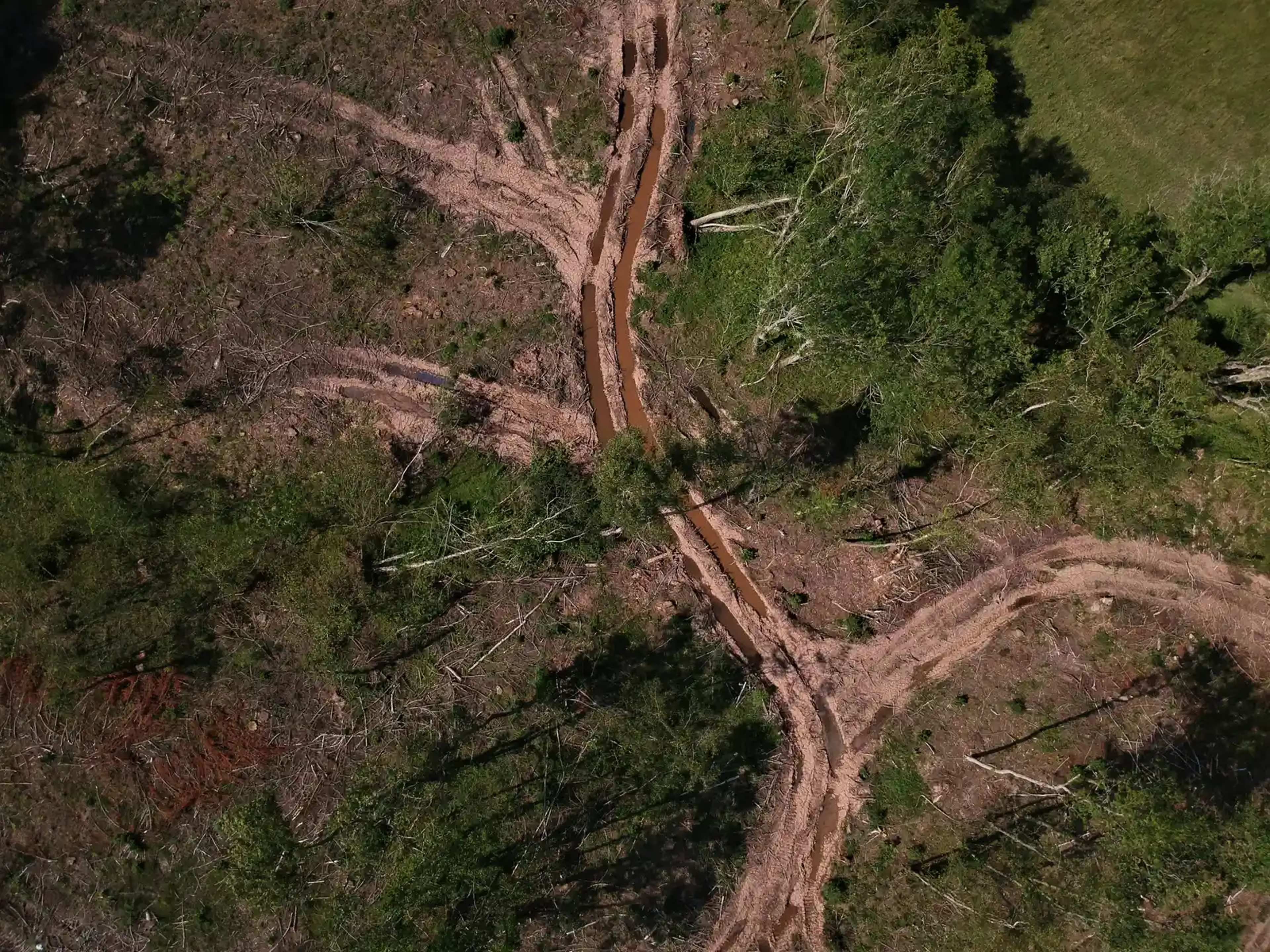
The Varadouro Canal, a six-kilometer artificial waterway, has long divided sections of the tamarins’ habitat. Such barriers limit natural movement between groups and reduce genetic exchange. Restinga vegetation, already patchy, offers fewer corridors for the animals to shift in response to seasonal changes or new threats. These physical constraints make every individual more valuable. Conservationists therefore view the vaccination work as one component of a broader strategy that also includes habitat protection and continued monitoring.
What Comes Next
The July effort provides a practical template for scaling the approach if needed. Researchers will track the vaccinated animals to assess immune response and any longer-term effects. Additional captures could expand coverage, though logistical demands in dense forest limit how quickly numbers can grow. Success will depend on sustained funding and close coordination with local authorities. The operation shows that field vaccination is feasible, yet it remains one tool among several required to secure the species’ future.