Bukhara stands out along Central Asia travel routes for its preserved historic core, where visitors often describe an immediate sense of entering another era. Travelers frequently prepare for other stops by searching images in advance, yet many approach this Uzbek city with fewer preconceptions and more reliance on word-of-mouth accounts. The result is a destination that continues to surprise those who arrive expecting typical Silk Road ruins rather than a functioning medieval environment. ([1])
Preserved Streets and Daily Life
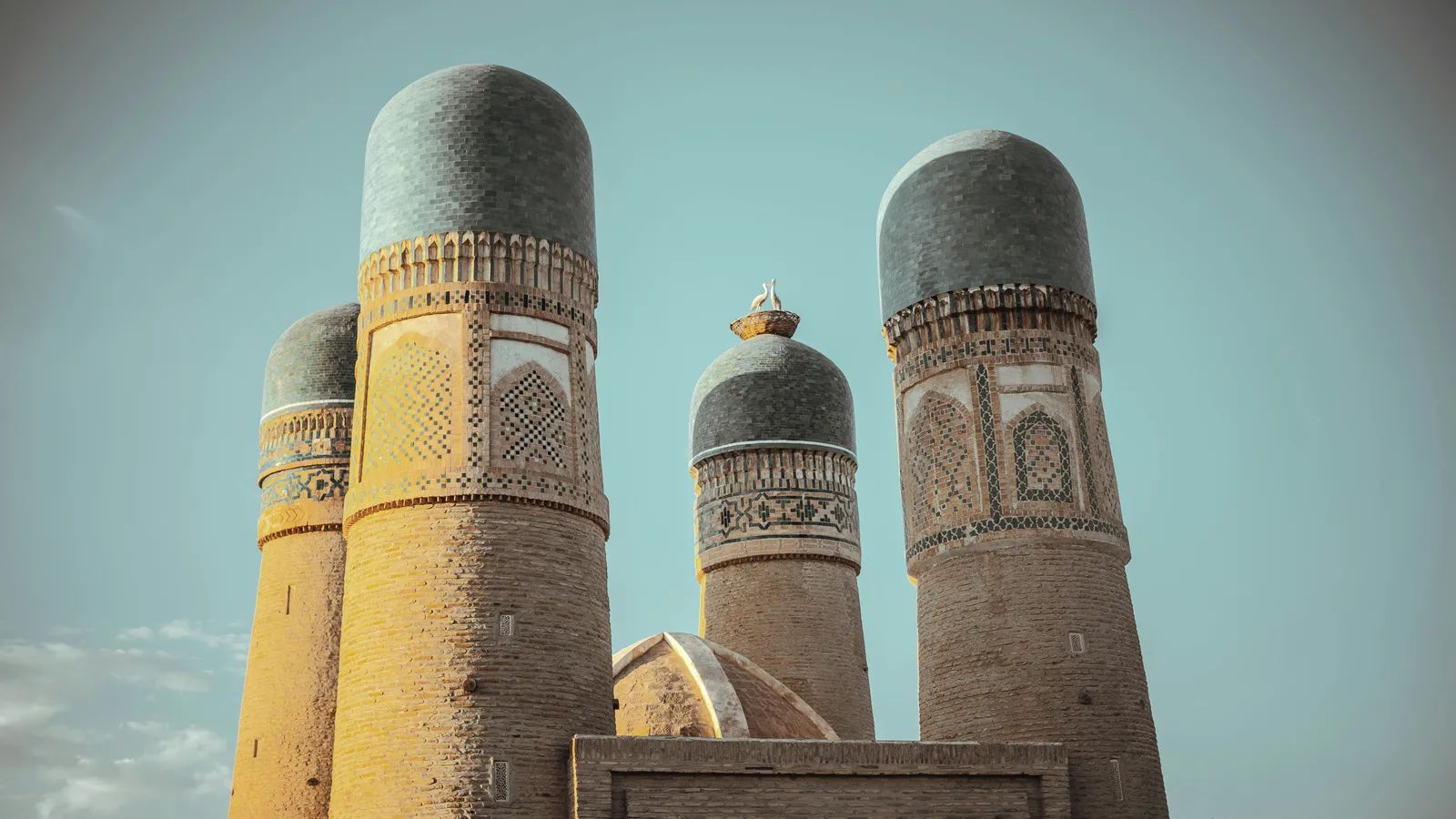
The old quarter features narrow lanes lined with mud-brick buildings, domed trading halls, and towering minarets that remain integrated into everyday routines. Local residents continue to use these spaces for markets, workshops, and community activities, which helps maintain an authentic atmosphere rather than a staged historical site. This blend of past and present distinguishes Bukhara from more restored or commercialized heritage locations in the region.
Silk Road Legacy in Context
Positioned on ancient trade routes that once connected East and West, Bukhara served as a key hub for merchants, scholars, and artisans over centuries. Its architectural landmarks, including madrasas and caravanserais, reflect layers of influence from Persian, Turkic, and Islamic traditions. The desert setting adds to the isolation that helped protect these structures from rapid modernization seen elsewhere.
Practical Considerations for Visitors
Reaching Bukhara typically involves flights or overland travel from Tashkent or Samarkand, with the city offering a compact layout suited to walking tours. Accommodations range from restored historic houses to standard hotels, while local cuisine highlights regional specialties such as plov and fresh breads. Timing a visit outside peak summer heat allows for more comfortable exploration of outdoor monuments and bazaars. The enduring draw of Bukhara lies in its ability to convey history through lived experience rather than exhibits alone.