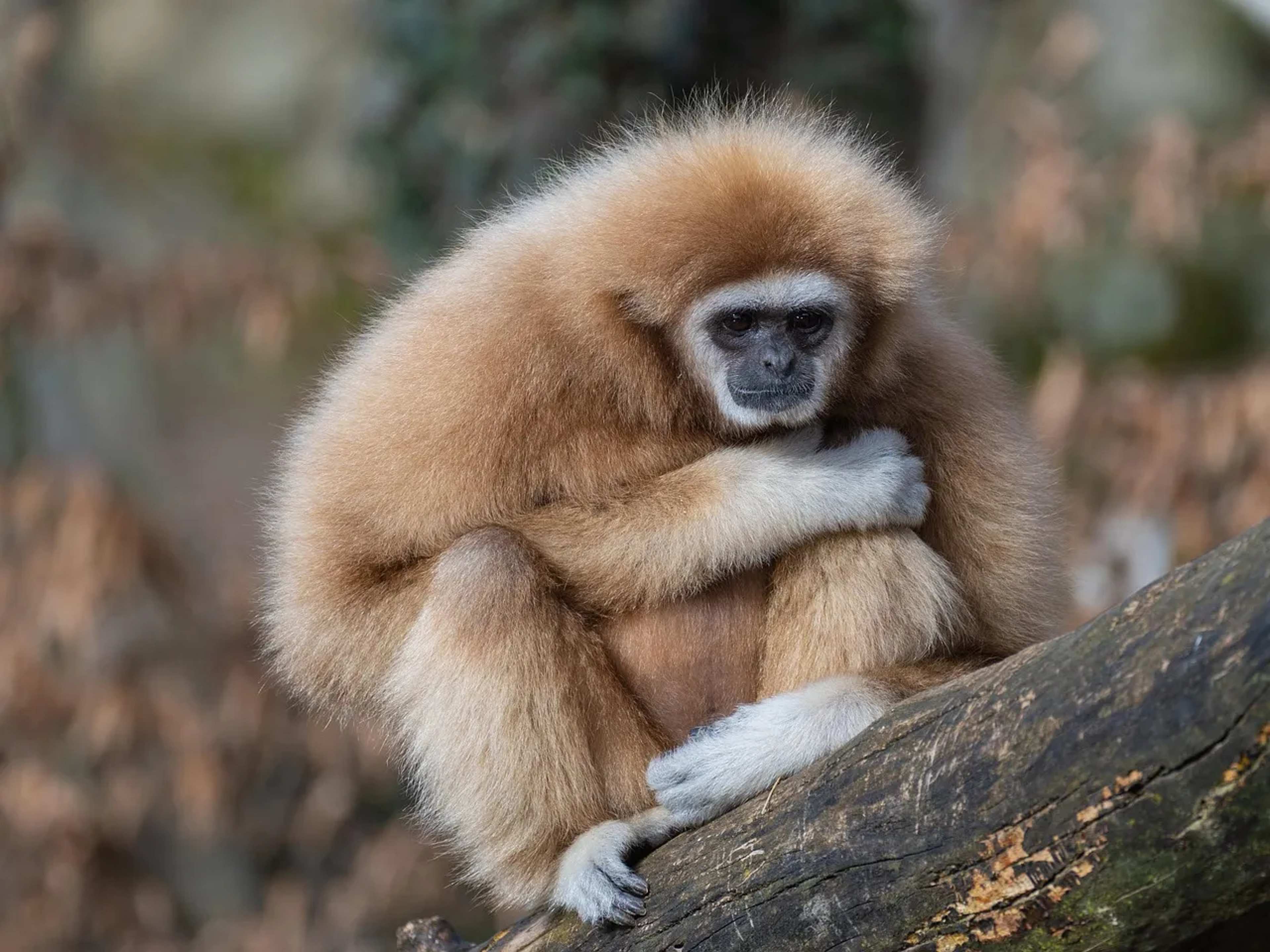
New South Wales, Australia – A wallaby with a joey in her pouch grazes quietly beneath tall eucalyptus trees while black cockatoos call overhead. Kangaroos bound across the hills on Vanessa Hartley’s South Coast property, and her horses graze nearby without concern. Just a few years earlier, the same landscape had been consumed by flames during the Black Summer bushfires of 2019-2020. ([1])
Flames Close In on a Working Farm
Hartley runs a program that rehabilitates abused and surrendered horses before pairing them with people facing mental health challenges or disabilities. When smoke began rolling over the ridgeline behind her pastures, the threat became immediate. Roughly 95 percent of the neighboring Jerrawangala National Park had already burned in repeated fire fronts.
She turned to social media for urgent help. Within an hour, neighbors and complete strangers arrived with trucks and trailers. All 19 horses were moved to safety before the fire reached the property. Hartley later described the spontaneous support as deeply moving.
After the Fire, a Different Crisis Emerges
Once the flames passed, Hartley returned to find the surviving wildlife struggling. Food and water were scarce, and the usual sounds of the bush had fallen silent. She eventually spotted a bedraggled wallaby, then another, moving through the scorched landscape.
The animals that remained faced a slow recovery on land stripped of vegetation. Hartley’s property, which had escaped the worst of the burning, became an unexpected refuge point. The contrast between the pre-fire abundance and the post-fire quiet underscored how quickly entire ecosystems can be disrupted.
Ordinary People Step Into Extraordinary Roles
The evacuation of the horses revealed a wider pattern. Residents across fire-affected areas of New South Wales began coordinating informal networks to move livestock, provide water stations, and monitor injured wildlife. These efforts often started with a single Facebook post and grew through word of mouth.
Hartley’s experience showed how quickly local knowledge and available vehicles could be mobilized. The same community spirit that saved the horses later extended to checking on native species that had lost their usual foraging grounds. Such grassroots responses filled gaps while larger agencies focused on human safety and major infrastructure.
Why These Networks Matter for the Future
Black Summer demonstrated that bushfires can leave lasting effects on both domestic animals and iconic native species such as kangaroos, wallabies, and black cockatoos. Informal rescue networks proved they could act within hours when formal systems were stretched thin.
Properties like Hartley’s continue to serve as quiet recovery zones where wildlife and rehabilitated horses share space. The story of one South Coast farm illustrates how individual initiative, combined with neighborly support, can help wildlife endure the next fire season.