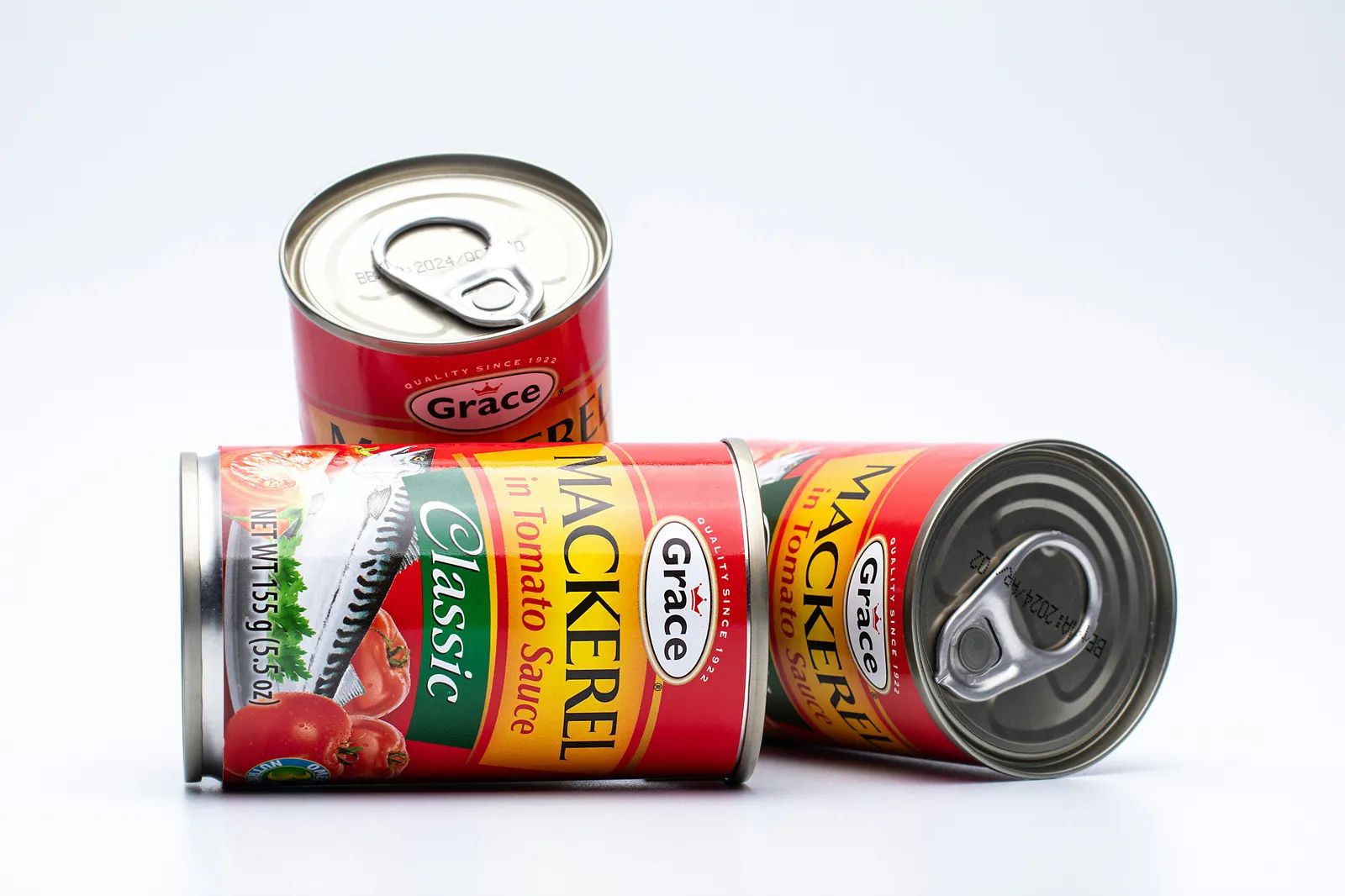
Many households keep canned tomatoes on hand as a reliable pantry staple for sauces, soups and quick dinners. Questions about their safety often surface once the printed date passes or after a can sits opened in the fridge. Official guidance from the USDA clarifies that dates on these products relate mainly to quality rather than strict safety cutoffs, provided the can remains intact and properly stored.
Unopened Cans in the Pantry
Unopened canned tomatoes maintain best quality for 12 to 18 months when kept in a cool, dry place, according to USDA tables on high-acid canned goods. Some manufacturers list longer periods, such as 36 months for certain crushed varieties, while extension services suggest 8 to 12 months as a more conservative window. These figures serve as quality benchmarks rather than hard expiration points. A sealed can stored below 85°F can often remain usable beyond the printed date if it shows no damage. USDA experts note that dates on shelf-stable foods do not indicate safety in the same way infant formula dates do. Appearance alone cannot confirm safety, however, because some hazards remain invisible. Shoppers benefit from rotating stock and using older cans first to preserve flavor and texture over time.
Once the Can Is Opened
Opened canned tomatoes require prompt refrigeration at 40°F or below. The USDA recommends using them within 5 to 7 days in a covered glass or plastic container for best results. Some sources advise even shorter windows, such as two days, while others align with the seven-day limit. Leaving opened tomatoes at room temperature beyond two hours risks bacterial growth, and the limit drops to one hour when temperatures exceed 90°F. Storing leftovers in the original can is technically allowed by the USDA, yet transferring contents to a non-metal container helps maintain flavor and prevents metallic tastes. Freezing offers another option for longer storage. Remove the tomatoes from the can first, place them in freezer-safe containers with headspace, and use within 10 to 12 months for optimal quality.
Recognizing Problem Cans
Inspect every can before opening. Discard any that appear bulging, leaking or deeply dented, especially along seams, because these signs can indicate serious issues. Heavy rust that cannot be wiped away or rust inside the can also warrants disposal. Once opened, watch for spurting liquid, off odors, unusual color or visible mold. These indicators point to spoilage, yet their absence does not guarantee the contents remain safe. Never taste questionable tomatoes to test them. Shallow side dents on an otherwise intact can are generally considered acceptable by some producers, but any uncertainty calls for caution.
Practical Storage Habits
Keep unopened cans away from heat sources, damp areas and concrete floors. Ideal pantry temperatures fall between 50°F and 75°F. Label purchase dates on lids to support first-in, first-out rotation. Home-canned tomatoes follow similar quality guidelines, with best results expected within one year and use recommended before two years. Properly processed commercial and home-canned products can gradually lose flavor, texture and nutrients over extended storage. Rotating stock regularly helps minimize these changes while reducing waste. When in doubt about any can, the safest choice remains to discard it.