Paradise doesn’t come with a warning label, yet the Caribbean’s crystal-clear waters and white sand beaches have become hunting grounds for sophisticated scammers. Mastercard’s report found a 15% rise in fraudulent transactions during the early stages of trip planning in 2024 compared to 2023. The tropical paradise millions dream of visiting each year harbors dangers that go far beyond sunburn and overpriced cocktails. The travel industry is one of the sectors most susceptible to fraud, with scams rising 22% during the summer peak season and 25% in the winter peak season in 2024. Whether you’re planning that long-awaited getaway to Jamaica or dreaming of swimming with dolphins in the Bahamas, these picturesque islands hide predators waiting to separate you from your hard-earned vacation money.
The Taxi Trap That Drains Your Wallet

Caribbean taxi scams represent one of the most widespread tourist traps across the region. Tourists should never get in unofficial, unmetered taxis. It is not unusual for unlicensed drivers to be operating in the Caribbean. These fraudsters often position themselves at airports and cruise ports, where vulnerable tourists need immediate transportation.
The scheme typically unfolds in several devastating ways: drivers claim their meters are broken and quote outrageous flat rates, or they run tampered meters that move at lightning speed. Cruise ship passengers report traveling in circuitous routes to make it appear as if they’ve been driven long distances, when in reality they haven’t gone far at all. The cost you’ll be charged in the end will reflect your lengthy journey. In Nassau, legitimate taxi rides from the airport to downtown hotels should cost around twenty to thirty dollars, yet scammers routinely charge triple that amount.
The Bahamas, with its turquoise waters and sandy beaches, faces a growing issue with taxi scams. Visitors report being charged excessively high fares by unlicensed drivers. The smartest defense involves pre-arranging transportation through your hotel or using reputable ride-sharing apps that display upfront pricing.
Fake Tour Guides and Phony Excursions

Dishonest individuals masquerading as official tour guides plague virtually every Caribbean destination. Fake tour guides are scammers posing as official tour guides and offer tours at inflated prices or lead tourists to overpriced shops or restaurants. Some phonies will tell you an attraction is closed and try to sell you access. These imposters approach tourists near popular attractions, claiming special insider knowledge or exclusive access to restricted areas.
Saint Lucia, known for its stunning landscapes and warm hospitality, is not without its share of scams. Bogus tour operators often lure tourists with promises of exclusive excursions to the Pitons. They frequently demand payment upfront before vanishing entirely, leaving tourists stranded without the promised experiences. The Dominican Republic sees similar patterns, where fake guides promise authentic cigar factory tours that turn into high-pressure sales presentations for counterfeit products.
Tourists often fall prey to fake tour guides offering exclusive excursions at exorbitant prices. However, some scammers sell fake tickets or claim falsified entrance fees. Legitimate tour operators always carry proper identification and can provide verifiable business licenses upon request.
The Friendship Bracelet Con

This seemingly innocent scam has evolved into a sophisticated psychological trap that targets tourists’ natural politeness and desire to avoid confrontation. Beware of someone offering you a free bracelet or jewelry. They claim to give you a free bauble, then demand payment after putting it on you. They may become aggressive if you refuse to pay. The perpetrators often work in teams, surrounding confused tourists to create social pressure.
The scam operates through false generosity: a friendly local approaches offering what appears to be a welcome gift or cultural token. Once the bracelet is secured to your wrist, the scammer’s demeanor transforms completely as they demand immediate payment. Essentially, scammers will offer tourists a “free” friendship bracelet and quickly tie it on their wrist. Then, they will ask for a donation. Since you’ve accepted the “free” item, it can be hard to walk away and you may feel coerced.
Caribbean islands from Barbados to Martinique report increasing incidents of this particular scam. The key to avoiding this trap lies in maintaining firm boundaries: never allow strangers to place anything on your body or in your hands, regardless of their claims about local customs or hospitality.
Timeshare Pressure Tactics

How the scam works: Someone will offer you a free meal if you spend 60-90 minutes of your time in a timeshare presentation. After you say yes, that’s when the real scam begins. Misleading claims about the timeshare and high-pressure sales tactics will be used to get you to say yes to owning a timeshare. These presentations often target tourists relaxing at beaches or exploring downtown areas in popular destinations like Aruba and the Bahamas.
The psychological manipulation reaches disturbing levels as presenters use emotional manipulation, false urgency, and misleading financial projections to pressure visitors into signing contracts. Timeshare deals are notorious here. Often, tourists are lured into lengthy presentations with little payoff. Victims frequently discover that promised perks never materialize and contract terms differ dramatically from verbal promises.
Watch out for “free” tours or excursions that come with the condition of attending a timeshare presentation. What seems like a good deal can quickly escalate into an intense sales pitch, often leading to misleading contracts. The presentations can last for hours despite promises of brief sessions, and aggressive salespeople may refuse to let visitors leave without purchasing something.
ATM and Credit Card Scams
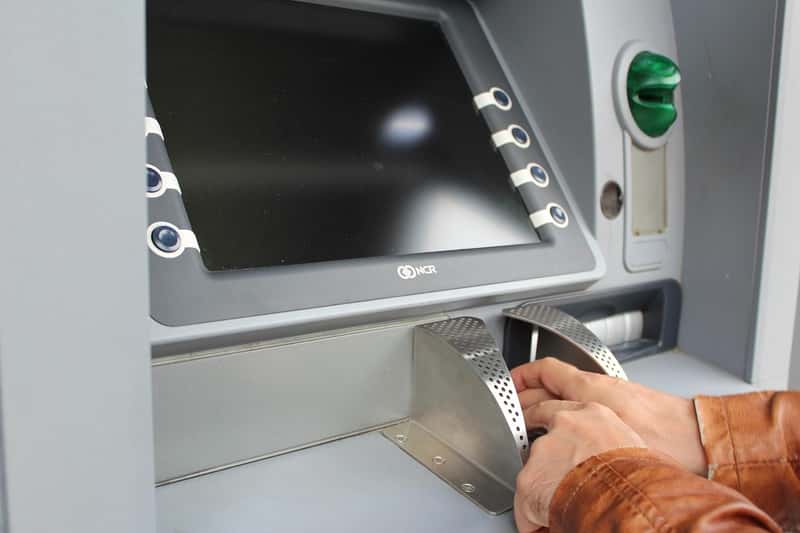
Financial fraud targeting tourists has reached alarming levels throughout the Caribbean region.
Thieves use skimming devices on ATMs or set up a fake ATM to capture card information. Avoid trouble by using ATMs located in secure areas. The devices often appear identical to legitimate card readers, making detection nearly impossible for average consumers. Some scammers also employ the helpful stranger approach, offering advice about avoiding fees while secretly observing PIN entries.
Drug Setup and Police Bribery Schemes
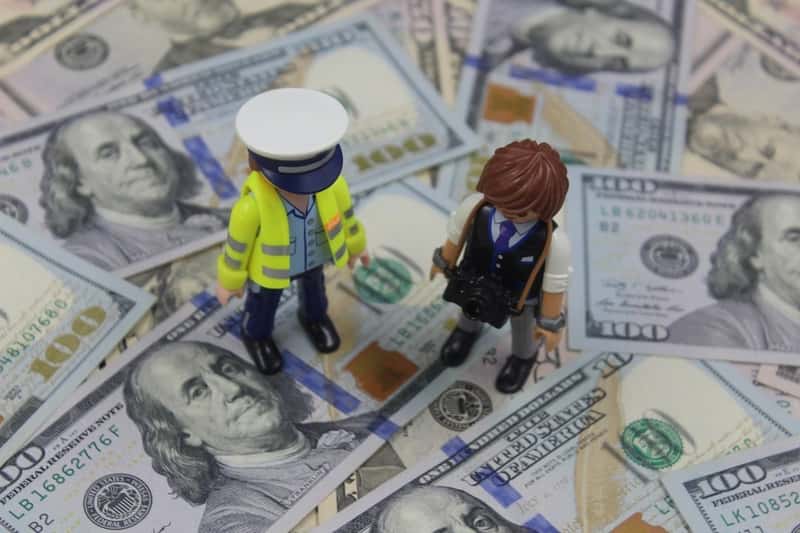
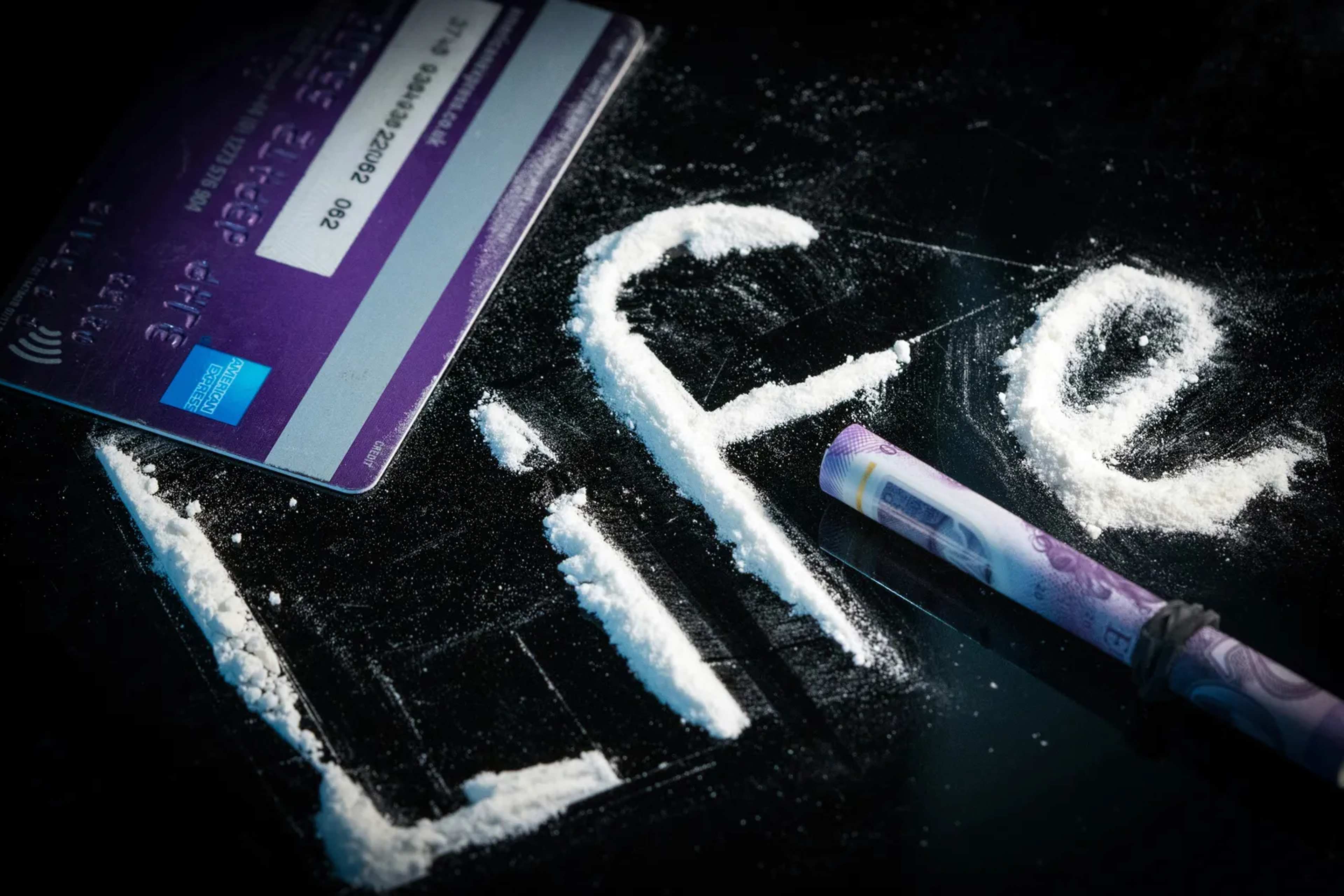
In developing countries in the Caribbean, drug dealers sometimes work with police to trap tourists into paying large bribes. Usually, someone will offer you drugs, and when you accept, a policeman will instantly arrive to arrest you. They’ll offer to let you pay them a bribe in order to avoid jail time, something that many tourists opt to do. This particularly insidious scam preys on tourists’ fear of foreign legal systems and desire to avoid international incidents.
The elaborate setup involves coordination between fake drug dealers and corrupt officials or criminals impersonating police officers. Victims often find themselves in terrifying situations where they believe compliance represents their only path to freedom. Tourists often don’t know the customs and are willing to comply with thieves in uniform. The phony officers may explain that there has been a problem with counterfeit bills circulating in the area, or try to ticket you for a made-up infraction. The officers will then insist that you hand over your passport and wallet.
Real police officers will never demand immediate cash payments or refuse to take matters to official police stations. If confronted by anyone claiming to be law enforcement, insist on seeing proper identification and demand to handle the situation at the nearest police station with witnesses present.
Overpriced Souvenirs and Counterfeit Goods
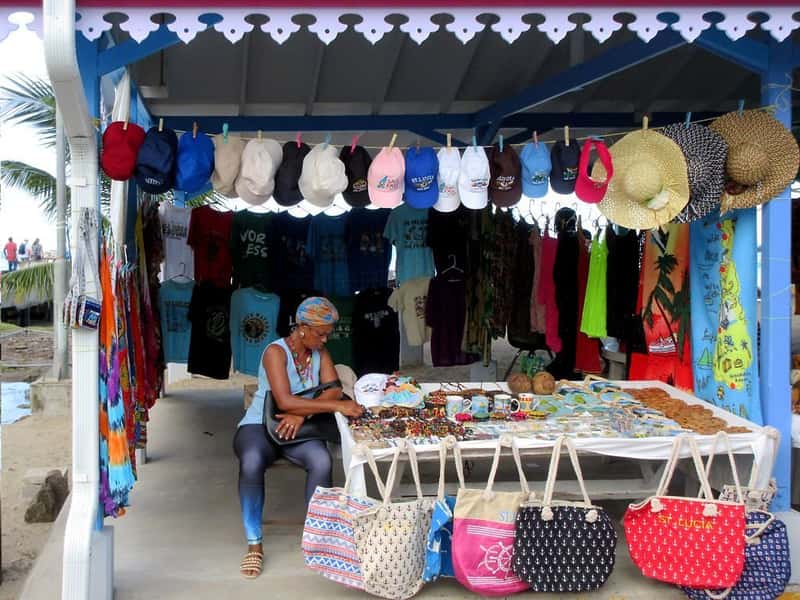
If you find yourself in the Bahamas, be cautious with street vendors. Often, tourists are tricked into paying exorbitant prices for counterfeit goods. It’s a common issue here. Beach vendors and market stalls throughout the Caribbean deliberately target tourists with inflated prices for mass-produced items marketed as authentic local crafts.
The deception often involves elaborate backstories about traditional craftsmanship and cultural significance, when reality reveals cheap imports sold at markup rates exceeding several hundred percent. Tourists are often approached with offers of counterfeit tours or overpriced trinkets. Vendors might promise authentic Jamaican heirlooms, only for buyers to discover they were mass-produced elsewhere. Jamaica’s craft markets see particularly aggressive tactics, where vendors use guilt, persistence, and false claims about supporting local families.
Additionally, be wary of street vendors selling counterfeit jewelry. While many vendors are honest and legitimate, some will take advantage of tourists by overcharging or selling counterfeit items. Smart tourists research fair market prices before shopping and never hesitate to walk away from high-pressure sales situations.
Caribbean scams continue evolving as criminals develop new methods to exploit tourist vulnerabilities. Across the Caribbean, criminals have simply moved faster than the institutions – exploiting weak cyber-defences, slow investigations, and minimal public awareness. The islands’ breathtaking beauty remains unchanged, yet travelers must balance wanderlust with wisdom to ensure their dream vacations don’t become financial nightmares. Remember that legitimate businesses never pressure customers, real police officers follow proper procedures, and authentic experiences rarely require upfront payments to strangers. What’s your biggest concern about avoiding scams during your next Caribbean adventure?