Every seasoned traveler thinks they know the rules. Pack light, keep your liquids in a clear bag, remove your laptop. Simple enough, right? Yet the TSA still flags thousands of prohibited items every single day at airports across the country. Some get caught by accident. Others, honestly, are just baffling. Either way, the result is the same: delays, confiscations, fines, and a whole lot of stress you did not need before your flight.
The truth is that airport security has gotten sharper, faster, and more unforgiving in recent years. What you think is harmless could land you in serious trouble at the checkpoint. So before you zip up that bag, let’s go through the nine items you really should leave behind. You might be surprised by what’s on this list.
1. Oversized Liquids and Gels – The Number One Culprit

Honestly, this one should not still be making headlines in 2026, and yet here we are. Liquids, aerosols, gels, creams, and pastes exceeding the 3.4-ounce (100-milliliter) limit are among the most frequently confiscated items at airport security checkpoints. It does not matter if it is your favorite shampoo, a fancy face cream, or a souvenir bottle of hot sauce from your last trip. If it is over the limit, it is gone.
The TSA enforces a strict “3-1-1” rule: all liquids and toiletries are limited to a maximum size of 3.4 oz per bottle, no bottle of liquid larger than 3.4 oz is allowed through the checkpoint, and all containers must fit inside one quart-sized clear zip-top bag. Think of it like this: if it would not fit comfortably in a sandwich bag, it is not going on the plane with you.
Water in a bottle that weighs more than 3.4 ounces is one of the most surrendered items at airport checkpoints nationwide. People grab a water bottle from home, toss it in their bag without thinking, and then have to watch it get thrown in the bin. Fill it up after security. Problem solved.
2. Knives and Sharp Objects – Even the “Small” Ones
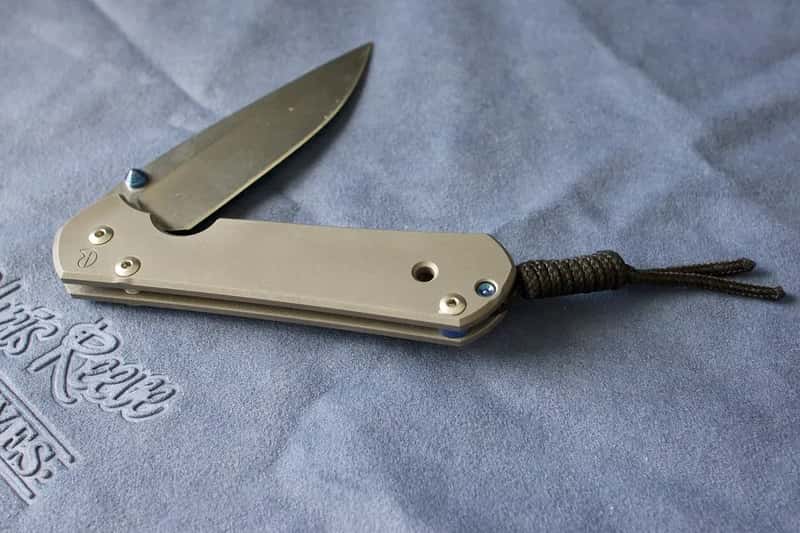
Knives of all kinds are a frequent item people try to get past security. The TSA rule is clear: knives are not allowed in carry-ons but can be packed in checked bags if blades are sheathed or securely wrapped to prevent injury to baggage handlers and inspectors. A lot of people genuinely forget about the pocket knife clipped to their keychain or the Swiss Army knife buried in their travel bag from a camping trip six months ago.
Knives and sharp objects are among the prohibited items that get confiscated most often, and seizures of multi-tools, folding pocket knives, scissors, corkscrews, box cutters, and safety razors are all typical. Tools over a certain length are prohibited as well. There is no gray area here. Leave it in your checked bag or leave it at home.
Passengers often claim they forgot about a knife placed in their carry-on baggage, but other times the sharp objects are so obvious that it seems inconceivable someone could forget. Real examples of actual attempts include kitchen cleavers, machetes, hatchets, throwing stars, and even swords. I know it sounds crazy, but it happens more than you would think.
3. Firearms – A Shockingly Common Mistake
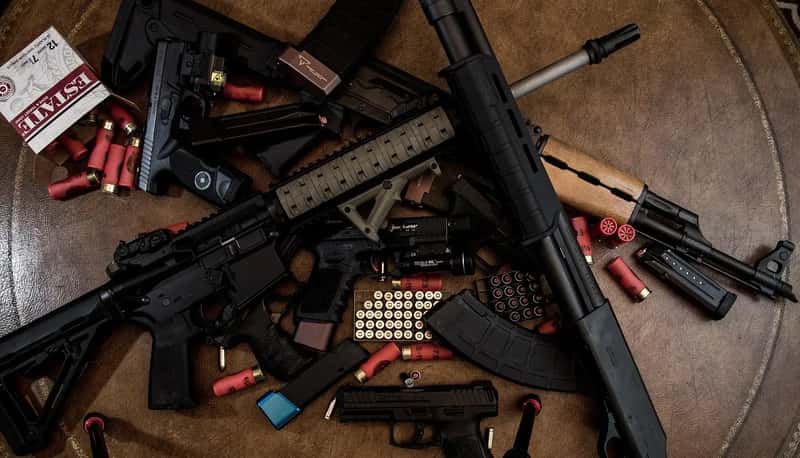
Let’s be real: most people who get caught with a gun at a checkpoint did not plan to bring it. They just forgot to take it out of their bag. That does not make it legal, though. In 2024, TSA officers detected 6,678 firearms at checkpoints at 277 airports nationwide, which marked the first annual decrease other than in 2020, the first year of the COVID pandemic. That is still an enormous number.
Of the guns found in 2024, roughly 94 percent were loaded. Think about that for a moment. Nearly all of them. Even if a traveler has a concealed weapons permit, firearms are not permitted in carry-on luggage. A permit is not a pass through airport security.
In addition to potential criminal citations for bringing a firearm in carry-on luggage, TSA can levy a civil penalty against the traveler of up to $14,950. The factors considered when determining the civil penalty amount include whether the firearm was loaded and whether there was accessible ammunition. Firearms can be transported on a commercial aircraft only if they are unloaded, packed in a locked, hard-sided case, and placed in checked baggage.
4. Lithium Battery Power Banks in Checked Bags – A New and Critical Rule
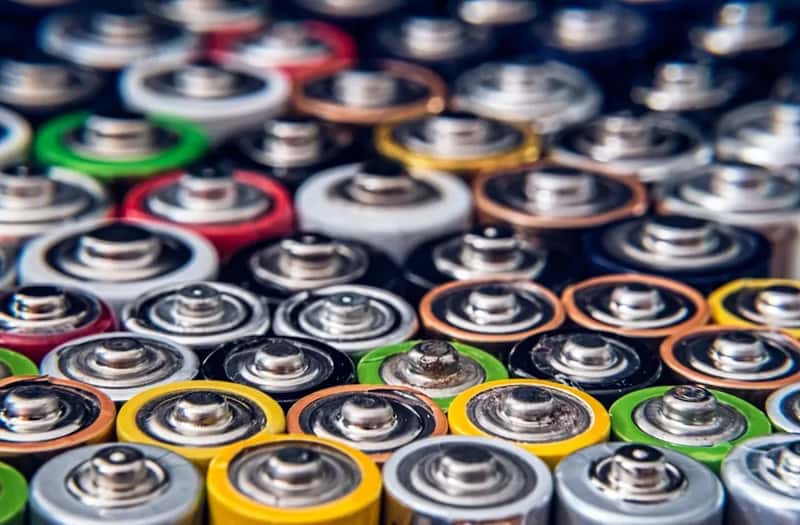
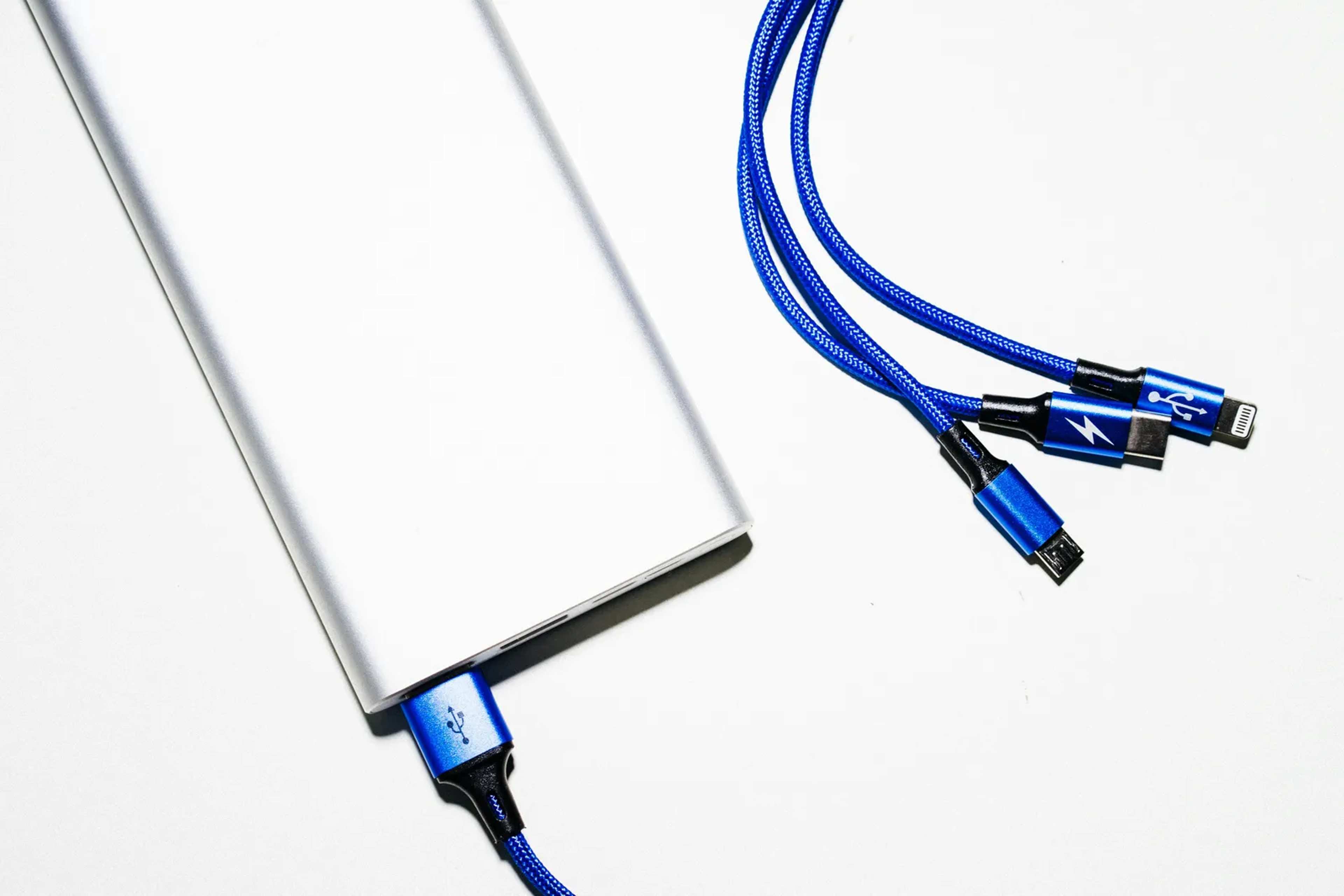
This one catches a lot of travelers off guard because the rule is somewhat counterintuitive. Power banks and portable chargers must go in your carry-on, not your checked luggage. As of March 1, 2025, new TSA rules prohibit passengers from packing portable chargers, power banks, and cellphone battery charging cases that contain lithium-ion batteries in checked luggage.
The reason is actually rooted in real safety science. Loose lithium batteries in checked bags pose a greater fire risk if they are damaged, so they need to be kept in the cabin where the crew can respond quickly in the event of an incident. A fire in the cargo hold is a completely different situation than one in the cabin, where flight attendants can respond immediately.
All lithium-ion batteries are capable of overheating and experiencing a process called thermal runaway. Thermal runaway can occur without warning as a result of various factors, including if the battery is damaged, overheated, exposed to water, overcharged, or improperly protected. It can also occur due to manufacturing defects. Keep your power banks in your carry-on, always.
5. Fireworks and Explosive Replicas – More Common Than You Think
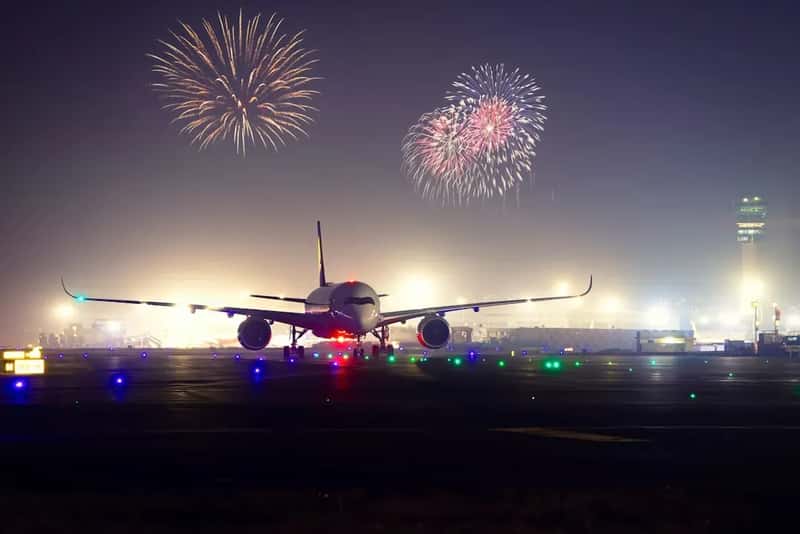
You might assume nobody would try to take fireworks through airport security. You would be wrong. Explosives such as gunpowder, fireworks, flares, and lighter fluid are banned from both carry-on and checked luggage due to their dangerous nature, and these items are occasionally found during security checks despite strict prohibitions. TSA checkpoint reports regularly highlight fireworks confiscations, especially around major holidays.
Gasoline, lighter fluid, camping fuel, fireworks, and other explosives are prohibited in any luggage. Lighters are allowed, one per person, in carry-on without fuel or in an FAA-approved case. Fireworks, however, are expressly banned year-round. And it is not just actual fireworks. Replicas and props that look like explosive devices are equally forbidden.
Anything that resembles an explosive, whether inert, active, or a replica, is never allowed in carry-on or checked baggage. A real-life example from 2024: a replica improvised explosive device was confiscated at El Paso International Airport. TSA confirmed it was found in a passenger’s carry-on bag in April 2024. Leave anything even remotely explosive-shaped at home.
6. Pepper Spray and Mace – A Self-Defense Trap
Many travelers carry pepper spray in their day-to-day life and simply forget to remove it before packing for a flight. The thing is, pepper spray and mace are not allowed in carry-on bags. This applies regardless of the size of the canister, regardless of your personal safety concerns, and regardless of whether you have a permit to carry it in your home state.
You can face penalties for attempting to bring prohibited items like pepper spray through an airport security checkpoint. The TSA has the authority to confiscate the item and may issue civil fines, and the final decision on penalties rests with the TSA officer based on the specific situation. TSA can impose fines that can range from $400 to over $1,500 depending on the severity of the violation.
You may pack one container of up to 4 fluid ounces in checked baggage only if it has a safety cap. Self-defense sprays containing more than 2 percent by mass of tear gas are prohibited even in checked baggage. So if you want to travel with it, check the label, check the bag, and leave it out of your carry-on entirely.
7. Large Sporting Equipment and Club-Sized Tools
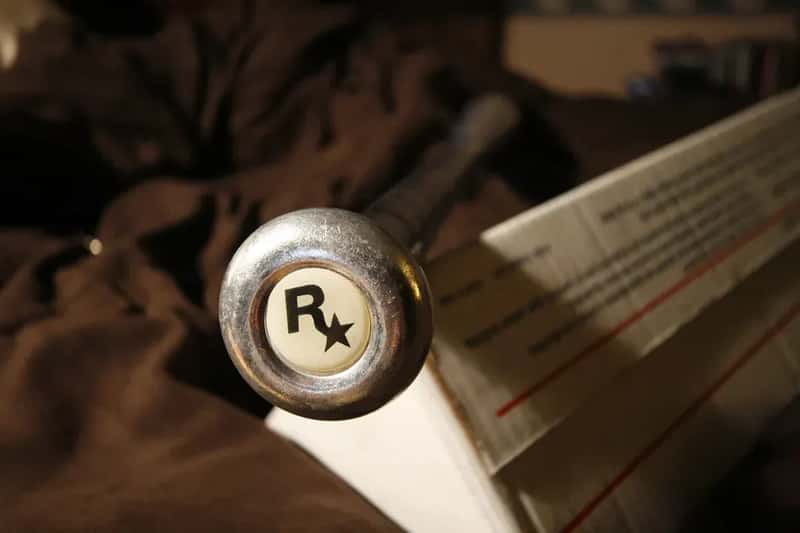
Think of a baseball bat as a metaphor for this whole category. You would not hold it over your shoulder on a crowded plane. Yet people still try to bring sporting equipment and large tools in the cabin, sometimes without even realizing those items cross the line. The most common items that are voluntarily surrendered at airport security checkpoints include oversized liquids, oversized gels, oversized aerosols, knives, and tools larger than seven inches.
Golf clubs, bats, ski poles, and tools like hammers and screwdrivers can be checked, but they must be secured within luggage. Oversized or unusually shaped items may incur extra fees. The cabin is not the place for any of these. They belong in checked baggage, full stop.
TSA officers encounter prohibited items daily at the security checkpoint, and each discovery slows down the security screening process for all travelers. So when you bring a crowbar because you forgot it was in your duffel from a home project, you are not just inconveniencing yourself. You are slowing down every single person in line behind you.
8. Stun Guns, Tasers, and Brass Knuckles

Here is something that surprises a lot of people: personal defense weapons that are not firearms are still very much off the table for carry-on bags. Tasers, stun guns, and brass knuckles are generally banned from carry-on and often from checked luggage. Airports are not the wild west. The cabin of a commercial aircraft is a pressurized, enclosed space, and self-defense weapons have no place in it.
You cannot take pepper spray, mace, stun guns, or tasers in carry-on. Small personal defense items like pocket knives and brass knuckles are similarly prohibited. The TSA’s overarching enforcement authority is no joke either. TSA may impose civil penalties of up to $17,062 per violation per person.
Carrying prohibited items may cause delays for you and other travelers, and they may also lead to fines and sometimes even arrest. It is worth reminding yourself that these rules apply to well-meaning travelers, not just people with bad intentions. Innocent forgetfulness still has consequences at the checkpoint.
9. Flammable Liquids and Hazardous Household Items
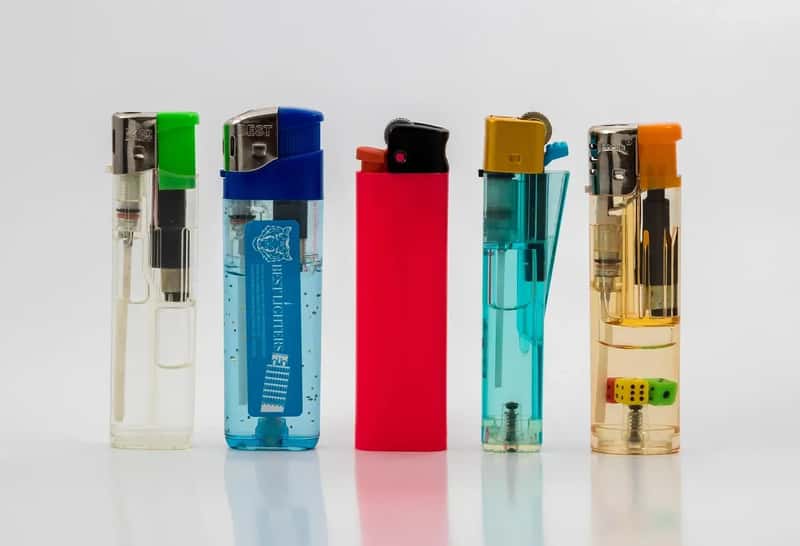
This category is broader than most people realize. It is not just gasoline or lighter fluid. Plenty of everyday household products fall into the “flammable or hazardous” category under TSA and FAA regulations. Everyday household items such as paint solvents, lighter refills, strike-anywhere matches, and self-heating meals are often flagged during baggage checks due to their flammable properties under flight conditions.
Gasoline, lighter fluid, alcohol over 70 percent, paint thinners, and any highly flammable solvents are banned from both carry-on and checked bags. That bottle of high-proof spirits you bought duty-free might even fall into this zone if the alcohol content is high enough. High-proof alcoholic beverages exceeding 140 proof are prohibited from being transported on flights due to their flammability.
The logic behind all of this is straightforward when you think about it. In a pressurized aircraft cabin at cruising altitude, a fire is a catastrophic event. There is no calling the fire department at 35,000 feet. Some items are not allowed to travel on an aircraft because they are considered explosive or hazardous materials. When in doubt, check the TSA’s “What Can I Bring?” tool before you pack, not after.
Conclusion
The rules around carry-on bags are not arbitrary. Every restriction on this list exists because of a genuine safety reason, a documented risk, or a pattern of incidents that authorities decided was unacceptable in the sky. The nation’s 50,000 Transportation Security Administration officers flag thousands of prohibited items a day at more than 430 federalized airports. That is not a small operation. It is a massive, daily effort to keep air travel safe.
The good news is that almost everything on this list has a simple fix: pack it in checked baggage, ship it ahead, or just leave it at home. Before leaving home, remember to check your baggage to ensure you are not carrying any prohibited items to avoid a possible arrest and civil penalties. Ten minutes of pre-flight checking is worth more than the headache of a confiscation or a fine at the checkpoint.
Air travel moves fast, and security lines move faster when everyone does their part. So the next time you pack a carry-on, run through this list one more time. What would you have guessed you could get away with? You might be surprised at how much ends up staying behind.