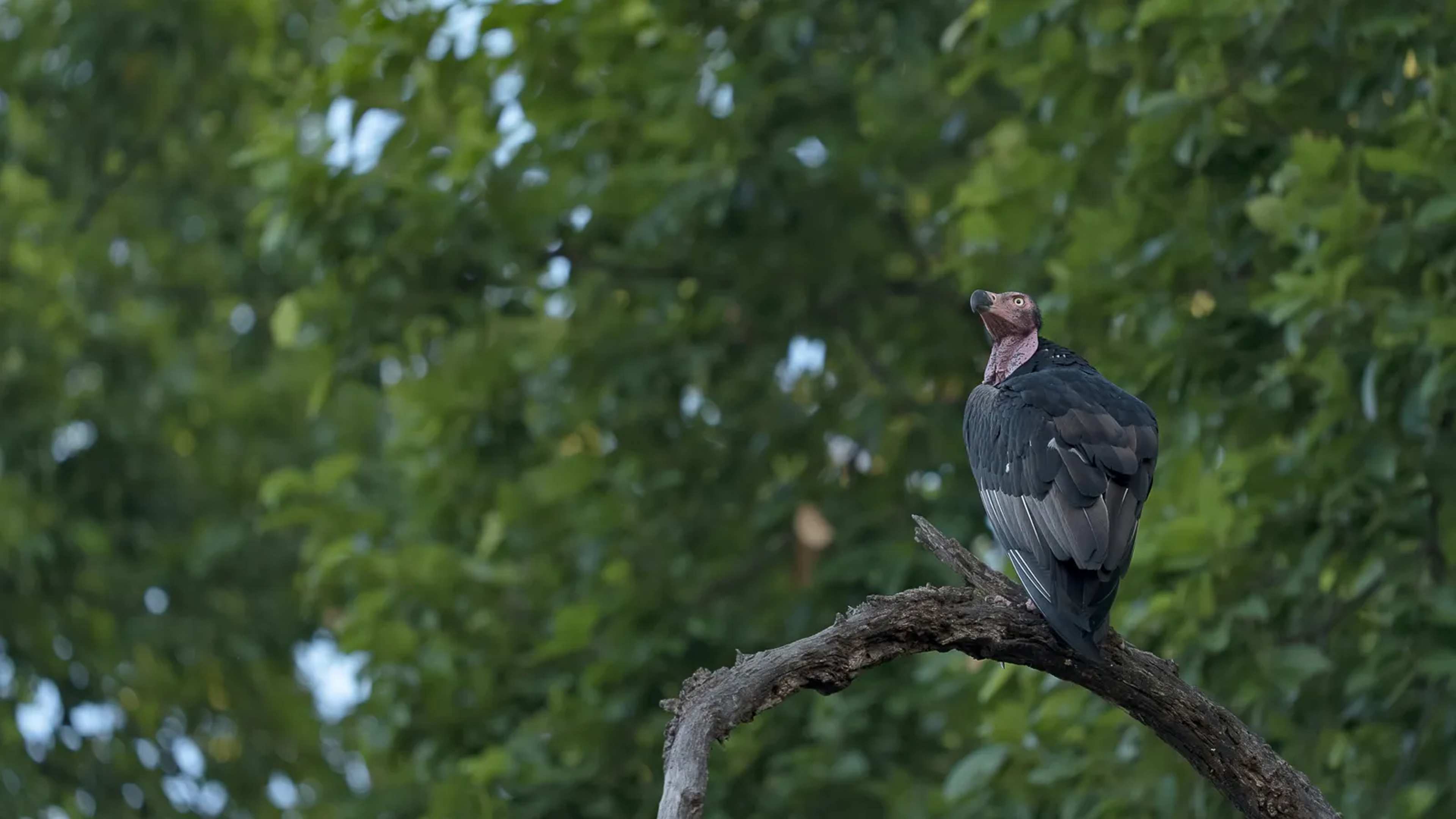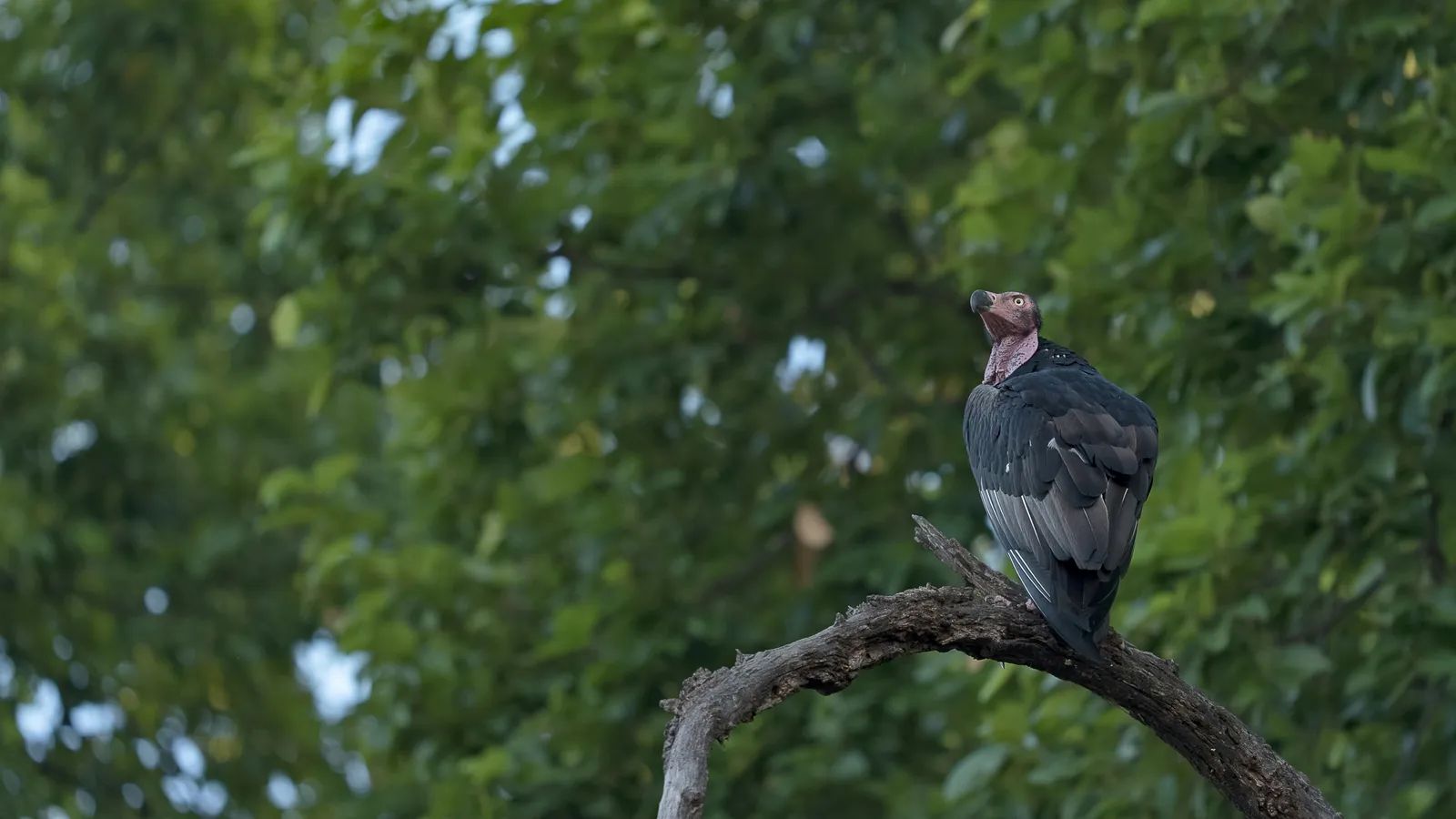
Chad – Conservation groups have begun work on a focused effort to curb the main drivers of vulture losses in the country, where poisoning and demand for body parts have taken a heavy toll on several species. The initiative centers on the endangered Egyptian vulture, which travels long distances from breeding grounds in Europe, North Africa, and Asia to winter in sub-Saharan feeding areas. It forms part of a wider regional response to population drops recorded across Central Africa. The project is led by the nonprofit Sahara Conservation and receives support through the EU-funded LIFE EV Safe Return program.
Habitats Central to the Birds’ Survival
Two key sites in Chad serve as critical stopovers and breeding locations. The Ouadi Rimé–Ouadi Achim Faunal Reserve and Lake Fitri attract Egyptian vultures during their winter months. These same areas also support breeding populations of critically endangered Rüppell’s vultures and endangered lappet-faced vultures. Loss of these sites would affect multiple species at once. The reserve and lake provide reliable food sources in an otherwise harsh environment. Protecting them therefore delivers benefits that extend beyond any single bird.
Scale of the Threats
Vulture numbers in Chad have fallen in line with broader Central African trends. The primary pressures come from illegal killing tied to belief-based practices and from poisoning incidents. In one recent year, three separate poisoning events killed more than 100 Rüppell’s vultures. Several of the carcasses showed signs of decapitation, a clear indicator that the birds were taken for parts rather than accidental exposure. Local investigations traced the intended destination of those parts to markets in neighboring Nigeria and Niger. Demand persists because some communities still view vulture remains as sources of luck or protection against misfortune. The combination of targeted hunting and indiscriminate poisoning creates a rapid downward pressure on already small populations.
Practical Steps in the New Initiative
Sahara Conservation will concentrate resources on reducing both poisoning and direct killing inside the identified reserves. Program officer Cloé Pourchier noted that actions aimed at Egyptian vultures will also help the other species that share the same spaces. The approach includes work with local communities to understand motivations and to develop alternatives that do not involve harming the birds. Timeline expectations center on sustained presence at the sites rather than one-off interventions. Stakeholders include reserve managers, national wildlife authorities, and cross-border partners in Nigeria and Niger who can help disrupt the trade routes. Early emphasis is placed on monitoring and rapid response to new poisoning cases.
Human and Regional Stakes
The decline affects more than the birds themselves. Vultures perform an important ecological service by cleaning carcasses, which limits the spread of disease in remote areas. When populations collapse, that service disappears and communities may face secondary health or livestock issues. The current project therefore carries practical consequences for both wildlife and the people who live alongside it. Continued monitoring will show whether the combined legal, community, and enforcement measures can slow the losses before further species reach critical tipping points.