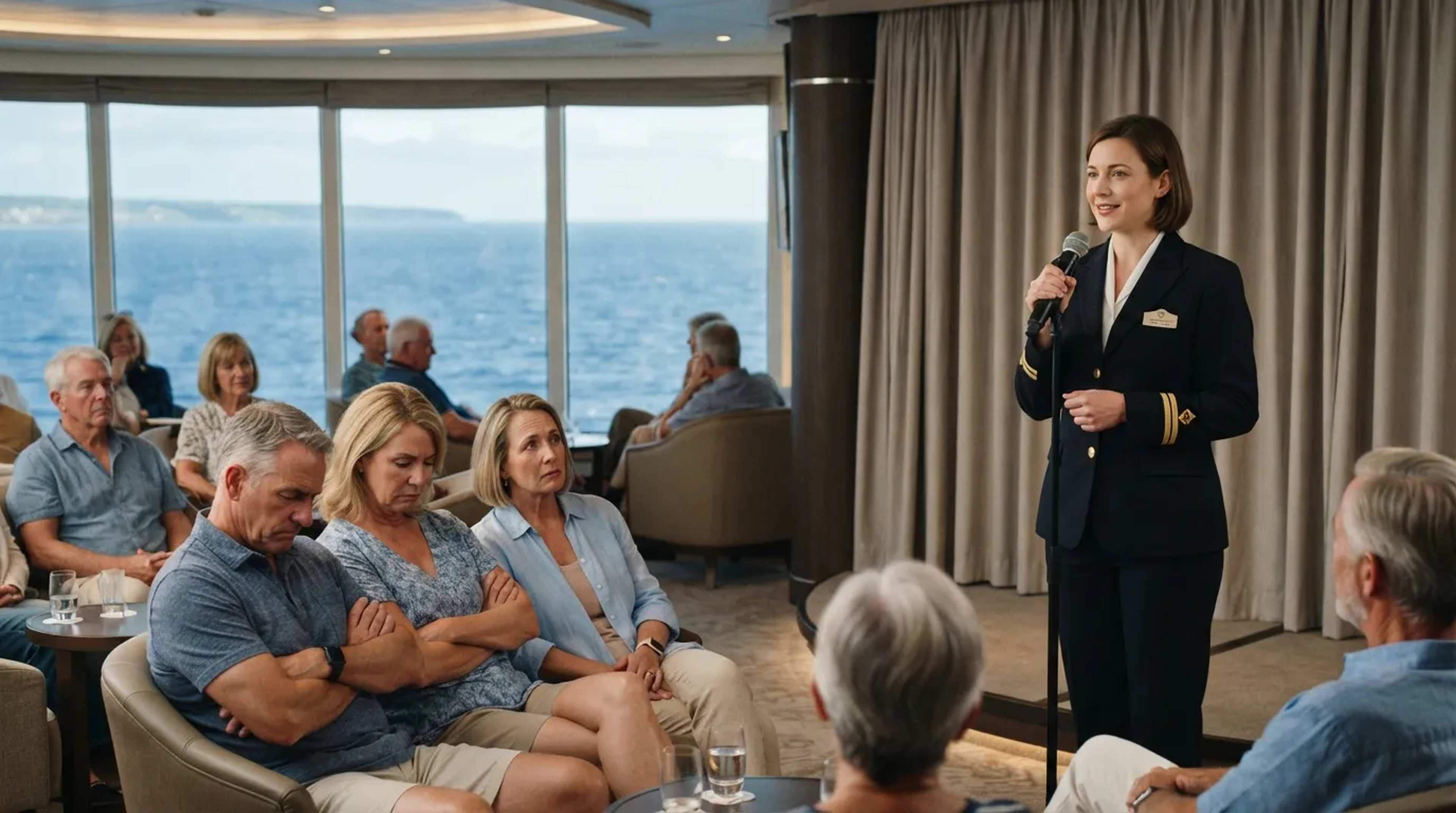
Something interesting is happening in attics, estate sales, and thrift stores around the world. Old travel gear, the kind your grandparents packed for ocean liner crossings and train journeys through Europe, is quietly becoming serious money. The broader vintage and secondhand market has exploded in recent years, and travel-related pieces are riding that wave harder than almost any other category. The global vintage and retro goods market was valued at USD 75 billion in 2024 and is projected to grow at a compound annual growth rate of 10% to reach USD 150 billion by 2032. If you have old travel items tucked away somewhere, now is a very good time to dig them out and take a closer look.
1. Vintage Steamer Trunks and Travel Chests
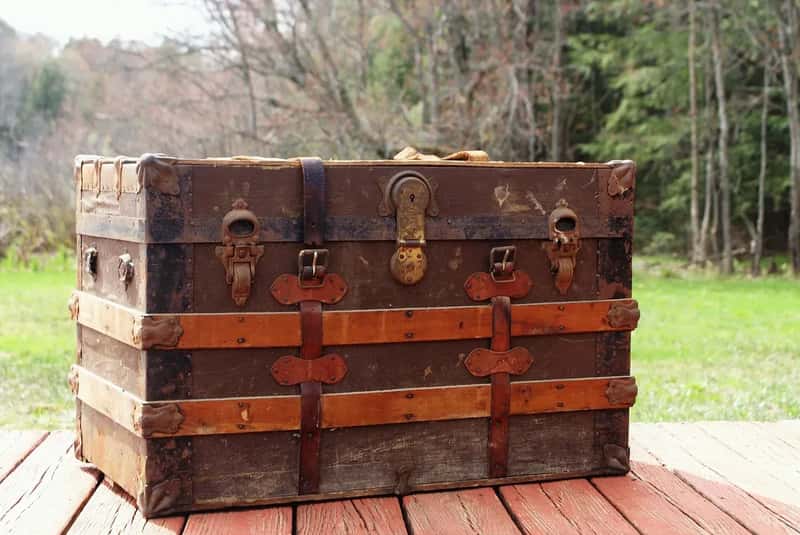
Nothing says golden-age travel quite like a battered, brass-latched steamer trunk. These large, flat-topped luggage pieces were the workhorse of ocean travel from the mid-1800s through the mid-1900s, and they are now among the most aggressively sought-after items in the entire vintage market. The most coveted items at auction in this space are often rare vintage travel trunks, as these pieces possess historical and cultural value that transcends their mere utility, with some trunks fetching considerable sums at auction, far more than a contemporary bag. Condition matters, but provenance and maker carry the most weight.
At the very top of the market, the numbers are genuinely staggering. The top lot in the largest private collection of Louis Vuitton trunks ever offered at auction was an explorer wardrobe model from 1925, selling for $200,000. Even everyday steamer trunk examples from recognized makers hold strong floor values. Antique Louis Vuitton steamer trunks in very good condition carry a fair market value of roughly $6,000 to $8,000 depending on the sales venue and local market. The vintage luggage category as a whole reflects this momentum: the global vintage luggage market was valued at $1.2 billion in 2024 and is forecast to hit $2.4 billion by 2033, growing at a robust compound annual growth rate of 8.2%.
2. Vintage Designer Handbags Originally Made for Travel
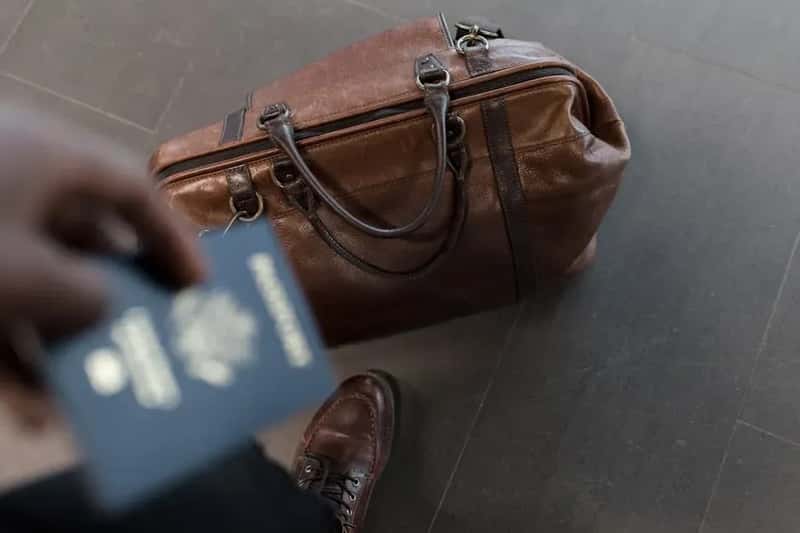
Long before handbags were status symbols carried down city sidewalks, many of the most iconic designs were conceived specifically for travel. The Hermès Kelly, the Louis Vuitton Speedy, and others were built to move through airports and train stations with elegance. Today, Louis Vuitton’s original monogram trunks and travel pieces are some of the most valuable items the brand has ever produced, with collectors often repurposing trunks as home decor while reserving more lightweight vintage travel items for display. The Hermès Kelly bag tells a similar story.
The broader resale market for these travel-origin designer bags has become a mainstream investment category. The global luxury resale market is projected to rise to USD 31.28 billion in 2025 and is expected to reach USD 67.38 billion by 2033, registering a compound annual growth rate of 8.9%. Social media is playing a significant role in who is buying and why. Style-conscious consumers, particularly Millennials and Gen Z, are gravitating toward vintage early-2000s travel pieces like Chloé Paddingtons and Dior Saddles, driven by social media trends and streaming runway mentions. The market is no longer just for seasoned collectors with deep pockets.
3. Vintage Vanity Cases and Train Cases

These compact, hard-sided beauties were once a standard travel companion for women, designed to hold cosmetics, jewelry, and grooming essentials during journeys. For decades they sat forgotten in estate sales for a few dollars. That era is very much over. Vanity cases and briefcases are gaining popularity in the vintage luggage market, especially among female collectors and professionals. Brands like Samsonite, American Tourister, and various luxury European makers produced train cases through the 1950s, 60s, and 70s that now attract enthusiastic bidders on resale platforms worldwide. The appeal is both aesthetic and functional, since many buyers actively use them.
The drivers behind this spike in demand are well-documented. The vintage luggage market has gained significant traction in recent years, propelled by a combination of nostalgia, craftsmanship appreciation, and the rising influence of retro aesthetics, with collectors, design enthusiasts, and mainstream consumers rediscovering the charm and durability of vintage vanity cases and fueling a vibrant secondary market. Online channels have made these items far easier to find and sell. Vintage luggage is sold through online marketplaces, specialty stores, auction houses, antique shops, and flea markets, with online channels now accounting for over 35% of global sales. When a well-preserved branded train case surfaces on a resale platform today, it rarely stays listed for long.
4. Vintage Luggage Sets from Mid-Century American Brands
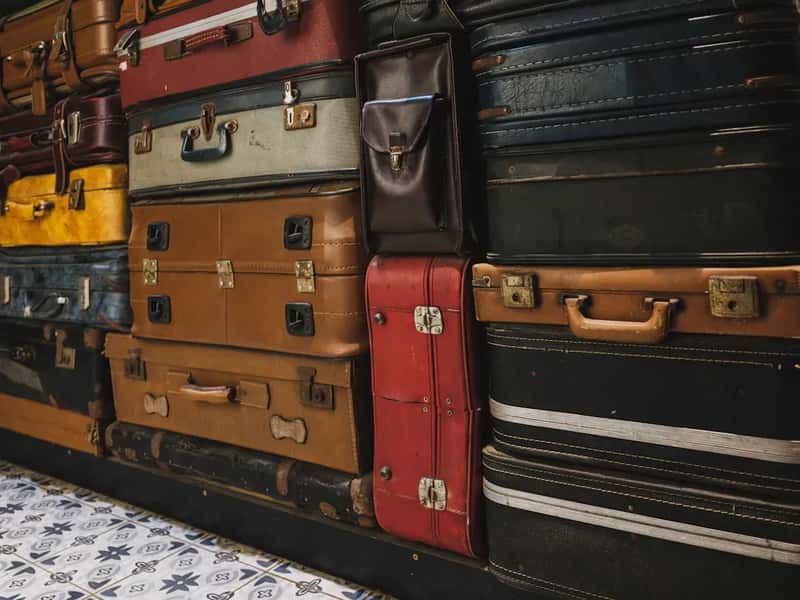
Complete matching luggage sets from the 1950s through the 1970s, especially those from Samsonite, American Tourister, and Hartmann, have emerged as a surprisingly hot resale category. Buyers love a matched set, and complete collections in original colors are increasingly hard to find. Within the vintage luggage market, suitcases and trunks collectively account for over 60% of market revenue in 2024, with suitcases carrying iconic silhouettes and recognizable hardware remaining the most sought-after category among collectors, often commanding premium prices at auction and in specialty stores. Specific mid-century colorways like turquoise, flamingo pink, and burnt orange drive some of the highest prices.
What makes these sets particularly valuable right now is the intersection of several cultural forces at once. Gen Z and Millennials are the primary drivers of the secondhand market, valuing sustainability, uniqueness, and cost-effectiveness, while revivals of past decades such as 90s and Y2K aesthetics have fueled demand for authentic vintage items and accessories. Sustainability is just as important a motivator as nostalgia. The second-hand collectibles market was valued at USD 142.5 billion in 2024 and is projected to reach USD 248.9 billion by 2034, with this rapid expansion fueled by a rising preference for sustainable consumption, heightened awareness of the circular economy, and the growing demand for unique, affordable items that also offer environmental benefits. A complete mid-century luggage set is, for today’s buyer, simultaneously a fashion statement, a sustainability choice, and a genuine collectible investment.