

Diplomatic storms often begin with a few carefully chosen words, yet they can quickly escalate into actions that affect millions of ordinary citizens. The latest tension between China and Japan illustrates this perfectly, as what started with political comments about Taiwan has now reached the point where travel advisories are being issued. This development marks a significant shift in how quickly regional disputes can impact everyday life, from vacation plans to business trips.
China Issues Travel Warning Amid Diplomatic Tension
China has cautioned its citizens against traveling to Japan as tensions rise following remarks by Japanese Prime Minister Sanae Takaichi regarding Taiwan. The advisory marks Beijing’s most significant retaliation so far, signaling its readiness to use economic influence to push geopolitical priorities – a pattern seen in past disputes.
Beijing Cites Security Risks and Airlines Respond
In a statement Friday, China’s Foreign Ministry condemned what it called “blatantly provocative remarks on Taiwan,” arguing they had worsened conditions for people-to-people exchanges and increased security risks for Chinese nationals in Japan. The ministry advised citizens to avoid traveling to Japan temporarily.
Following the announcement, major carriers including Air China, China Eastern, and China Southern offered refunds or free ticket changes for Japan-bound passengers, according to CCTV.
Dispute Intensifies After Takaichi’s Taiwan Comments
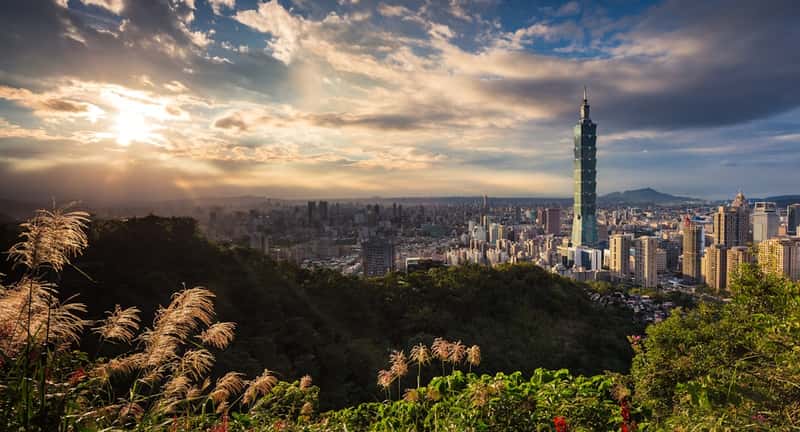
The travel warning is the latest development in a week-long dispute sparked when Takaichi told Japan’s parliament that a Chinese attack on Taiwan would represent “a situation threatening Japan’s survival,” potentially triggering a military response. Beijing, which sees Taiwan as its own territory, reacted sharply, with China’s Defense Ministry warning Japan of a “crushing defeat” if it intervened in the Taiwan Strait.
Tourism Impact and Rising Nationalist Backlash
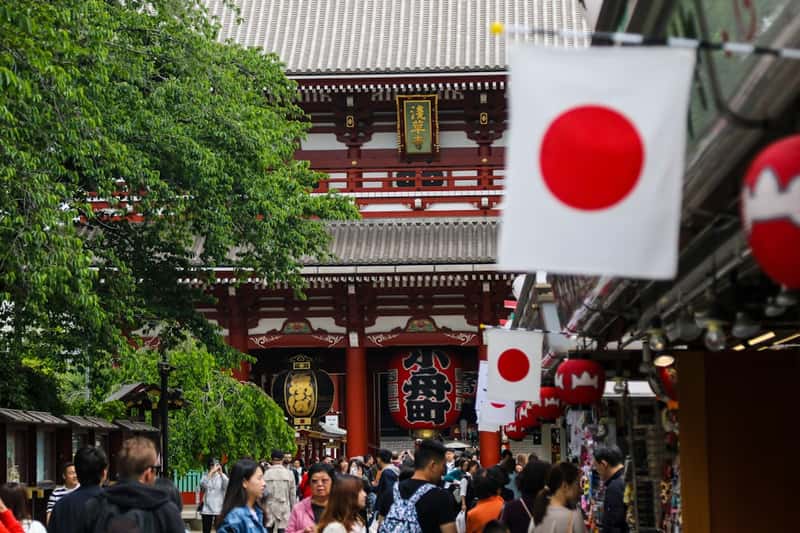
Japan welcomed nearly 7.5 million Chinese travelers between January and September, the largest number from any single country. The advisory comes amid mutual diplomatic protests and an outpouring of nationalist anger in China toward Takaichi.
The dispute also follows a recent meeting between Takaichi and Chinese President Xi Jinping at an international summit, where both sides had vowed to pursue stable ties.
Escalating Rhetoric and Diplomatic Protests
Tensions surged after China’s Consul General in Osaka, Xue Jian, posted a now-deleted comment on X saying, “the dirty neck that sticks itself in must be cut off.” Chinese state media amplified the backlash with sharp commentary, including warnings that Japan would “pay a heavy price” for any military involvement.
Japan summoned China’s ambassador over the remarks, while Beijing summoned Japan’s envoy a day earlier, accusing Takaichi’s statements of damaging the foundation of bilateral relations.
Japan Defends Its Position While Balancing Alliances
Japan’s Foreign Minister Toshimitsu Motegi said there was no need to retract Takaichi’s remarks, emphasizing they were part of a discussion on an “existential crisis situation.” Chief Cabinet Secretary Minoru Kihara reiterated the importance of peace and stability in the Taiwan Strait.
Takaichi later described her comments as hypothetical and promised caution moving forward. As Japan strengthens security ties with the U.S. and accelerates defense efforts, it continues to balance these moves with significant economic ties to China.