China’s coastal mangrove forests spent decades in retreat, which makes a new reversal worth attention. Findings published in The Innovation show that mangrove cover expanded substantially between 1998 and 2020, and that the birds recorded in those forests grew more varied over the same period ([1]). The results arrive as governments and conservation groups look for measurable evidence that coastal restoration can restore wildlife, not just trees.
A steep decline and a deliberate turnaround
The losses were severe. China lost nearly 70% of its mangroves between 1950 and 1990, a period when coastal land was widely converted for other uses. The recovery that followed was largely a matter of policy. Authorities set aside mangrove reserves and restored degraded land, including former aquaculture ponds that had replaced forest.
Weather has also played a role, according to the researchers. Rising temperatures and heavier rainfall have favored mangrove growth, which means the gains cannot be credited to restoration alone. Even so, mangrove cover more than doubled between 1998 and 2020, a rate of recovery that few coastal habitats have matched.
Birds returned, though not evenly
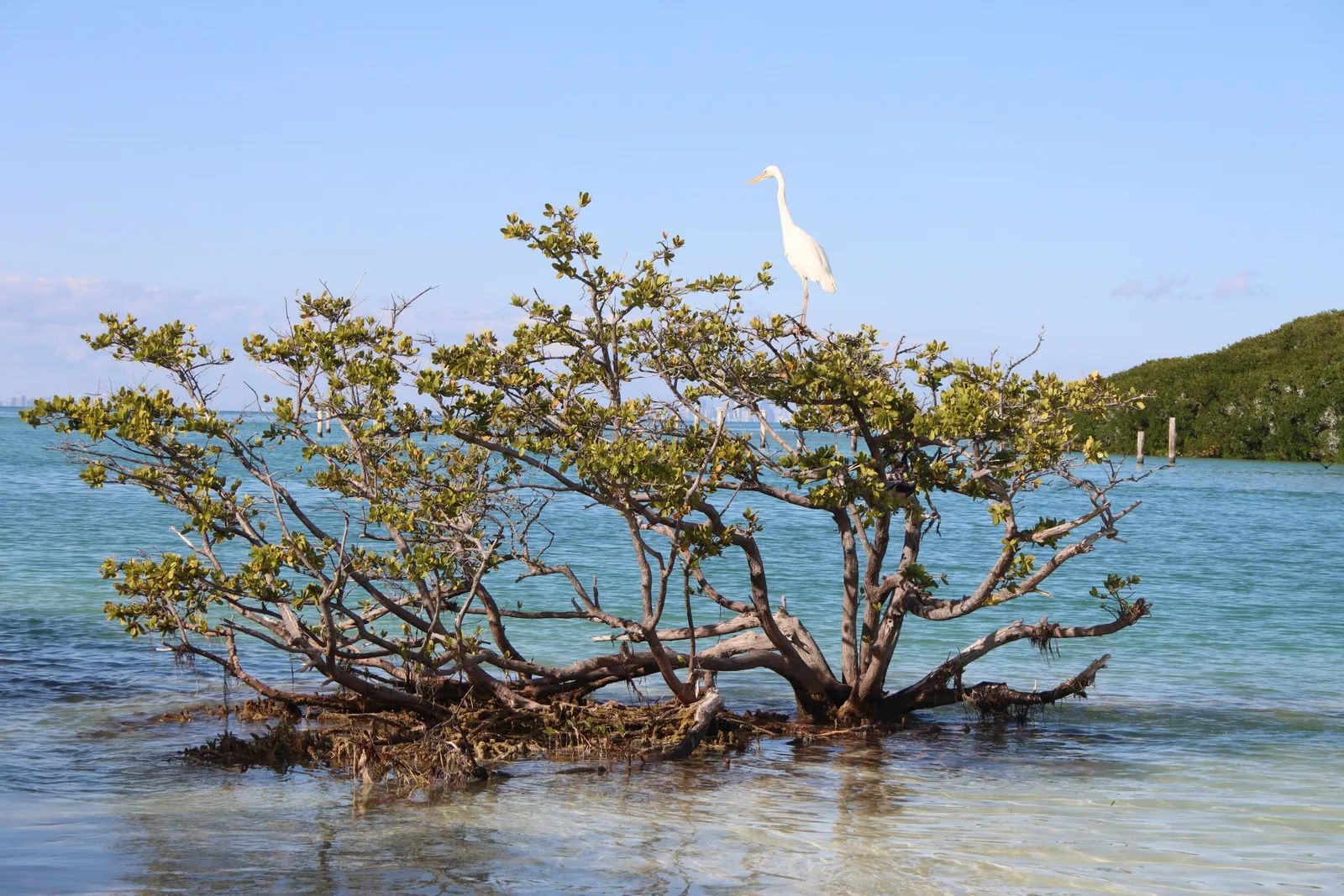
Bird life followed the forest. The number of species recorded in mangrove areas climbed sharply over the study period. Denser canopy gives birds more places to nest and roost, and the expansion may have supported populations of fish and other aquatic organisms that many birds depend on for food.
The count of globally threatened species recorded in these habitats also increased, moving from 11 to 21. These figures describe the mangrove areas the researchers examined. They do not represent a nationwide survey of China’s birds, and they do not show that the recovery is finished.
Not every species stands to benefit. Sandpipers and plovers rely on exposed mudflats and open gaps among the trees to feed. As the forests thicken, those feeding grounds may shrink, and these birds could become less common in areas where they once thrived.
What matters now
Related Stories From Travelbinger


- The gains in China are measurable, but they reflect a mix of protection, restoration and a changing climate.
- Some bird species gain habitat while others that depend on open mudflats may decline.
- Conservation planners will need to balance forest growth with the needs of species that favor open coastline.
A wider pattern beyond China
China is not the only place where mangroves are regaining ground. A study published in Science in June found that the world’s mangroves had been expanding since around 2010, offsetting much of the loss recorded in earlier decades. A separate assessment by Global Mangrove Watch estimated a net gain of about 477 square kilometers, or 184 square miles, between 1985 and 2025.
That global gain is modest, amounting to roughly 0.3% over four decades. Much of the new forest also appeared without deliberate planting, which suggests that natural regrowth can play a larger role than many restoration programs assume. For the birds and fish that depend on these forests, the next decade will show whether the recovery holds and whether it can extend beyond the areas that have so far been protected.