DILI, Timor-Leste – As the annual whale migration reaches its busiest stretch, conservationists say tourist encounters with the world’s largest animals are becoming more aggressive, even though new guidelines are meant to prevent exactly that. The country’s waters sit on a migration route that carries pygmy blue whales past its northern coast each year. Tourism operators have gathered there in growing numbers, and the stakes for both whales and visitors are rising. The original report on the situation is available from Mongabay [1]. ([1])
A boom built on a short migration window
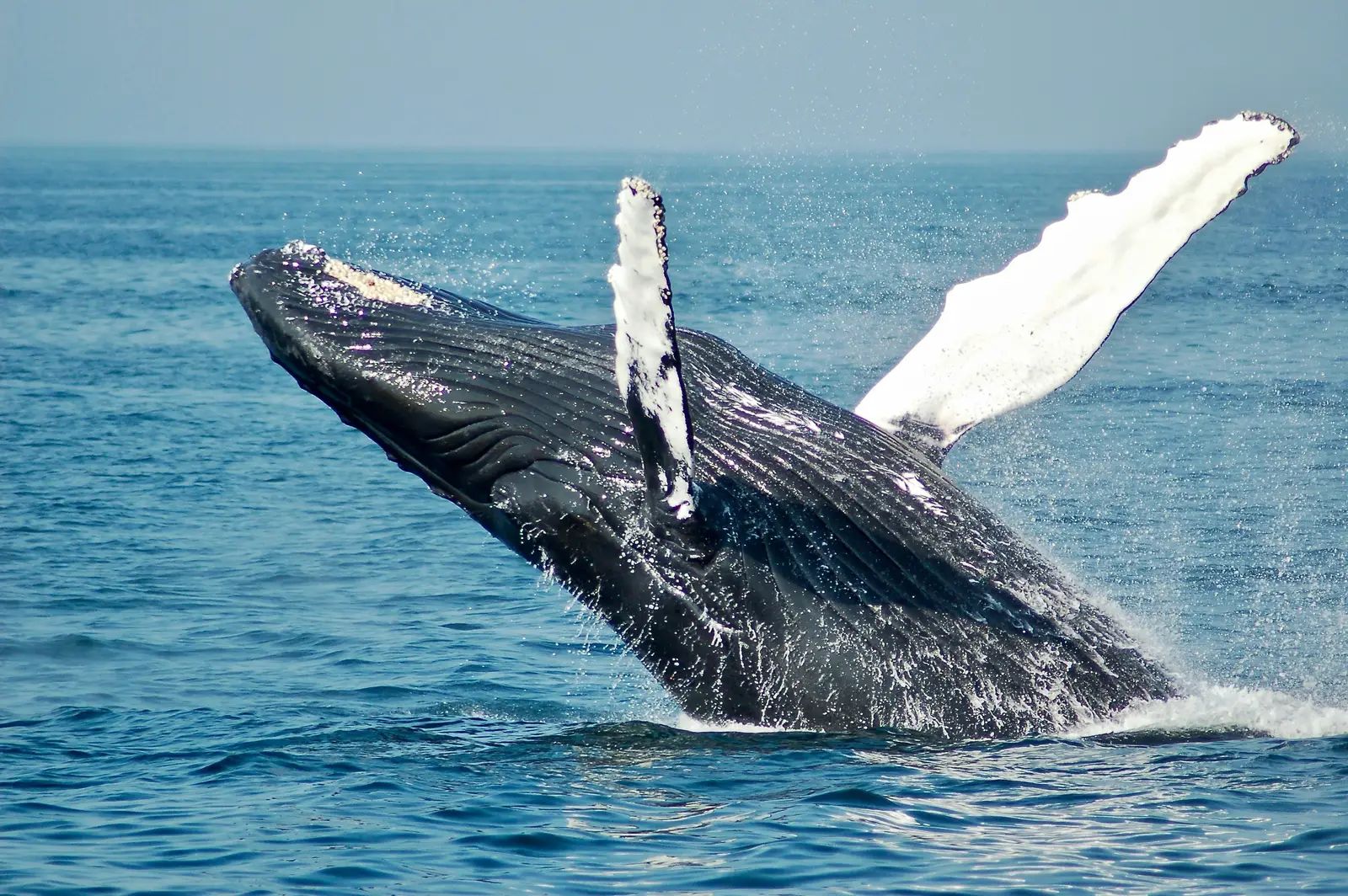
Timor-Leste is often described as a cetacean superhighway, and its pygmy blue whales are the main draw. Tourists pay between $250 and $350 a day for a chance to swim alongside one of the few hundred of these animals that pass through the Ombai-Wetar Strait each year. Those prices have turned a niche excursion into a competitive business.
Industry observers say more operators than ever are on the water this season. The early weeks were harder than expected, because haze from wildfires in neighboring Indonesia made it difficult to spot whale spouts. Once the haze cleared, the number of boats chasing the same narrow window grew quickly.
Fewer whales, more boats
The migration itself has also been unpredictable. By the end of October, fewer whales had passed through the strait than operators expected. Cetacean ecologist Karen Edyvane, who has tracked migrating pygmy blue whales in Timor-Leste’s waters for the past decade, links the delay to El Niño and a positive Indian Ocean Dipole. Both have brought cooler water to the region, which appears to have slowed the animals’ movement.
That shortfall has intensified competition. With fewer whales available and more boats searching for them, operators are under pressure to deliver a close encounter for every paying customer. Edyvane’s observations suggest that the pressure is shaping how boats behave on the water.
Rules already on the books include limits that many tourists may never hear about before they board:
- Only four people may enter the water with a guide at one time, according to a traveler’s account of local practice [2].
- Mothers with calves and feeding whales are supposed to be left alone.
- Boats should not cut whales off from their natural swimming direction.
Where the guidelines fall short
Conservationists say the problems go beyond a few careless skippers. Observers have seen boats crossing directly through whales’ paths, operators chasing mothers with calves, and too many swimmers placed in the water at once. Taken together, these practices suggest that the rules are not yet reliably shaping day-to-day conduct.
Part of the challenge may lie in enforcement. One travel guide published in 2025 noted that guidelines for whale watching and swimming were developed in 2020, and it also described the industry as having almost no government oversight. That account [3] points to a gap between writing rules and policing them at sea. Whether the newly issued guidance changes that balance remains to be seen.
Related Stories From Travelbinger


A wake-up call for responsible travelers
For visitors, the case is a reminder that a close encounter with a whale depends on the animal’s choices as much as the traveler’s. A calm whale may let swimmers approach, but a stressed or pursued animal can quickly move away. Choosing an operator that limits group sizes and respects the animals’ direction and behavior matters as much as the price on the booking.
The pygmy blue whale is one of the largest animals on Earth, and its migration through Timor-Leste is a rare opportunity. Protecting that opportunity will depend on whether the industry’s growth is matched by discipline on the water.