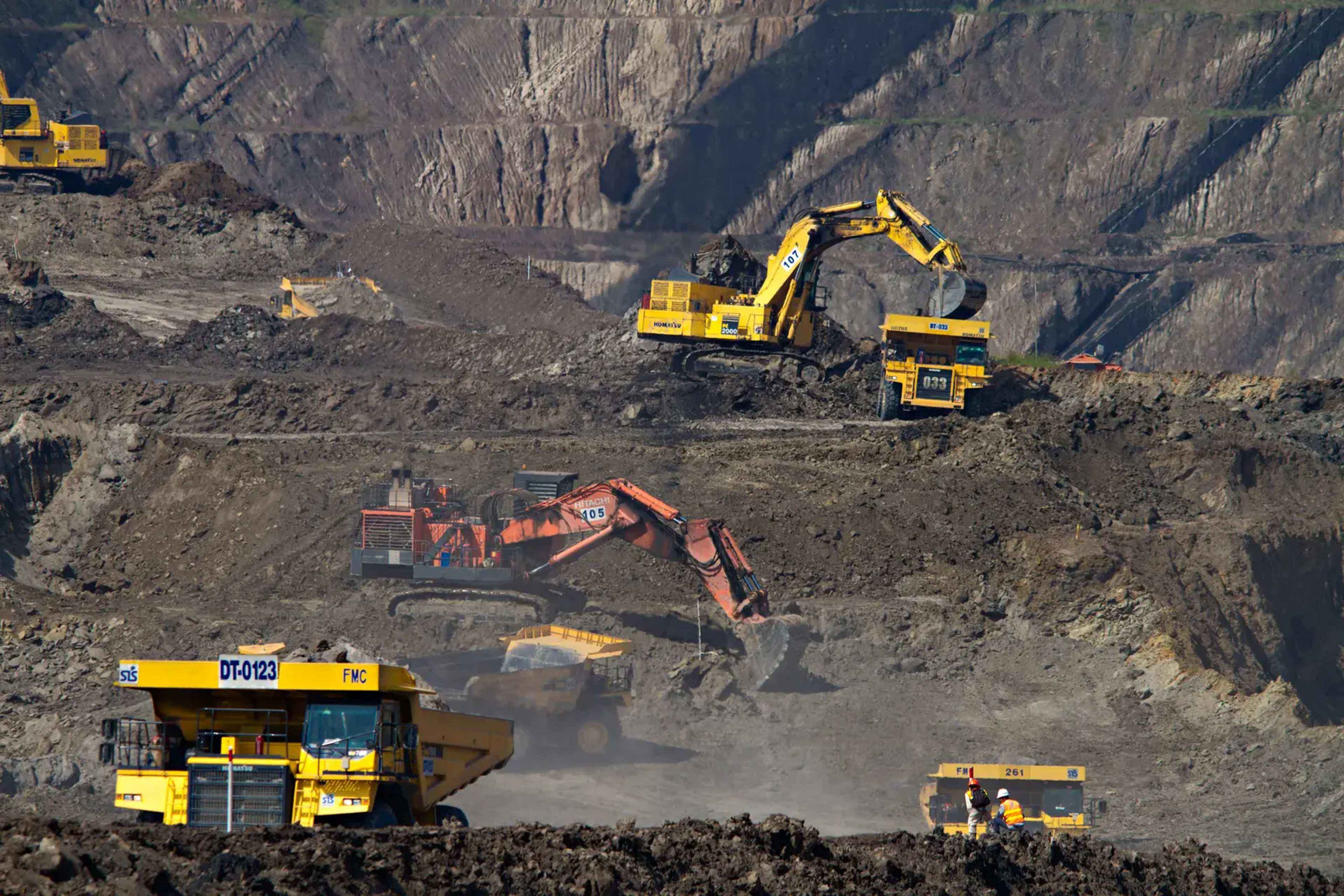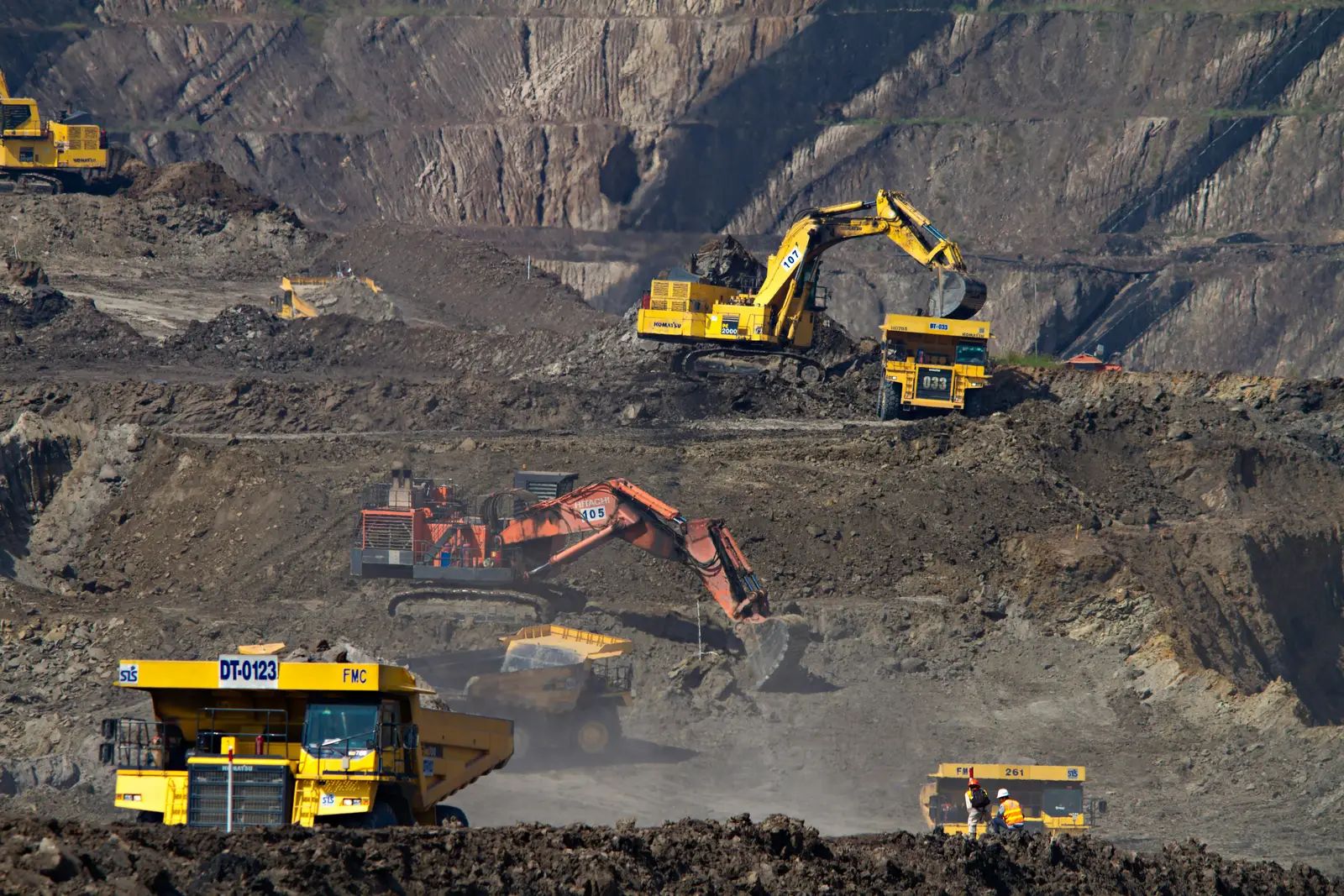
Global demand for metals has driven a fourfold increase in the extraction of ores such as iron and copper over the past half century. That expansion has left behind enormous volumes of toxic tailings, the waste material that contains heavy metals and processing chemicals. A new analysis published in Earth-Science Reviews now shows how rising temperatures, stronger storms, and higher sea levels could mobilize more of that material into marine environments over the coming decades. ([1])
The Scale of Modern Mining Waste
Metal production has grown steadily with population increases, new technologies, and economic expansion. Tailings storage facilities now hold vast quantities of contaminated material near rivers and coastlines. When these facilities fail or erode, pollutants can travel downstream and reach the sea, where they affect water quality, sediments, and marine life. The industry continues to expand, adding to the existing stock of legacy sites that date back decades or centuries.
How Changing Climate Alters the Risks
Warmer conditions can accelerate weathering of exposed waste, while heavier rainfall increases the chance of overflows and landslides. Rising seas and more intense coastal storms can erode tailings piles or breach containment structures that were built for earlier climate patterns. Researchers mapped these overlapping hazards to identify where the combination of active and abandoned mines faces the greatest future pressure. The analysis covers the next century and emphasizes that many sites were never designed for the conditions now projected.
Regions of Highest Concern
Six broad areas stand out because they combine dense mining activity with multiple climate stressors. These zones span North America, South America, Northern Europe, the Mediterranean, East Asia, and Australia. “We isolate six hotspots, but that makes up a large part of the world,” said lead author Adam Sproson of the National Oceanography Centre in the United Kingdom. “There’s quite a lot of coastline to cover.” The findings do not rank individual countries or predict exact spill dates; instead they highlight where monitoring and remediation efforts may need priority.
What Remains Uncertain and What Comes Next
The study relies on current climate projections and existing maps of mining infrastructure, both of which carry their own limitations. Not every tailings facility will fail, and local engineering or regulatory changes could reduce some risks. Still, the authors stress that proactive assessment of vulnerable sites offers the best chance to limit future releases. Coastal communities and marine ecosystems stand to benefit most from earlier intervention, particularly where seafood harvests and tourism depend on clean waters. The research underscores a straightforward connection: the same climate trends already reshaping coastlines can also move long-buried mining pollution into new places. Addressing that link will require coordinated attention to both legacy sites and new developments.