Something has quietly shifted in the American migration story. For years, the narrative was simple: people leave big coastal cities and head for somewhere cheaper. Now, even mid-sized cities that once seemed like safe, sensible alternatives are losing residents at a startling pace. The cost of living in the U.S. has climbed sharply in recent years, rising approximately 23.7% from February 2020 to September 2024, driven by inflation and rising costs for essentials like housing, food, healthcare, insurance, and transportation. The result is a reshuffled map of American mobility, where some mid-sized cities are winning big and others are being quietly abandoned. Here are five mid-sized cities that are bleeding residents right now – and the hard data behind why.
1. Rochester, New York: Upstate Trapped in a High-Tax State
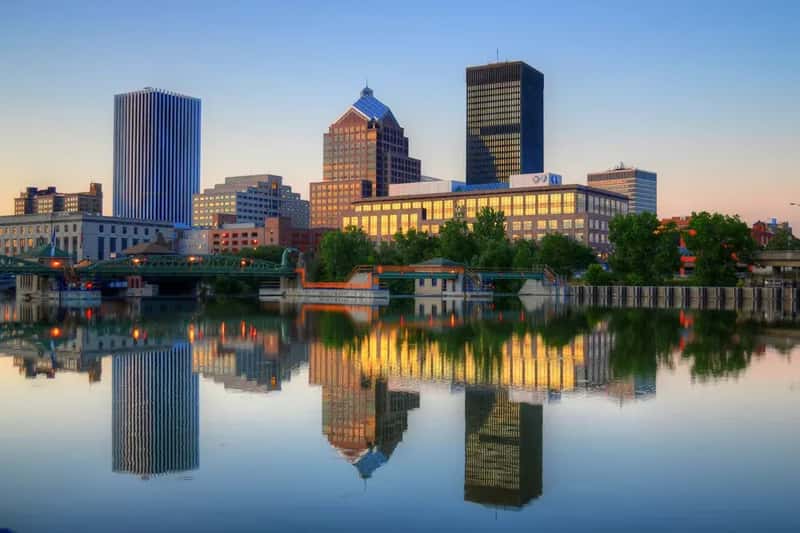
Rochester, New York has the awkward distinction of being genuinely affordable on the surface while being dragged down by the cost burden of the state it sits in. In 2025, Rochester’s cost of living index sits at approximately 89.5, meaning it’s about 10.5% lower than the U.S. national average. Housing prices are modest compared to coastal cities, with the median home price sitting around $215,000 as of early 2025, well below the national median of over $400,000. That sounds like a deal – until you factor in what surrounds it.
The larger problem is the state of New York itself, which continues to hemorrhage residents. Data released from the U.S. Census Bureau showed that in 2024, about 415,449 people left New York and only 285,304 moved in. United Van Lines reported that 58% of all New York moves were outbound, ranking New York as the second-most-moved-away-from state in 2025. Rochester now tops moveBuddha’s 2025 exodus list with a move in-to-out ratio of just 0.45, meaning far more people are packing up and leaving than arriving. High property taxes, brutal winters, and a sense of limited economic momentum have made it very hard to keep working-age residents anchored to Upstate New York.
2. Milwaukee, Wisconsin: Population Erosion That Won’t Stop

Milwaukee is a city with a real identity and a genuine cultural scene, but the numbers tell a stubborn story. The population of Milwaukee stands at about 556,000 this year, nearly 17,000 fewer than in 2020. Most of the loss came in the years following the pandemic, and it has not stopped – more than 2,200 residents left between mid-2022 and mid-2023 alone. The city sits in Illinois’ shadow economically, and its struggles are compounding year after year.
The issue isn’t primarily housing costs – Milwaukee remains relatively affordable. The deeper problem is stagnant wage growth, concentrated poverty, and a regional economy that has not kept pace with the cities that are drawing migration inflows. In the Midwest and Plains, cities like Wichita and Dayton struggle to retain residents despite low costs, signaling that affordability alone no longer guarantees an inflow – and Milwaukee fits exactly that profile. Illinois, Michigan, and other Great Lakes states have made the top outbound states repeatedly since 2022, and the Midwest corridor as a whole is watching working-age residents drift south in search of stronger job markets and warmer climates.
3. Colorado Springs, Colorado: The Mountain Dream Gone Expensive
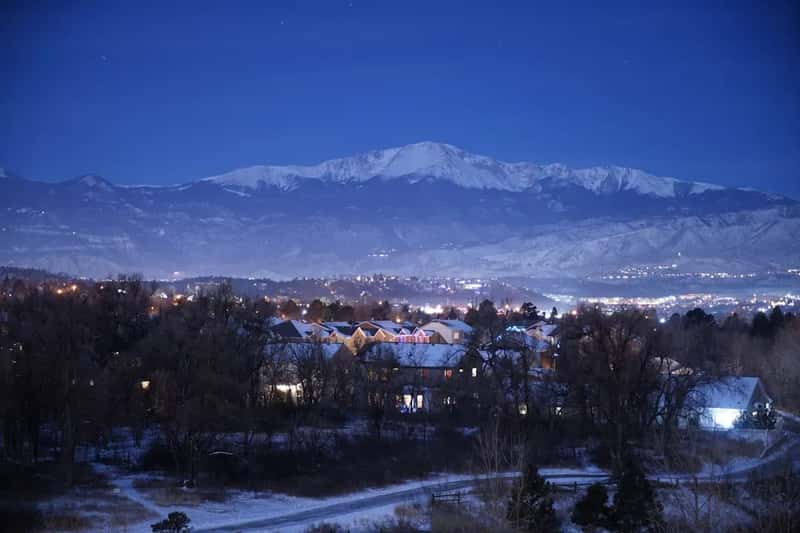
Colorado Springs had a moment. For years it was the affordable alternative to Denver, drawing military families, outdoor enthusiasts, and remote workers who wanted mountain access without the Denver price tag. That window has largely closed. According to United Van Lines, 2025 is the first year Colorado has been listed as a high outbound state since 1990, and it now ranks fifth in the country for its share of outbound moves. Colorado Springs specifically tells a stark story – Denver and Colorado Springs are both sitting at 57% outbound, higher than the state average.
The cause is a familiar one: housing costs that grew much faster than incomes. Colorado’s population growth has declined by nearly 53% in the past 10 years according to a report from the Common Sense Institute, measuring the difference between people moving in and people leaving. Nearly 40,000 fewer people moved to Colorado in 2025 than in previous years. The report links the drop in migration to slowing economic growth and suggests it could be due to “rising housing costs and reduced affordability.” Colorado Springs once played the role of the sensible choice; now it’s part of the statewide exodus problem, with a dramatic decrease of nearly 29% in migration into the Colorado Springs area over the past decade.
4. Sacramento, California: California’s Last “Affordable” City Hits a Wall
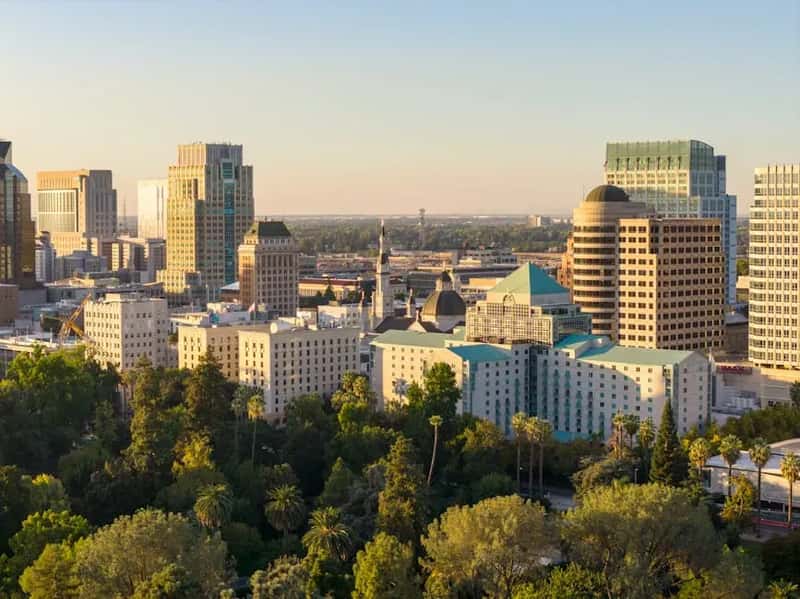
For years, Sacramento was where Californians moved when they finally gave up on the Bay Area or Los Angeles. It was cheaper, calmer, and still close enough to the state’s economic engine. That safety valve has started to fail. California’s affordability crunch continues in 2025, with Sacramento and Los Angeles among the top ten exit markets in the country. California lost 239,575 residents in 2024 – the largest outmigration of any state – with Sacramento functioning as part of a broader multi-stage relocation chain rather than a final destination.
The statewide pressures are simply too powerful for Sacramento to escape. Cost of living drives California departures broadly, with housing expenses often double the national average and a statewide median home price of $809,227. California carries the nation’s highest state income tax rate at 12.3 percent, while slow job growth and hundreds of businesses relocating headquarters since 2018 create significant economic concerns. People who once fled to Sacramento from more expensive California metros are now skipping the in-state move entirely and heading out of state. California became the top outbound state in 2025, with New Jersey a close second, and Sacramento is firmly caught in that current.
5. Albany, New York: Government Town Losing Its Anchor

Albany has long relied on state government employment as its economic backbone, but that foundation is showing serious cracks. Many people who work and live in the Washington, D.C. area – and similarly government-dependent cities like Albany – are being forced to flee to more affordable areas as mass layoffs and workforce restructuring hit public-sector jobs. Albany’s situation mirrors this pattern strikingly well, with the city sitting inside a state that is hemorrhaging residents at one of the fastest rates in the nation. Albany ranks second on moveBuddha’s 2025 outbound list with a move in-to-out ratio of just 0.46, making it one of the most departure-heavy cities in the entire country relative to its size.
The irony of Albany is that its raw housing numbers don’t look catastrophic. But the primary drivers pushing people out include soaring housing costs relative to income, elevated transportation expenses, and rising food prices – all compounded by New York State’s notoriously high tax burden. New York State continued to lose more residents than it gained through 2025, driven by high costs, retirement, and a desire to be closer to family. For state workers who no longer feel economically secure and younger residents who see limited private-sector growth, Florida and the Carolinas beckon loudly. The cities losing people tend to offer a combination of high costs, limited growth, and fading opportunity – and Albany, at this particular moment in its history, checks all three of those boxes.