Ask ten retirees which Central American country is cheaper and you might get ten different answers, mostly based on where they happened to live rather than what the numbers actually show. Costa Rica and Panama sit side by side on the map and share a similar sales pitch: warm weather, friendly retirement visas, and a lower cost of living than the United States or Canada. But the real financial picture only shows up once you compare rent, groceries, healthcare, and taxes line by line, which is exactly what this breakdown does.
Rent and housing costs

Housing is usually the first place retirees notice a difference, and the data leans toward Panama. Average monthly rent runs around $336 in Costa Rica versus $452 in Panama, though that figure shifts a lot depending on neighborhood and whether you want a coastal view or a mountain retreat. Panama’s overall Rent Index sits meaningfully below Costa Rica’s, with a Rent Index of 60.0 in Costa Rica compared to 48.1 in Panama, using New York City as the 100 baseline.
In practical terms, a furnished one-bedroom in a good Panama City neighborhood runs $800 to $1,200 a month, while Boquete and other highland towns tend to price lower. Costa Rica’s Central Valley and Guanacaste region offer comparable two-bedroom units for $800 to $2,000 a month, so the spread in both countries really comes down to location rather than the country itself. Beachfront and capital-city living cost more everywhere, no surprise there.
Groceries and everyday essentials

Grocery bills tell a similar story, with Panama generally coming in lighter. Food shopping is described as around 20% cheaper in Panama than in Costa Rica, a gap that shows up quickly once you’re buying produce, meat, and pantry staples every week. Costa Rica imports more processed goods and specialty items, which nudges prices upward compared to Panama’s more dollarized supply chain.
That said, local markets in both countries narrow the gap considerably. Shopping at Costa Rican ferias (farmers markets) instead of supermarkets can bring produce costs down close to Panama’s levels, and the same applies to Panama’s smaller regional mercados versus its pricier supermarket chains. For retirees willing to shop like locals rather than tourists, the difference on paper often shrinks in daily practice.
Dining out and daily lifestyle costs

Eating out is one of the more noticeable cost gaps between the two countries. Restaurant pricing runs roughly 20% more affordable in Panama, based on a Restaurant Index of 65 for Costa Rica versus 52 for Panama. That difference adds up for retirees who enjoy dining out several times a week rather than cooking every meal at home.
Panama’s Pensionado program sweetens this further with legally mandated discounts. Retiree cardholders receive benefits including 50% off entertainment, 25% off airline tickets, and up to 50% off hotels from Monday to Thursday, plus reduced restaurant pricing under the same law. Costa Rica doesn’t offer a comparable nationwide discount structure for its Pensionado holders, which is a real point in Panama’s favor for anyone counting pennies on entertainment and travel.
Healthcare costs and quality

Healthcare is where Costa Rica pulls ahead, at least on the public side. The country’s CAJA system is ranked in the global top 30 for healthcare quality, ahead of the USA, Canada, UK, and Portugal, and legal residents can access it for $75 to $150 a month in contributions. That’s a strong deal for comprehensive public coverage, even with occasional wait times for non-urgent procedures.
Panama’s public system is more basic, but its private hospitals in the capital are genuinely excellent. Private care in Panama City runs 40 to 70% less than U.S. prices, and private insurance for a couple typically costs $150 to $350 a month. The tradeoff is geography: outside Panama City, healthcare quality drops off, and retirees in beach towns often need to travel to the capital for serious medical needs.
Retirement visa requirements and costs

This is one area where the two countries are nearly identical on paper. Panama’s Pensionado Visa requires a verifiable minimum monthly income of US$1,000 from a government program or private corporation, while Costa Rica’s Pensionado category asks for a lifetime pension from abroad with a minimum monthly amount of USD 1,000. Both accept Social Security, military pensions, and qualifying private retirement funds as valid income sources.
Where they diverge is in the extras. Panama’s version comes bundled with Law 6 of 1987, which gives Pensionados some of the world’s strongest legally mandated discounts on everything from medicine to airline tickets. Costa Rica’s Pensionado status grants access to public healthcare and tax perks but skips the broad consumer discount system that makes Panama’s program famous among retiree circles.
Taxes on foreign income

Both countries use territorial taxation, which is good news for anyone living on a foreign pension. Both Panama and Costa Rica only tax income sourced within their borders, meaning Social Security, 401(k) withdrawals, and foreign pensions generally stay untaxed locally in either country. This is a meaningful advantage over destinations that tax worldwide income.
Panama’s Pensionado holders get an added layer of certainty here, since Panama generally does not tax foreign-source income such as US Social Security, 401(k), or IRA distributions, though Panama-source rental income can still be taxed. Costa Rica’s current framework similarly exempts pensionado applicants from local tax on foreign pension income, part of a package of incentives valid through June 2026, including tax-free importation of household goods and exemption from Costa Rican income tax on foreign pension income.
Transportation and utilities

Panama’s infrastructure edge shows up in transportation costs and reliability. Panama City runs on a reliable metro system and high-speed internet, and retirees there report faster average connectivity, with Panama clocking faster average internet at 186 Mbps compared to typical Costa Rican speeds. That matters more than it sounds for retirees who video call grandkids or manage finances online.
Utility costs run fairly close between the two countries, though Panama’s Pensionado discounts shave a bit more off monthly bills. Costa Rica’s more mountainous terrain and rural road networks mean getting around outside the Central Valley can involve longer drive times, which indirectly adds to fuel and vehicle maintenance costs for retirees settled outside San José.
Overall monthly budget comparison

When you add it all up, Panama comes out ahead numerically. Multiple cost-of-living trackers put Panama roughly 20% cheaper than Costa Rica overall, with a cost of living index of 51 versus 64 on a New York City baseline of 100. In dollar terms, that means a $3,000 monthly budget in Costa Rica carries roughly the same purchasing power as $2,407 a month in Panama.
For a comfortable single-person or couple’s lifestyle, ranges from multiple sources land in similar territory. Panama retirees typically budget $1,800 to $2,500 a month for a comfortable lifestyle, compared with Costa Rica’s slightly higher $2,000 to $2,800 range. Neither figure is exact for every retiree, but the consistent pattern across sources is that Panama edges out Costa Rica by a modest but real margin.
Climate, safety and lifestyle factors that affect cost
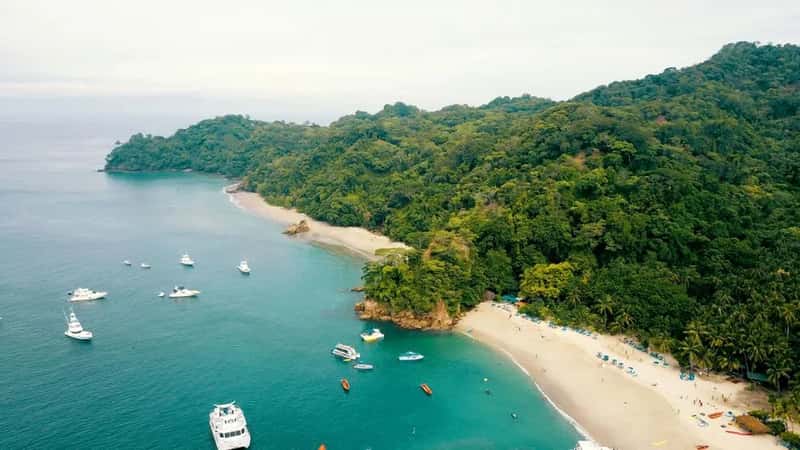
Money isn’t the whole story, and some lifestyle factors indirectly affect what retirees end up spending. Costa Rica scores as the safest country in Latin America on the 2026 Global Peace Index, a factor that can lower spending on private security, gated communities, or comprehensive insurance. The country’s biodiversity and eco-tourism culture also mean retirees often spend less on manufactured entertainment since the natural surroundings do a lot of the work.
Panama’s tropical climate runs consistently warm, with coastal areas sitting between 75°F and 90°F year-round, while highland towns like Boquete stay closer to 60–75°F. That climate consistency can reduce costs tied to seasonal wardrobe changes or heating and cooling swings, something Costa Rica’s more varied microclimates don’t offer to the same degree. Both countries carry a U.S. State Department advisory of increased caution, a routine designation rather than a red flag, per guidance that currently advises exercising increased caution in Panama and Costa Rica.