Washington’s Olympic Peninsula offers black-tailed deer rich forests and meadows where food is plentiful and family groups remain close. Yet the same landscape supports their main predators, including cougars, which shape how the deer move and when they venture near roads. A recent study published in Current Biology shows that this predator influence produces a measurable side effect: fewer collisions between vehicles and deer.
Predators Reshape Deer Habits Near Roads
Cougars, also known as mountain lions or pumas, rank as the primary threat to these deer. Their silent approach and preference for deer as prey force the animals to adjust travel routes, feeding times, and resting spots to lower encounter risks. The study indicates that deer respond by steering clear of areas where cougar activity is higher, which often includes zones close to highways and smaller roads. This behavioral shift does not require direct chases along pavement. Instead, the mere presence of cougars alters the broader pattern of deer movement across the peninsula. Researchers tracked how prey species weigh the trade-off between accessing resources and avoiding danger, resulting in reduced time spent in high-traffic corridors. The outcome appears in collision data that shows marked declines where cougar populations remain stable.
Clear Reduction in Crash Rates
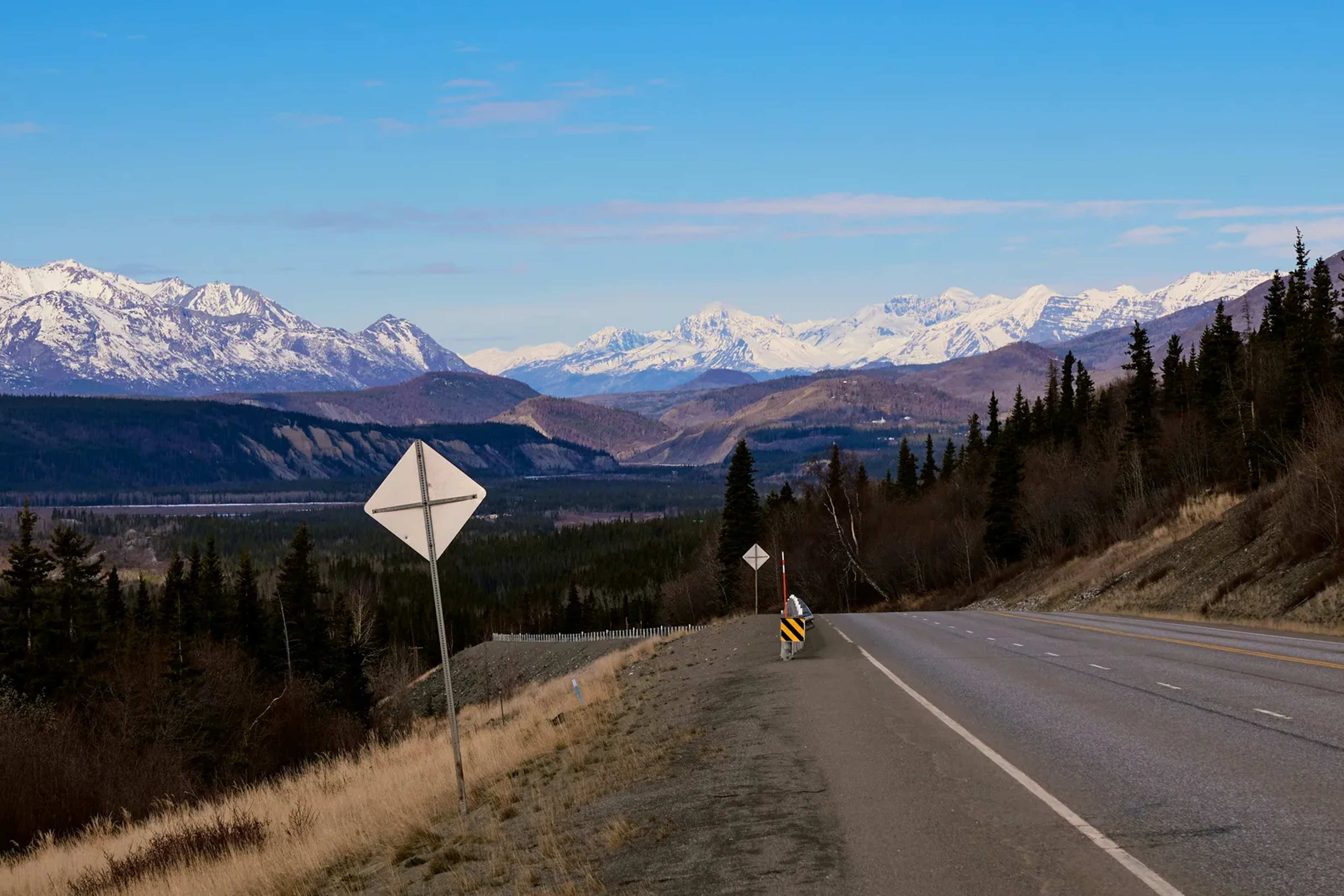
The findings point to reductions in vehicle-deer collisions reaching as high as 76 percent in areas with active cougar presence. Such figures stand out because they link an ecological process directly to human safety metrics without any intentional management of traffic or wildlife corridors. Drivers on the Olympic Peninsula and similar forested regions benefit from this natural dynamic even though the cats never patrol roadways. The effect stems from long-term landscape use rather than short-term scares. Deer learn and pass along knowledge of risky zones, leading to sustained avoidance that compounds over seasons. This pattern holds particular relevance for rural and semi-rural routes where black-tailed deer populations overlap with increasing vehicle traffic from residents and visitors.
The National Toll of Deer-Vehicle Incidents
Across the United States, deer-related crashes occur between 1.6 million and 2.1 million times each year. Those incidents result in 200 to 440 human fatalities annually and generate roughly $10 billion in combined costs from vehicle damage, medical care, and lost productivity, according to figures referenced in a 2025 analysis. Most events happen at dawn or dusk when deer activity peaks and visibility drops. The Olympic Peninsula study offers one localized illustration of how top predators can influence these statistics. While cougars do not eliminate the risk everywhere, their role in modifying prey distribution provides a concrete example of indirect benefits that extend beyond traditional conservation goals. Other predators such as wolves and black bears contribute to the overall pressure on deer, yet the research highlights cougars as especially effective at steering animals away from linear features like roads.
What Matters Now
- Stable cougar populations can support lower collision rates without additional infrastructure spending.
- Deer adjust movement patterns based on perceived risk rather than physical barriers.
- The same habitat features that sustain predators also serve growing numbers of road users in the Pacific Northwest.
Looking Ahead for Roads and Wildlife
Conservation decisions that maintain predator-prey balances may carry secondary advantages for public safety that receive less attention in standard planning. The Current Biology research underscores how ecological relationships operate across scales, from individual deer decisions to aggregate crash reductions. Continued monitoring will clarify whether similar patterns appear in other regions where cougars and deer share space with expanding road networks. The study ultimately illustrates a quiet alignment between wildlife dynamics and driver safety. Where large cats remain part of the ecosystem, their influence on prey behavior can ease pressure on one of the more persistent sources of rural highway incidents.