You might think Americans can travel anywhere and feel right at home. The truth is quite different, honestly. Recent data from 2024 and 2025 paints a troubling picture for U.S. travelers heading abroad.
Seven out of ten surveyed travelers said Americans will be perceived more negatively and less welcome when traveling abroad. That’s not just a feeling. It’s reflected in real travel patterns. Let’s be real, this is about more than just loud tourists in cafes. Political tensions, policy shifts, and changing global perceptions have created an environment where American passports don’t open doors quite like they used to.
France Takes the Top Spot for Unwelcoming Attitudes

Here’s the thing about France. France is purportedly the least welcoming country for American tourists, with 15% of French respondents claiming that their country was the least welcoming to U.S. tourists. This isn’t surprising to many Americans who predicted France would top the list.
France led the way at 15%, making it the country most likely to call itself unwelcoming to Americans. Walking through Paris, you might encounter service that feels cold compared to American standards. French culture values different social norms. The expectation to greet with bonjour, respect for meal times, and a general preference for quieter public behavior all clash with typical American habits.
Some Americans report feeling judged for not speaking French or for expecting the kind of friendly service common back home. It’s not necessarily hatred, but cultural friction runs deep.
Hungary and Nordic Countries Show Resistance
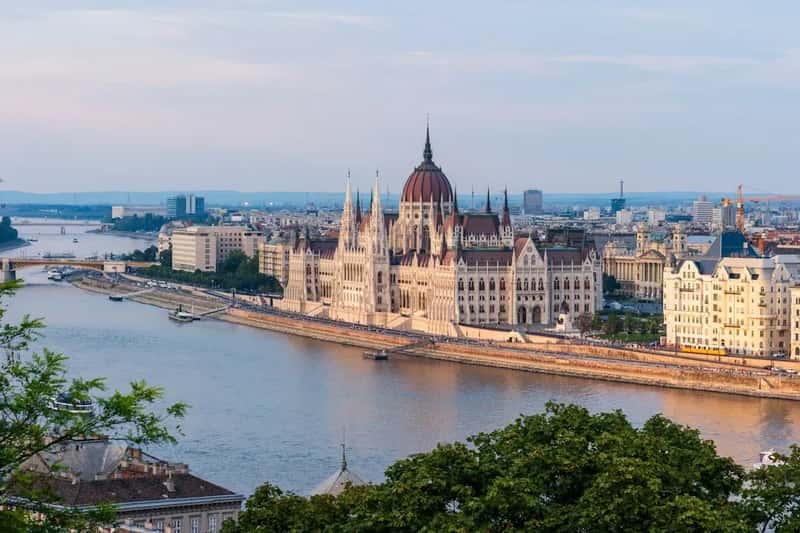
Hungary (8.7 percent), Norway (8 percent), Denmark (7.5 percent), and Spain (6.9 percent) follow as the top five least welcoming. These numbers come from residents of those countries themselves, which makes the data particularly revealing.
Norway and Denmark both score high on unwelcoming attitudes despite their reputations for friendliness. Research by YouGov in March found that western European attitudes towards the US have become more negative since Trump’s reelection last November. More than half of people in Britain (53%), Germany (56%), Sweden (63%) and Denmark (74%) now have an unfavourable opinion of the US.
Political climate matters. These aren’t just vacation destinations dealing with rowdy tourists. They’re countries whose populations have genuine concerns about American policies and global behavior.
Portugal and Belgium Express Annoyance with American Visitors
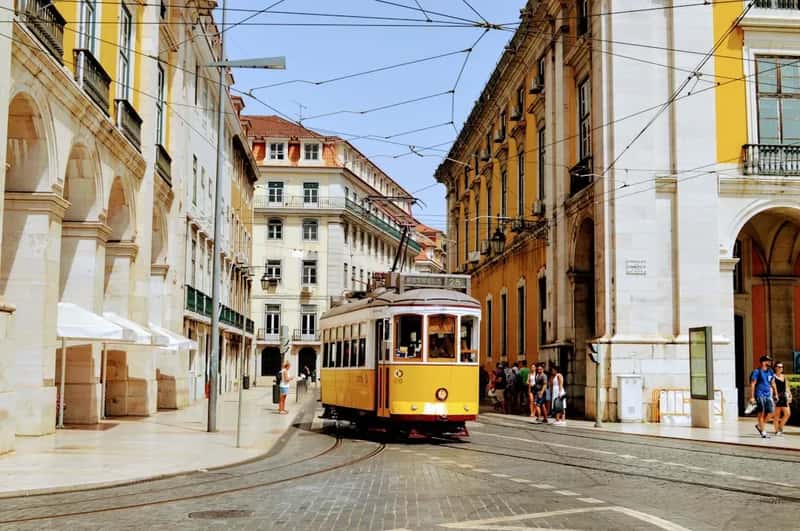
Sometimes the reception isn’t about politics at all. Portugal (18.8%) and Belgium (18.3%) topped the list of countries where locals said they feel annoyed by American tourists. Ireland (17.4%), the Netherlands (14.9%), and Denmark (14.8%) followed closely.
Portugal consistently ranks high for tourist annoyance despite being relatively welcoming overall. The issue seems to be behavioral rather than political. Locals report frustration with loud voices, lack of cultural awareness, and expectations that everyone should speak English.
Belgium presents an interesting case. Nearly 40% in the Netherlands and about 38% in Portugal and Belgium said they have a negative view of American tourists. These are countries that receive massive tourist flows, and American behavior stands out for all the wrong reasons.
Germany Leads Massive Tourism Decline
The statistics from 2025 tell a sobering story. Germany ranks number one with a steep 61% drop followed by Canada with a staggering 40% drop since last year. That’s not a typo. German interest in visiting America has plummeted by more than half.
As a tourist generator, Western Europe was down 2.3%, with visitors from Denmark dropping by 19%, from Germany by 10%, and from France by 6.6%. These declines reflect both American unpopularity abroad and Germans choosing to travel elsewhere rather than face what they perceive as an unwelcoming United States.
Travel works both ways. When Germans stop visiting America in such dramatic numbers, it signals a broader breakdown in cultural exchange and goodwill between nations.
Netherlands and Scandinavia Hold Negative Views
Nearly 40% in the Netherlands and about 38% in Portugal and Belgium said they have a negative view of American tourists. Denmark (37%) and Sweden (36.9%) weren’t far behind.
The Netherlands stands out particularly because Dutch people generally speak excellent English. Language barriers can’t explain the negative sentiment there. Instead, Dutch respondents cite American loudness, entitlement, and lack of awareness about local customs.
Sweden and Denmark both show high unfavorable opinions. Scandinavian countries value quiet, orderly public behavior and personal space. American tourists who bring typical U.S. social norms can feel jarringly out of place.
Austria and Italy Show Mixed Reception
According to MarketWatch, Austria has a 55% disapproval rating of the U.S., and much of this sentiment can be traced back to something seemingly trivial – fast food. Austrian locals complain that Americans aren’t adventurous enough with local cuisine, preferring familiar chains.
Italy presents a paradox. Belgium (1.9%) and Italy (2%) had the lowest shares saying their country was unwelcoming. Italians generally welcome American tourists, but that doesn’t mean they approve of American culture broadly.
Italians view us incompetent as a nation and gave the U.S. a 55% disapproval rating, which is one of the worse ratings that Americans have gotten from other countries. COVID response played a major role in souring Italian perceptions.
Canada Emerges as Unexpected Cold Shoulder

Perhaps most shocking is Canada. Canadian visitation continues to collapse, down 25.2% YTD. America’s closest neighbor and longtime ally has turned away in record numbers.
More Canadians visit the US than visitors from any other country, according to the National Travel and Tourism Office. Canadians made up about 28% of total international visitor arrivals in 2024. That makes the decline especially painful for American tourism operators near the border.
Canadians calling to cancel their tours “explicitly told me that it was because of the policies and the behavior of our current president,” he said. Seattle tour operators report losing roughly a third of their business. The political dimension here is impossible to ignore.
The Broader Picture and What It Means
A WTTC study published in May 2025 predicted that the U.S. would experience a significant decrease in visitor spending, ranking last among all the analyzed countries. The WTTC also reported that the U.S. was the only country expected to experience a decrease in international visitor spending in 2025 among the 184 nations analyzed.
Think about that for a moment. Out of 184 countries, America is the only one losing international tourism dollars. Meanwhile, global tourism is experiencing a boom. The European Union and Asia-Pacific regions, in particular, have seen an influx of visitors.
Americans abroad face a complicated landscape. Some countries welcome U.S. visitors warmly, but many have cooled significantly. Behavioral issues matter, sure. Loud voices and cultural insensitivity don’t help. Yet political factors loom larger than ever before in shaping how Americans are received worldwide.
The data is clear and the message unmistakable. American tourists should travel with more cultural awareness, humility, and understanding that the world’s perception of the United States has shifted dramatically. What do you think causes this shift most, politics or behavior? Share your experiences below.