The Caribbean island of Cuba faces an unprecedented aviation crisis as jet fuel supplies have completely dried up, forcing major international airlines to suspend operations. Canada’s major airlines have all suspended service to Cuba, with Air Transat announcing Monday evening it was joining Air Canada and WestJet in cancelling all flights, as the Caribbean island’s major airport warns it will run out of jet fuel. This dramatic development marks a new low point in Cuba’s worsening energy emergency, which has left millions of residents enduring prolonged blackouts and severe shortages of basic necessities. The crisis threatens to devastate the island’s tourism sector, historically a vital source of foreign currency for the struggling economy.
The fuel shortage comes at the worst possible time for Cuba, arriving during peak tourist season when thousands of visitors typically flock to the island’s beaches and resorts. Official Cuban government data shows Canada was the number one source of tourists to the island with more than 754,000 Canadians traveled there in 2025, compared with 110,000 from the United States, 56,000 from Mexico and 46,000 from Spain. The sudden suspension of airline service has left travelers stranded and forced tour operators to scramble for alternative destinations, while Cuba’s already fragile tourism infrastructure faces potential collapse.
Canadian Airlines Ground Entire Cuba Fleet

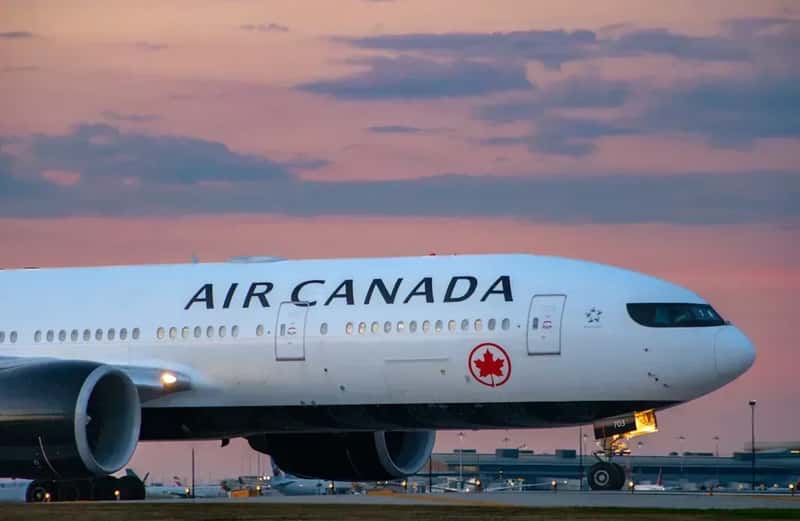
Air Canada abruptly halted all passenger service to Cuba on February 9, 2026, citing a government NOTAM that jet fuel will be unavailable island-wide from February 10. The airline’s decision came after Cuban aviation authorities issued an official warning that airports would not be able to refuel aircraft for at least one month. Air Canada said it made the decision “following advisories issued by governments regarding the unreliability of the aviation fuel supply at Cuban airports,” adding that it would dispatch empty flights southbound to pick up about 3,000 travellers to bring them home. This represents a significant logistical challenge for the carrier, which typically operates sixteen weekly flights to Cuban destinations from Toronto and Montreal.
WestJet and Air Transat quickly followed suit, announcing their own suspensions within hours of Air Canada’s decision. Air Transat initially said its flights would operate as scheduled, it reversed course Monday evening, saying it was suspending service until April 30. The rapid cascade of cancellations highlights the severity of the fuel shortage and the impossibility of maintaining normal operations without reliable access to jet fuel. Airlines now face the complex task of repatriating thousands of Canadian vacationers while ensuring their aircraft carry enough fuel for round-trip journeys without refueling on the island.
US Oil Blockade Triggers Fuel Crisis
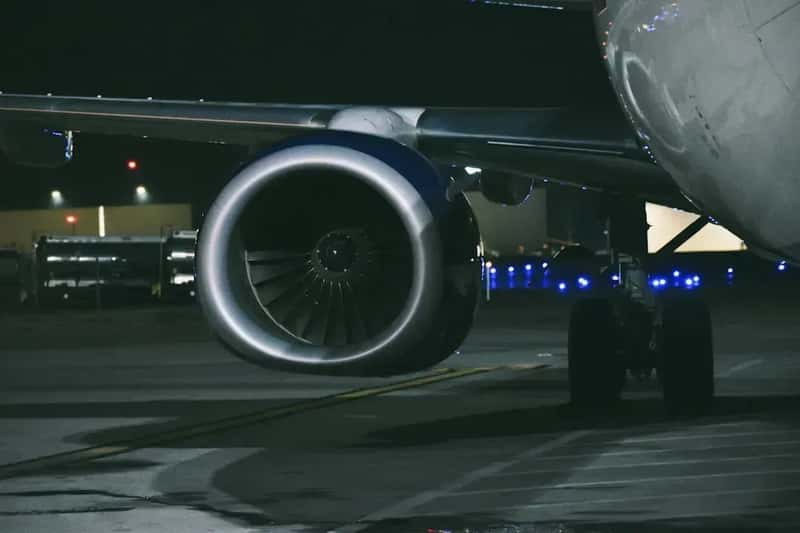
The aviation fuel shortage stems directly from intensified US pressure on countries supplying oil to Cuba. After the United States intervention in Venezuela on 3 January 2026, Venezuelan oil which fuelled Cuba was cut off by the US Navy. Venezuela had historically been Cuba’s primary oil supplier, but the US military operation to remove President Nicolás Maduro from power effectively severed this crucial energy lifeline. Cuba has historically relied on Venezuela to provide much of its jet fuel, as Reuters points out, but the Caribbean island country has not received any crude or refined products from its top ally since mid-December, when the U.S. moved to block the South American country’s exports.
With the Executive Order 14380 issued on January 29th 2026, President Trump declared a national emergency with respect to Cuba. He authorized the imposition of new tarrifs on imports from any country that directly or indirectly supplied oil to the Government of Cuba. This executive action had an immediate chilling effect on potential suppliers. Mexico, which had stepped in to partially fill the gap left by Venezuela, also halted its shipments under US pressure. The combination of lost Venezuelan supply and Mexican reluctance to risk tariffs has left Cuba with virtually no reliable source of imported fuel, creating a cascading crisis across multiple sectors.
Nationwide Blackouts and Infrastructure Collapse
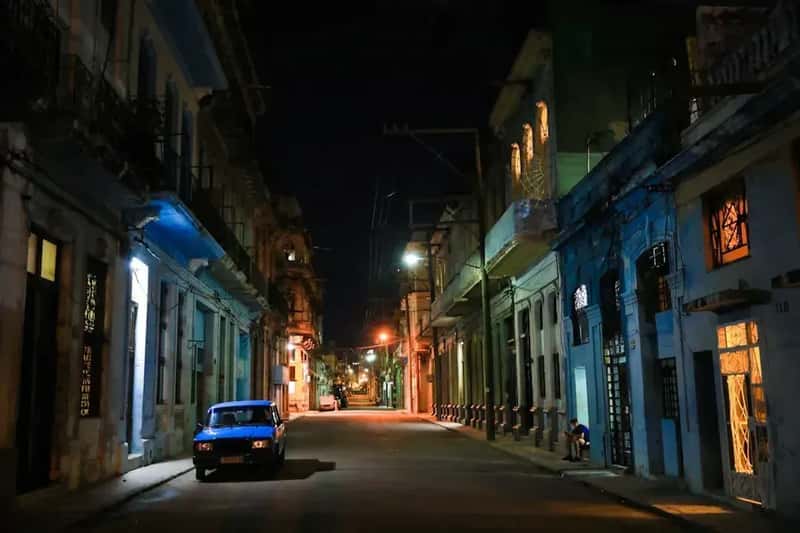
Cuba’s energy crisis extends far beyond aviation fuel, affecting every aspect of daily life on the island. The UN team said that the vast majority of Cubans are being hit by rolling blackouts, at a time when the number of people in vulnerable situations has increased significantly. Power outages lasting ten hours or more have become routine in many areas, with some communities experiencing darkness for days at a time. The shortages have led to blackouts of the island’s fuel-powered electrical grid. In 2024, the entire population of over 10 million people was plunged into darkness when the grid ran out of fuel.
The electrical system’s fragility reflects decades of deferred maintenance and inadequate investment in aging infrastructure. A total nationwide power outage began at around 11:00 local time on 18 October, after the Antonio Guiteras Power Plant in Matanzas, the country’s largest, went offline, resulting in the loss of 1.64 gigawatts at peak hours, equivalent to half the total consumer demand. Cuban authorities have struggled to restore stable service, with multiple grid collapses occurring throughout late 2024 and into 2026. The inability to maintain consistent electricity has devastated productivity, spoiled food supplies, and forced hospitals to rely on aging emergency generators that frequently break down from overuse.
Humanitarian Impact and Medical Emergencies

The fuel shortage has created severe humanitarian challenges across Cuba’s healthcare system. Some medical facilities have also been severely impacted by the fuel shortages. Local media reported that some provincial hospitals have canceled surgeries and outpatient transfers. Critical medical supplies such as painkillers, gauze, and antibiotics are also unavailable. Hospitals that depend on diesel-powered generators during blackouts find themselves unable to maintain services when fuel runs out. Medical equipment sits idle, surgeries are postponed indefinitely, and emergency services operate under increasingly precarious conditions.
The blow to the country’s tourism industry follows announcements by Havana that it will ration resources in hospitals and prioritize urgent medical care as part of nationwide austerity measures in response to the energy crisis. Under the measures, hospital stays and surgical activity will be limited whenever possible. Cuban authorities have implemented emergency protocols to direct scarce fuel supplies toward essential services, but the scale of the shortage makes it impossible to meet all critical needs. Transportation of patients has become extremely difficult, with ambulances and medical transport vehicles unable to operate reliably. The confluence of medical supply shortages, power outages, and fuel scarcity has created what international observers describe as a potential humanitarian catastrophe.
Tourism Industry Faces Collapse
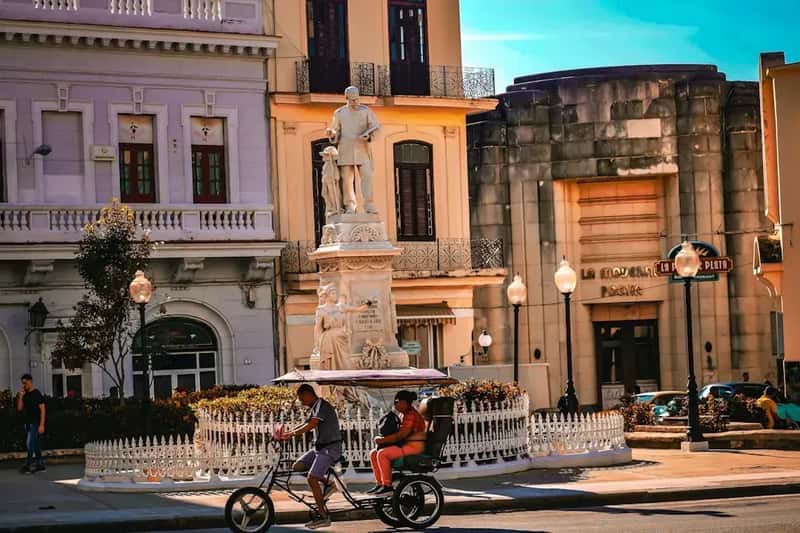
Cuba’s tourism sector, already struggling to recover from pandemic-era losses, now confronts an existential threat. Cuba’s tourism industry closed 2025 with only 1.8 million international visitors – 17.8% less than 2024 and well short of the government’s 2.6 million target. Hotel occupancy rates in the first half of 2025 declined to 21.5%, down seven percentage points year-over-year. The suspension of airline service from Canada, Cuba’s largest source of tourists, threatens to accelerate this decline dramatically. Resort operators face difficult decisions about whether to remain open with drastically reduced guest numbers or temporarily close facilities to conserve scarce resources.
Transat noted that several resorts in Cuba had been shut down temporarily “due to low occupancy rates,” and is allowing affected customers to change the date, hotel, or destination of their trip without penalty. Tour operators across North America are redirecting bookings to alternative Caribbean destinations like Mexico and the Dominican Republic, potentially devastating Cuba’s economy for years to come. The loss of tourism revenue compounds the island’s existing foreign currency crisis, making it even harder to purchase essential imports. Some hotels continue operating with backup generators, but dwindling fuel supplies threaten their ability to maintain even basic services like air conditioning, hot water, and food preparation.
International Response and Uncertain Future
Several countries have responded to Cuba’s crisis with humanitarian assistance, though these efforts pale in comparison to the scale of need. The Mexican government said that one ship carried some 536 tons of food including milk, rice, beans, sardines, meat products, cookies, canned tuna, and vegetable oil, as well as personal hygiene items. The second ship carried just over 277 tons of powdered milk. Last week, the U.S. gave $6 million in humanitarian aid to the country, the State Department said. Still, these shipments represent only temporary relief rather than solutions to the underlying energy crisis.
Russia is preparing to evacuate its citizens who are visiting Cuba, Moscow’s aviation authorities said, after a United States-imposed oil blockade on the island nation has choked off supplies of jet fuel. “Due to the difficulties with refuelling aircraft in Cuba, Rossiya Airlines and Nordwind Airlines have been forced to adjust their flight schedules to airports in the country,” Russia’s federal aviation regulator Rosaviatsia said in a statement on Wednesday. Russian airlines have joined their Canadian counterparts in suspending normal operations, though some carriers continue modified service with technical fuel stops in third countries. Due to the blockade of Venezuelan oil exports to Cuba and the threat of sanctions on countries supplying fuel to the island, Cuba has said it will not have jet fuel available from February 10 to March 11, 2026. Whether Cuba can find alternative suppliers willing to risk US sanctions remains deeply uncertain, leaving the island’s immediate future shrouded in darkness both literal and figurative.