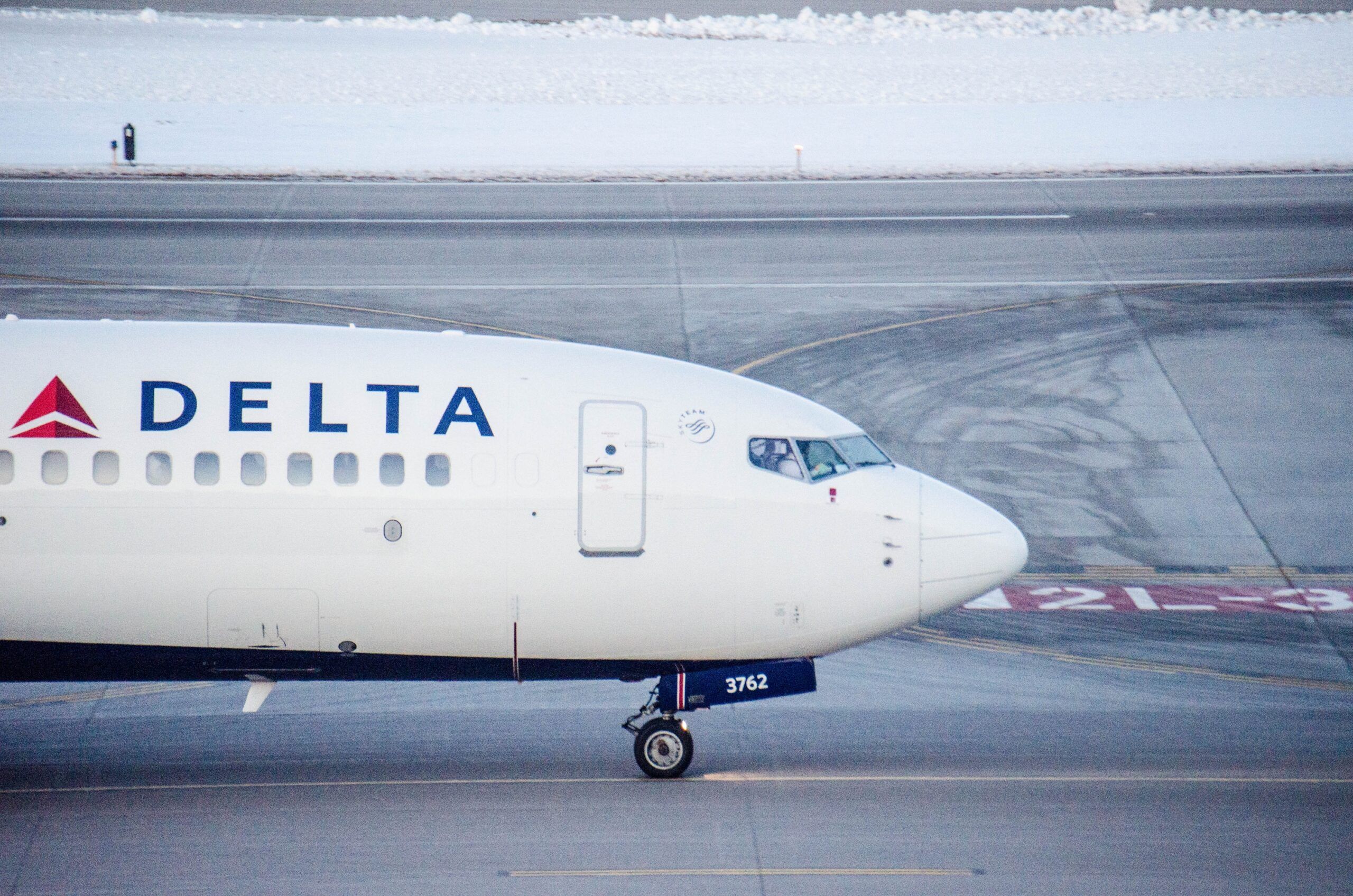
Delta Air Lines pushed into triple-digit cancellations as a powerful early-season nor’easter disrupted travel across the Northeast.[1] Boston Logan was hit hardest. More than half of Delta’s scheduled Boston flights were canceled as of Saturday, September 26, and additional cancellations elsewhere pushed the carrier’s nationwide total above 100.[1]
The airline also posted weather warnings covering eight airports, with rebooking flexibility for affected passengers. Here’s what happened, which airports were flagged, and what the episode shows about how one storm can disrupt a whole airline network.
A Rare September Nor’easter Meets a Busy Delta Hub
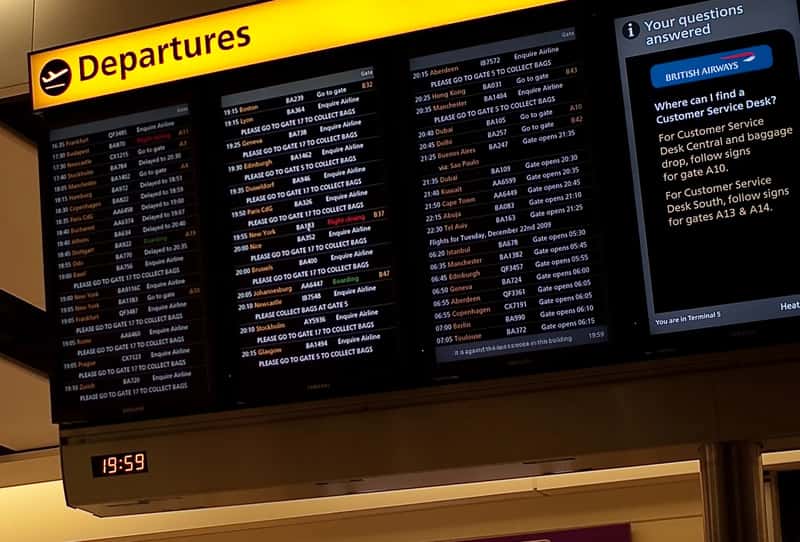
Nor’easters usually belong to the colder months, which made this storm unusual for late September. Airlines had started acting before the worst arrived. Five major US carriers activated travel waivers for the Northeast corridor ahead of the storm, covering September 25 to 27.[2]
The disruption started before Delta’s Saturday numbers. As of Friday night, September 25, FlightAware had tracked more than 22,000 delays and 700 cancellations across the day.[3] Delta’s triple-digit total came on top of an already strained system.
Boston Logan Takes the Heaviest Hit
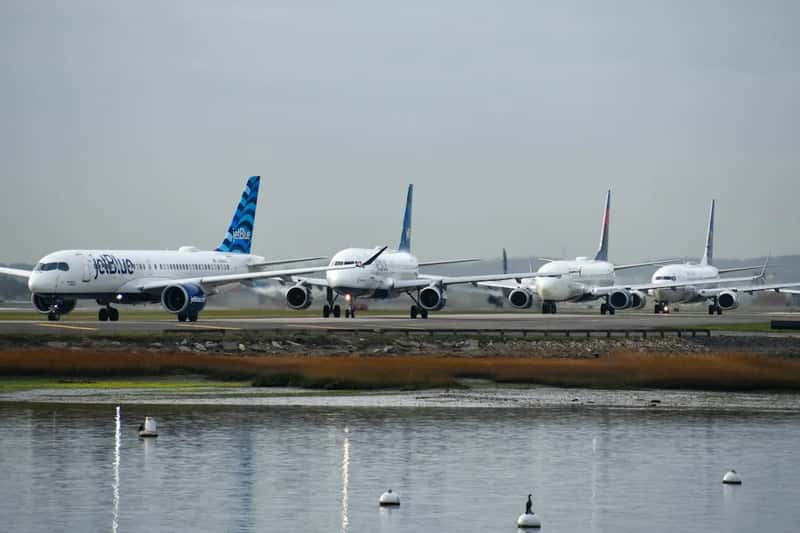
Delta runs a hub in Boston, so trouble at Logan weighs heavily on its schedule. FlightAware showed at least 95 canceled Delta flights at Logan as of Saturday morning, more than half of the carrier’s scheduled Boston operation.[1] Other airlines canceled flights there too, but Delta’s schedule was among the most affected.
The airport as a whole fared badly. FlightAware recorded 253 cancellations at Boston Logan on September 26, 2026.[4] Cape Air alone cancelled 115 flights at Logan.[4] Other trackers rounded Saturday’s Logan total to roughly 260, so treat the exact figure as approximate.
What the Nationwide Numbers Showed
Delta’s cancellations stretched well beyond New England. The airline also had cancellations involving JFK, LaGuardia, Los Angeles International and other airports, which pushed its overall total into triple digits.[1] That’s typical of a hub-and-spoke carrier, where a problem in one place spreads along its routes.
The wider industry was strained as well. By midday Saturday, FlightAware was reporting 425 cancellations and 1,494 delays across the country.[1] Delta’s roughly 100 cancellations therefore made up a meaningful share of the national total, though not all of it.
The Eight Airports on Delta’s Warning List
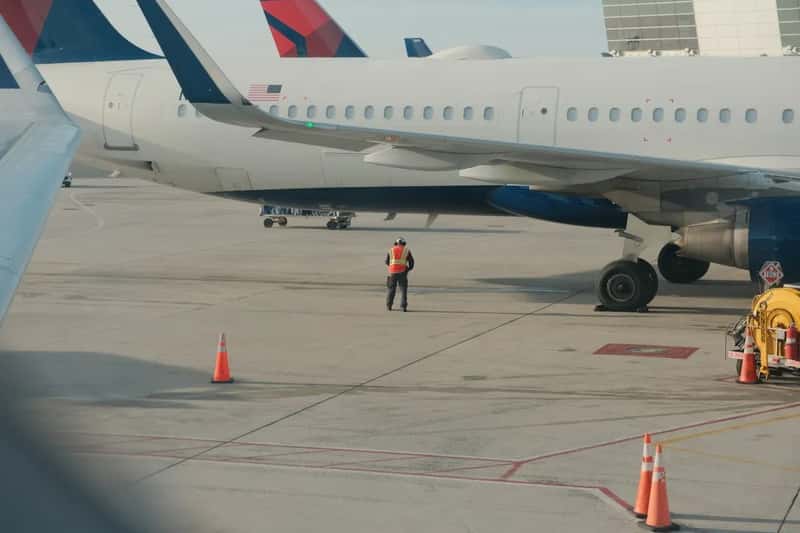
Delta’s alerts were split into two advisories. One covered seven airports from Maine through Philadelphia.[1] A separate advisory for Boston brought the total to eight. A copy of Delta’s Northeast advisory lists EWR, HPN, JFK, LGA, PHL, PVD and PWM[5], meaning Newark, White Plains, New York JFK, LaGuardia, Philadelphia, Providence and Portland, Maine.
Some websites printed different lists for the eight, so it’s worth checking Delta’s own advisory page for the current wording. The core of the picture is consistent across coverage: Boston, the New York area and Newark were the focus. Smaller regional airports were folded in because they connect to those hubs.
Two Advisories With Two Different Timelines
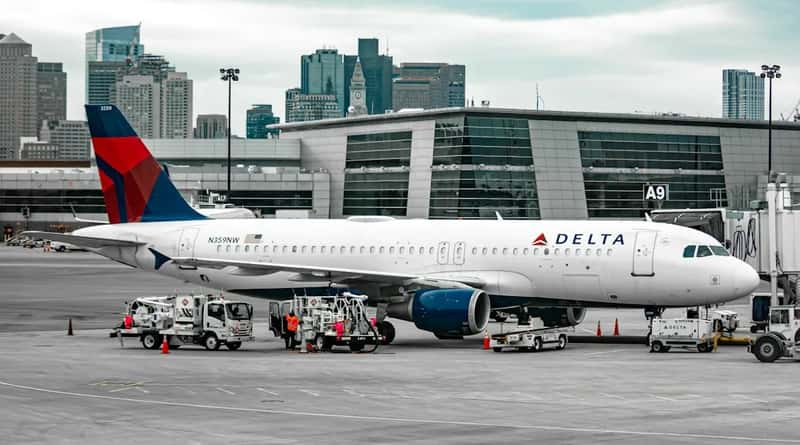
The two advisories didn’t run on the same schedule. The seven-airport Northeast waiver covered Saturday and Sunday, while the separate Boston policy ran through Tuesday, September 29.[1] The longer Boston window signaled that Delta expected problems there to linger.
The rebooking terms were fairly generous. Delta’s Boston advisory applied to travel through September 29, and qualifying customers could move their trip through October 2 without paying extra.[1] Later reporting said Delta extended Boston flexibility for affected travel through October 1[6], so the dates shifted as the storm played out.
Why a Storm in Boston Disrupts Flights Elsewhere
Wind and rain slow airports down even when planes can technically take off. One report said those conditions force controllers to space aircraft further apart and change runway setups, which cuts how many planes an airport can handle.[7] With fewer arrivals and departures possible, airlines cancel flights early to avoid stranding aircraft and crews.
The knock-on effect is easy to see in the cancellation list. Canceled Boston-bound flights included services scheduled from London, Amsterdam, Paris, Athens, Edinburgh, Salt Lake City, Seattle and San Diego.[1] Someone just connecting through JFK or Boston can also see disruptions even if neither is their final destination.[1]
Other Airlines Faced the Same Storm
Delta wasn’t alone in loosening its rules. Waivers came from Delta, JetBlue, American and United.[4] Fee waivers generally applied to flights to, from or through affected Northeast airports, including Boston, New York City, Newark, Philadelphia and Providence, though locations varied by airline.[3]
That variation matters for travelers. Passengers should check their airline’s specific weather waiver before canceling or changing a reservation.[3] A policy that works for one carrier’s ticket may not apply to another’s, and the dates differ.
How the Disruption Played Out After Saturday
Sunday was not expected to bring relief. Delta said it expected a significant number of cancellations at Boston Logan on Sunday, September 27, and warned customers that Sunday operations remained at risk.[4] By Monday, conditions had started to improve, though the FAA still warned on September 28 that low clouds and wind could slow Boston traffic.[6]
Recovery took time. One travel site reported that FlightAware still showed 354 cancellations nationally on Monday afternoon, with 77% of them traced to Boston Logan.[8] That figure comes from a less established outlet, so read it as indicative rather than official. Even so, it fits the broader picture of an airport slow to return to normal.