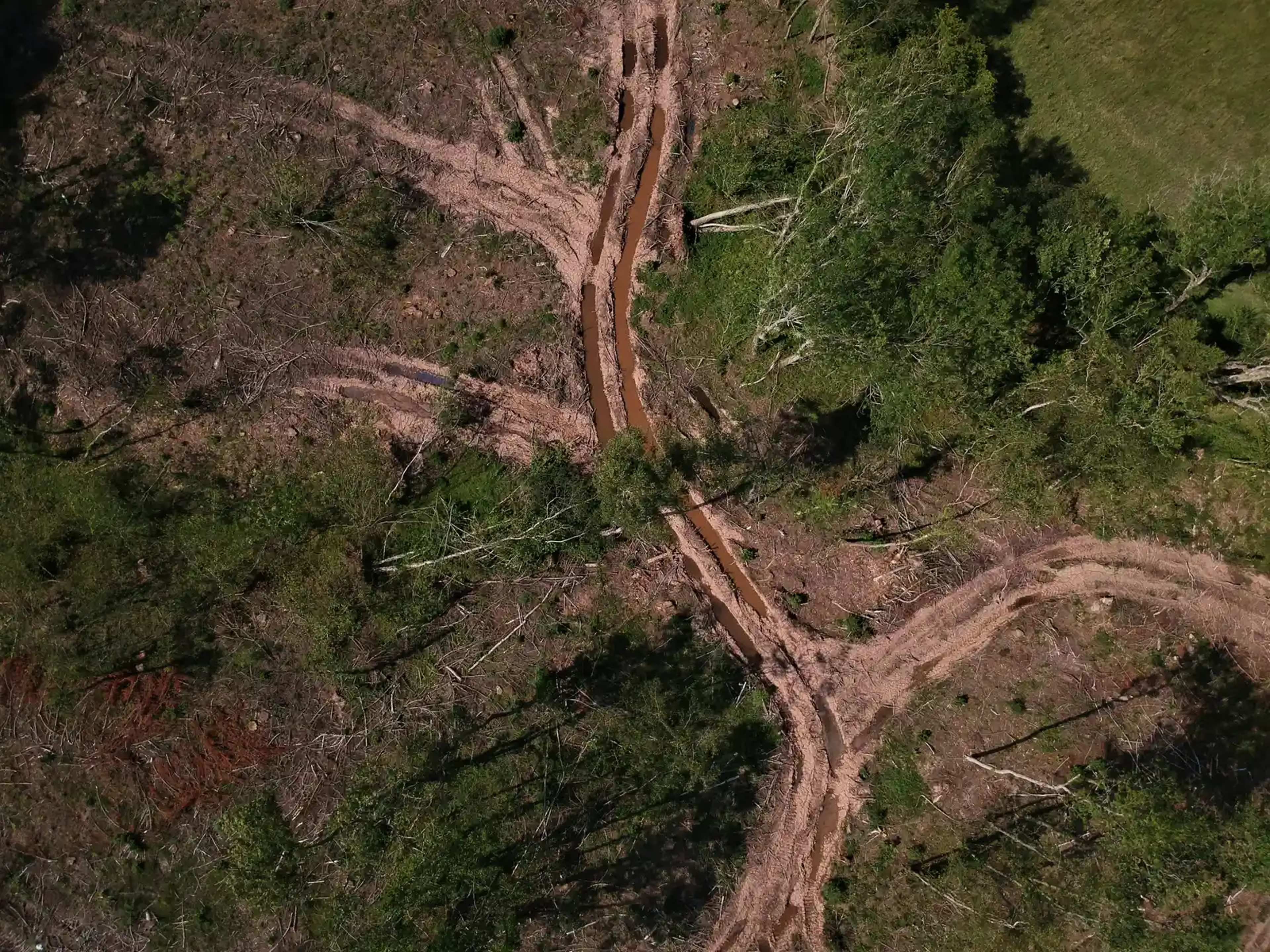
Conservation efforts by families displaced for national park sees success in DRC – Image for illustrative purposes only (Image credits: Pixabay)
Eastern Democratic Republic of Congo holds one of the most striking reversals in recent conservation history. Families displaced decades ago during the creation of Maiko National Park have shifted from conflict with authorities to active stewardship of the surrounding forests. Their efforts center on a community-managed concession that balances protection with local livelihoods.
Roots of Displacement and Lasting Tension
The establishment of Maiko National Park in the 1970s required the relocation of communities that had long relied on the forest for food and resources. Park rangers from the Congolese Institute for Nature Conservation enforced strict entry rules, which clashed with traditional practices of hunting and gathering. These measures created prolonged friction between residents and park management.
Over time the disagreements pushed families to settle outside the protected area. The experience left a legacy of mistrust that shaped relations with conservation institutions for generations. Gangala Yafali Mangusa Jr., whose family was among those moved, later described how rangers set up camps and banned access to meat and fruit that communities had used for generations.
From Conflict to Community Concession
Mangusa Jr. now directs the Bamasobha Local Community Forest Concession, a 29,000-hectare area managed directly by local residents. The concession operates under a formal management plan completed in 2023 with support from the Peasants’ Association for the Rehabilitation and Protection of Pygmies. That plan divides the land into distinct zones for sustainable production and stricter conservation.
The approach differs from earlier top-down enforcement by involving residents in patrol work and resource decisions. Teams monitor for illegal hunting, logging, and mining while promoting practices that allow continued use of forest products under controlled conditions. The result is a model that treats local knowledge as an asset rather than an obstacle.
Daily Operations and Stakeholder Roles
Patrols focus on preventing unauthorized activities that degrade habitat for eastern lowland gorillas, forest elephants, and chimpanzees. At the same time, the concession works to reduce human-wildlife conflict through education and agreed boundaries. These steps address both biodiversity goals and the economic needs of nearby villages.
Key partners include the national conservation institute and the peasant association that helped draft the 2023 plan. Their combined involvement has produced clearer rules and shared responsibility. Residents who once viewed park rules as external impositions now participate in enforcement and monitoring.
Early Signs of Forest Recovery
Satellite observations from Global Forest Watch indicate reduced rates of forest loss inside the concession compared with surrounding areas. The data reflect the practical effect of regular patrols and zoned management. Communities report greater stability in resource access when rules are developed locally rather than imposed from outside.
The shift also carries broader implications for protected-area policy in the region. When former displaced residents lead management, enforcement gains legitimacy and long-term compliance improves. This pattern suggests that inclusive concessions can complement national parks without repeating the displacements of earlier decades.
Looking Ahead
The Bamasobha model demonstrates how historical grievances can be addressed through structured local authority over forest resources. Continued success will depend on sustained funding for patrols, clear legal recognition of community rights, and ongoing coordination with national agencies. The experience offers a concrete example of how conservation outcomes can improve when affected populations move from the margins to the center of decision-making.