Every year, a handful of places quietly cross a line. They go from being dream destinations to cautionary tales, not because they’ve gotten less beautiful, but because too many people showed up at once wanting the exact same photo, the exact same sunset, the exact same slice of paradise. In 2026, that tipping point has arrived for several spots that used to top everyone’s bucket list.
What follows isn’t a list of places that are dangerous or unworthy of a visit. It’s a look at where crowding, rising costs, local frustration, and environmental strain have combined to make the actual experience feel a lot less special than the marketing suggests.
Mexico City, Mexico

Mexico City spent the early 2020s becoming one of the trendiest urban escapes in the Americas, and that popularity has curdled into open resentment. Fodor’s 2026 No List includes Mexico City, which saw sometimes violent eruptions against overtourism throughout the summer of 2025.[1] The unrest wasn’t abstract grumbling either.
The first protest began on 4 July, American Independence Day, to protest against the perceived endless influx of Americans and Europeans into trendy neighborhoods.[1] Rents in areas like Roma and Condesa have climbed sharply as remote workers and short-term visitors moved in, pushing out longtime residents. Visiting in 2026 still means great food and culture, but expect a city increasingly wary of the tourists who helped price out its own people.
Barcelona, Spain
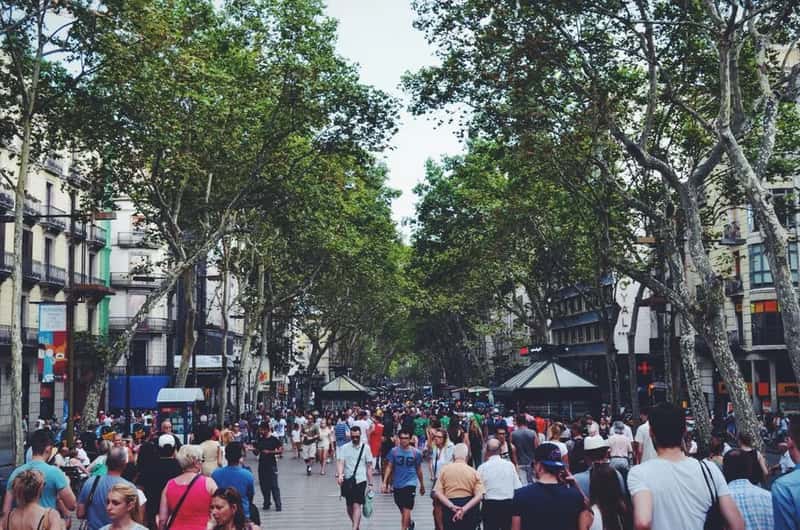
Barcelona’s relationship with tourism has shifted from tolerance to active pushback. The city’s crackdown on overtourism, begun in 2024 amid protests by residents concerned about rising housing prices, has picked up momentum heading into the summer of 2026, with plans to reduce the number of leisure tourists to roughly equal the number of cultural and business visitors.[2] That’s a notable shift for a city that once measured success purely in visitor numbers.
The financial cost of visiting has also jumped. In April 2026, the city raised its hotel tax to between $10 and $17 per night, and its nightly tax on vacation rentals to about $14 per night, both among the highest in Europe.[2] Add to that the Spanish government’s removal of 65,000 Airbnb listings and its plan to phase out short-term rentals in Barcelona by 2028[3], and the city that once felt effortlessly welcoming now feels like it’s actively trying to slow its own tourism boom.
Venice, Italy
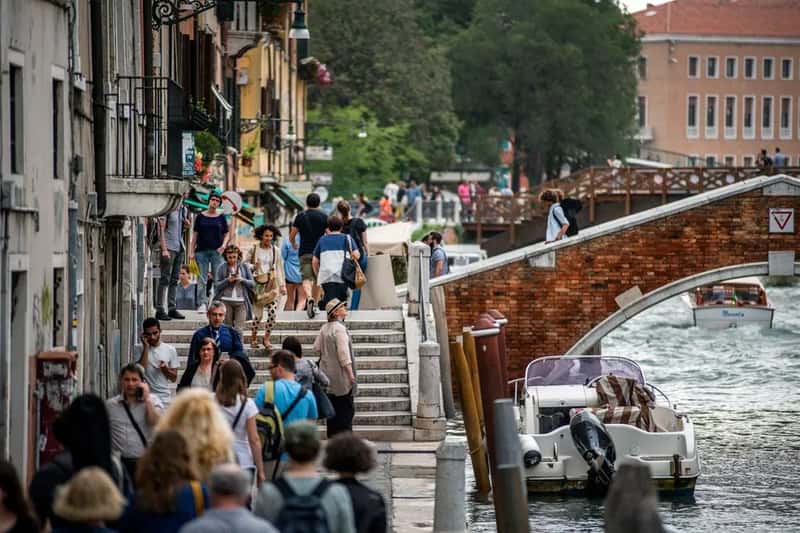
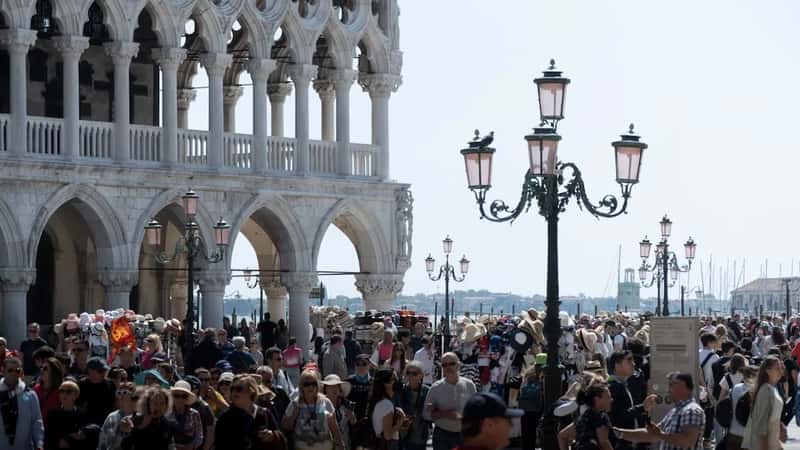
Venice never really solved its overtourism problem, it just got more organized about managing it. The city’s official access-fee site lists specific 2026 application dates between April 3 and July 26, with the fee applying during set hours and only on marked days.[4] What started as an experiment has become a permanent fixture of visiting the lagoon city.
Venice expanded its day-tripper fee to €10 in 2026[5], meaning casual visitors now pay simply to walk through the historic center on peak days. Combined with cruise ship restrictions and a housing crisis that has pushed out much of the local population, the “real” Venice many travelers hope to find is increasingly hard to locate behind the crowds and turnstiles.
The Canary Islands, Spain

The Canary Islands remain one of the most visible flashpoints in Europe’s tourism backlash. This rugged Spanish volcanic archipelago, which includes Lanzarote, Gran Canaria, and Tenerife, was the third most popular spot for visitors to Spain, and welcomed 1.23 million visitors in August 2025 alone, the highest number ever recorded in any month.[1] That volume has strained water supplies, roads, and housing on islands that were never built for this scale of tourism.
Local frustration has turned visible and vocal. In Tenerife and Lanzarote, protesters have been chanting that tourists are not welcome[5], a message that’s hard to miss for anyone booking a beach holiday there in 2026. The islands remain stunning, but the atmosphere on the ground has grown noticeably tenser than the postcards suggest.
Montmartre, Paris
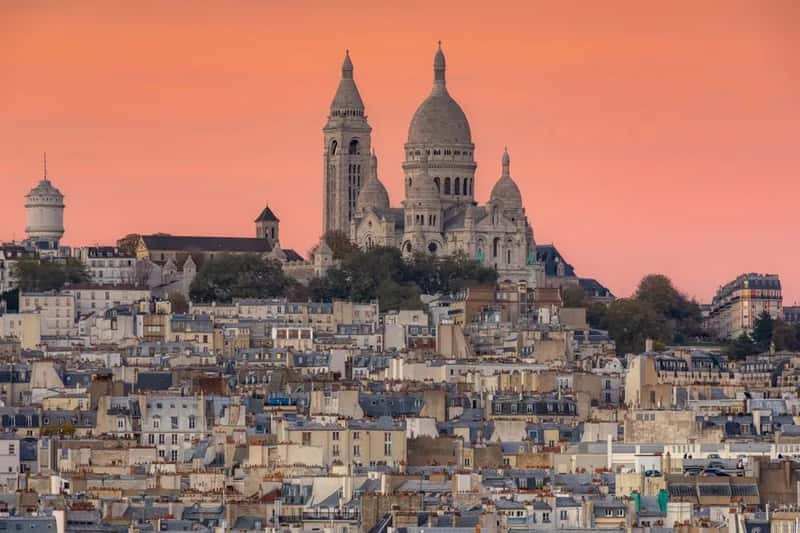
Montmartre used to feel like Paris’s charming, slightly bohemian secret. That secret is long gone. The neighborhood has reached the saturation point, with the Sacré-Cœur attracting 11 million visitors each year, surpassing even the Eiffel Tower.[6]
Locals aren’t quiet about how this feels day to day. One resident described how at night, the Place du Tertre is completely taken over by terraces catering to visitors rather than neighbors.[6] Residents have been protesting discreetly but firmly, warning that if things continue as they are, Montmartre will lose its soul.[6] For travelers hoping to find quiet cobblestone charm, the reality in 2026 is closer to a theme park with a very good view.
Antarctica
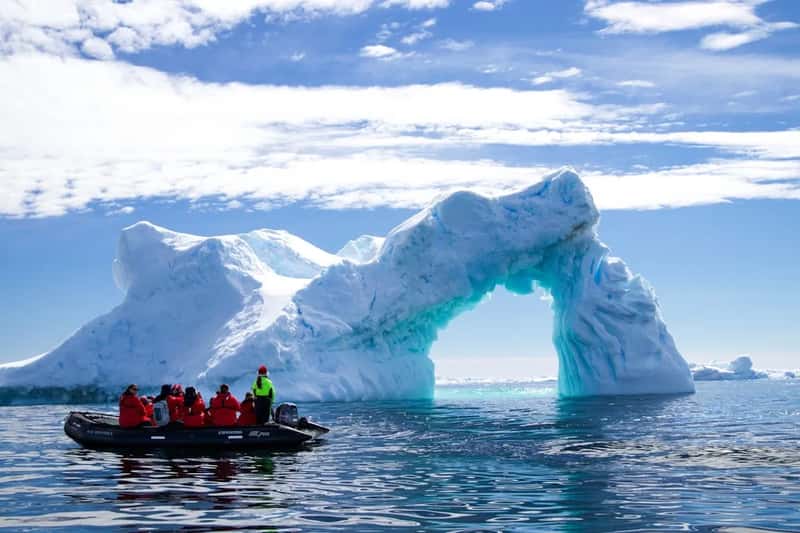
It sounds strange to call a polar continent overcrowded, but the numbers back it up. According to Fodor’s, the number of people coming to see Antarctica’s glaciers could double by 2033.[7] Ships and shore landings that were once rare events now queue up during peak season.
The concern here isn’t really about crowds ruining a photo. Scientists say that this mass tourism is unsustainable for the fragile landscape[7], and every footprint, fuel spill, or disturbed penguin colony carries outsized consequences in an ecosystem with almost no capacity to recover quickly. Visiting Antarctica in 2026 still delivers on scale and silence, but the sense of pristine isolation that made it special is fading with each new cruise season.
Bali, Indonesia
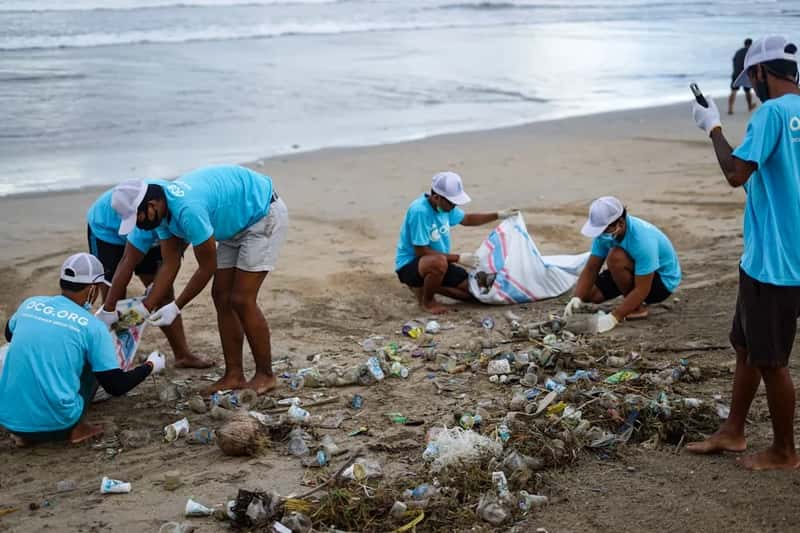
Bali’s tourism boom has collided head-on with a waste management system that simply cannot keep up. A tourism expert from Udayana University noted that the waste crisis has become a reality, especially in the southern part of Bali, the island’s main tourism hotspot.[8] Beaches that appear in glossy Instagram posts often sit near landfill sites and unmanaged trash piles just out of frame.
Authorities have tried to respond with fees rather than fixes. Introduced in February 2024, the roughly ten dollar mandatory fee for all international visitors is still often overlooked, with only a fraction of tourists fulfilling the payment requirement despite the levy being in effect for over two years.[9] The island remains gorgeous in patches, but travelers expecting untouched jungle and empty beaches are more likely to find traffic, construction, and a waste problem the government is still scrambling to solve.
Koh Samui, Thailand
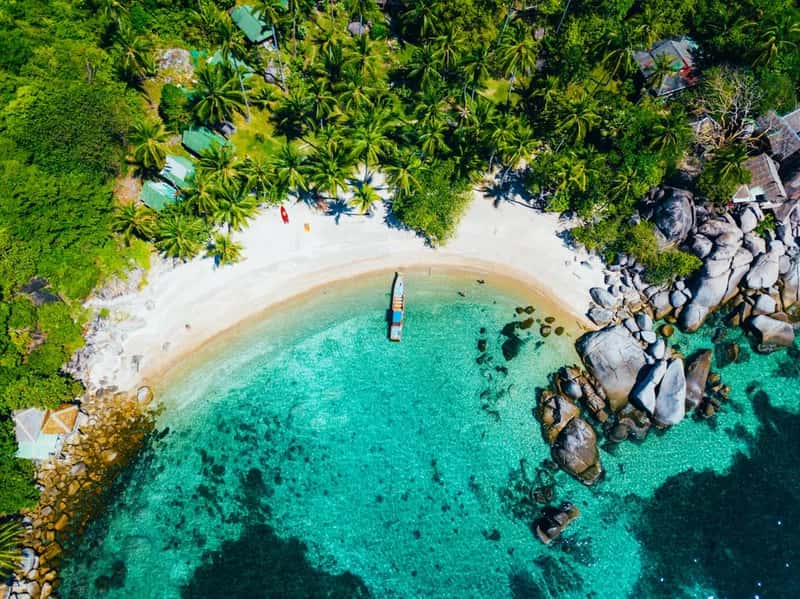
Koh Samui rode a wave of popularity after its prominent feature in a hit television series, and the island has been paying for it ever since. Much of the 200 tons of daily trash on Koh Samui sits in a landfill without a long-term solution, and tourism was expected to rapidly increase in 2025 because of its prominent feature in the third season of The White Lotus.[1]
That surge in visibility brought exactly the kind of visitor numbers the island’s infrastructure wasn’t built to handle. Roads, water systems, and waste facilities designed for a modest fishing and farming population now serve a constant flow of resort guests. The result in 2026 is a destination still selling the fantasy of quiet island life while quietly struggling to manage its own garbage.
Mount Everest Region, Nepal
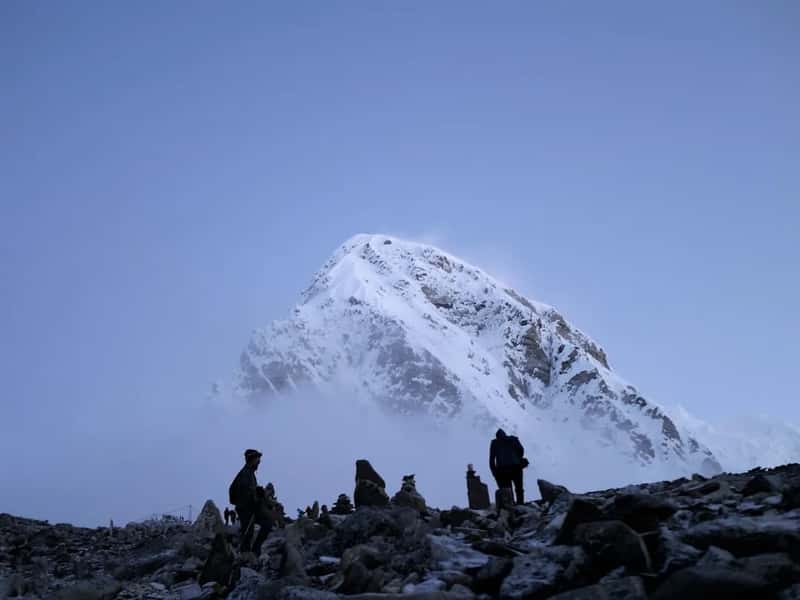
Everest’s reputation as the ultimate adventure has always come with a dark undercurrent of overcrowding, and little has changed for the better. Tourism and unchecked climate permits generate nearly 2,000 pounds of poop and other rubbish daily in the Everest region.[1] That’s not a metaphor, it’s a literal waste management crisis at high altitude.
Climbing season photos of long queues near the summit have become almost as iconic as the mountain itself, a strange symbol of just how commercialized high-altitude adventure travel has become. Trekkers heading to base camp in 2026 will still find breathtaking views, but they’ll also find crowded teahouses, packed trails, and a fragile ecosystem straining under more foot traffic than it was ever meant to hold.
The Jungfrau Region, Switzerland
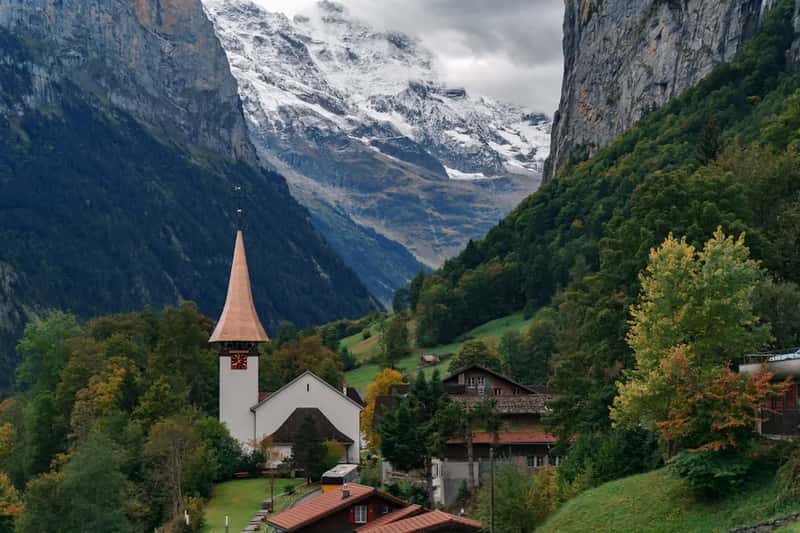
Switzerland’s Jungfrau Region built its reputation on alpine solitude, glacier views, and postcard-perfect villages. That reputation is now working against it. The scenic Jungfrau Region has been named among the destinations Fodor’s Travel says travelers should avoid in 2026 if they want to be responsible tourists.[7]
The math is simple. A relatively small area with limited train capacity, narrow mountain paths, and fragile alpine ecosystems has become one of the most photographed regions in Europe. Peak season now brings bottlenecks at viewpoints and train stations that were designed for a fraction of today’s visitor volume, turning what should be a serene mountain escape into a scheduling exercise.
The Bottom Line for 2026 Travelers
None of these places have become unsafe, and none of them have lost the qualities that made them famous in the first place. What’s changed is the math of visiting them. Higher fees, longer lines, frustrated locals, and strained infrastructure are now baked into the experience in a way they simply weren’t a decade ago.
Travelers who still want to see these places in 2026 aren’t wrong to go. They just need to go in with clearer expectations, better timing, and a willingness to accept that the version of the destination they imagined might not be the one waiting for them.