Life at your destination isn’t always getting better—some places are quietly slipping downhill, year by year. Recent data on infrastructure, safety, and climate resilience reveal that a number of once-promising spots are facing mounting challenges. From rising crime and deteriorating public services to environmental strains and economic stagnation, these destinations are becoming less attractive for travelers and residents alike. If you’re aiming for a smooth experience and long-term value, being aware of these under-the-radar deteriorations could make all the difference. Here are the countries that are quietly getting worse every year.
Venice: The Sinking City Losing Its Soul
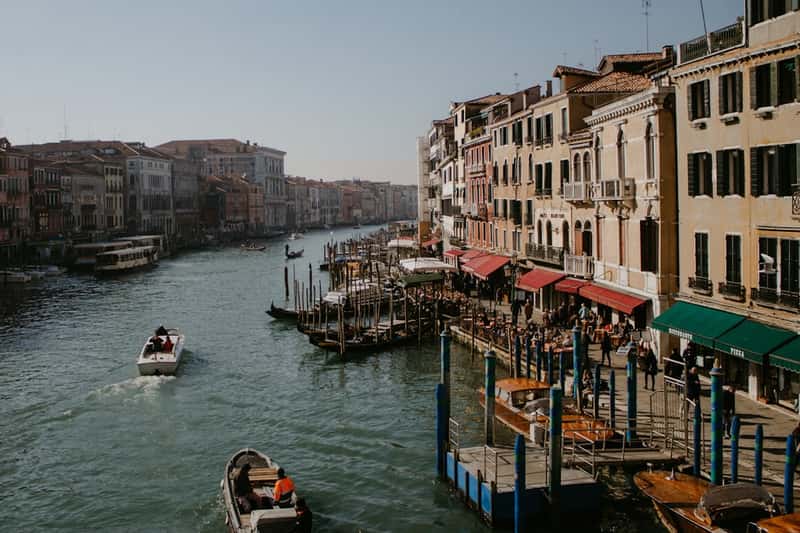
By 2024, fewer than 50,000 inhabitants remained in the center, marking a staggering 72% decrease from 1952. Conversely, the population on the mainland has remained relatively stable at around 180,000 over the last 20 years. Venice’s decline isn’t just about rising sea levels anymore. Last September 2024, the number of tourist lodging beds actually surpassed the resident population for the first time. This startling statistic reveals how thoroughly tourism has transformed the city into something unrecognizable to its own people.
Most troubling is how Venice risks losing its UNESCO World Heritage designation. UNESCO has warned Venice risks losing its crucial cultural designation if the historic center’s permanent population falls below 40,000 – a fate that could make the city far less attractive to newcomers.
Barcelona: Water Pistols and Rising Anger
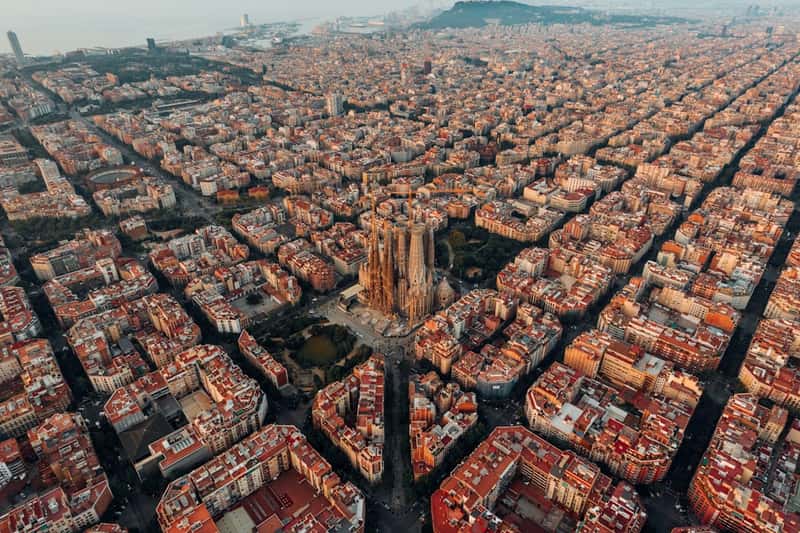
The overtourism debate got particularly heated in July, when around 3,000 people took to the streets, shouting “tourists go home” and spraying them with water. Some 150 collectives, organisations, and social movements were involved in the demonstration, which followed similar actions in the Canary Islands and Mallorca. Data suggests these protests are having measurable effects, with Barcelona substantially worse, seeing declining volume every month. The biggest gap came in June when there was a 21% difference in YoY change, as Barcelona had -13% fewer searches than in 2024, but Spain saw +18% growth.
While Barcelona grabs headlines, Spain’s coastal destinations suffer similar deterioration. By 2024, about 1,000 residents of Mallorca lived in their vehicles, as did an unspecified number of Ibiza residents. It has seen housing costs skyrocket as homes are diverted to the short-term rental market. Hundreds more marched in Granada, in southern Spain, and in the northern city of San Sebastián, as well as on the island of Ibiza.
There has also been a confluence of the pro-housing and anti-tourism struggles in Spain, whose 48 million residents welcomed a record 94 million international visitors in 2024. In April 2024, mass protests began in the Canary Islands, with residents calling for a temporary limit on tourism until legislation to combat the negative effects of overtourism could be introduced. Between 20,000 and 50,000 people across the islands took part in coordinated protests against the excess tourism, which campaigners argue has damaged the welfare of the population and the islands’ environment.
The situation has become so dire that the two locations that have arguably had the most vocal protest movements, and consequently column inches written about them, Barcelona and Mallorca, show the biggest declines in demand compared to 2024. Tourism data reveals concerning patterns, with some of the better performing destinations in our available data for July and August are also smaller destinations and lesser-known names around Spain, such as San Sebastian and Cambrils, or in the case of the Canary Islands, the least visited island of Fuerteventura is showing a YoY rise in demand indicators, while Tenerife is down.
American Tourism to Europe: The Reverse Effect
A curious phenomenon is emerging where American tourism to popular European destinations is actually declining, creating unexpected economic pressures. Tourism expenditure from the United States in Spain has shown a marked slowdown since late 2024. This deceleration partly reflects the normalization of tourism growth after the pandemic, as well as macroeconomic factors such as the appreciation of the euro against the dollar and deteriorating growth prospects for the US economy. However, since these factors operate with a time lag, it is likely that the current slowdown also stems from rising uncertainty surrounding US economic and trade policies impacting Americans’ propensity to travel to Spain.
Considering that in 2024, US tourists accounted for 4.6% of total arrivals and 7.1% of international tourist spending in Spain, this slowdown could potentially subtract up to 1 percentage point from the growth of tourism GDP in 2025. Thus, among rural destinations, where US tourism represents a smaller proportion of the total, the year-on-year declines in US tourism spending between November 2024 and April 2025 are around 10%. In urban coastal destinations, however, the decline is more modest (–5.4%), and in non-coastal urban destinations, where US tourism plays a bigger role, the spending has registered a very slight increase (+0.1%).
However, it is unlikely that they alone could be responsible for such a sharp slowdown, especially in such a short period of time, suggesting that the increase in uncertainty may have also contributed to this slowdown. This creates a complex web where destinations face pressure both from excessive domestic tourism and declining high-spending international visitors.
The convergence of these trends reveals destinations caught in an impossible situation. They desperately need to reduce visitor numbers to preserve their character and livability, yet they simultaneously face economic pressure from declining tourism revenue. He quotes a friend, who likes to say that saving Venice is the same as saving the world from mass tourism: “If you find a way to have tourists in Venice that don’t kill the city, we may find the method to save all the cities of the world.”
What do you think about these concerning trends? Have you noticed similar changes in destinations you’ve visited recently?