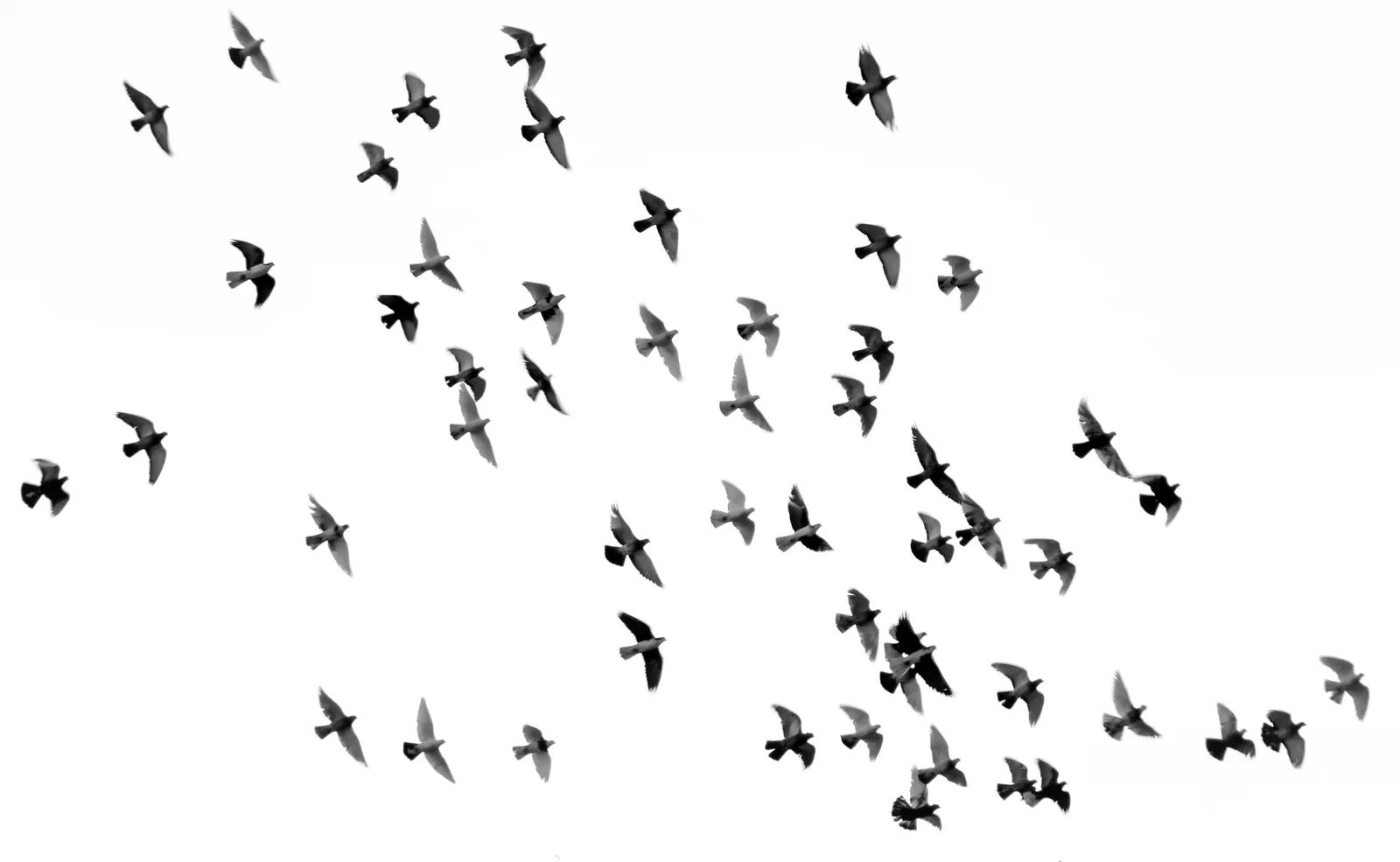
Louisiana sits at a pivotal point along one of North America’s major migration corridors, drawing hundreds of millions of birds each spring and fall as they travel between breeding grounds in the north and wintering areas farther south. The state’s location along the Mississippi Flyway turns it into both a first and last landfall for many species making the demanding nonstop crossing of the Gulf of Mexico. With nearly 500 bird species documented within its borders, Louisiana ranks among the nation’s birdiest states, a distinction that carries added weight during the current fall migration window. ([1])
Position Along a Major Flyway Shapes the State’s Role
The Mississippi Flyway funnels birds through Louisiana in concentrated numbers, especially during the peak fall period that runs from mid-August into late October. Birds such as Bobolinks, White-rumped Sandpipers, and Hudsonian Godwits rely on the state’s coastal and inland habitats as essential rest and refueling stops after crossing hundreds of miles of open water. This geographic advantage explains why observers can record dramatic shifts in local bird populations from one week to the next as migrants arrive or depart. The same position that benefits birds also places them in close contact with human development. Coastal marshes, urban edges, and industrial zones all lie along typical flight paths, creating a mix of resources and hazards that varies by species and weather conditions.
Nighttime Lights and Glass Create Documented Hazards
Most migratory species travel after dark, navigating by stars and Earth’s magnetic field. Artificial lighting from cities, highways, and industrial sites can pull birds off course, trapping them in illuminated zones where they expend critical energy reserves. Glass surfaces compound the problem by appearing either transparent or reflective, leading to collisions that contribute to an estimated one billion bird-building strikes across the United States each year. Long-term monitoring shows migratory bird populations have declined by roughly 28 percent over the past five decades, with habitat loss and light pollution cited among the contributing factors. Species undertaking extreme nonstop flights, such as certain thrushes that cover distances exceeding the width of the Gulf in a single journey, prove especially sensitive to these disruptions because they arrive with minimal energy reserves.
Targeted Lighting Reductions Offer Measurable Relief
The Lights Out Louisiana program encourages residents and businesses to extinguish nonessential outdoor lighting between 11 p.m. and 6 a.m. during both spring and fall migration windows. Participants report lower energy costs alongside the conservation benefit, while motion-sensor fixtures provide an alternative when safety concerns require illumination. By reducing the size and intensity of light bubbles over developed areas, the effort helps birds maintain efficient flight paths toward suitable stopover habitat rather than urban centers. Erik Johnson, a bird conservation scientist and assistant professor at LSU’s School of Renewable Natural Resources, has noted that strategic light management supports navigation and reduces exhaustion for birds already operating near their physiological limits. His earlier work with the National Audubon Society reinforced the value of coordinated, landscape-scale actions that complement habitat protection.
Research Highlights Vulnerability and Opportunity
Studies of individual migrants reveal that some species complete single flights longer than the Gulf crossing itself, underscoring how narrow the margin for error can be. These journeys demand precise timing and access to quality habitat upon arrival, conditions that Louisiana’s wetlands and forests help supply when intact. Johnson’s observations also point to the cumulative effect of small, repeated disturbances along the route. Local organizations, including the Louisiana Wildlife Federation, have maintained partnerships with researchers and state agencies for more than a decade to advance both habitat restoration and public outreach. These efforts focus on measurable outcomes such as reduced collision rates and improved stopover quality rather than broad claims of recovery. What matters now is recognizing that fall migration is already underway and that everyday decisions about lighting and landscaping can influence outcomes for birds passing overhead. Observers who note changes in backyard species from week to week are witnessing part of this continental movement, even when the birds themselves remain unseen at night.