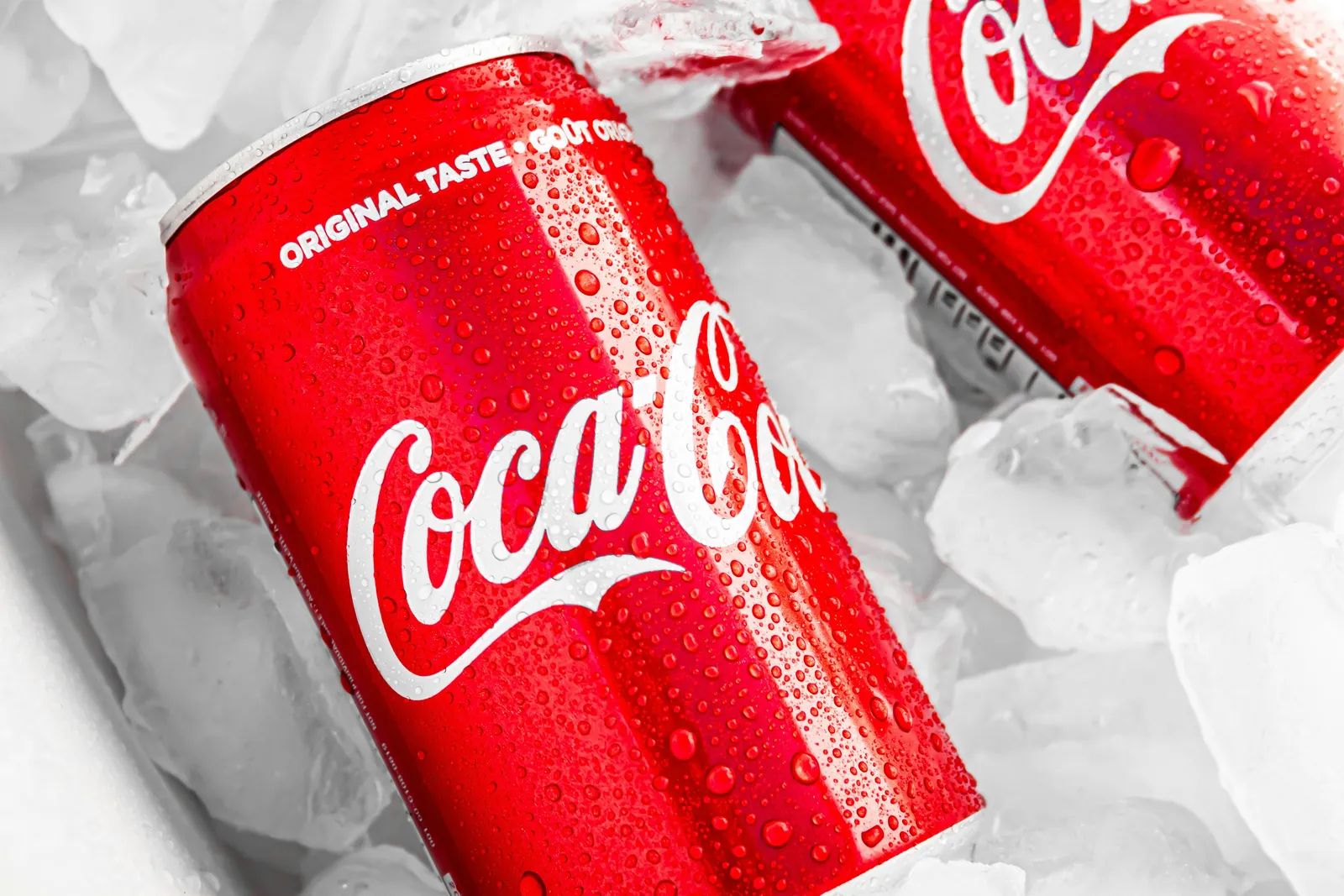
Many households discover a forgotten case of Coke tucked away in the garage or basement long after the stamped date has passed. The drink does not spoil in the way perishable foods do, yet changes in taste and carbonation become noticeable over time. Regular Coke and its diet versions behave differently because of their sweeteners, and storage conditions play a major role in how well the product holds up. ([1])
Why the Drink Resists Bacterial Growth
Phosphoric acid gives cola its signature tartness and creates an environment where most bacteria and molds struggle to multiply. The same acidity remains even after the carbonation fades, which explains why flat Coke stays chemically inhospitable to the organisms that cause foodborne illness. Carbonation itself adds another layer of protection in sealed containers, though the bubbles escape gradually through plastic walls more readily than through aluminum or glass.
Food safety experts note that this combination keeps sealed, undamaged cans and bottles from becoming unsafe in the typical sense. The main issues that arise are quality related rather than safety related, with flavor and fizz declining first.
The Meaning of the Printed Date
Coca-Cola describes its “best if used by” marking as the final day the product meets peak taste and quality standards under proper storage. Federal guidance from the USDA reinforces that dates on shelf-stable items like soda serve as quality indicators, not safety deadlines. A product that passes its date can remain acceptable if the container stays intact and shows no signs of damage.
Extremely old examples fall outside normal guidance. A University of Georgia food safety specialist observed that while acidity limits bacterial risks, no research confirms the safety of soda stored for decades, and such items are best kept as souvenirs rather than consumed.
How Sweeteners and Packaging Influence Longevity
Regular Coke relies on sugar or high-fructose corn syrup, which hold their sweetness reliably. Diet versions use aspartame, which breaks down more quickly when exposed to heat. Studies reviewed by the FDA showed that aspartame retention drops noticeably above 86°F, leaving the drink tasting thinner and less sweet well before any visible change occurs.
Packaging matters for carbonation retention. Aluminum cans and glass bottles form tighter barriers against escaping gas than plastic bottles, so a sealed can often stays lively longer than a two-liter bottle stored in the same conditions. Heat accelerates both flavor loss in diet colas and the escape of carbon dioxide across all formats.
Practical Storage and Handling Advice
Keep unopened cans and bottles in a cool spot away from direct sun and temperature swings. General USDA recommendations for shelf-stable foods suggest staying below 85°F whenever possible, since higher heat speeds quality decline without creating immediate safety concerns in intact containers.
Once opened, transfer the remainder to a tightly capped bottle and refrigerate to preserve fizz as long as possible. Plan to finish the drink within a day or two for best results. Discard any can or bottle that bulges, leaks, or shows rust, regardless of the date.
What matters now: Check the container first for damage, then evaluate taste and carbonation. Most forgotten Coke remains safe to try if it looks and smells normal, though the experience may be flatter and less vibrant than a fresh can.
Recognizing Real Problems Versus Normal Aging
Normal aging shows up as softer fizz or a milder flavor, especially in diet varieties. These changes do not indicate spoilage. In contrast, mold, floating particles, a sour or chemical odor, or any bulging or leaking container signal that the product should be thrown out without tasting.
Opened soda left at room temperature for extended periods also warrants caution because exposure to air and possible mouth contact reduces the protective effect of acidity. Refrigeration after opening remains the simplest way to slow quality loss.
Ultimately, the forgotten can in the pantry rarely poses a health risk when the container remains sealed and undamaged. The real decision comes down to whether the taste and fizz still meet expectations, a judgment that depends on storage history and whether the cola is regular or diet. Keeping a cool, stable environment and finishing opened bottles promptly preserves the experience most effectively.