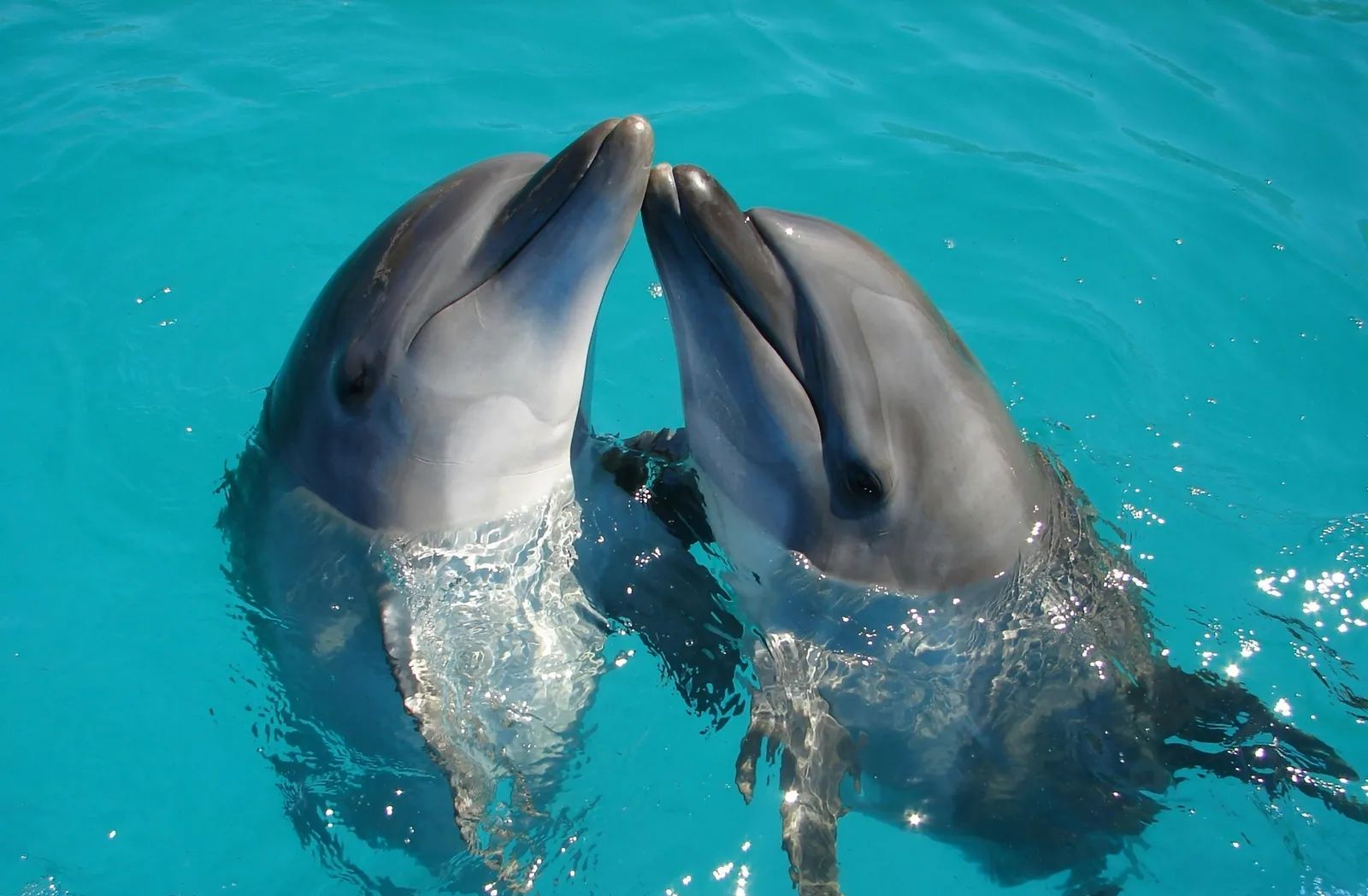
Marine researchers have uncovered a clear pattern in how bottlenose dolphins use their environment along Florida’s Atlantic coast. The animals maintain distinct zones for feeding and hunting versus the areas where they communicate and socialize. This separation emerged from months of underwater recordings collected by an autonomous vehicle. The findings come from a study published in the journal PeerJ. ([1])
Listening in on daily routines
Scientists deployed a solar-powered wave glider for two months along the East Florida Shelf. The device traveled between Fort Pierce and Jacksonville while recording 62 hours of underwater sound. It also measured water temperature, salinity, turbidity, and chlorophyll levels. More than 1,600 recordings contained dolphin vocalizations.
Researchers sorted the sounds into two main categories. Whistles served social functions such as maintaining contact with other dolphins. Rapid clicking sequences, known as echolocation, helped the animals locate prey. The two types of calls rarely overlapped in the same locations.
Distinct habitats for different behaviors
Laurent Chérubin of Florida Atlantic University’s Harbor Branch Oceanographic Institute led the project. He noted that the dolphins showed clear preferences for where they performed each activity. “They have distinct habitats that correspond to different behaviors,” Chérubin said. The pattern held across the data even as environmental conditions varied.
The glider’s ability to operate independently for extended periods proved essential. Solar power and wave action allowed it to cover wide areas without frequent human intervention. This approach captured a broader picture than traditional boat-based surveys could provide.
What the separation means for conservation
Understanding these spatial preferences can help protect critical areas for both feeding and social interaction. Overlapping human activities such as shipping or coastal development might affect one behavior more than the other. Managers could use the acoustic data to identify priority zones for protection.
Further work will examine whether the same pattern appears in other dolphin populations. Seasonal changes and prey availability may also influence how strictly the animals maintain the separation. The current study provides a baseline for tracking those shifts over time.
Next steps in acoustic monitoring
Improved sensors and longer deployments could reveal finer details about individual dolphin movements. Combining acoustic data with visual observations would strengthen the behavioral classifications. Such integrated methods are becoming standard in marine mammal research.
The results highlight how technology can uncover subtle aspects of animal behavior that remain hidden from surface observations alone. Continued monitoring will show whether these separate waters remain stable or shift with changing ocean conditions.