Most Americans arrive at a European beach with a simple plan. Find a spot, put down a towel, maybe light a cigarette or turn on a speaker, and stay until sunset. Plenty of coastlines in Spain, France, Italy, Greece and Portugal now work differently.
Rules often change from one town to the next, sometimes within a few kilometers, and local authorities have been adding new ones in the 2024 to 2026 seasons. Here are five that tend to catch visitors off guard, along with the details that make them real.
Smoking and Vaping Are Banned on a Growing Number of Beaches

France now has a nationwide ban on smoking on beaches that border designated bathing waters. The prohibition came in last year, with fines of €135 for violations.[1] A cigarette on the sand that would be unremarkable back home can turn into a paid ticket.
Spain is more patchwork. More than 600 Spanish beaches have banned smoking and vaping, including those in Barcelona, San Sebastián and many in the Canary Islands and Balearics.[1] A national expansion has been in the works, but as of July 2026 Spain had not introduced a new nationwide ban on smoking and vaping on every beach,[2] so local signs and municipal rules are what count.
You Can’t Claim a Spot With Towels and Umbrellas
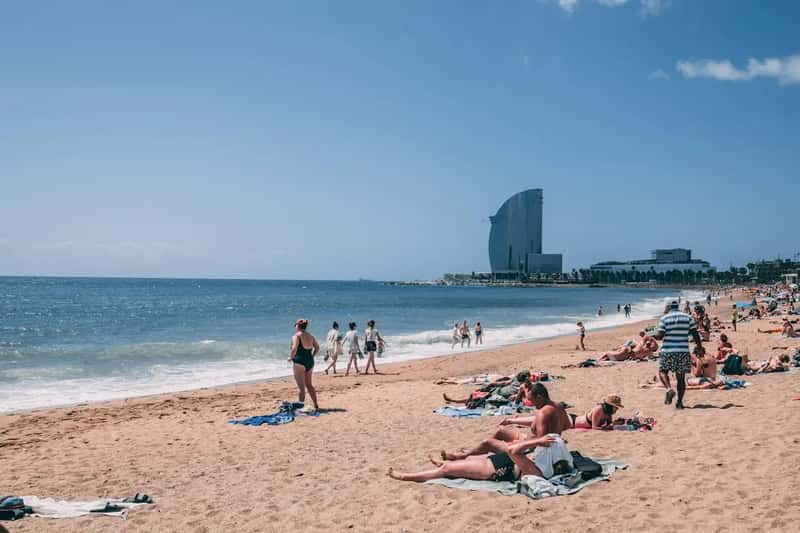
Many Americans think of dropping a towel early and wandering off for breakfast as basic beach strategy. In parts of Spain, it’s an offense. In Calpe, on the Costa Blanca, beachgoers can’t leave chairs, sunbeds or parasols on the sand before 9.30am.[1]
The penalty can be steep. Transgressors face a €250 fine, and police confiscate the belongings and take them to the municipal depot.[1] Reserving beach spots with towels or umbrellas can cost up to €750 in Benidorm and €300 in Malaga,[3] and since every municipality can add its own local ordinances,[3] the specifics depend on where you’re standing.
Taking Sand and Shells Home Can Cost Thousands
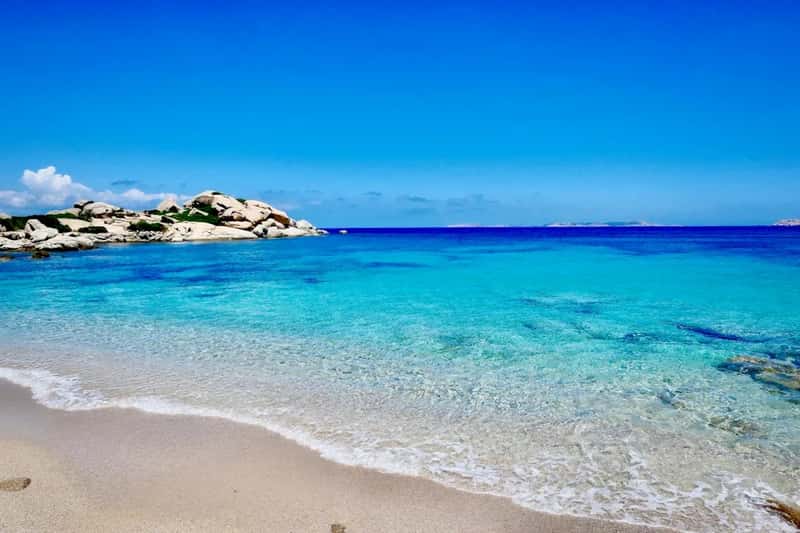
A pocketful of sand seems like the most harmless souvenir there is. On Sardinia, it’s illegal. A 2017 regional law set fines from 500 euros to 3,000 euros,[4] and enforcement has been real. Customs police once fined 41 people who tried to leave with about 100 kilograms of sand, seashells and beach rocks.[4]
Some beaches now go further to limit how much sand leaves by accident. At La Pelosa, visitors must place a mat beneath their beach towels to reduce the amount of sand carried away.[5] Local authorities said the rule would be enforced more strictly, with fines of 100 euros collected on the spot.[6] Access to certain Sardinian coves is capped too, and on two beaches in the La Maddalena archipelago only 60 people a day can visit, booking online in advance.[6]
Greek Sunbeds Are Being Pushed Off the Sand
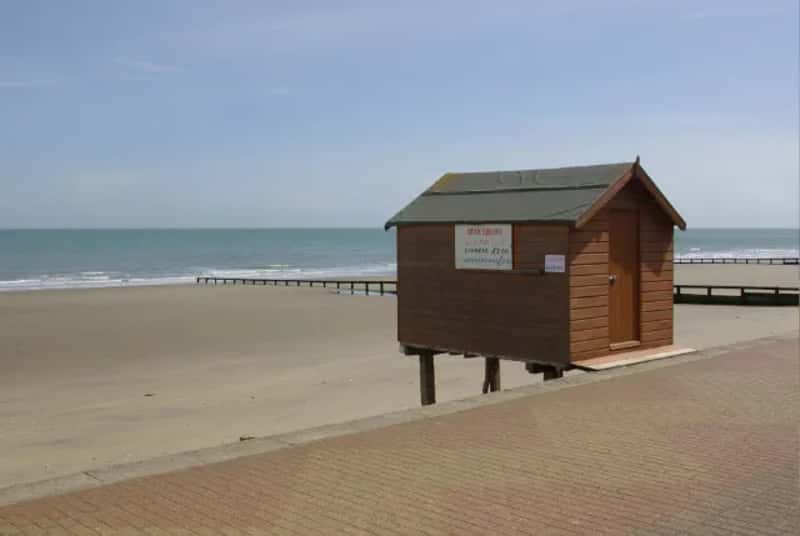
Greece takes a different approach to beach access, and it may surprise visitors used to resort style rows of loungers. By law, beaches in Greece must be at least seventy percent free of sunbeds, or eighty five percent in protected areas.[7] Businesses that rent out sunbeds need a permit, which is awarded through online auctions.[7]
The strictest category is the so called untrodden beaches. The 2026 list includes 251 beaches, compared with 238 the year before and 198 in 2024.[8] These beaches don’t permit any kind of building, including sunbeds and umbrellas for hire and temporary wooden structures.[1] Access is also protected, since blocking the way to a beach can bring fines from 2,000 to 60,000 euros.[9] In practice, that often means bringing your own towel and umbrella.
Loud Speakers and Beach Clothes Away From the Sand Draw Fines
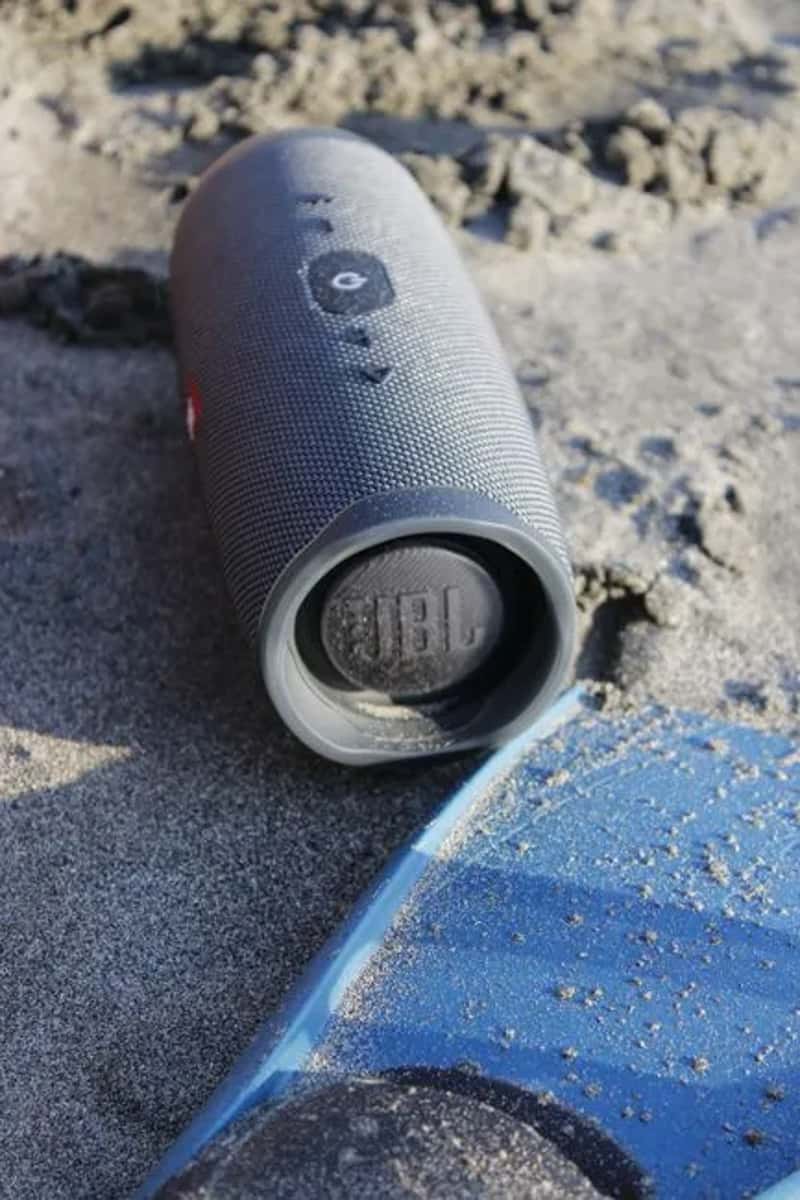
Portable speakers are a fixture of American beach days, but Portugal has clamped down. The National Maritime Authority banned speakers blasting at high volumes beginning in 2023.[1] Playing portable speakers loudly can bring fines of €200 to €4,000 for individuals.[5] Headphones are the safer choice.
What you wear once you leave the beach matters as well. In Albufeira, wearing only swimwear outside designated beaches, hotel areas or pools can lead to fines of €300 to €1,500.[5] It isn’t only Portugal. Walking city streets in a swimsuit is forbidden in several French Riviera towns, including Nice and Cannes, and in Dubrovnik and Split in Croatia.[10] Carrying a cover up and a pair of shorts is an easy way to stay on the right side of these rules.