You’ve settled into your seat, the flight attendants are rolling down the aisle with the beverage cart, and suddenly you’re faced with what seems like a simple decision. Yet what you order can mean the difference between arriving at your destination feeling fresh or completely drained. Let’s be real, most of us don’t give much thought to our in-flight drink choices beyond what sounds good in the moment.
What many passengers don’t realize is that flying creates a unique environment where your body reacts differently to beverages than it would on the ground. The combination of cabin pressure, reduced humidity, and high altitude can transform an innocent drink order into something that makes you uncomfortable for hours. Here’s the thing: flight attendants know exactly which drinks to avoid, and it’s time you did too.
Coffee and Hot Tea Brewed Onboard
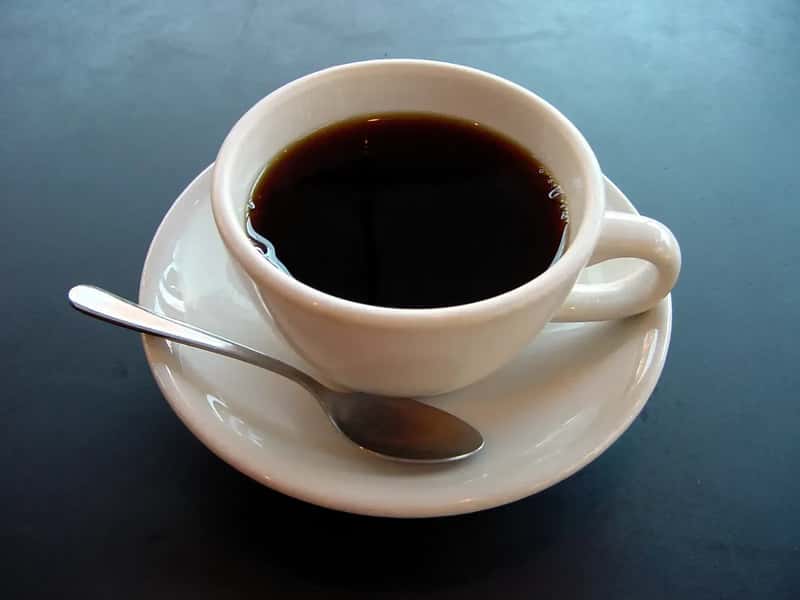
I’ll be honest, this one shocked me when I first learned about it. That morning cup of coffee you crave on an early flight is brewed using tap water from the airplane’s onboard water tanks. Airplane drinking water is stored in onboard tanks and distributed through plumbing to galleys and lavatories, and these systems can face stagnation, temperature fluctuation, and maintenance complexity, all of which can contribute to microbial contamination risk.
A 2026 study analyzed 35,674 total sample locations tested for total coliform bacteria across all airlines, and of these, 949 locations tested positive for total coliform, representing roughly three percent. Former flight attendant Alex Quigley revealed something truly disturbing: there’s no telling how often the tanks have been cleaned last, and crew members were instructed to pour leftover coffee out into the toilet. Flight attendants rarely drink the coffee or tea themselves, which should tell you everything you need to know.
Plain Tap Water and Drinks With Ice
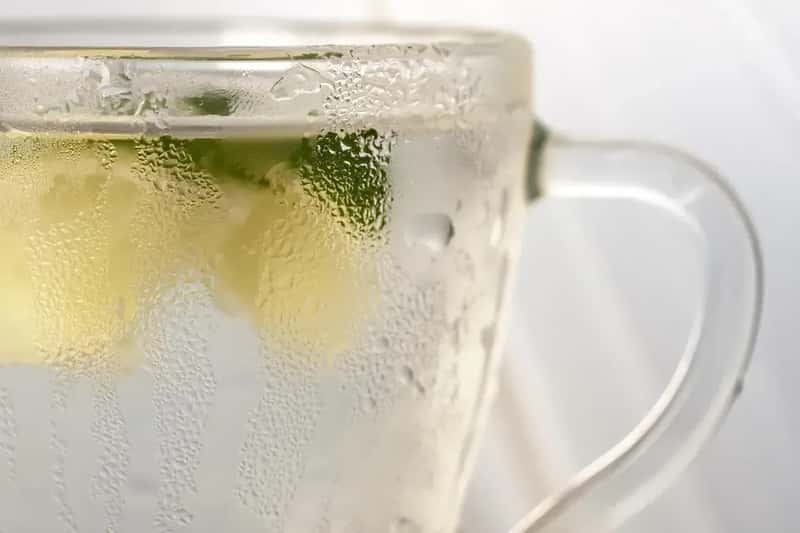
A 2019 study showed that water tanks onboard many flights aren’t cleaned often or thoroughly enough to completely prevent the growth of harmful bacteria, including E. coli. Among major carriers, American Airlines and JetBlue received the lowest scores in the 2026 airline water study, both earning Grade D ratings. Think about that next time you’re tempted to ask for a glass of water without specifying bottled.
Current U.S. airline regulations require water tanks providing drinking water to passengers to be cleaned four times a year, though they can be cleaned less frequently if tested for bacteria more often. Experts recommend never drinking any water onboard that isn’t in a sealed bottle, avoiding coffee or tea onboard, and not washing your hands in the bathroom but using alcohol-based hand sanitizer containing at least 60 percent alcohol instead. The ice cubes? They’re made from the same questionable water supply.
Diet Coke and Carbonated Sodas
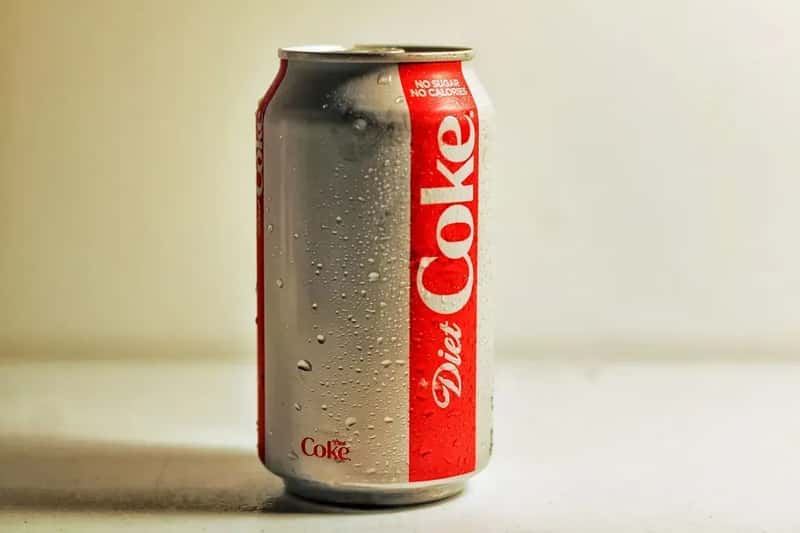
Here’s something most passengers never consider. Airplanes are pressurized to about 7,000 feet, and this change in pressure means carbonated beverages act differently, becoming foamier and bubblier than they would be on the ground, with Diet Coke being the worst option. High elevation and cabin pressure make carbonated beverages fizz more, as do artificial sweeteners, meaning flight attendants must take more time to pour a Diet Coke.
The inconvenience to the crew is one thing, but there’s also what soda does to your body at altitude. Carbonation isn’t great for passengers’ digestive systems because a carbonated beverage in flight can exacerbate the increase in intestinal gas, which typically expands up to 30 percent due to the decrease in barometric pressure. Flying already makes you bloated enough without adding extra gas into the equation.
Alcoholic Beverages in General
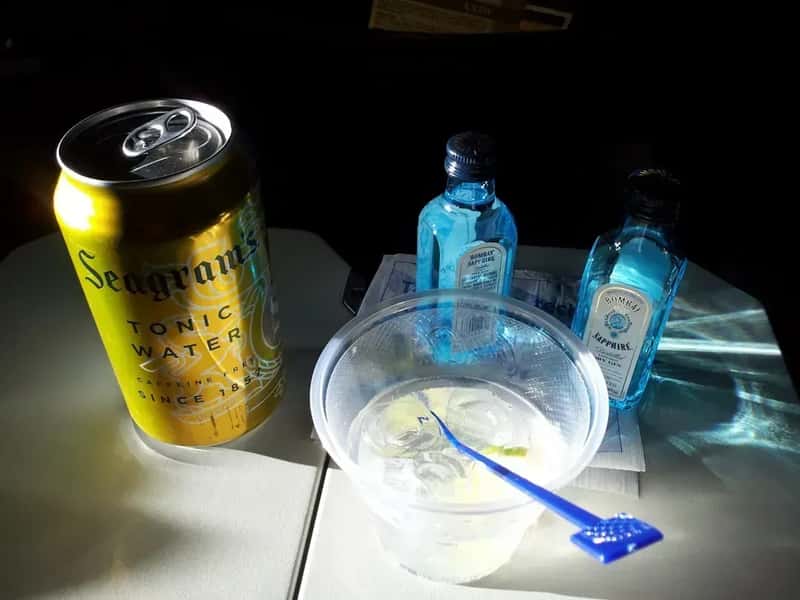
You might think that in-flight cocktail will help you relax or sleep, but the science tells a different story. New research found that alcohol compounds the effects of high altitude on people’s bodies, putting an extra burden on the cardiovascular system, reducing blood oxygen levels, compounding dehydration, and impairing sleep quality. Lower oxygen levels at high altitudes can impair the body’s ability to metabolize alcohol efficiently, meaning even a small amount of alcohol can lead to a higher blood alcohol concentration than it would at sea level, with passengers feeling effects more quickly and intensely.
Airplane cabins have humidity levels often below 20 percent, and alcohol is a diuretic that increases urine production and causes the body to lose more fluids, which when combined with the already dehydrating environment of an airplane cabin can lead to significant dehydration. Travel expert Rana Good explains that one drink in the air is the same as two drinks on the ground. The cognitive impairment is also heightened, making it easier to become disoriented or uncomfortable during your flight.
Sugary Juices and Sweet Sodas
According to the World Health Organization, a commercial airline cabin simulates the experience of being atop a 5,000 to 6,000-foot mountain, dulling saltiness and sweetness on the palate, which can make it easy to overdo it on sweet sodas and juices during your flight without even realizing it. Your taste buds are essentially numbed by altitude, so you might not register just how much sugar you’re consuming.
Travel health expert Gabe Cuneo advises avoiding anything high in sugar such as soda and juice, especially on long-haul flights, as increasing your consumption of sugar can lead to headaches, nausea, and a more difficult time adjusting to the local time difference once you land. The sugar crash combined with jet lag is a miserable combination. The average humidity in an aircraft cabin sits at around 20 percent, which makes your skin and eyes more likely to dry out than most normal atmospheric conditions, and sugar only compounds these dehydration effects.
Final Thoughts on In-Flight Hydration
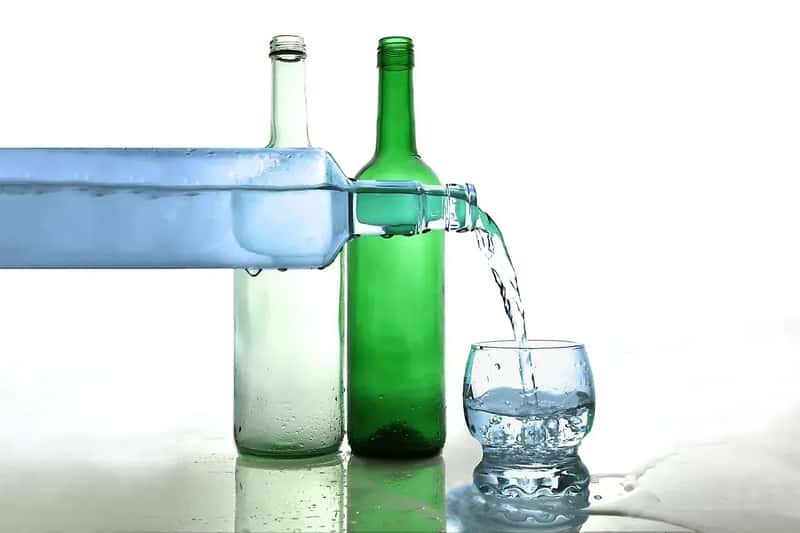
Honestly, after learning what really goes on behind the scenes with airplane beverages, I stick to sealed bottled water now. The safest bet is always requesting bottled water and avoiding anything that comes from the airplane’s water system. Yes, it might seem overly cautious, but when you consider that nearly three percent of water sample locations tested positive for bacteria in recent studies, it’s worth being selective.
Your best strategy is bringing an empty reusable water bottle through security and filling it at a water fountain in the terminal before boarding. Stay away from anything brewed onboard, skip the salty and sugary options, and if you must have alcohol, limit yourself to just one drink with plenty of water alongside it. Your body will thank you when you land feeling refreshed instead of dehydrated and bloated.
What’s your go-to drink when flying? Have you noticed a difference in how you feel after certain beverages at altitude? The next time that beverage cart rolls by, you’ll know exactly what to skip.