Picture a retirement road trip and most people see the same thing: thousands of miles, a packed itinerary and a driver gripping the wheel at hour nine. Travel guides written for retirees keep pointing to something very different. The roads that come up again and again have easy pull-offs, short hops between stops and views you can enjoy without a long hike.
Some of these routes are household names. Others barely register on most bucket lists. One has 620 curves, one squeezes through a granite tunnel narrow enough to turn away some RVs, and the most beloved of all is still recovering from one of the costliest disasters in National Park Service history.
#13 – The Overseas Highway: A Road That Used to Be a Railroad
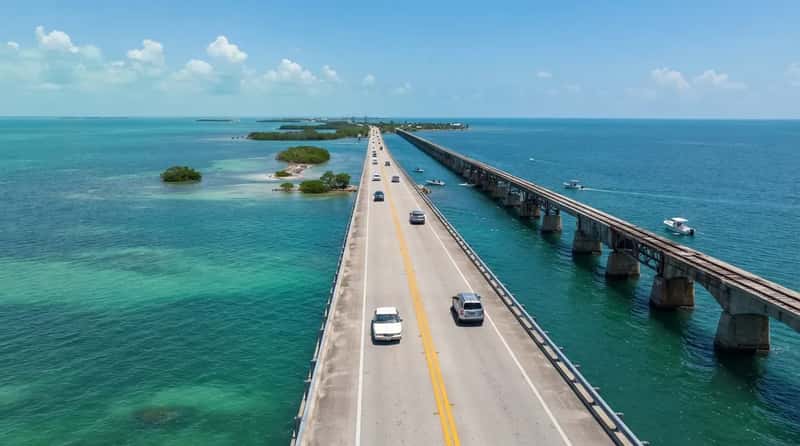
The Overseas Highway ties the Florida Keys to the mainland, and the drive runs about 113 miles with the Atlantic on one side and the Gulf of Mexico on the other. Other guides measure it from Miami and put the trip closer to 160 miles. Either way, it’s flat and easy. You cross dozens of bridges, including the famous Seven Mile Bridge, with open water on both sides.
Fishing, snorkeling and kayaking stops are everywhere, so you can fill a whole day without ever hiking. The catch is that traffic can crawl on weekends and holidays. Start early and leave extra time for lunch, because the slow stretches are where you’ll find the best seafood shacks.
#12 – Roaring Fork Motor Trail: The Short Drive With a 50-Cent Sidekick
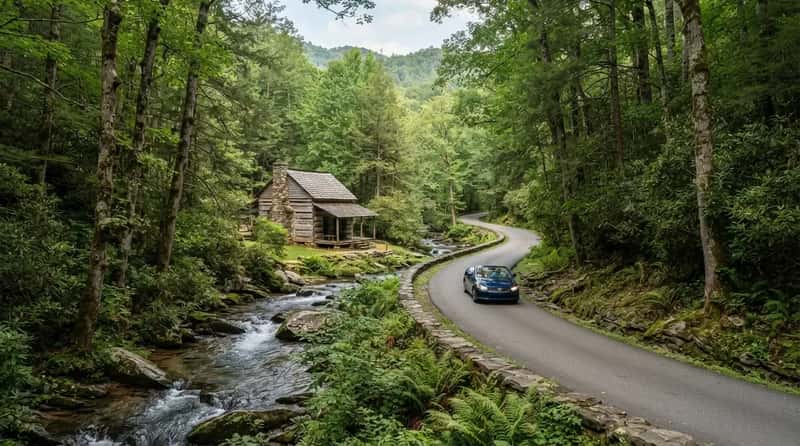
The Smokies are famous for crowds, and Roaring Fork Motor Nature Trail is the quiet exception. It’s a short one-way loop near Gatlinburg that winds past old log cabins, rushing streams and mossy forest. Large RVs and trailers don’t belong on it, which keeps the pace gentle. You can see old mountain homesteads right from your car window.
Gatlinburg is also easier on a retirement budget than its reputation suggests. Kiplinger notes that retirees can camp or book lodging in the Smokies for roughly $50 to $300 a night and eat local Southern meals for about $10 to $15 a person. It also points out that trolley rides cost just 50 cents with a senior discount. Park the car once and let the trolley deal with the traffic.
Fast Facts
- The loop is one-way and roughly 5.5 miles, so it’s easy to fit into a half day.
- Trailers and large RVs aren’t a good fit for the narrow road.
- Lodging in the Smokies runs about $50 to $300 a night, per Kiplinger.
- A senior trolley ride in Gatlinburg costs 50 cents.
#11 – Highway 61: The Blues Road That Isn’t About the Scenery
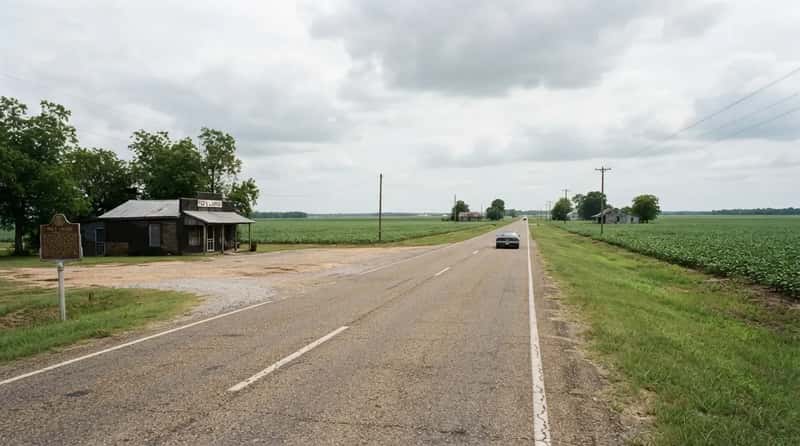
Most scenic-drive lists lead with mountains and oceans. Highway 61 does something different. The stretch from Memphis into Mississippi is described as scenic, but it’s really valued for its musical history. The flat Delta farmland is the point, because it’s the landscape the blues grew out of.
Clarksdale, Mississippi, is the obvious stop, and the Delta Blues Museum is there. Many travelers say the best part is a small juke joint on a weeknight, not a famous landmark. That’s an opinion, not a fact, but it shows why this route divides people. Some call it a quiet masterpiece and others call it a long drive past cotton fields.
#10 – The Great River Road: Please Don’t Drive the Whole Thing
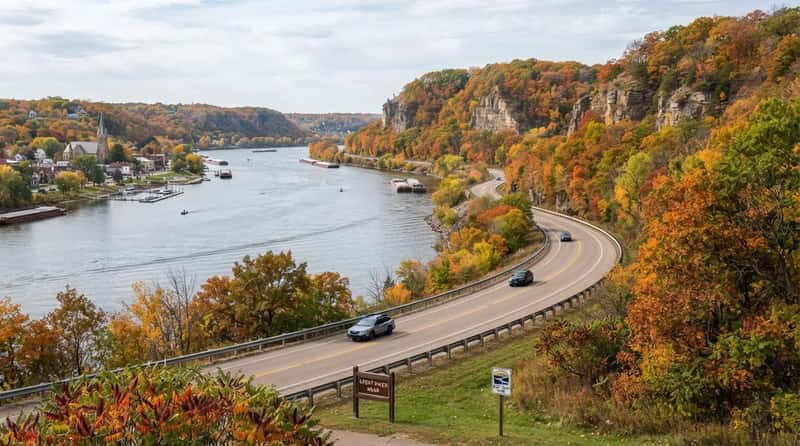
This route is a trap for overachievers. The Great River Road follows the Mississippi for more than 2,000 miles through 10 states, from Minnesota down to Louisiana. Most retirees will never need to see every mile. The smartest trips pick one stretch and stay put for several days.
The river changes character as you go. Up north you get bluffs, small lock-and-dam towns and fall color. Farther south the road passes historic cities and old plantation country. Guides pitch it as a slow drive for people who love history, so pick a hundred miles that match your interests and give each day only one or two real stops.
Quick Compare
- Upper river: bluffs, small lock-and-dam towns and fall color.
- Lower river: historic cities and old plantation country.
- Best pacing: about 100 miles, with one or two real stops a day.
#9 – Alaska’s Seward Highway: 127 Miles of Glaciers Before Lunch
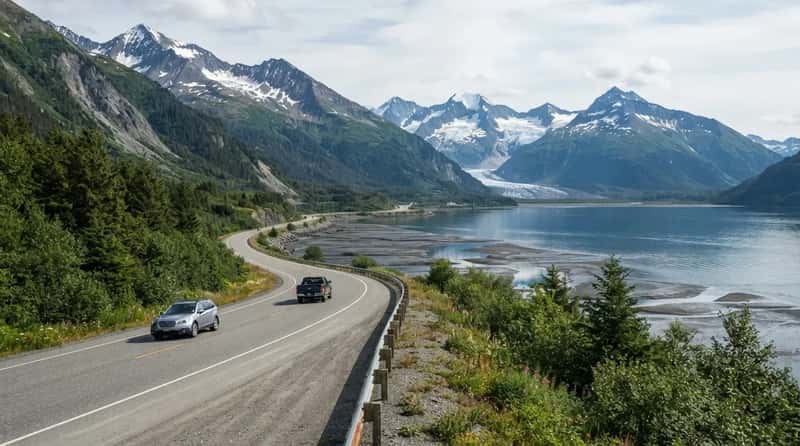
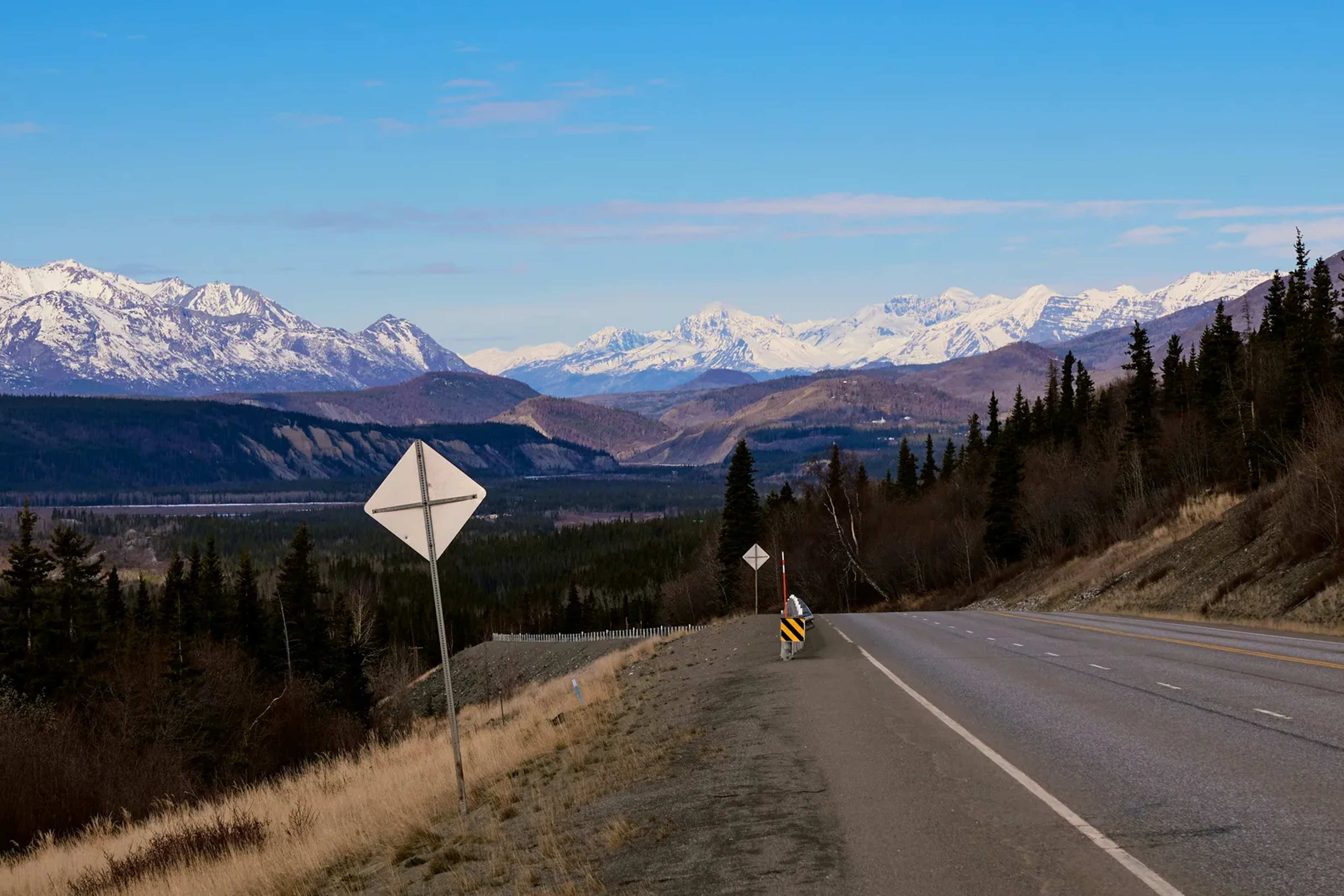
Alaska sounds like an expedition, but this drive doesn’t need to be one. The 127-mile route from Anchorage to Seward passes glaciers, fjords and wildlife viewing spots. You can see a lot of Alaska without ever leaving a paved road. The first stretch follows Turnagain Arm, where mountains rise straight out of the water.
Summer is the easy season, and the daylight is part of the magic. Long evenings mean you never have to rush to reach a hotel before dark. Book lodging in Seward early, since small towns fill up fast.
#8 – The Road to Hana: Overhyped, or Worth Every Curve?
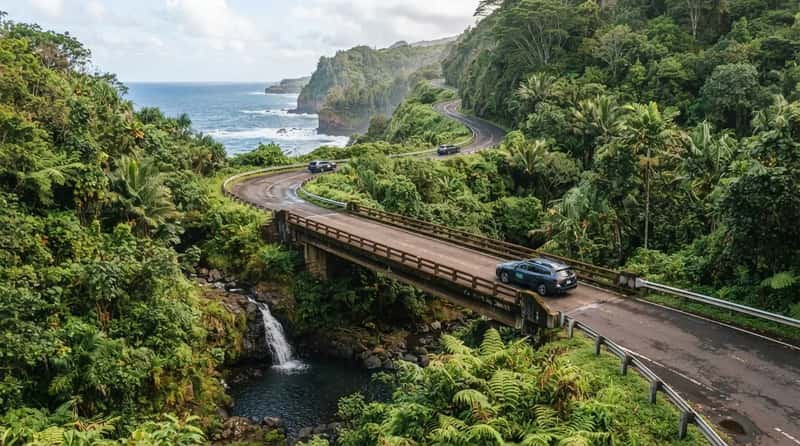
Here’s the controversial one. Maui’s Hana Highway runs about 68 miles and has 620 curves and 46 one-lane bridges. One retirement guide puts the length at 64 miles, which tells you the road is hard to pin down. For some retirees it’s the highlight of the whole trip. For others it’s a stressful day stuck behind a rental-car convoy. That one-lane-bridge count is why many drivers say to treat it as a full-day trip.
The road passes rainforest, waterfalls, black sand beaches and cliff-lined coast. One guide says it’s best enjoyed at a leisurely pace. Whether it’s worth it comes down to how you feel about tight turns and one-lane bridges.
#7 – Monterey’s 17-Mile Drive: Big Views, Almost No Walking
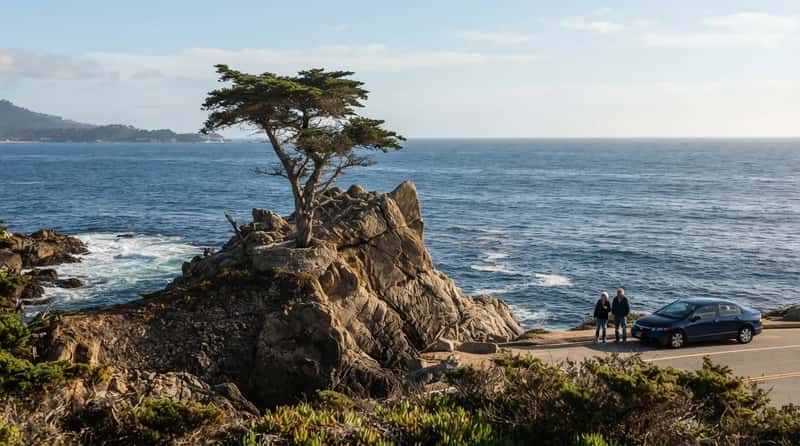
If you want the California coast without the stamina test, this is the route. Retirement Net describes Monterey and Carmel as a relaxed place to explore, with coastal drives, an aquarium and seaside restaurants. It also names the 17-Mile Drive as a way to get great views without long walks. You can take in the famous Pebble Beach shoreline from a parked car.
The drive runs through private Pebble Beach property and is gated, so expect to pay a fee at the entrance. The Lone Cypress is the stop everyone photographs. Go on a weekday morning if you can, because the pull-offs are small and fill up quickly.
#6 – Peter Norbeck Byway: The Tunnel That Turns RVs Around
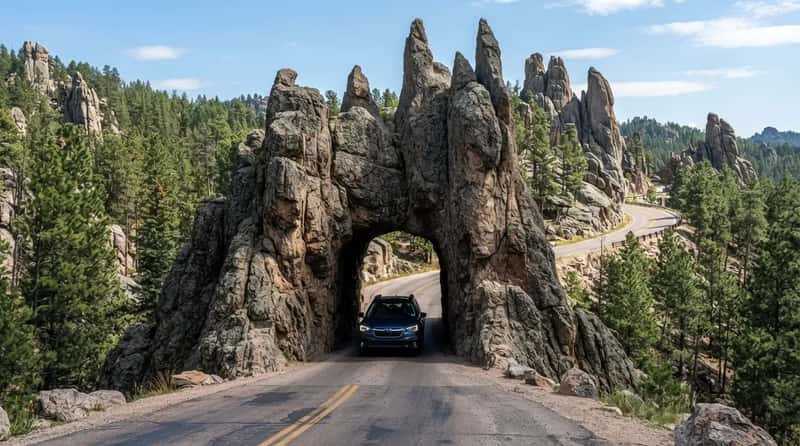
The Peter Norbeck Byway winds through South Dakota’s Black Hills, with mountain views, forests, camping, fishing and historic sites. The Needles Highway section is the part that surprises people. One granite tunnel, the Needles Eye, is only about 8 feet wide, so some larger RVs simply can’t fit.
If you’re towing or driving a big motorhome, check your dimensions before you go. In a standard car, the byway turns into a series of short, rewarding drives instead of one long haul. Stop at Mount Rushmore, Custer State Park and the small towns in between.
#5 – Utah’s Route 12: Two National Parks and a Ridge That Tests Your Nerves
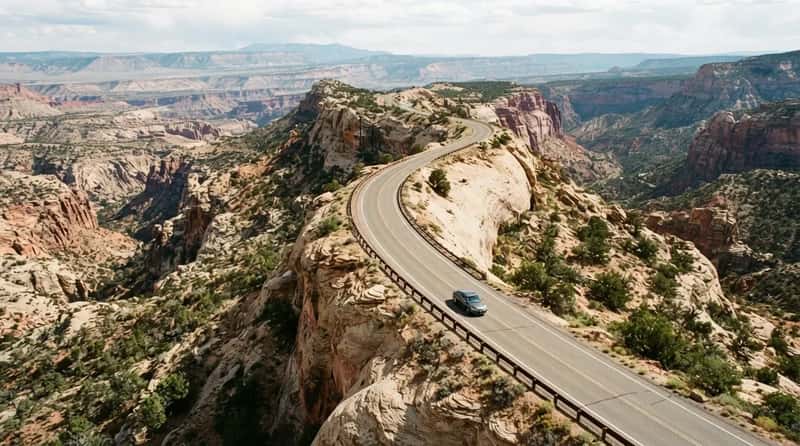
Route 12 is a 124-mile All-American Highway through forests, two national parks and many natural areas. Those parks are Bryce Canyon and Capitol Reef, which makes it one of the highest-reward drives in the country. One stretch, known as the Hogback, runs along a narrow ridge with steep drop-offs on both sides.
That ridge section is paved and well traveled, but it isn’t for everyone. Some retirees love it. Others slow to a crawl or skip it. Weather can also change quickly at higher elevations, so check conditions before you head out. Plan on two days instead of one, with an overnight in a small town like Torrey or Escalante.
At a Glance
- Length: about 124 miles, with All-American Highway status.
- Big draws: Bryce Canyon and Capitol Reef national parks.
- The nerve-tester: the narrow Hogback ridge, with drop-offs on both sides.
- Smart plan: two days, with a night in Torrey or Escalante.
#4 – Going-to-the-Sun Road: The Glacier Drive That Pays You Back
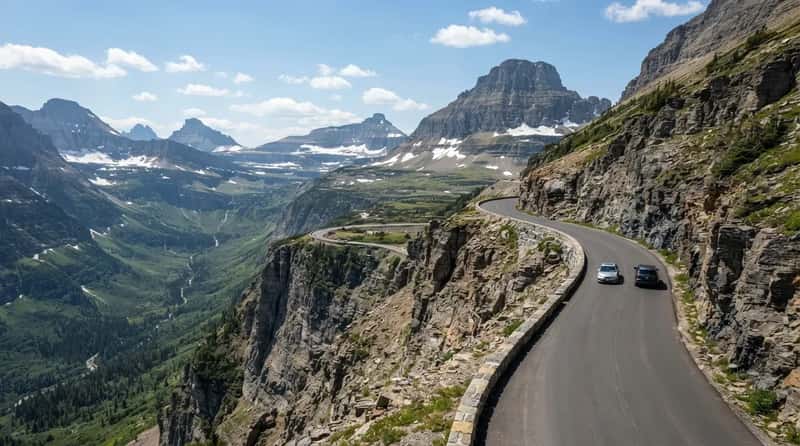
Going-to-the-Sun Road is a 50-mile mountain road through Glacier National Park that crosses the Continental Divide at Logan Pass. It’s not a quick trip. The road is narrow, the drop-offs are real, and it typically opens fully only in summer after the snow is cleared. Many drivers say the scenery beats anything they’ve seen in a national park.
Vehicle size limits apply on the narrow upper section, and reservation rules for entry can change from year to year. Check the park’s current rules before you go. The effort pays off if you’ve got the patience for slow, careful driving.
#3 – Route 66: The Retirement Classic That Works Best in Pieces
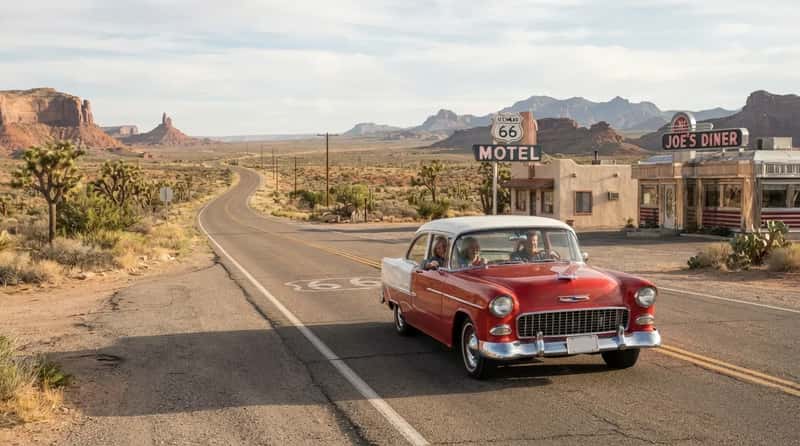
Route 66 runs from Chicago to Los Angeles, a drive of more than 2,000 miles through roadside attractions and classic diners. It’s a nostalgia trip for many Baby Boomers, and for good reason. Small towns along the way still have vintage diners and antique shops. Much of the original road is gone, so you’re often following signs instead of a single highway.
The route’s biggest mistake is trying to do it all at once. Guides describe it as mostly flat and well maintained, which makes it easier than most mountain routes, but it can still wear you out. Pick a state or two, like Arizona, and spend three or four days exploring instead of racing across the country.
Worth Knowing
- The highway was commissioned in 1926 and officially retired from the U.S. highway system in 1985.
- It crossed eight states: Illinois, Missouri, Kansas, Oklahoma, Texas, New Mexico, Arizona and California.
- Today’s drive stitches together old alignments, so a good map helps.
- Doing one state in three or four days beats a cross-country sprint.
#2 – The Pacific Coast Highway: Great Drive, Slightly Overrated as a Whole
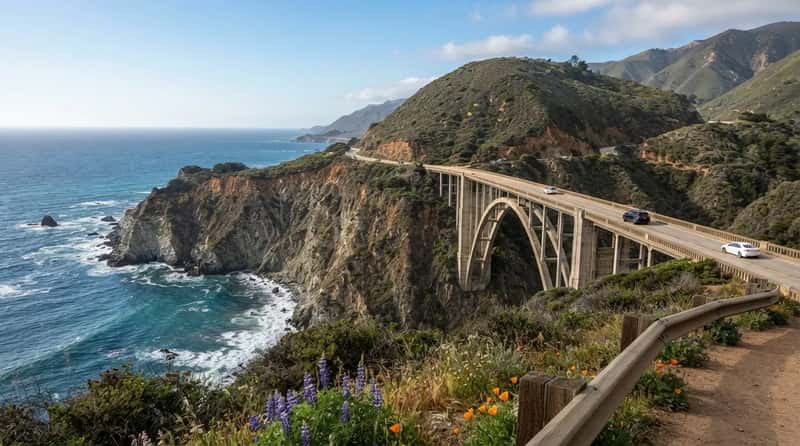
The Pacific Coast Highway runs 656 miles along California’s coast, and you can start in San Francisco and head to San Diego or go the other way. Stops include Point Reyes, Carmel-by-the-Sea, Pebble Beach, Big Sur, Hearst Castle and the Golden Gate Bridge. Some travelers argue the full 656 miles is too much, and the best part is a short Big Sur segment.
That’s a fair point. A shorter trip, from Monterey to Hearst Castle, covers many of the headline sights without the long days behind the wheel. Spend the extra time at a winery or a coastal town and you may see more than you would speeding through.
#1 – The Blue Ridge Parkway: The Road Retirees Keep Coming Back To
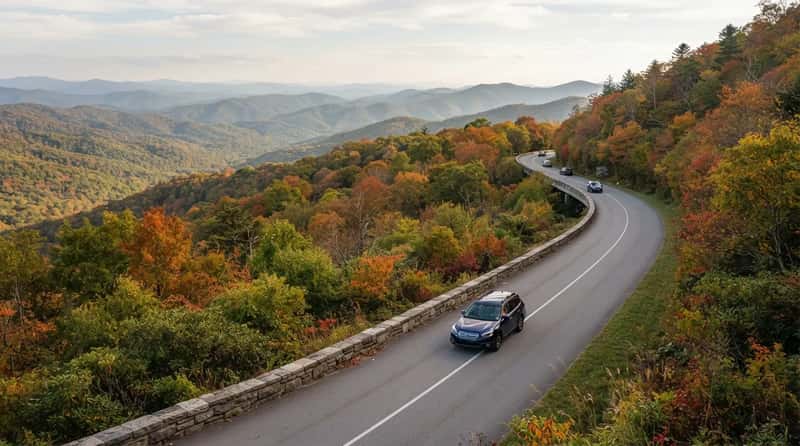
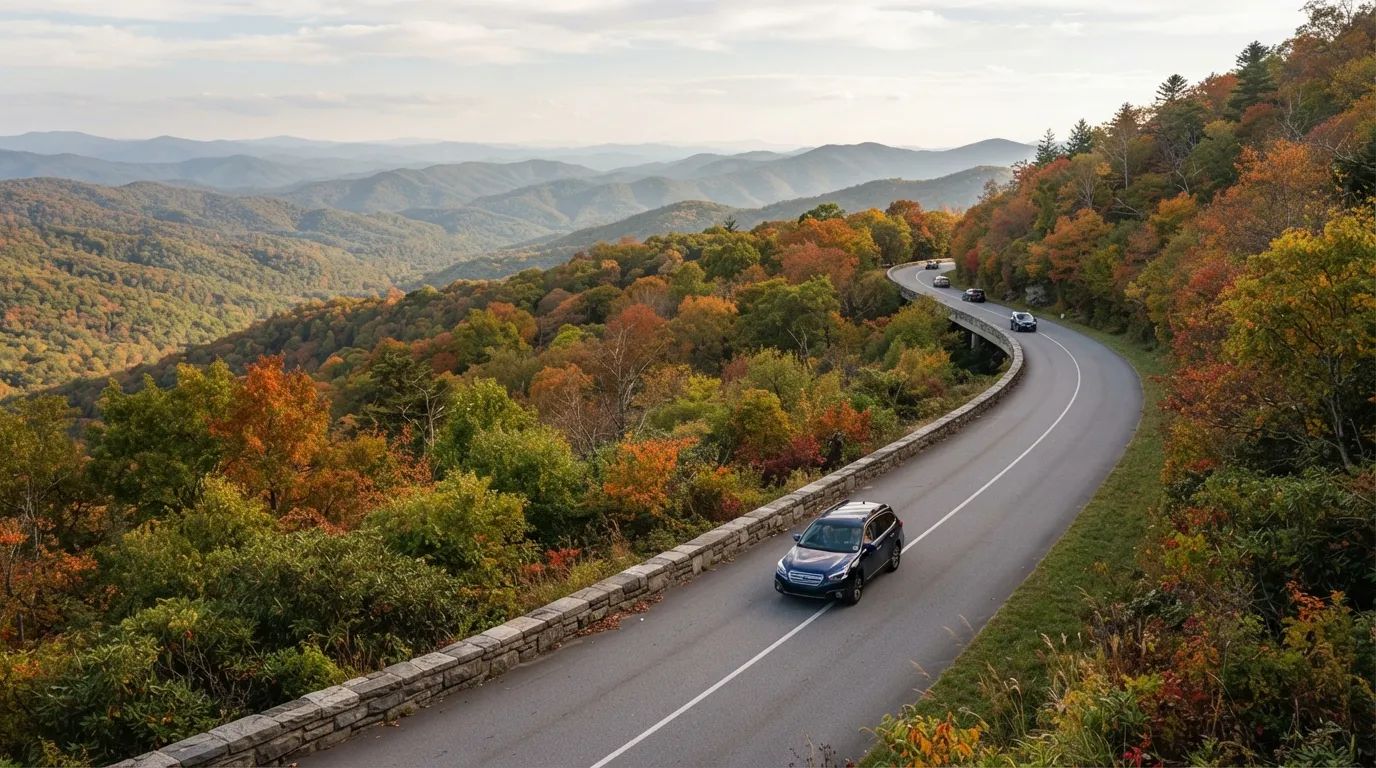
Known as America’s Favorite Drive, the Blue Ridge Parkway runs about 469 miles and links Virginia’s Shenandoah National Park with North Carolina’s Great Smoky Mountains National Park. It was built during the Great Depression as part of the New Deal. It has a low speed limit and countless overlooks, so it suits relaxed exploring. It’s also the most-visited site in the National Park Service.
There’s one big catch. Hurricane Helene caused an estimated $1.7 billion in damage, which officials called the largest disaster in National Park Service history. The National Park Service says all road recovery projects are estimated to finish by the end of 2026.
Recent local reporting says more than eight miles between Little Switzerland and Victor Crossing remain closed. Check the park’s road status page before you go, and consider stops like Mabry Mill, Linville Falls, Chimney Rock State Park and the Blue Ridge Music Center.
Most of these routes aren’t about miles. They’re about pacing, stops and picking the right stretch. Choose one, leave room for detours, and the trip usually takes care of itself.
Which road would you drive first?