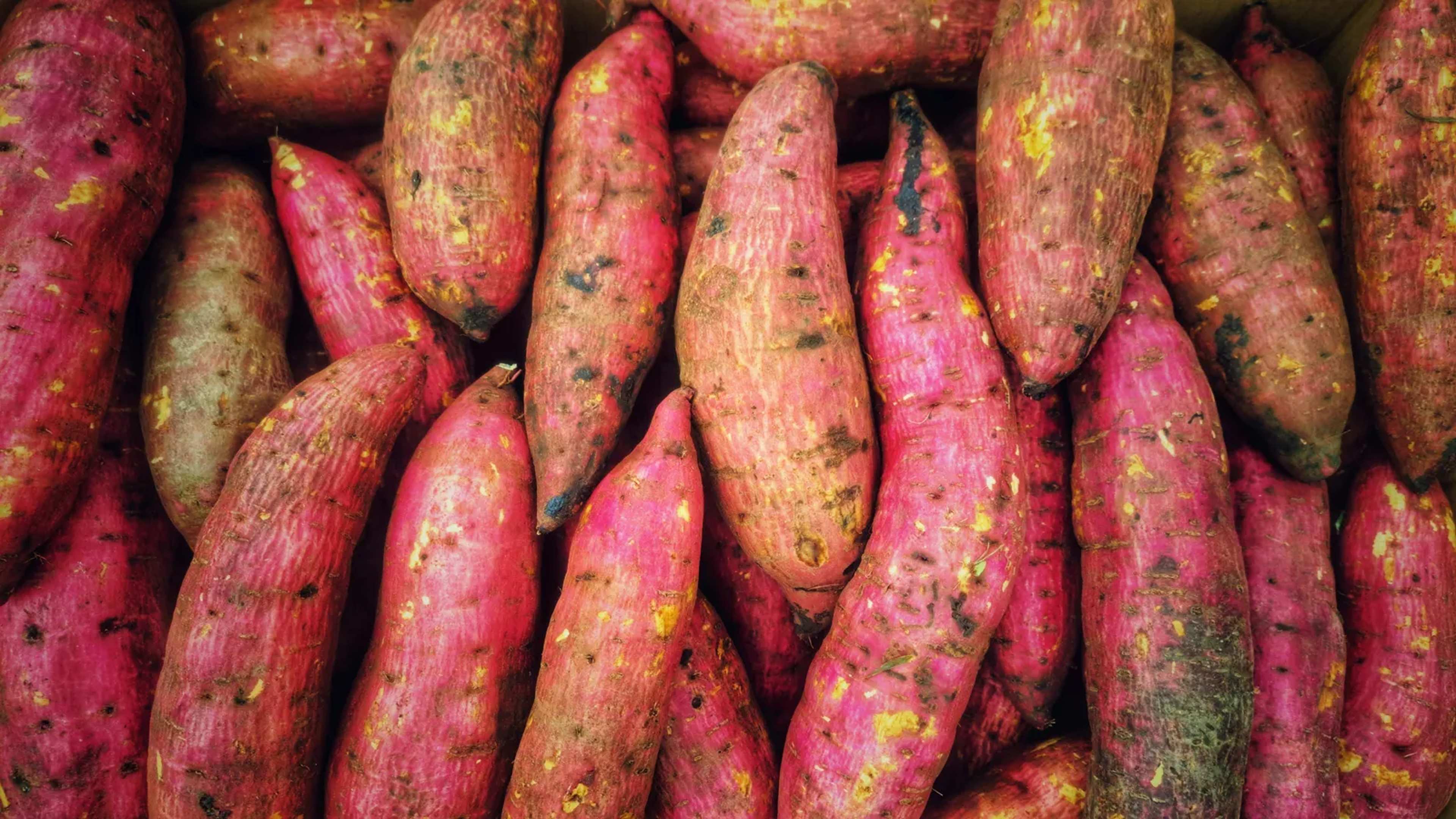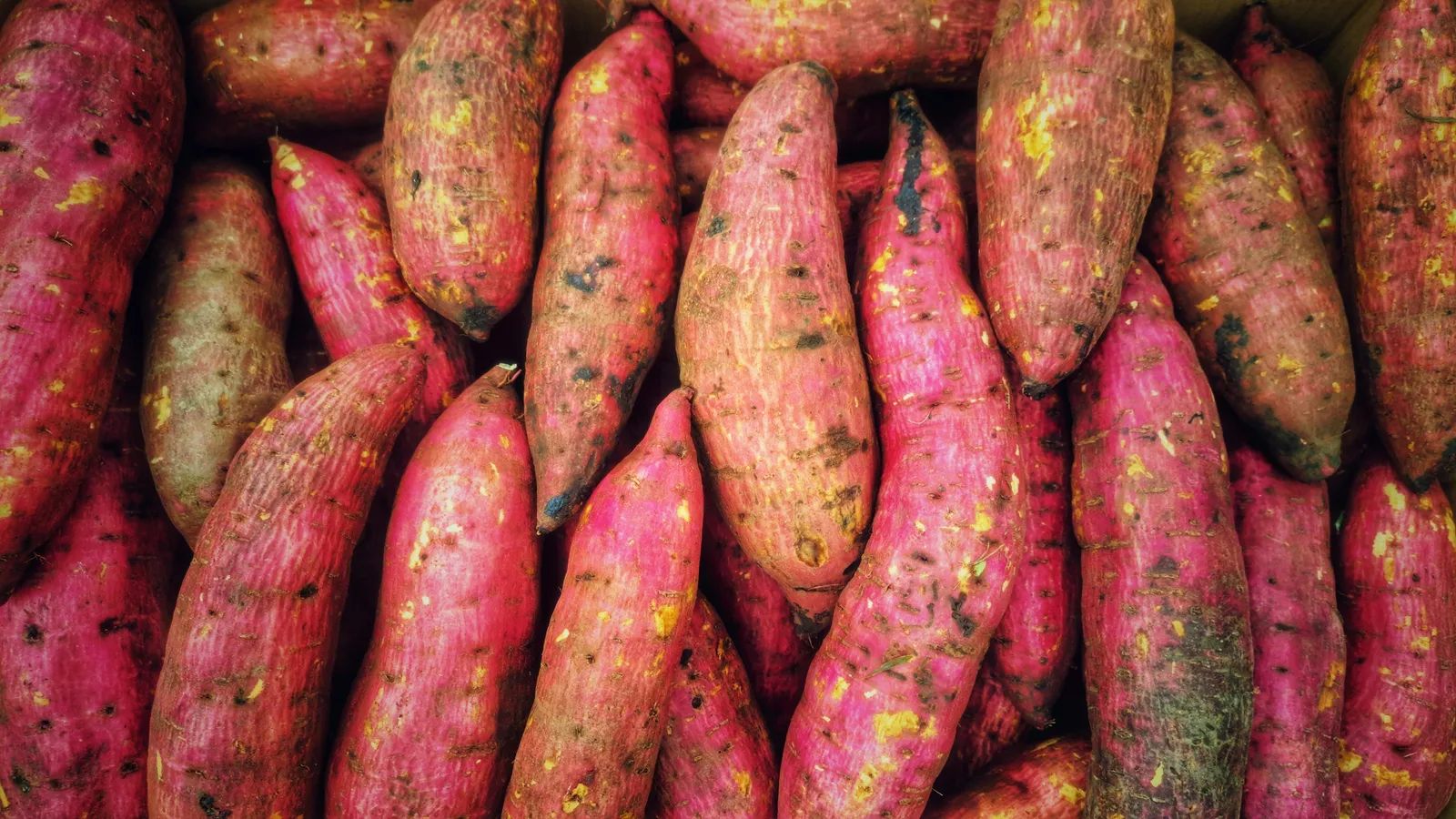
Many home cooks reach for the refrigerator when storing sweet potatoes, yet that habit often shortens their usable time and changes their texture for the worse. Extension services across the country point to a cooler, darker spot instead, where the roots hold up for weeks without developing a hard center or bitter notes. The difference comes down to simple temperature guidelines that keep flavor and quality intact longer.
The Storage Habit That Backfires
Whole raw sweet potatoes suffer when chilled below certain temperatures. Multiple university extensions note that refrigeration can trigger a hard core inside the flesh and leave an unpleasant or bitter taste after cooking. This chilling injury appears once roots drop below roughly 50 to 55 degrees, conditions common in most household refrigerators. The safer approach keeps them in a cool, dark, dry, and ventilated area. Missouri Extension recommends this method for two to three weeks of reliable storage, while room-temperature counter placement works for up to one week. Other sources, including Purdue Extension, extend the pantry window to three to five weeks under similar conditions.
Realistic Timelines at Home
Shelf life varies slightly by source because growing regions and handling differ, yet the ranges overlap enough to guide everyday decisions. Utah State Extension suggests three to four weeks at 55 degrees, and Oregon State advises using them within two weeks for peak quality. The North Carolina SweetPotato Commission lists up to two weeks when stored properly. These figures apply to typical store-bought roots rather than specially cured commercial stock. Long-term commercial storage at 55 to 60 degrees with high humidity can stretch life to several months, but home pantries rarely match those exact conditions. Plan on the shorter windows and check roots regularly instead of relying on a single date.
Clear Signs It Is Time to Discard
Inspect sweet potatoes before use and set aside any showing severe mold, rot, or an off odor. Penn State Extension lists these as clear reasons to throw the root away. Soft, mushy, or leaking spots also signal spoilage that no amount of trimming will fix. Shriveling alone does not always mean the potato is unsafe, though it often points to low humidity or excessive airflow. Dark lesions that spread across the surface warrant caution as well. When in doubt, err on the side of discarding rather than tasting.
Handling Cooked Portions and Leftovers
Once cooked, sweet potatoes become perishable leftovers that belong in the refrigerator. The USDA advises keeping them no longer than three to four days after cooking, provided they were chilled within two hours. Reheat to an internal temperature of 165 degrees before serving. Freezing works well for cooked sweet potatoes. Oregon State Extension notes they maintain quality for 10 to 12 months when packed properly, while general USDA guidance for leftovers suggests three to four months. Both ranges reflect texture and flavor rather than safety limits. Raw sweet potatoes do not freeze successfully.
Practical Steps for Everyday Use
Choose a spot away from direct heat and strong light, such as a pantry shelf or open basket with good airflow. Avoid sealed plastic bags that trap moisture. Scrub under cool water only right before cooking. Cut or peeled pieces require refrigeration within two hours to stay safe. Cooked dishes left on the counter should not sit longer than two hours, or one hour if the room exceeds 90 degrees. These simple timing rules prevent the most common spoilage issues. Following these guidelines reduces waste and preserves the natural sweetness and texture that make sweet potatoes a reliable staple through the cooler months.