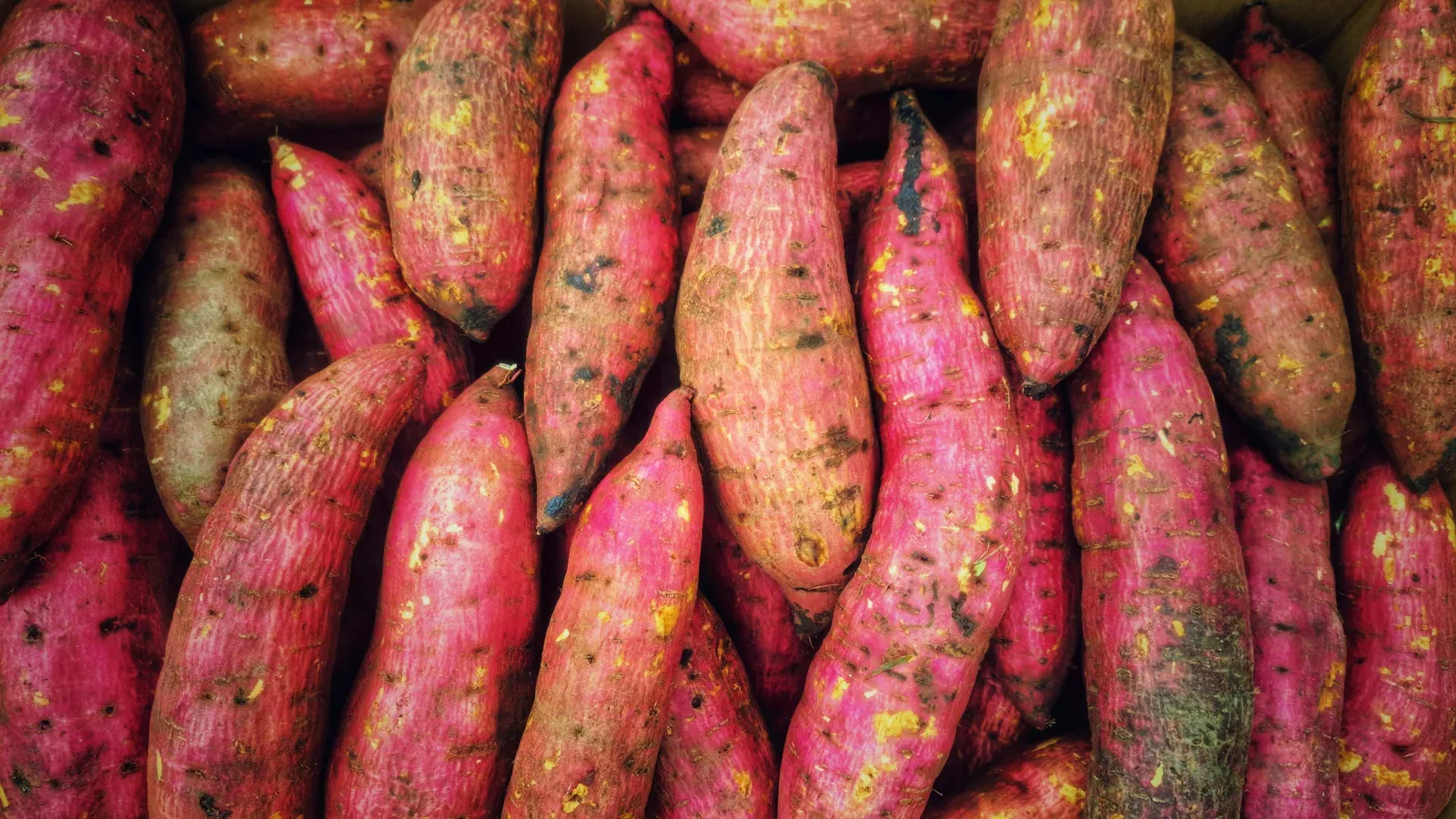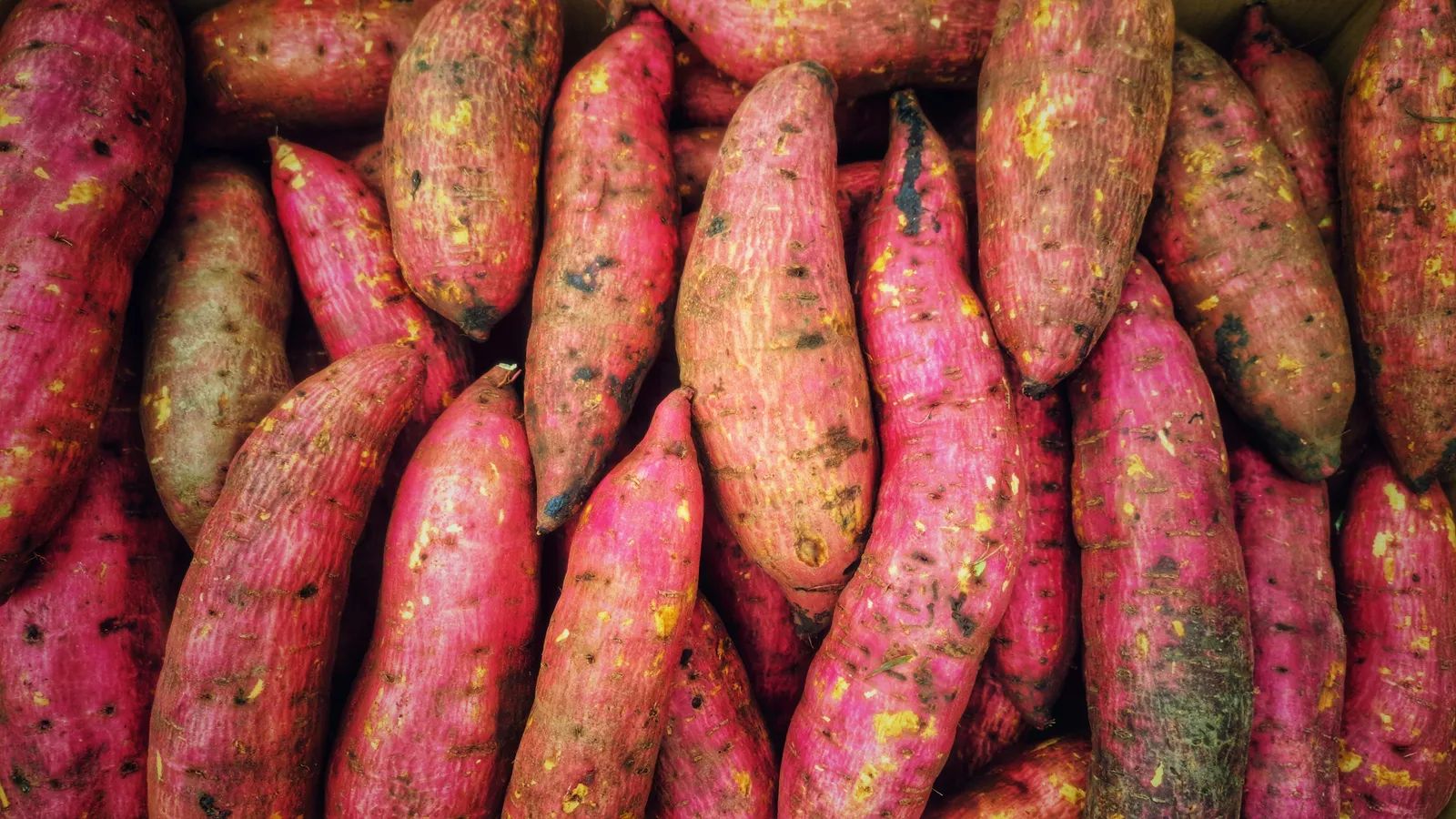
As families prepare holiday menus in late October, sweet potatoes often top shopping lists for their versatility in pies, casseroles and roasted sides. Yet a widespread habit of placing whole raw roots in the refrigerator can lead to disappointing results once cooked. University extension services across the country warn that cold storage triggers changes in texture and flavor that no amount of seasoning can fully mask.
The Science Behind the Warning
Multiple university extensions, including those at Penn State, NC State, Utah State, Missouri and Oregon State, have documented the effects of chilling injury on sweet potatoes. Temperatures below roughly 50 to 55 degrees Fahrenheit cause the center to harden after cooking and can produce a bitter or otherwise unpleasant taste. Penn State specifically advises against refrigerating fresh roots and lists the persistent hard core as a classic symptom of this injury. The damage stems from the vegetable’s tropical origins. Sweet potatoes prefer conditions closer to 55 to 65 degrees Fahrenheit with good airflow and moderate humidity. A cool pantry shelf, basement corner or well-ventilated cabinet meets these needs far better than the typical refrigerator set at 40 degrees or below. Missouri Extension notes that room-temperature storage works for up to a week, while a properly cool, dark spot can extend usability to two or three weeks.
Rules Change Once Sweet Potatoes Are Cut or Cooked
The guidance shifts sharply for prepared sweet potatoes. Cut or peeled pieces fall under general produce safety rules from the FDA and USDA, which call for refrigeration within two hours to limit bacterial growth. Cooked sweet potatoes, whether mashed, baked or incorporated into casseroles, follow the same timeline and should be used within three to four days. Pies made with eggs or milk require the same prompt chilling. Extension services in Illinois and Washington State recommend treating sweet potato pie like pumpkin or custard varieties: refrigerate within two hours and keep at 40 degrees or below. Reheating any cooked leftovers to an internal temperature of 165 degrees Fahrenheit restores safety without restoring quality lost to improper raw storage.
Practical Steps If the Damage Is Already Done
Many cooks discover the issue only after sweet potatoes have spent time in the refrigerator. The extensions emphasize that brief exposure does not automatically render the roots unsafe. Inspect each one for mold, rot or off odors and discard any that show clear spoilage. Cook the remainder promptly rather than returning them to the cold. For longer-term planning, cooked sweet potatoes freeze well. Oregon State Extension suggests packing them in airtight containers with a half-inch of headspace and using them within ten to twelve months for best quality. USDA guidelines for leftovers are more conservative at three to four months, but both figures address texture and flavor rather than safety.
Storage Checklist for the Holiday Rush
– Whole raw sweet potatoes: cool, dark, dry and ventilated spot at 55 to 60 degrees.
– Cut or peeled pieces: refrigerate within two hours in a covered container.
– Cooked leftovers: shallow containers, refrigerate within two hours, use in three to four days.
– Frozen cooked portions: airtight packaging, quality window of three to twelve months depending on the source. Following these distinctions helps ensure sweet potatoes arrive at the Thanksgiving table with the creamy texture and balanced flavor cooks expect.