Dubai has always sold itself as the ultimate safe harbor in a volatile region, a place where luxury and stability go hand in hand. That image took a serious hit earlier this year, and now the emirate is reaching into its own pockets to win back the travelers it lost. A newly launched incentive scheme worth roughly eight hundred dollars per booking is the boldest sign yet that officials are worried, and willing to spend heavily to fix it.
The program arrives months after missile and drone attacks rattled the Gulf and sent shockwaves through an industry that had just posted its best year on record. What follows is a closer look at what the incentive actually offers, why it was needed, and whether cash rewards can undo the psychological damage of a war that played out uncomfortably close to home.
A Bold Bet to Revive Tourism
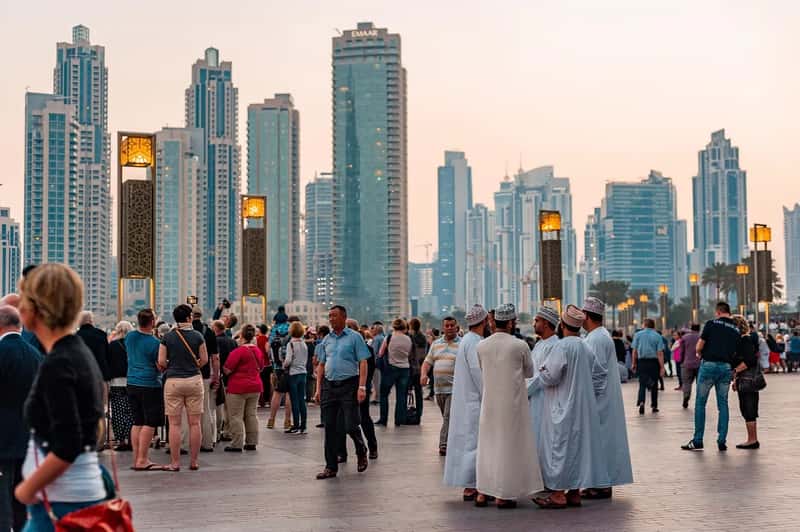
A new program is offering UAE residents and citizens reward packages worth up to AED 3,000, around 816 dollars, in exchange for nominating relatives or friends to come and visit Dubai. It’s an unusual approach for a destination that rarely needs to beg for attention, and it signals just how seriously officials are taking the drop in visitor confidence. Officials are digging deep, into their pockets at least, to turn things around for a destination previously considered a safe haven in the Middle East.
Rather than simply cutting hotel rates or running generic ad campaigns, Dubai chose a more personal route. The logic seems to be that people trust recommendations from friends and family far more than they trust glossy tourism marketing, especially after a period of unsettling headlines. A Dubai Department of Economy and Tourism official said the initiative speaks directly to what makes the city compelling, namely the people who call it home and the families and friends they welcome to experience it firsthand.
Inside the “A Dubai Invite” Program
Dubai launched the “A Dubai Invite” scheme, rewarding residents with benefits worth more than AED 3,000, roughly 816 dollars, for attracting tourists after the Iran conflict hit hotels and airlines. Launched earlier this month, the program permits residents aged 18 and older with a valid Emirates ID to recommend up to three guests, with every resident able to claim up to three incentive packages.
Officials say the programme runs for visitors arriving between the twentieth of July and the thirty-first of October, while the benefits themselves are redeemable until December. The perks promised include a set of fabulous benefits ranging from free hotel nights to cheaper dining for residents who successfully bring in visitors this year. Invited guests need to be non-UAE residents traveling on valid tourist visas, which keeps the scheme focused squarely on drawing in fresh international arrivals rather than domestic movement.
Why Dubai Needed a Rescue Plan
The backstory here matters. The conflict began on February 28 and spiralled into a broader Middle East confrontation in which Iran struck civilian and military infrastructure in several countries, including the UAE. For a city whose entire brand rests on being untouchable by regional turmoil, that alone was a serious blow to reputation.
The financial response didn’t stop at tourism either. Dubai offered economic incentives worth AED1 billion, about 272 million dollars, to ease the financial burden on businesses and individuals across various sectors amid the Iran war. That earlier, broader relief package shows this tourism incentive isn’t a standalone gimmick but part of a much larger, costly effort to stabilize the local economy after the shock.
From Record Arrivals to a Sudden Slump
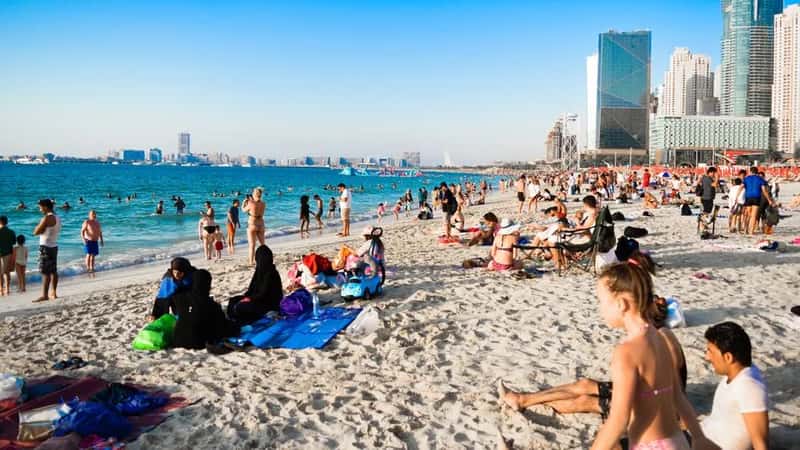
The timing of the downturn is almost cruel given how well things had been going. Earlier this year, Dubai was celebrating another record-breaking twelve months of tourism with a staggering 19.59 million international visitors logged in 2025. Few destinations anywhere in the world could claim that kind of momentum heading into a new year.
Then everything changed almost overnight. Visitor numbers dropped precipitously as a result of the recent US and Israeli war on Iran, with hotel occupancy rates decreasing from 80 percent to a projected 10 percent in the months after the emirate was the target of missile attacks in March. That kind of collapse, from a nearly full city to hotels sitting almost empty, is the sort of number that keeps tourism ministers awake at night.
Landmarks Left Scarred
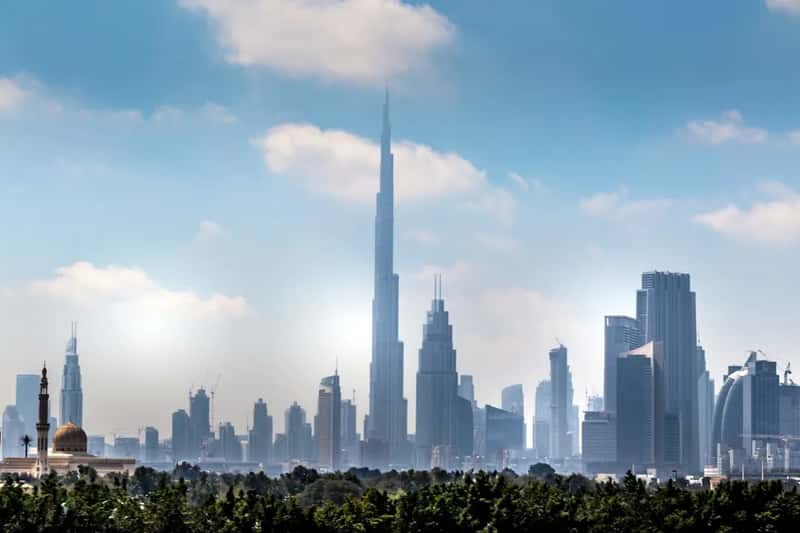
Part of what makes this episode so unusual is that the damage wasn’t confined to statistics and headlines. Although the majority of the missiles were intercepted, the attacks caused damage to some of its most famous landmarks, including the five-star Fairmont The Palm resort and the Jumeirah Burj Al Arab hotel, which is currently closed for an 18-month restoration program. The Burj Al Arab in particular is arguably the single most photographed symbol of Dubai’s rise, so its closure carries symbolic weight far beyond the cost of repairs.
Seeing footage of smoke over the coastline was jarring for a city built on postcard-perfect imagery. A yacht sailed past a plume of smoke rising from the port of Jebel Ali following a reported Iranian strike in Dubai on March 1, 2026, while fresh blasts were heard across the Gulf cities of Dubai, Doha and Manama the same weekend. Those images circulated widely and did more to shape global perception than any government statement could undo quickly.
Grounded Flights and a Shuttered Airport
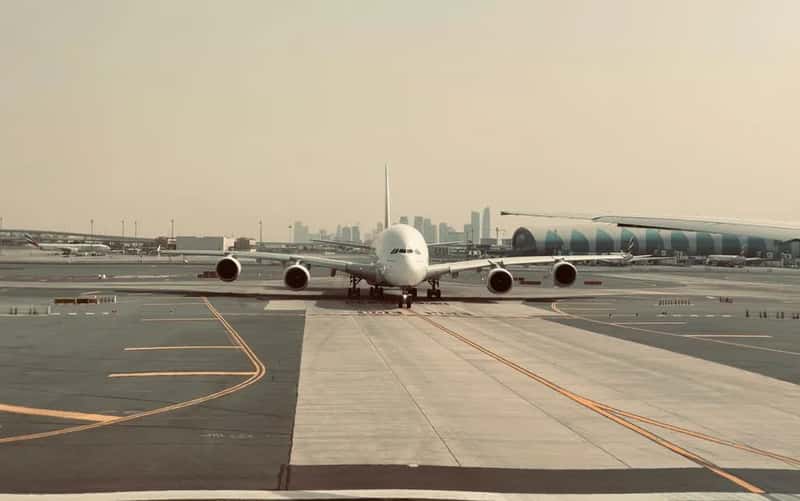
Air travel disruption compounded the crisis considerably. Dubai International Airport, a central global transport hub, was forced to temporarily close in March, while various airlines, including British Airways and Emirates, paused flights to the destination. For a city that depends on being an easy, reliable stopover between continents, even a short closure sends ripples through connecting itineraries worldwide.
The good news is that much of the physical disruption has already been resolved. The structural damage in the destination is repairable, and many flight routes are still operating, but it remains to be seen whether the reputational damage caused by the conflict will be resolved as easily. Getting planes back in the air turned out to be the simpler half of the recovery equation.
Waiving Fees to Sweeten the Deal
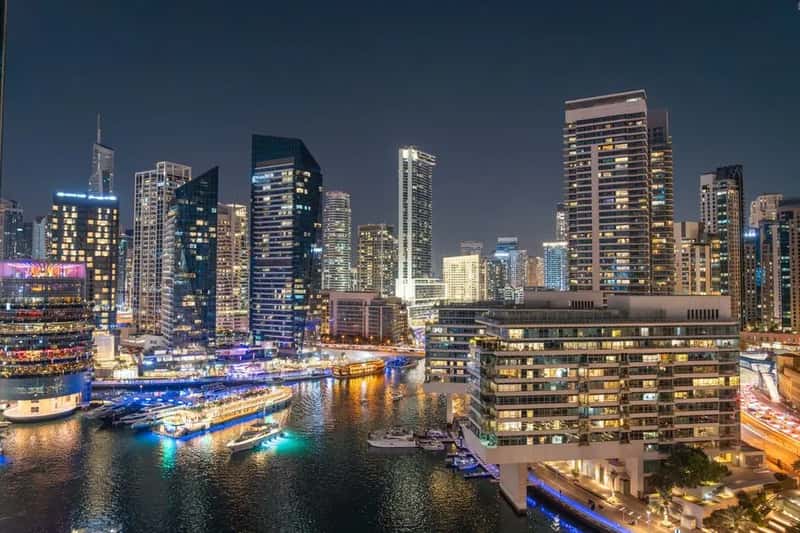
The cash incentive for residents is only one piece of a wider effort. The new scheme is the latest in a series of attempts by officials to lure back tourists, with other efforts including the suspension of the nightly hotel tax charged at higher-end properties and the removal of the seven percent municipal fee applied to hotel and restaurant bills. Cutting fees like that directly lowers the sticker price of a Dubai holiday at a moment when price sensitivity is likely running high among cautious travelers.
Stacking multiple relief measures on top of each other suggests officials aren’t confident that any single lever will be enough on its own. Reducing taxes, waiving fees, and paying residents to recruit visitors together form a layered strategy rather than a single flashy announcement. That combination hints at just how uncertain the recovery timeline still looks from inside the tourism ministry.
Perception Versus Reality
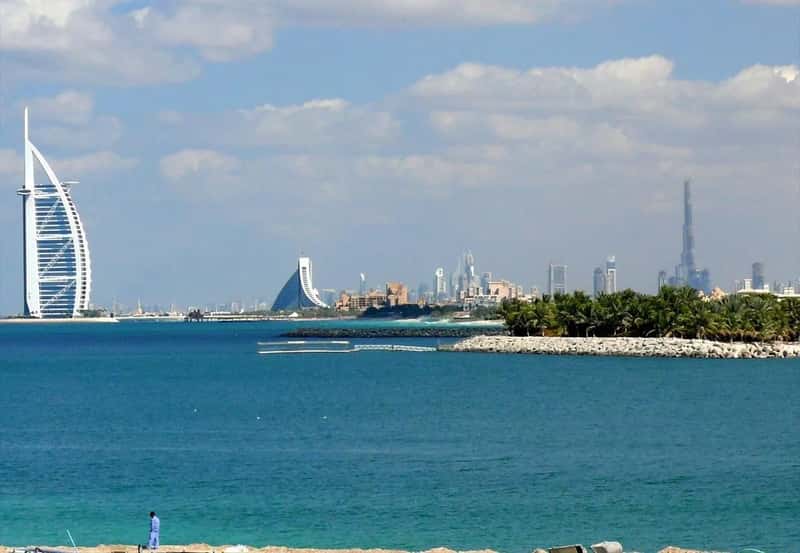
Industry voices have been candid about the gap between how Dubai actually functions today and how it’s perceived abroad. One expert stressed that the UAE continues to demonstrate stability, infrastructure strength and operational continuity, adding that while airports, hotels, restaurants and attractions in the destination remain fully functional today, the bigger challenge is psychological. That distinction between functional reality and lingering fear is really the crux of the whole recovery effort.
Some analysts are even more blunt about the long-term stakes. One expert on the Arabian Peninsula and Gulf region wrote that this represents Dubai’s ultimate nightmare, since its very essence depended on being a safe oasis in a troubled region, adding that there might be a way to be resilient but there is no going back to how things were before. Travel warnings from various governments, including the United States urging travelers to reconsider travel to the country, are still in place, which only reinforces how slowly official caution tends to lift even after a crisis quiets down.
Voices From the Ground
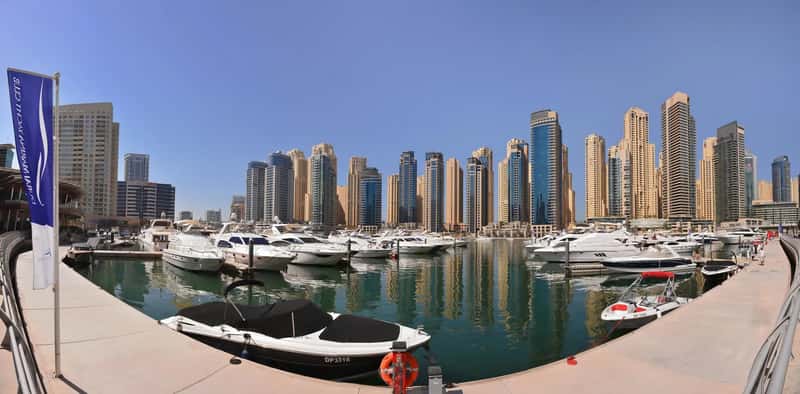
Not everyone views the incentive skeptically, and some residents living through the shift see real value in it. One YouTuber and beauty editor who moved from the US to Dubai in 2009 told CNN she thinks it’s a very positive initiative. Long-term expats like her arguably have the clearest read on how daily life in the city has actually changed compared to how it’s being covered internationally.
There’s also a broader observation about how outside audiences process regional conflict. One industry voice noted that international audiences often view the Middle East as one broad region rather than distinguishing between countries, and that perception naturally impacts travel decisions. That single sentence probably explains more about Dubai’s current predicament than any occupancy statistic could.
A Long Road Back

Dubai’s tourism engine had been running at a pace few cities could match, and the sudden reversal shows just how quickly regional conflict can undo years of careful brand building. The eight-hundred-dollar incentive is clever, personal, and relatively low-cost for a government that just spent hundreds of millions of dollars on broader economic relief, but it’s really a bet on word of mouth doing what advertising alone cannot.
Whether the strategy works will likely depend less on the size of the reward and more on how quickly global perception catches up with the on-the-ground reality of functioning airports, restored flight schedules, and hotels that, while quieter than before, are very much open for business. Dubai has weathered downturns before, but rarely one tied so directly to fear rather than economics. This time, winning back trust may prove to be the harder job.