Ask any kid today to describe a perfect Saturday morning and they’ll mention streaming whatever they want, texting friends, or scrolling through a phone they’ve owned since age nine. Ask someone who grew up in the 1980s the same question and you’ll get a completely different universe – one built on cereal bowls, cartoon marathons you had to physically wake up early to catch, and a freedom so total that parents had absolutely no idea where their children were for hours at a time. Not because they didn’t care. Because that was just childhood.
The gap between that decade and today isn’t just a generation – it’s an entirely different civilisation. Some of these things will sound like fiction to anyone under 30. Others will hit 1980s kids somewhere right in the chest. Here are 28 of them, counting down to the one that explains almost everything else.
#28 – You Had to Memorise Phone Numbers or You Simply Couldn’t Call Anyone
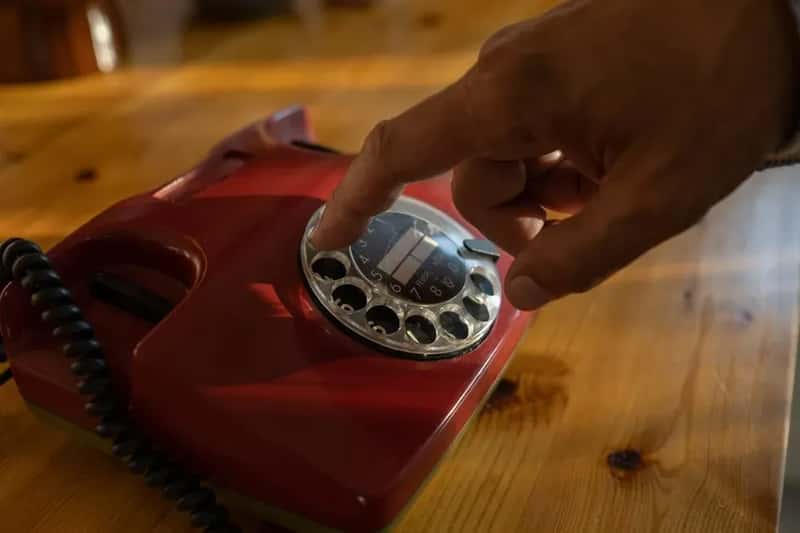
There was no contacts list. No autofill. No tapping a name and having your phone dial for you. If you wanted to call your best friend, you had to know their seven-digit number by heart – and dial every single digit without a mistake. Then you listened. Either the line rang through and someone answered, or you got a flat beep-beep-beep that meant the line was busy. No voicemail. No text to fire off instead. Your plan for the afternoon just evaporated.
Call waiting didn’t gain widespread popularity until the early 1990s, so an entire decade of childhood phone calls was governed by pure luck – either someone was home and the line was free, or you were out of options. Kids in the 1980s had the phone numbers of their five closest friends burned into their brains the way today’s kids memorise Wi-Fi passwords. The difference is that forgetting a Wi-Fi password costs you nothing. Forgetting a phone number in 1984 cost you your whole afternoon.
#27 – The Whole Family Shared One Telephone, Attached to the Wall
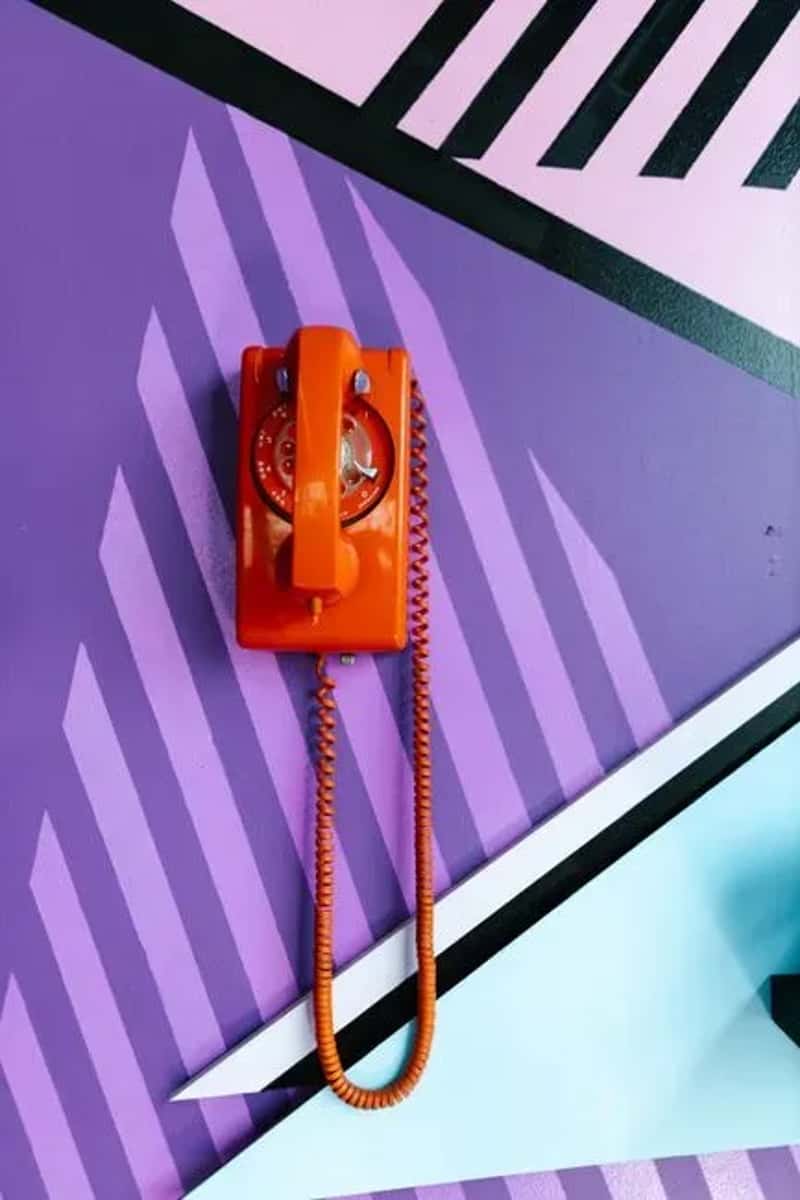
There was one phone in the house. Maybe two if you were lucky. It sat on a table or hung on the kitchen wall, and everyone – parents, siblings, grandparents calling in from out of state – shared the exact same line. Teenagers who wanted a private conversation had to stretch that coiled cord as far as it would physically reach and whisper into the receiver. Rotary phones were still common in many homes well into the early 1980s before touch-tone took over.
The first commercially available mobile phone arrived in 1984 – but it cost $4,000, weighed nearly two pounds, and gave you thirty minutes of talk time before dying. The idea of every member of a household carrying a personal device in their pocket would have sounded like a plot point from a science fiction film. The phone was a shared household object, like the refrigerator. You waited your turn. You kept it short. And if your parents picked up the extension mid-conversation, you knew immediately.
#26 – You Left the House for Hours and Your Parents Had Zero Idea Where You Were

This is the one that genuinely baffles kids today. Once you walked out the front door, you were gone. No phones. No texts. No shared location. Just a vague promise to be back before the streetlights came on – and after that, silence. Your parents had no idea what street you were on, who you were with, or whether you were okay. And somehow, everywhere across America, that was considered completely normal parenting.
When bikes broke down miles from home, kids figured out how to get back. When arguments broke out, kids settled them without calling a parent for arbitration. When something went genuinely wrong, you had to make a judgment call yourself because there was no other option. That constant low-level problem-solving – with real stakes and no safety net – built something in 1980s kids that researchers now struggle to replicate in structured programmes. The freedom wasn’t incidental. It was the whole education.
#25 – Saturday Morning Cartoons Were a Sacred, Unmissable Weekly Event
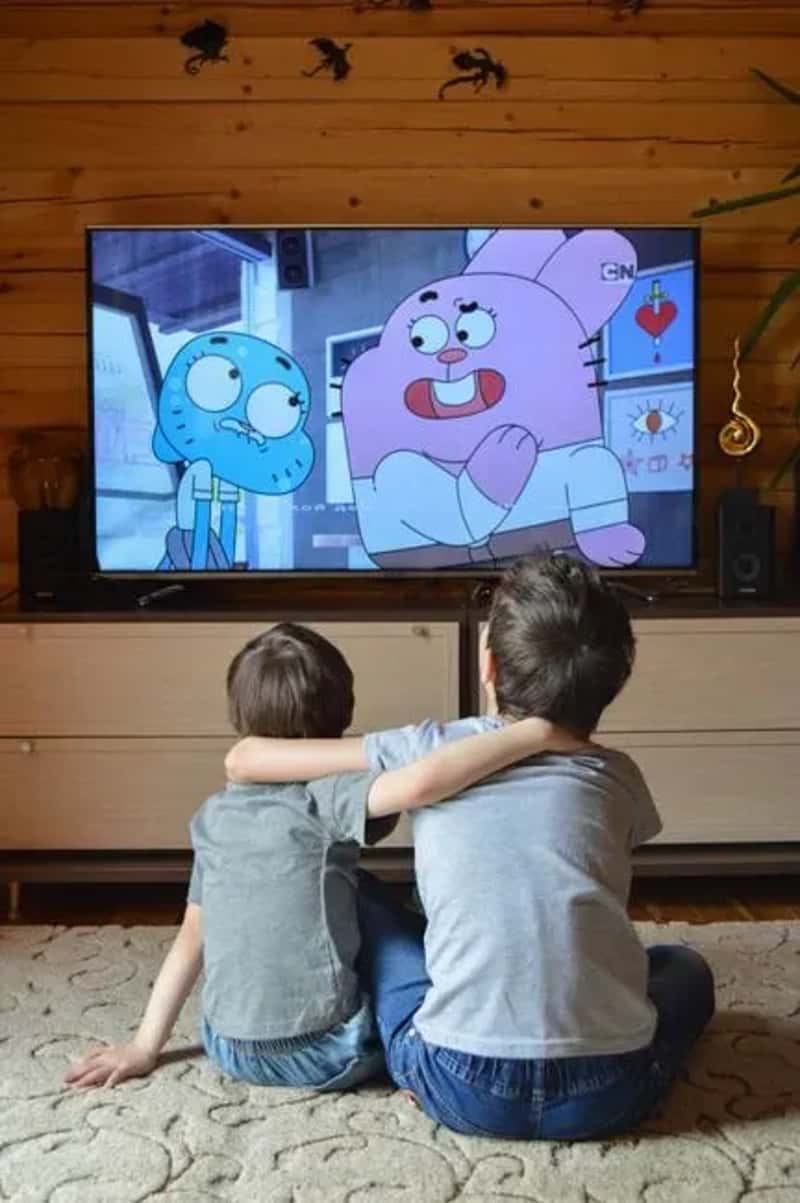
Before streaming queues and autoplay, there was one block of time that belonged entirely to kids: Saturday morning cartoons. Networks cleared their schedules and handed over the airwaves for a few bright, noisy, cereal-fuelled hours. You woke up early – voluntarily, enthusiastically – claimed your spot on the living room floor, and watched whatever was on. If you slept in, you missed it. If you missed it, you waited a full week. There was no other option.
Unlike today, when every show is available on demand at any hour, 1980s cartoons aired once a week on a handful of channels, which meant most kids across the country watched the same episodes at the same time. Monday morning on the playground wasn’t fragmented by different viewing schedules – everyone had seen the same thing. That shared experience created a kind of cultural glue that on-demand streaming has never found a way to replicate, no matter how good the algorithm gets.
#24 – Those Saturday Morning Cartoons Were Secretly Just Long Toy Commercials
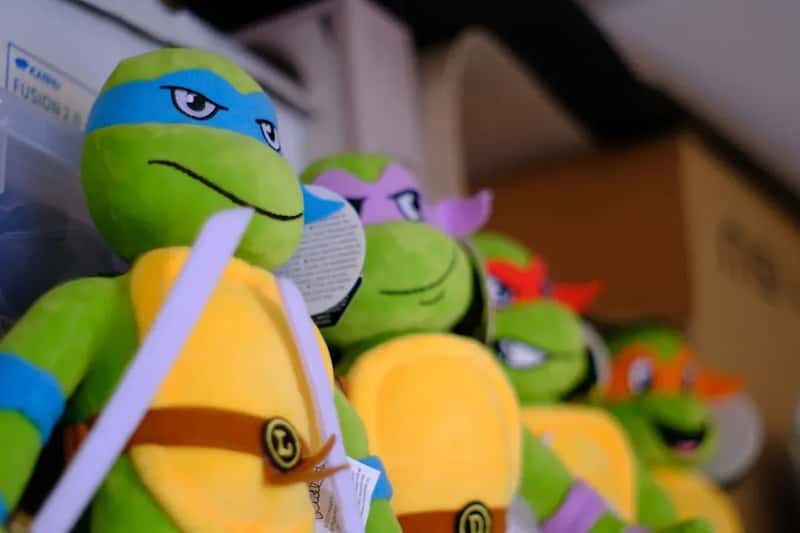
Most parents didn’t fully clock it at the time, but the cartoon lineup was a masterclass in marketing disguised as children’s entertainment. G.I. Joe, He-Man, Transformers, ThunderCats, Jem and the Holograms – each of these shows was built in direct partnership with a toy company. A new character would appear in an episode on Saturday. That same character would be on the shelf at Toys “R” Us the following week. The shows weren’t just entertainment. They were thirty-minute commercials, and the kids watching them were the target market.
Companies like Mattel and Hasbro understood that a child who loved a cartoon would beg for the toy, and a child who owned the toy would watch the cartoon to see it in action. It was a closed loop of pure commercial genius, and it worked spectacularly. Parents weren’t entirely thrilled with the concept. Kids were completely thrilled. The franchises that emerged from that decade – Transformers, G.I. Joe, He-Man – are still generating billions in revenue today, decades after the original episodes aired.
#23 – He-Man Told You the Moral of the Story at the End of Every Single Episode
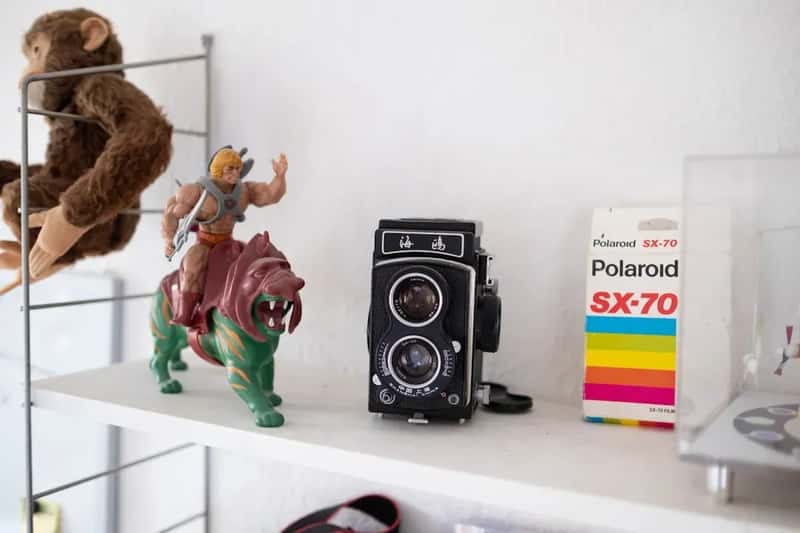
Here’s something today’s kids would find almost comically strange: cartoons in the 1980s had mandatory moral lessons tacked directly onto the end of each episode. After He-Man defeated Skeletor, the characters would literally turn to face the camera and explain what the viewer had just learned. About honesty. About not giving up. About being kind to people who are different from you. Delivered with complete sincerity, in a show that had just featured a half-naked man fighting a blue skeleton for control of a magical castle.
NBC amplified this with its “One to Grow On” public-service announcements – earnest thirty-second life lessons delivered between shows by the likes of Michael J. Fox and Betty White. The instinct behind all of it was genuine: television was powerful, children were watching, and someone had better say something useful while they had the attention. No streaming series today ends with a cast member staring into the camera to deliver life advice. Which is either a loss or a relief, depending on your perspective.
#22 – The Video Rental Store Was a Full-On Social Destination
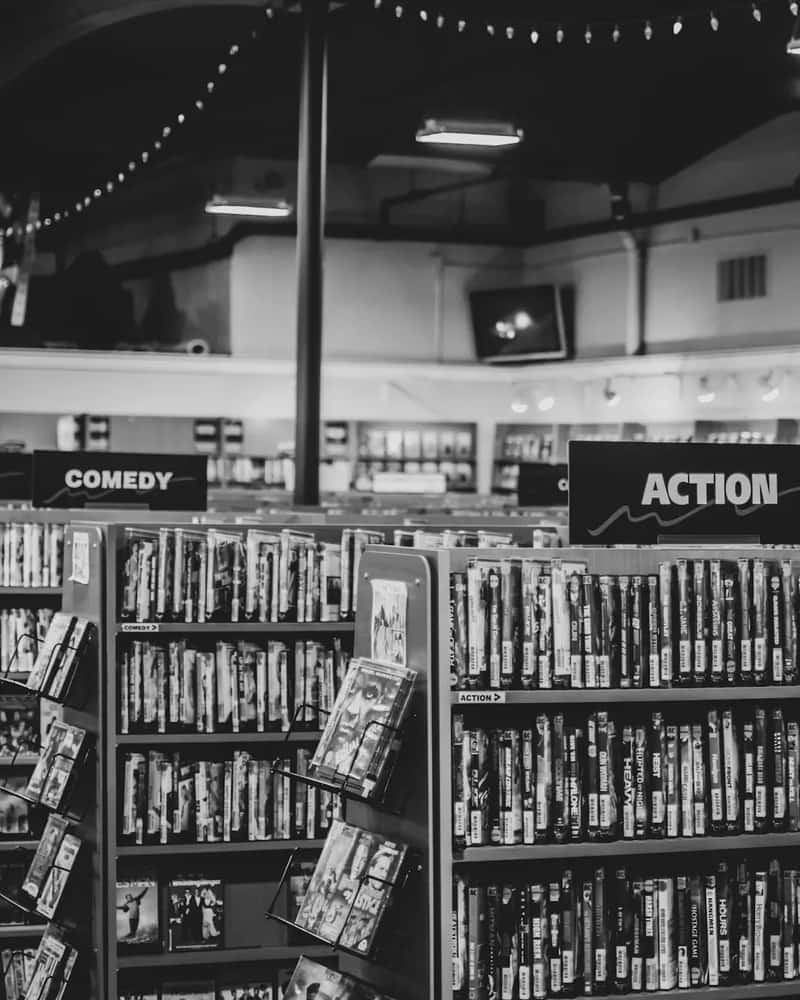
Picking up pizza for Friday night? Throw in a trip to the video store. Bored on a Tuesday in summer? Video store. Browsing the aisles, hoping the movie you wanted was actually in stock, grabbing a box of candy at the checkout – these were genuine pleasures that required leaving the house, making a decision without a recommendation algorithm, and accepting that sometimes the tape was already checked out and you had to pick something else. That random “something else” often became a favourite film.
Blockbuster Video opened its first store in Dallas in 1985 and eventually grew to nearly 9,000 locations worldwide – a retail empire built entirely on the concept of renting physical tapes for a few days. The late fee alone was a defining childhood anxiety. The idea that you could scroll through thousands of films instantly at home and still spend twenty minutes complaining there’s “nothing to watch” would have seemed like an insult to every kid who ever drove across town hoping a copy of Ghostbusters was back on the shelf.
#21 – Rewinding a VHS Tape Was Your Responsibility – and Stores Charged You If You Forgot
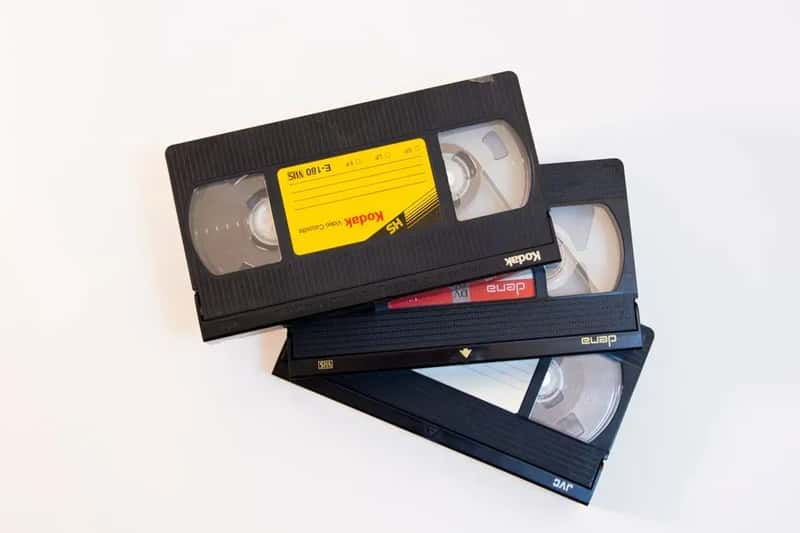
Before you watched a movie on VHS, you had to make sure it was rewound to the beginning. If you borrowed a tape and someone had left it halfway through, you sat there for two full minutes watching the machine slowly rewind before anything could start. Video rental stores took this so seriously that many sold dedicated rewinding machines that did nothing except rewind tapes faster than your VCR could. The phrase “Be Kind, Rewind” was printed on stickers slapped onto thousands of rental tapes across America.
Rental stores could – and did – charge customers a fee for returning an unrewound tape. It was a real line item on your receipt. Today’s children have never waited for anything to buffer longer than a few seconds, let alone physically rewound a magnetic tape before a film could even begin. The tactile, slightly tedious ritual of VHS was its own kind of entertainment tax – paid in minutes, not money – and most 1980s kids paid it without a second thought because there was simply no other way to watch a movie at home.
#20 – The Mall Was the Centre of the Social Universe
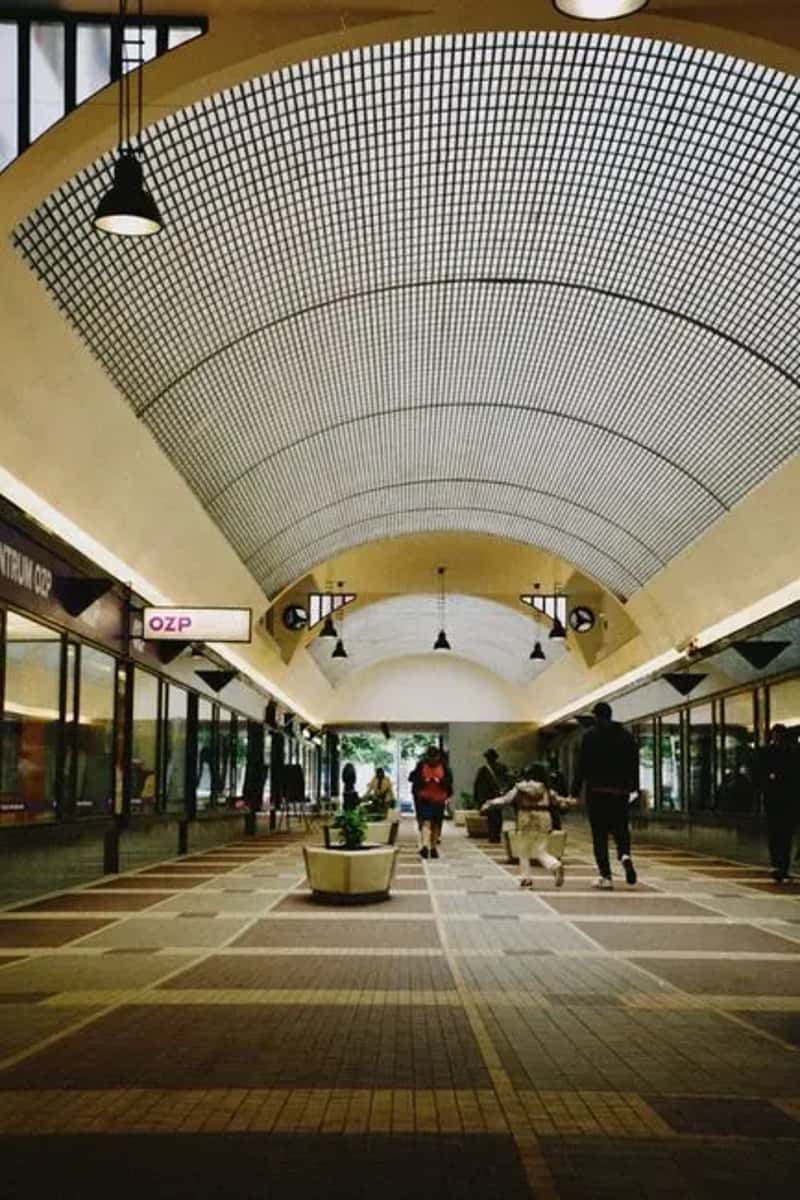
Going to the mall in the 1980s was nothing like the hollow, half-empty retail experience many malls offer today. These were bustling places filled with people of all ages, a sprawling variety of stores, arcades, food courts, and photo booths. You could spend three or four hours there and never feel like you’d run out of things to do. For teenagers especially, the mall wasn’t a place you went to buy something – it was a place you went to exist, be seen, and accidentally run into the person you had a crush on.
At peak popularity in the mid-1980s, there were more than 1,500 enclosed malls operating across the United States. That number has fallen dramatically since, as online shopping and shifting retail habits hollowed out the concept. But in 1985, the mall was the town square, the cinema lobby, the park, and the social pressure cooker all wrapped into one air-conditioned building. Hanging out near the Sears entrance for two hours counted as a plan – and it was a perfectly good one.
#19 – Mixtapes Were a Serious Art Form That Required Real Patience and Skill
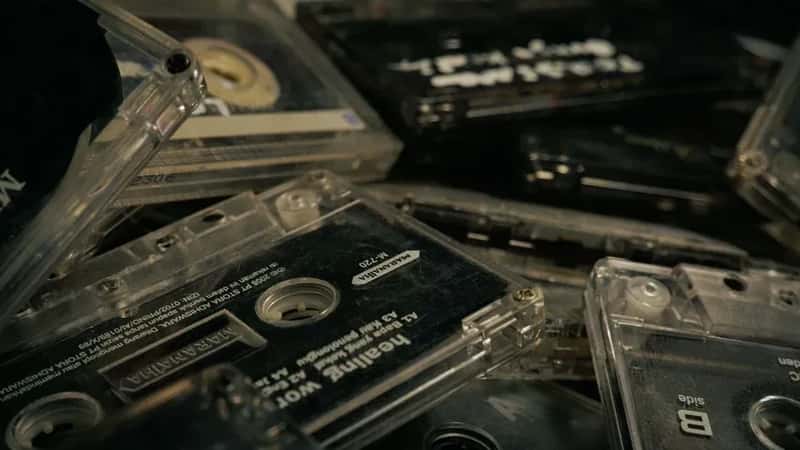
Creating a mixtape was a genuine labour of love. You sat by the radio with your finger poised over the record button, waiting for the right song to come on – and when it did, you hit record fast enough to capture the intro but not so fast that you caught the DJ still talking. Getting the timing wrong and accidentally recording a voice-over onto your favourite song was a real, crushing disappointment. Each tape was a personal statement, complete with hand-lettered labels and carefully sequenced tracks.
A mixtape given to a friend – or a crush – carried real weight precisely because it cost time, patience, and dedicated radio-listening across multiple afternoons. There was no drag-and-drop. No instant playlist. Every song on that tape was earned. Spotify can replicate the end result in about thirty seconds. What it cannot replicate is the feeling of sitting in a quiet bedroom, waiting for a song to come on, hoping the DJ doesn’t talk through the beginning again. That particular mix of anticipation and effort is completely gone.
#18 – You Browsed Record Stores to Discover New Music – and That Was the Whole Point
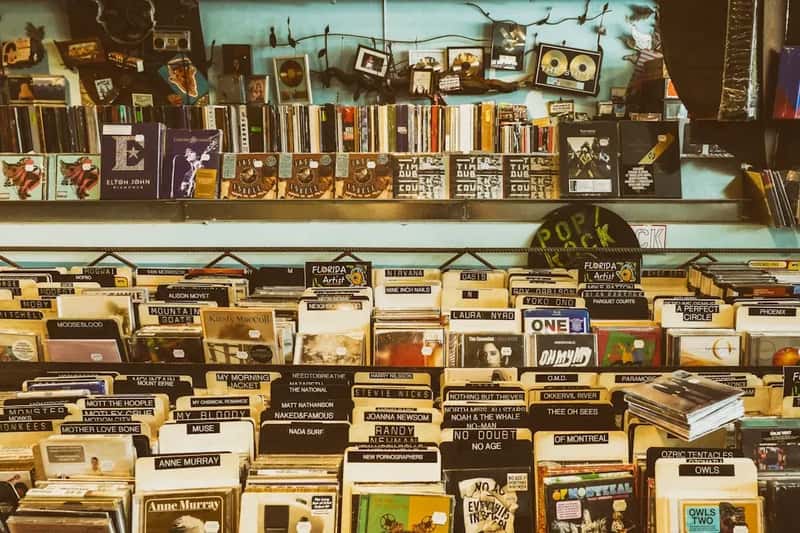
For music lovers in the 1980s, flipping through record bins was a genuine pastime – not a chore, not a transaction, but an experience. Vinyl albums came with artwork large enough to study, liner notes worth reading, and a tactile quality that made owning a record feel like owning something real. The cover alone could sell you on something you’d never heard. A recommendation from the kid behind the counter could change your entire taste in music.
There was no preview button, no thirty-second clip, no algorithm surfacing options based on your listening history. You bought based on the cover, a friend’s tip, or a review torn out of a magazine. Sometimes you got home and it was brilliant. Sometimes you felt robbed. That uncertainty was, it turns out, part of the joy – the record store was one of the last genuinely exploratory consumer experiences in American life, and it’s almost entirely gone now. The discovery was the point. The algorithm replaced the discovery with convenience, and something got lost in the trade.
#17 – MTV Actually Played Music Videos – and It Rewired an Entire Generation

When MTV launched on August 1, 1981, the first words spoken on air were “Ladies and gentlemen, rock and roll.” What followed was a 24-hour music video channel that had never existed anywhere before – and it changed everything about how music was marketed, consumed, and remembered. Madonna, Michael Jackson, Cyndi Lauper, Prince, Bon Jovi, The Bangles – all of them were defined as much by their visual identity as by their sound. Getting your video played on MTV was the 1980s equivalent of going viral, except it reached millions of people simultaneously.
Music videos are the most powerful form of communication that musicians have ever had.
David Bowie
Today’s kids know MTV as a reality TV network that stopped playing music videos years ago. But in the 1980s, the channel could genuinely launch or end a career overnight. Michael Jackson’s “Thriller” video, released in 1983, ran fourteen minutes and was treated as a major cultural event – not a promotional clip, but a short film that people gathered to watch. The concept of a music video as an art form was born in that decade. Everything on YouTube today is its distant descendant.
#16 – The Whole Family Watched the Same TV Show at the Same Time – No Exceptions

The Cosby Show. Family Ties. Growing Pains. The Golden Girls. ALF. These weren’t just shows – they were weekly appointments that the entire household planned around. If you missed the episode when it aired, you simply missed it. No catch-up service, no streaming library, no DVR waiting patiently for you. The show aired, the country watched, and if you weren’t there, the conversation on Monday morning happened without you.
The weight of that shared, simultaneous viewing is almost impossible to convey now. In 1983, ABC broadcast The Day After – a TV movie about nuclear war – and 100 million Americans watched it on the same night. More than 40% of the population. That’s what appointment television actually meant: not streaming the same show on separate devices in separate rooms, but an entire country sitting down together at the same hour to watch the same thing happen.
#15 – Roller Rinks Were the Actual Social Hub of Childhood

Roller rinks were the social hubs of the 1980s – dark, loud, disco-lit arenas where kids gathered under mirrored balls to skate in circles and figure out who they were. Birthday parties at the rink were a genuine rite of passage: a reserved table, a sheet cake, two hours of skating while the DJ played Kris Kross and Cyndi Lauper at full volume, and absolutely no parental presence once you were through the doors. You were dropped off with a few dollars and left entirely to your own social devices.
At the peak of the roller disco craze in the early 1980s, an estimated 4,000 roller rinks were operating across the United States – a number that has dwindled dramatically since. The couples skate, in particular, was a ritual of pure social terror and exhilaration: the DJ would announce it, the lights would drop lower, and every twelve-year-old in the building would spend sixty seconds deciding whether to ask someone or hide near the snack bar. Today’s laser tag arenas and trampoline parks have nothing on that specific combination of anxiety and joy.
#14 – Kids Built Their Own Forts Out of Whatever They Could Find – No Instructions Required

The 1980s gave kids something almost unthinkable today: complete autonomy over their construction projects. Armed with hammers borrowed from dad’s toolbox, mismatched nails, and whatever scrap wood they could scavenge, children built elaborate forts that would make a safety inspector faint. These weren’t Pinterest-perfect playhouses with measured cuts and guardrails – they were gloriously imperfect structures held together by determination, duct tape, and optimism.
Every neighbourhood had that tree – the massive oak or maple that served as the anchor for a platform nobody’s parents had approved. Kids scaled it, built on it, fell out of it, and climbed back up. Scraped knees and minor tumbles were the tuition. You learned about balance, structural integrity, and personal risk through direct physical experience, not warning labels. A generation that grew up building things with their hands – badly, freely, without supervision – came away with an intuitive understanding of the physical world that no safety manual has ever successfully taught.
#13 – The School Computer Lab Had Exactly One Game – and It Was Oregon Trail
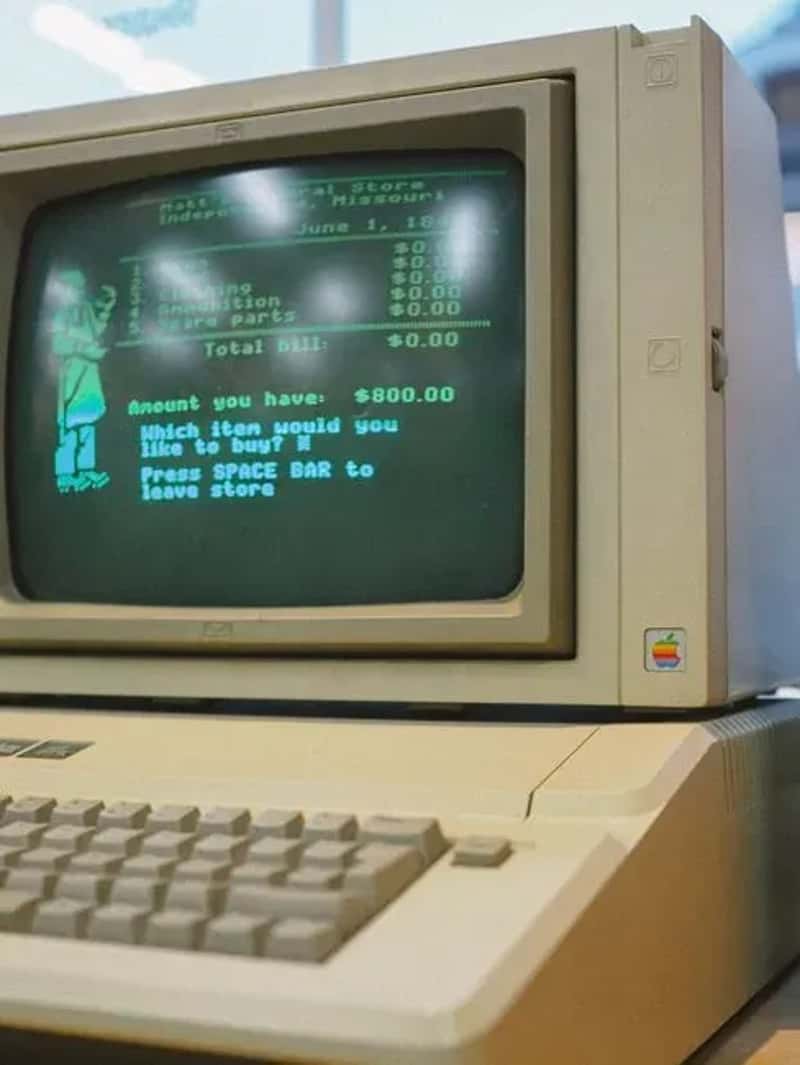
By the early 1980s, roughly 5,000 school districts – about one-third of all districts in the country – had a deal in place with MECC, the educational software company that distributed The Oregon Trail. Once a week, you went to the computer lab, sat down at an Apple II, and tried desperately not to let your entire wagon party die of dysentery before reaching Oregon. Someone always named a character after a classmate and let them drown in the river crossing first. It was considered very funny.
In the pantheon of American educational games, The Oregon Trail sits alone at the top. Games in the series have collectively sold over 65 million copies and been inducted into the World Video Game Hall of Fame. It spawned ironic T-shirts, memes, and a shared cultural reference point for an entire generation of American schoolchildren. Not bad for a game three Minneapolis teachers designed in two weeks in 1971 to teach kids about 19th-century frontier life – and which accidentally taught them that fate is arbitrary and dysentery is always a possibility.
#12 – The Encyclopaedia Britannica Sat in the Living Room and Was Treated Like Sacred Text

Before Google, before Wikipedia, before any search engine existed, there was the encyclopaedia – a set of heavy, cloth-bound books that cost a family several hundred dollars and occupied an entire shelf in the living room. If you needed to look something up for a school project, you walked to that shelf, pulled out the correct volume, and hoped the answer was in there. If it wasn’t, your next option was the public library. That was the complete list of options.
Encyclopaedia Britannica salesmen were a genuine fixture of 1980s suburban life – they knocked on doors and pitched families on the idea that owning a complete set was an investment in their children’s future. Many families paid for the full set on a payment plan, essentially financing their children’s access to factual information over several years. The last print edition of Encyclopaedia Britannica was published in 2010, ending a 244-year run. Today a child can find the same information in four seconds on a device in their pocket, read three conflicting versions of it, and still not be sure which one is right.
#11 – Your Parents Got the News Once a Day – From a Physical Paper Thrown into the Driveway
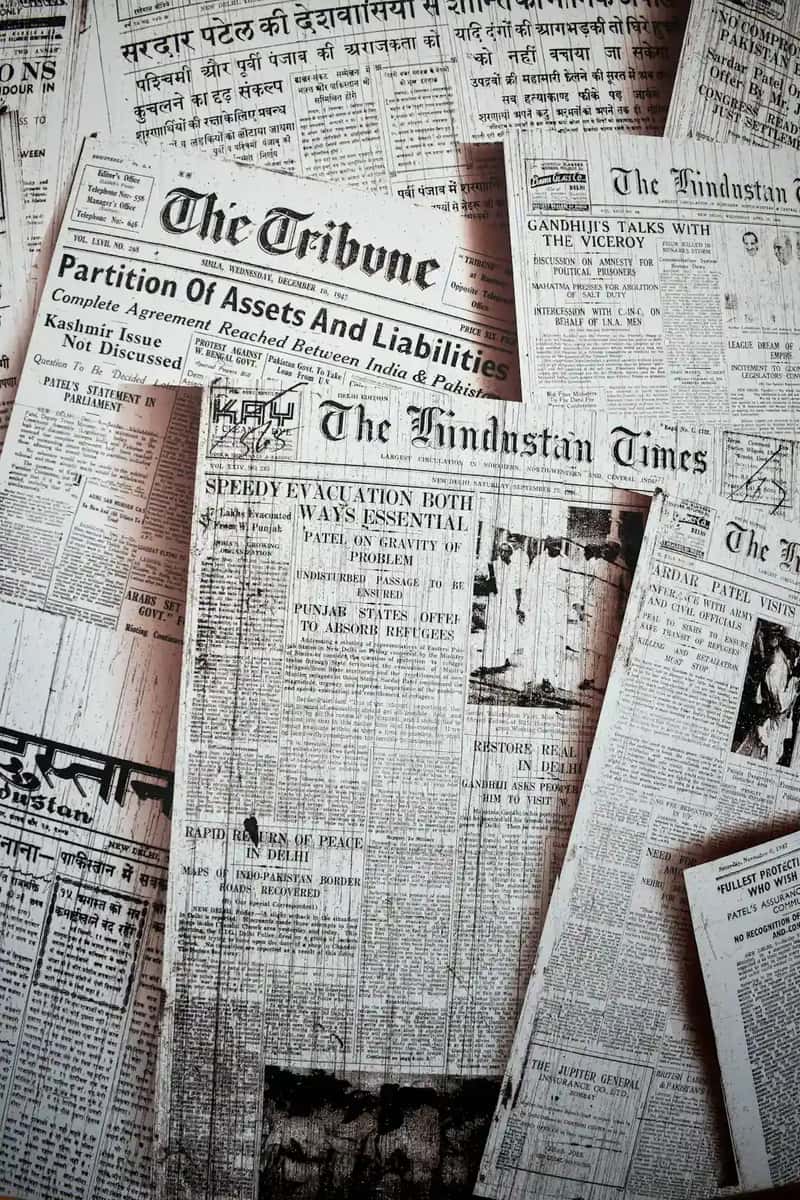
The morning newspaper wasn’t a nostalgic quirk – it was the primary way most American households found out what had happened in the world. It arrived before breakfast, you read it, and then it was gone – used for wrapping things, lining shelves, or recycled. There was no notification, no update, no second edition pushed to your phone at 3pm. The evening news on television ran for exactly thirty minutes at a set time, delivered by a trusted face reading facts calmly, and then it was over.
The idea of a 24-hour rolling news cycle – updates arriving every few minutes, arguments playing out in real time, notifications buzzing at midnight – did not exist. For better or worse, 1980s kids grew up in a world where the news had a beginning, a middle, and an end each day. You read it or watched it. Then you went outside. The anxiety loop of constant breaking news, the feeling that something terrible is always happening somewhere and your phone is determined to tell you about it immediately – that was not a feature of 1980s childhood. It simply wasn’t possible.
#10 – Comic Books Were a Legitimate, Affordable, Everyday Reading Habit
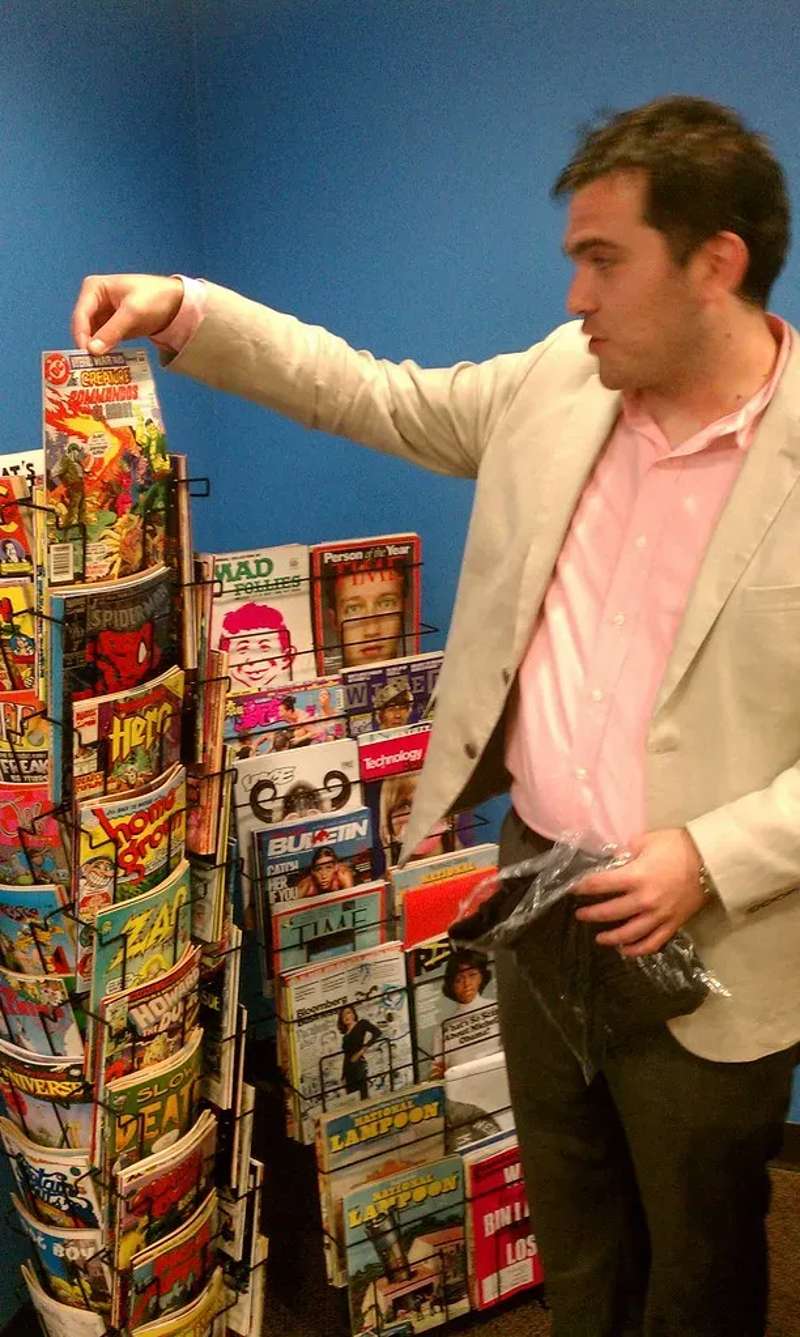
In the early 1980s, a standard single-issue comic book cost somewhere between 40 and 75 cents – affordable on pocket money alone, with change left over. Kids collected them, traded them, and read them cover to cover, including the letter pages and the ads for sea monkeys and X-Ray specs. The spinner rack at the corner drugstore or newsstand was where you discovered new titles, flipping through issues of Spider-Man, X-Men, G.I. Joe, and Batman with no algorithm suggesting what to try next.
The comics industry hit its sales peak in the early-to-mid 1980s, with major titles routinely selling hundreds of thousands of copies per month. Those issues – bought for under a dollar, read until the spine cracked, stored in a shoebox under the bed – are now the foundation of a multi-billion-dollar film franchise. A mint-condition copy of X-Men #1 from 1963, the kind of issue that might have been found forgotten in an attic, recently sold at auction for over $800,000. The kids who read comics for fun in 1983 were sitting on cultural gold and had absolutely no idea.
#9 – Recess Was Completely Unstructured – and That Was the Entire Point

The schoolyard in the 1980s operated by its own rules – rules the kids made, enforced, and occasionally broke without adult input. Red Rover, four square, tag, elaborate games invented that morning and abandoned by the afternoon. There was no teacher assigning activities, no structured play programme, and certainly no one monitoring whether the game was emotionally appropriate. You went out. You played. You came back in when the bell rang.
There were no social-emotional learning programmes to guide conflict resolution. No mediated discussions about feelings. You fought with friends and had to fix it yourself because no adult was coming to sort it out for you. The entire philosophy of 1980s recess was built on a single unspoken assumption: navigating conflict, exclusion, and disappointment without adult interference wasn’t a side effect of playtime – it was the actual lesson. The scraped knees were almost beside the point.
#8 – Trapper Keepers Were Status Symbols as Serious as Designer Trainers Are Today
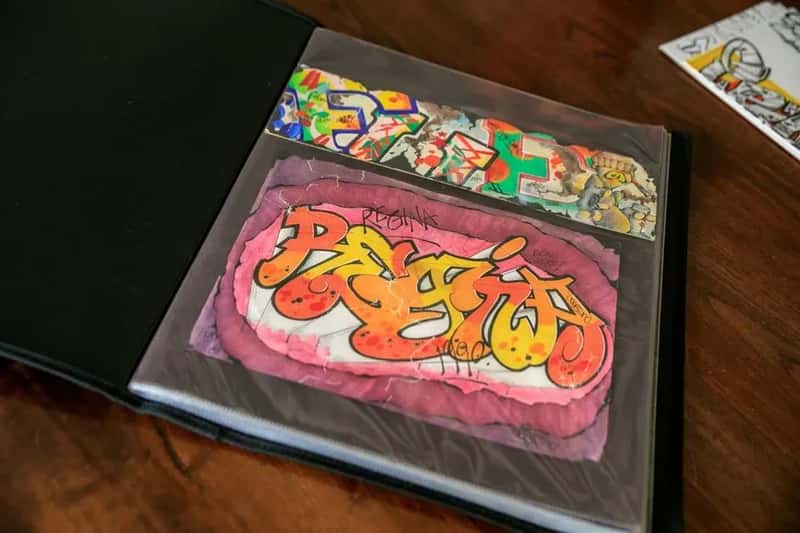
The Trapper Keeper – a binder with a velcro flap, interior folders, and a decorative cover – was introduced by Mead in 1978 and became the defining school supply status symbol of the 1980s. The cover art mattered enormously. Geometric patterns, neon sunsets, wolves mid-howl, horses in motion – whatever design you carried said something about who you were. Choosing the right one before the school year started was a genuinely weighty decision, made in the school supply aisle with the seriousness of a business negotiation.
Mead sold tens of millions of Trapper Keepers throughout the decade, generating roughly $100 million in annual sales at their peak. Some teachers banned them from classrooms because they were too bulky and distracting – which, of course, only amplified their appeal. Today’s students keep notes on tablets, apps, and cloud drives. The idea of investing that much emotional energy in the choice of a physical binder cover would be completely alien to them – which is exactly why it’s so perfectly, specifically 1980s.
#7 – Fashion Was Neon, Loud, and Completely Unapologetic

Shoulder pads were not ironic. Acid-washed jeans were not a costume. Hypercolor shirts – heat-sensitive garments that changed colour where you touched them – were genuinely coveted items that kids saved up for. Scrunchies, bubble skirts, Reebok Pumps, jelly shoes, and parachute pants were all worn with complete sincerity and total confidence. The 1980s fashion aesthetic was essentially a dare: how bright can you go before it becomes too much? The answer, it turned out, was that there was no too much.
The visible-logo sportswear that made every kid look like a walking advertisement, the permed hair that required serious chemical commitment, the fingerless gloves worn indoors – none of it was ironic, and all of it was deeply felt. The 1980s produced some of the most visually distinctive fashion in American history, and essentially none of it has aged gracefully. Which somehow makes every photograph from that decade more beloved, not less. The sincerity is the whole point.
#6 – Paper Fortune Tellers Decided Your Entire Social Fate

Those folded paper squares – made from a single sheet of notebook paper in about four minutes during a boring class – were the low-tech social engine of the 1980s elementary school experience. You wrote numbers on the outside, colours on the flaps, and increasingly elaborate fortunes inside. Then you worked through the ritual: pick a colour, spell it out, pick a number, count it out, pick again. Whatever was written on the inner flap was your destiny. At least until lunch.
The paper fortune teller required no batteries, no Wi-Fi, no app store download, and no screen time permission from a parent. It was entirely handmade, endlessly customisable, and capable of occupying a lunch table for an entire break. The fact that something this lo-fi – folded paper, a pencil, and two minutes of origami – could hold that much social power says everything about the difference between structured digital entertainment and pure imaginative play. Today’s equivalent would need a shareable result, a notification sound, and probably a sponsored tier.
#5 – Home Economics Was a Real Class Where You Actually Learned to Cook and Sew

In schools across the country, Home Economics was a genuine part of the curriculum – not an elective, not an after-school club, but a regular class where you learned to hem a pair of trousers, bake a casserole from scratch, read a recipe, and understand what a household budget actually looked like. All before age fourteen. All as a normal part of the school week. The skills were practical, unglamorous, and genuinely useful in a way that has only become more obvious with time.
Most U.S. school districts have since dramatically reduced or eliminated mandatory Home Economics in favour of STEM-focused curricula. The result, critics argue, is a generation of highly tech-literate young people who cannot cook a meal from scratch or sew a button back onto a shirt without a YouTube tutorial. Multiple surveys in recent years have found that large percentages of adults under 30 lack basic cooking skills – a direct consequence of removing practical life education from the classroom. The 1980s kid who spent a Tuesday afternoon making a pot of chilli in a school kitchen got something that no coding class has ever replaced.
#4 – Riding in the Back of a Pickup Truck Was a Totally Normal Weekend Activity

Riding in the back of a pickup truck was a routine childhood experience in the 1980s – especially in rural and suburban America. You piled in with cousins, neighbours, and the family dog, sat on the wheel wells or the truck bed itself, and held on as the truck rolled down a country road or through a campground. Wind in your face. Total freedom. Absolutely zero seatbelts. Nobody thought anything of it because nothing about it seemed remarkable at the time.
Today, every state in the U.S. has restrictions on passengers riding in truck beds, with most states prohibiting it entirely for children. The shift happened gradually through the late 1980s and 1990s as traffic safety research accumulated. In 1980, riding unsecured in the back of a pickup was legal in most states and considered a perfectly acceptable family activity – something that would today result in a significant fine and a difficult conversation with authorities. The physical sensation of wind and open sky without a roof or a seatbelt is something no child born after about 1995 has ever experienced outside of a theme park ride.
#3 – You Had to Be Home When the Streetlights Came On – Or Else

The streetlight rule was the closest thing the 1980s had to a universal parenting standard. It wasn’t written down anywhere. It didn’t need to be. When the lights flickered on outside, every kid in the neighbourhood felt the same low-frequency panic simultaneously and started pedalling home as fast as they could. You didn’t need a text reminder. You didn’t need a GPS check-in. You watched the sky, you felt the light change, and you moved.
Forgetting lunch money meant going hungry or negotiating with cafeteria staff. Breaking something meant figuring out how to explain it. Coming home after the streetlights came on meant facing real parental disappointment with no buffer, no excuse, and no one to soften the landing. These experiences, while sometimes uncomfortable, built an internal clock and a sense of personal accountability that structured activities and supervised playdates have never fully replaced. The streetlight was a curfew, a teacher, and a test – all at once, every single evening.
#2 – Sugary Cereal Was the Breakfast of Champions and Nobody Was Apologising for It

Saturday morning cartoons came with a mandatory sugar delivery system: an enormous bowl of the most aggressively sweet cereal the pantry contained. Count Chocula. Cocoa Puffs. Froot Loops. Lucky Charms. Cap’n Crunch, which reliably sliced the roof of your mouth but remained completely irresistible. Every box contained a toy or a secret code on the back panel. The cereal aisle in the 1980s was a battlefield of mascots and promises, and breakfast was when kids got to be fully in charge of their own morning.
Some of those cereals were, nutritionally, closer to candy than food – containing more sugar per serving than a glazed doughnut – and this was printed on the box without any apparent concern. Today those same cereals carry reformulated recipes, reduced sugar content, and significantly scaled-back prizes. The specific experience of fishing a cheap plastic toy out of a cereal box at 7am on a Saturday, in your pyjamas, before the first cartoon had even started – that particular small joy is one that no streaming algorithm or wellness app has found a way to replicate.
#1 – Kids Had Total Unsupervised Freedom – and It Shaped Everything About Who They Became

All 27 things on this list lead back to this one. The 1980s were the last decade when unsupervised freedom was simply the default state of childhood – not a parenting philosophy, not a conscious choice, not a counter-cultural experiment. You went out. You came back. In between, you figured things out. You got bored and invented something to do. You made a mistake and dealt with the consequence. You got lost and found your way home. Nobody was watching. That was the point.
The generation raised that way didn’t emerge unscathed – they came home with scraped knees, bad decisions behind them, and hard lessons learned without a safety net. But they also came home knowing how to be alone with their own thoughts, how to build something out of nothing, and how to navigate a world that wasn’t arranged around their comfort. That combination of boredom, freedom, risk, and real consequence produced something that structured activities, supervised playdates, and screen time limits have genuinely struggled to replicate. It might be the most foreign concept of all to a child growing up today – not the VHS tapes or the busy signals or the Trapper Keepers, but the simple, radical idea that kids could just go outside and figure it out themselves.
From the busy signal to the back of a pickup truck, from the record store to the streetlight rule – the 1980s childhood wasn’t perfect, but it was vivid, tactile, and free in ways that are hard to fully explain to anyone who didn’t live it. Which one hit you hardest? Tag someone who remembers.