Most people assume duty-free regret is about overspending. It isn’t. Airport retail workers say the real pattern is timing – shoppers wait until the last possible minute to buy things they actually needed an hour, a day, or even a week earlier. Around 73% of travelers buy something during their airport transit, and staff say a huge share of those purchases happen in a last-second panic instead of a planned decision.
That panic-buying habit is exactly why so many travelers end up overpaying, missing a genuine deal, or watching an item get pulled at security before it ever reaches the plane. Here’s what duty-free teams actually see happen, item by item, when passengers wait just a little too long.
#24 – The Neck Pillow Nobody Buys Until Boarding Is Already Called
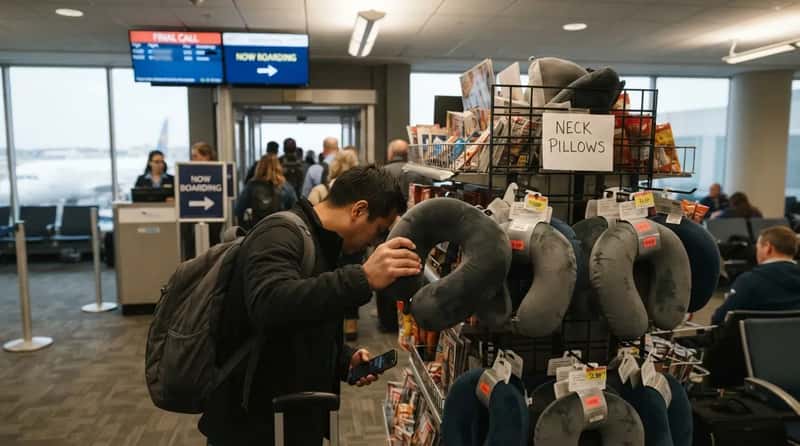
Travel pillows are one of the most predictable last-minute grabs in any terminal. Passengers walk right past them for the entire layover, then suddenly panic-buy one the second their group number is announced. Staff say this is almost always the most marked-up item near the gate, precisely because it’s an emotional, rushed purchase.
The frustrating part is that the exact same pillow is often cheaper at a store just two gates back, or online before the trip even started. By the time someone realizes they’ll actually need it for an overnight flight, there’s no time left to comparison shop. It becomes a convenience tax, not a purchase.
#23 – Portable Chargers People Grab With One Foot Already at the Gate
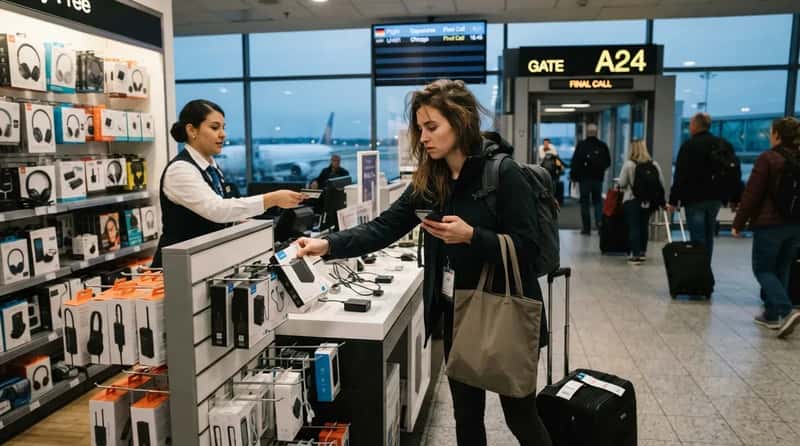
Phone batteries die at the worst possible moment, and duty-free electronics counters know it. Passengers who ignored the charger aisle all day suddenly need one the instant their phone hits 5% before a six-hour flight. That urgency means almost nobody checks the price against what the same brand costs elsewhere.
Retail teams note that electronics in general are rarely the airport’s strongest category. Liquor, tobacco, cosmetics, and fragrances typically offer the best deal, while cameras, watches, and other electronics are almost always cheaper online. A gate-side charger grab is almost never a bargain – it’s a rescue mission.
#22 – Travel-Size Toiletries People Repurchase After Security Already Took Theirs
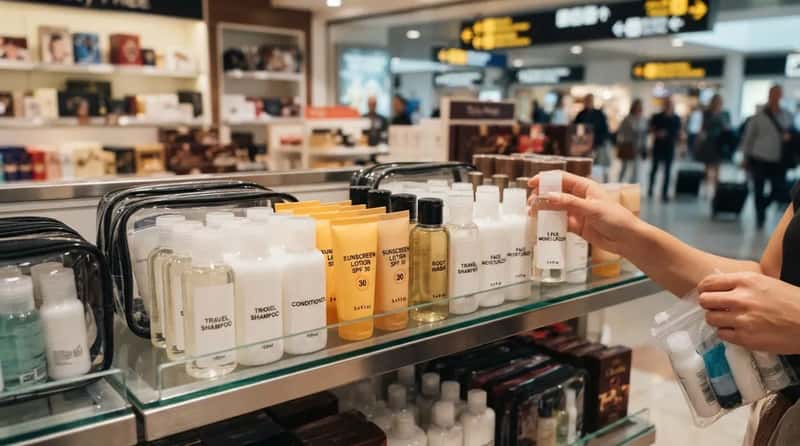
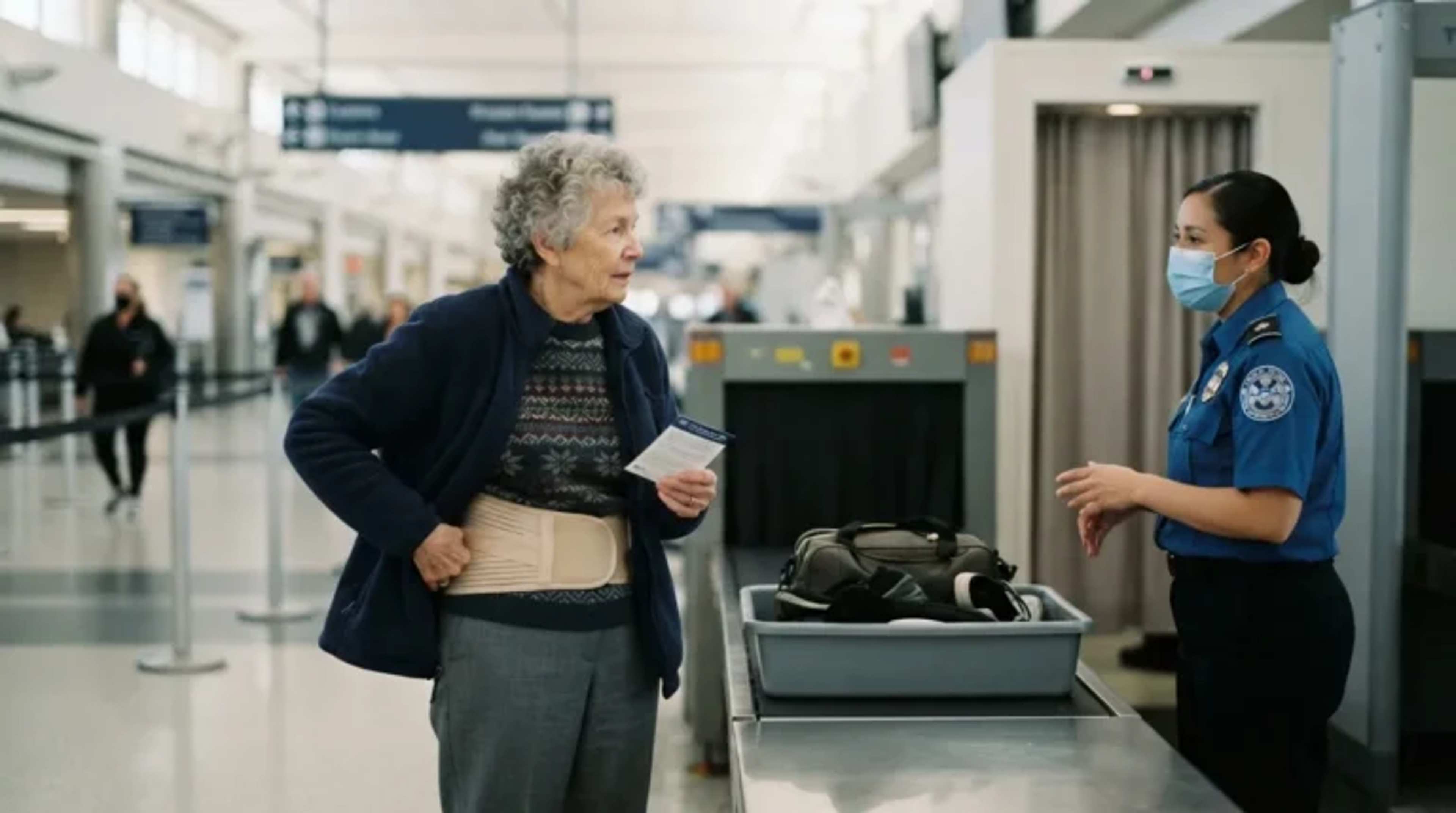
This one repeats at nearly every checkpoint in the country. A passenger’s full-size sunscreen, shampoo, or skincare gets confiscated at security, and they walk straight into duty-free to buy a replacement at airport prices. It’s an entirely avoidable expense that happens purely because of poor timing before the trip.
The fix is almost embarrassingly simple. Full-sized shampoo, conditioner, and sunscreen can go in checked luggage without limits, while travel-sized versions of daily-use toiletries can go in the carry-on for accessibility. Most people just never plan the split until it’s too late.
Fast Facts
- TSA’s 3-1-1 rule caps carry-on liquids at 3.4 oz (100 ml) per container, all fitting in one quart-sized bag.
- Full-size toiletries face no ounce restrictions once they’re packed in checked luggage.
- Confiscated items are almost never returned – most checkpoints dispose of them immediately.
- Anything bought after the checkpoint arrives in a sealed, tamper-evident bag, which is treated differently than a carry-on liquid.
#21 – Foreign Cash for Tips That People Only Remember After Exchanging at the Worst Rate
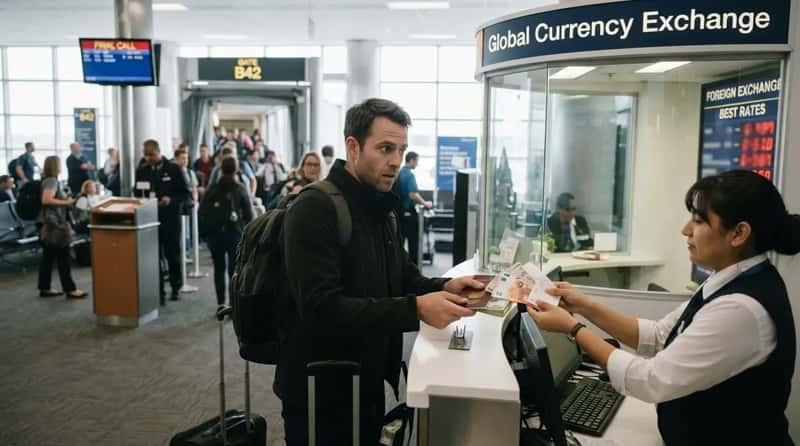
Travelers frequently forget they’ll need small local bills for porters, drivers, or tipping until they’re already standing at the gate. By then, the only currency exchange option left is the one with the worst posted rate in the entire airport. Staff say this scramble happens on almost every international departure.
The irony is that the fix takes thirty seconds of planning days earlier – a bank, an ATM at the destination, or even a currency app. Waiting until the gate turns a minor task into an expensive one, and it’s one of the most common “I wish I’d known” moments travelers mention on their way out.
#20 – The eSIM or Airport SIM Card Travelers Buy After They’ve Already Missed Free Wi-Fi Windows
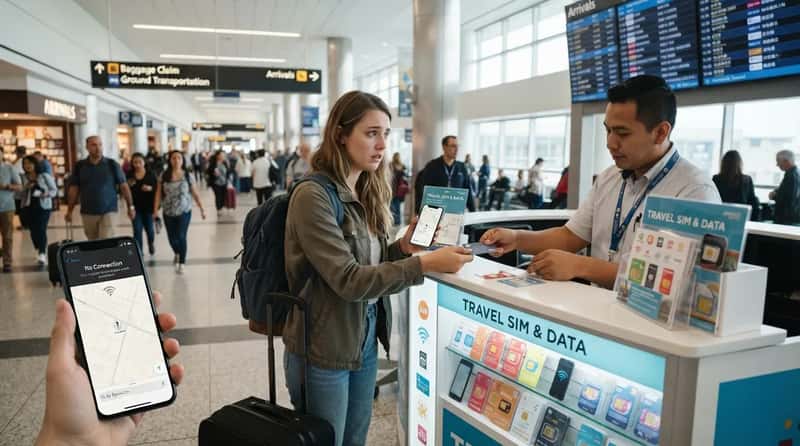
Connectivity panic is real. Passengers who land without data coverage often end up buying an overpriced SIM or eSIM at the destination airport kiosk, sometimes minutes after they could have activated a cheaper plan digitally before departure. It’s a purely time-based mistake.
Most major carriers and third-party apps allow activation before wheels-up, but that window closes fast once boarding starts. Staff at arrival-side kiosks say the majority of their sales come from travelers who simply didn’t think about it until they were standing in a new country with a dead map app.
#19 – Swiss and Belgian Chocolate Bought Right Before an 11-Hour Layover
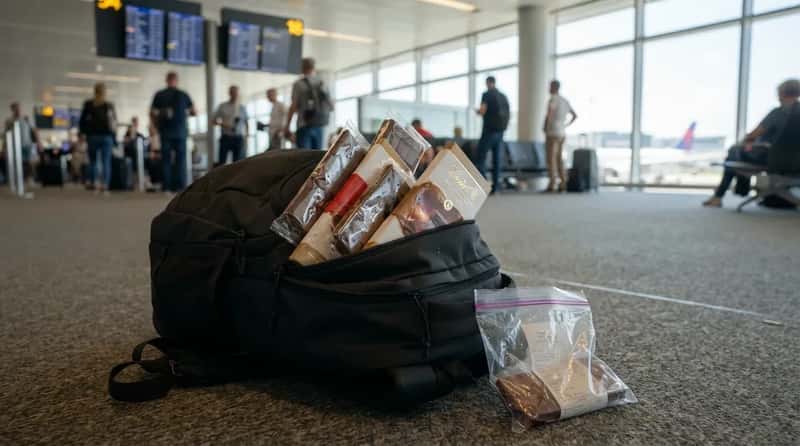
Chocolate is one of duty-free’s biggest categories worldwide, and demand keeps climbing. Confectionery products, especially chocolates, saw a 34% sales increase in recent tracking, much of it driven by travelers grabbing gifts at the very last stop of a trip. The problem is timing, not taste.
Bars bought right before a long layover or a hot tarmac wait often arrive home half-melted. Staff quietly recommend buying chocolate earlier in a trip, when there’s still a cool hotel fridge available, rather than as a rushed final purchase minutes before a long-haul flight with zero climate control in a carry-on bag.
#18 – The “Surprise” Perfume Nobody Tests Until It’s Already Wrapped
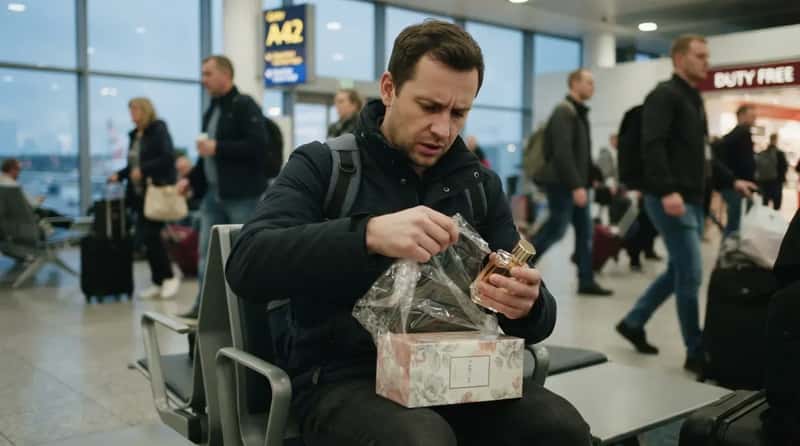
Buying fragrance as a last-minute gift feels romantic in theory. In practice, staff say a large share of these purchases get tested for the very first time by the recipient, not the buyer, because there simply wasn’t time to sample it beforehand.
That’s a gamble, since scent reacts differently to every person’s skin. Makeup and skincare products are often sold for up to 50% off at duty-free shops, which makes the deal tempting, but staff say the biggest regret isn’t the price – it’s realizing the “perfect” bottle wasn’t tested until it was too late to exchange it before the flight home.
#17 – Premium Cigars Bought With 20 Minutes Left Before Boarding
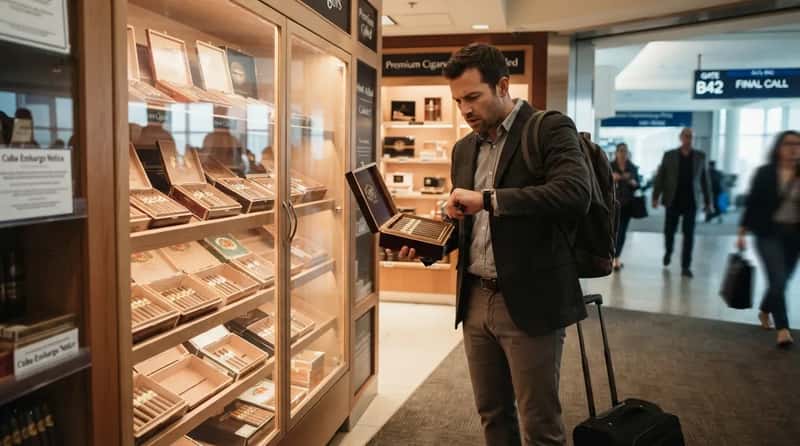
Cigar cases get raided hardest in the final boarding window, when a passenger suddenly remembers a host gift or business favor they promised. The trouble is selection: the good humidor stock tends to disappear earlier in the day, leaving latecomers with whatever’s left.
There’s also a hard legal ceiling most last-minute buyers forget about. U.S. residents are permitted to bring back up to 200 cigarettes and 100 cigars for personal use, and Cuban cigars are currently prohibited from being brought into the U.S. for commercial or personal use regardless of where they were purchased. Buying in a rush means nobody checks either rule.
#16 – Mini Liquor Bottles People Buy to Drink on the Plane – Then Can’t Open
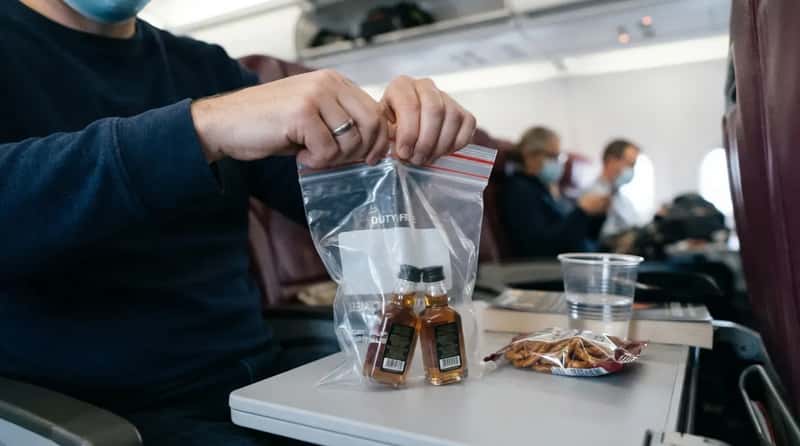
This is one of the most common duty-free surprises. Passengers buy small bottles specifically to sip in-flight, not realizing they’ve just been sealed shut for security reasons. Many duty-free retailers now sell bottled alcohol in pre-sealed bags to deter passengers from consuming excessive volumes during a flight.
Those bags aren’t easy to sneak open, either. The heavy-duty plastic is difficult to open by hand and often requires scissors or a knife, and both are prohibited from being carried onto an aircraft, making it nearly impossible to open sealed bags mid-flight. The bottle rides home unopened, purely because of when it was bought.
#15 – The Full-Size Liquor Bottle That Gets Confiscated at the Second Security Line
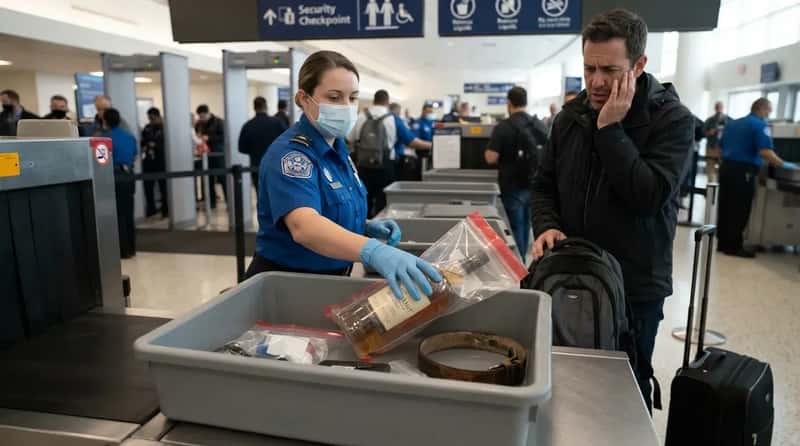
Nothing stings quite like watching a bottle of duty-free whisky get tossed in a bin at a connecting airport. It happens constantly on multi-leg international trips, and it’s almost entirely preventable with better timing.
The rule is simple but frequently ignored: if there’s a connecting flight through another security checkpoint, duty-free liquids purchased internationally may be confiscated if they exceed 3.4 oz and aren’t in sealed, tamper-evident packaging. TSA itself recommends packing duty-free items in checked luggage whenever a connecting flight is involved, yet most bottles get bought at the very last store before the very last gate.
Worth Knowing
- Duty-free liquids only stay protected if the tamper-evident bag remains sealed with the receipt visible inside.
- Even one extra checkpoint – domestic or international – can trigger a fresh liquid screening.
- TSA advises checking duty-free bottles rather than carrying them through a second security line.
- International-to-domestic connections carry the highest confiscation risk, since re-screening is almost guaranteed.
#14 – The Watch or Jewelry Piece People “Come Back For” After Browsing
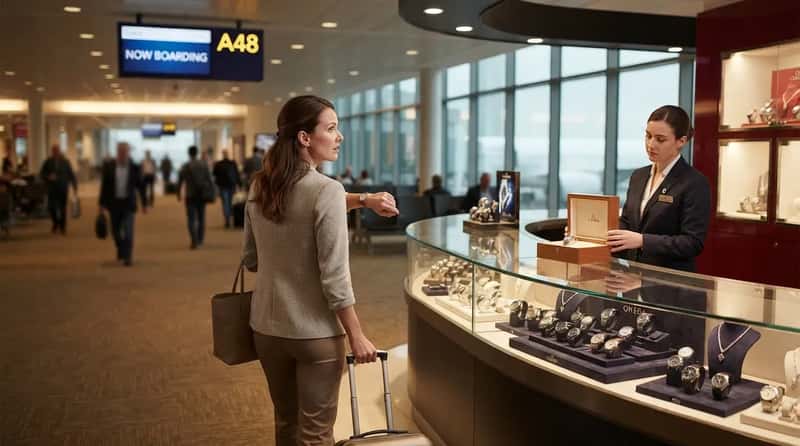
Big-ticket items get the most window-shopping and the least follow-through. Passengers try on a watch, admire it, tell themselves they’ll circle back after grabbing food, and then discover the boarding call came faster than expected.
Staff say this is the single most common “I should have just bought it” regret they hear. Avoiding local taxes is tempting for higher-end items like designer pieces, but shoppers don’t always save money by shopping duty-free – a better deal might exist elsewhere, so the smarter move is deciding before the browsing starts, not after.
#13 – Skincare Sets Bought at the Last Airport Instead of the First
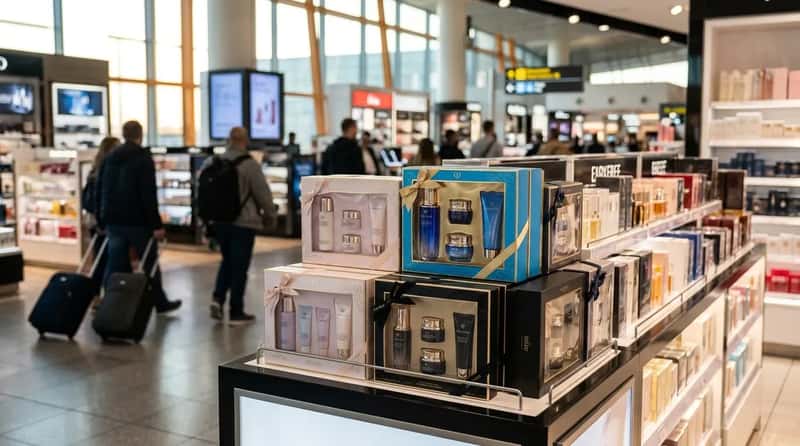
Multi-city trips create a hidden pricing trap. Travelers often wait until their final connection to stock up on skincare, assuming prices are roughly the same everywhere. They’re not.
Prices can vary widely between duty-free stores depending on the country and airport, and a Points Guy study found that duty-free stores in Europe typically offer the lowest prices on cosmetics and fragrances. Buying at the wrong leg of a trip means paying more for the exact same product a traveler already walked past days earlier for less.
#12 – Snacks Bought Only After the Meltdown Starts
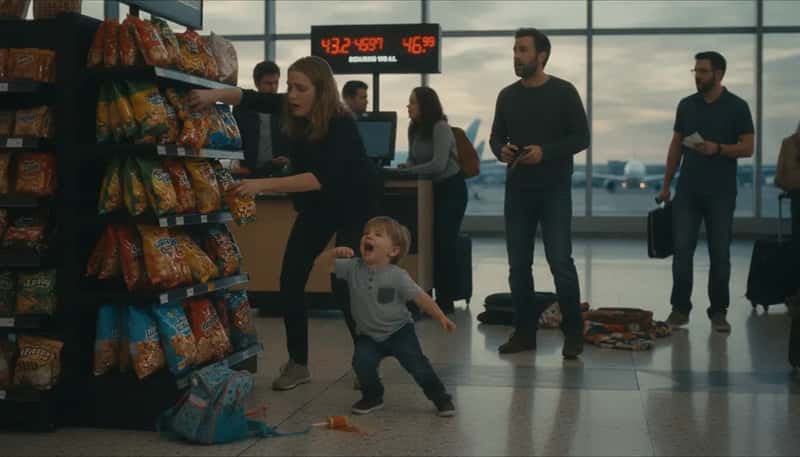
Parents traveling with kids know this one instantly. Snacks get skipped during the calm part of the layover, then bought in a rush the moment a child hits a hunger-fueled breaking point near the gate.
By then, selection is thin and prices are whatever the nearest kiosk decides to charge. Staff say stocking up early – even before security, when prices are usually lower – avoids the entire scenario. A five-minute decision made too late turns into a stressful, overpriced fix under pressure.
#11 – Local Spice Blends and Specialty Foods Bought on the Wrong Leg of the Trip
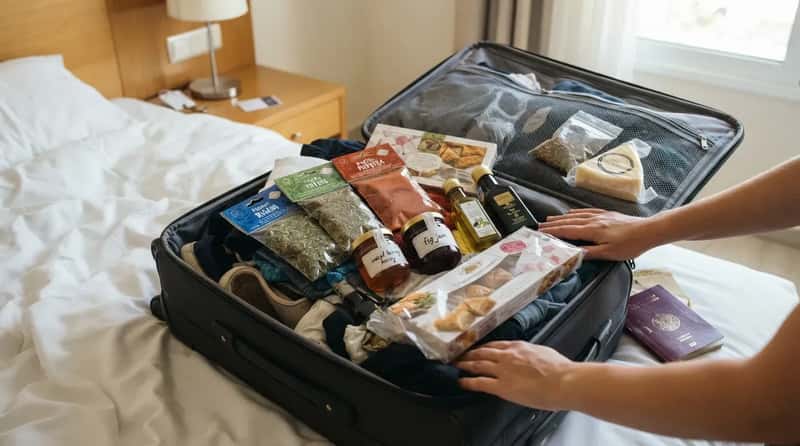
Destination-specific foods are meant to be bought where they’re made, not as an afterthought on the way home. Travelers frequently wait until their return flight, only to find weight limits or luggage space forcing them to leave items behind.
Packaged, shelf-stable foods generally travel fine in checked bags, but only if there’s room left to pack them. Many processed and packaged foods are allowed, including vacuum-packed cheeses, dried herbs, jams, baked goods, candy, chocolate, oil, vinegar, condiments, and honey – but only if the suitcase isn’t already zipped shut by the time someone remembers.
#10 – Gift Bags and Wrapping Paper Nobody Thinks About Until the Gate
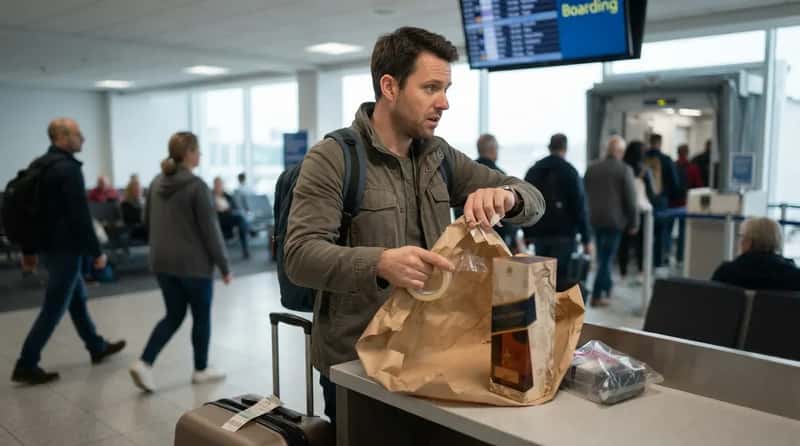
It’s a small thing that causes outsized frustration. A traveler buys a beautiful bottle or box as a gift, then realizes at the register there’s no wrapping option left, or the gift-wrap counter closed early.
There’s also a customs wrinkle most people don’t expect. CBP may need to inspect gift items, and unwrapping them at customs isn’t anyone’s idea of a good time. A bottle bought too close to boarding often ends up handed over bare, wrapping paper or not.
#9 – “Just One More Carton” That Blows Past the Legal Import Limit
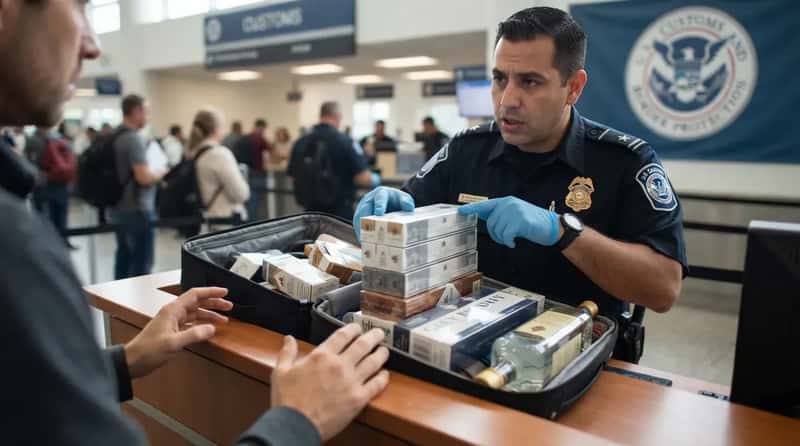
Tobacco buyers frequently underestimate how tight the return-side rules actually are. It’s an easy mistake to make in a rushed, final-purchase mentality.
Travelers aged 21 and older may typically bring one liter of alcohol and 200 cigarettes into the U.S. duty-free, and quantities exceeding these amounts may be subject to high excise taxes and potential seizure. A rushed “grab a couple extra cartons” decision at the gate can turn into an unexpected bill at home customs.
Quick Compare
- Alcohol: about 1 liter duty-free per traveler 21 and older entering the U.S.
- Cigarettes: up to 200 per person before extra taxes kick in.
- Cigars: up to 100 for personal use, with Cuban cigars barred entirely.
- Go over any limit and the result is the same – excise tax, seizure, or both.
#8 – Backup Sunglasses Bought Only After the First Pair Is Already Lost
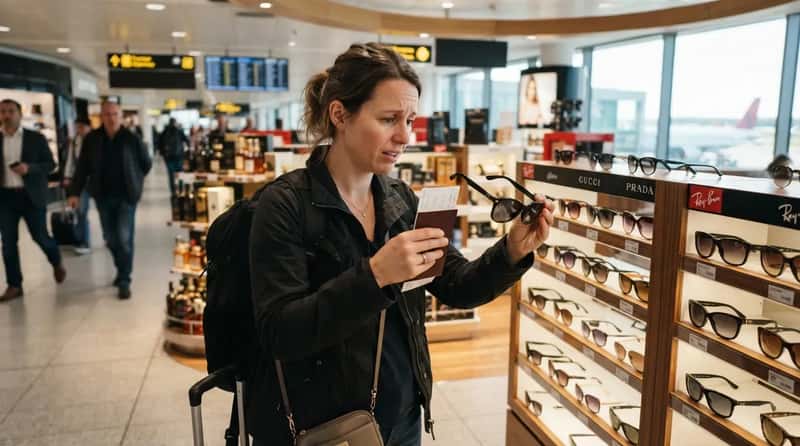
Sunglasses are one of duty-free’s genuine bright spots, but most people don’t buy them until their original pair is already gone – usually left on a previous flight or lost in a rental car. By then, it’s a replacement purchase, not a planned one.
The category has real momentum behind it, too. Sales of designer sunglasses rose by 21% in 2024, and when it comes to luxury products like bags and sunglasses, airport shoppers can find hugely discounted prices. Buying early, before a loss forces the issue, is when the real savings show up.
#7 – Plug Adapters Bought the Moment the Outlet Doesn’t Match
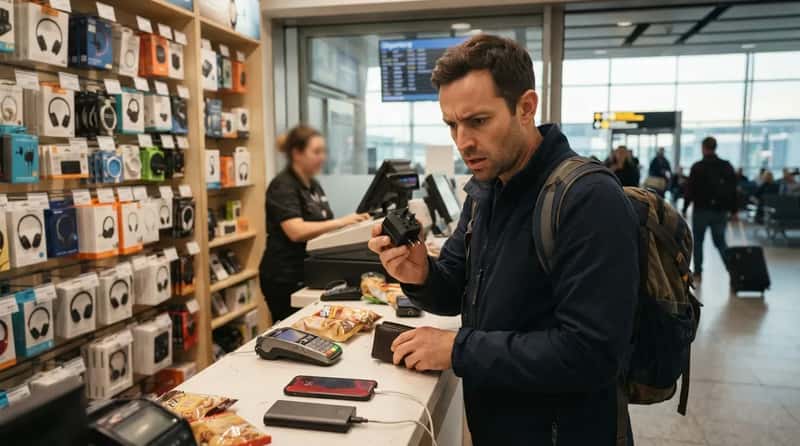
Few things feel worse than landing with a dead phone and a plug that simply doesn’t fit the wall. This is a classic “buy it when you needed it yesterday” purchase, and airport electronics counters know exactly how much leverage that gives them on price.
The item itself is cheap almost everywhere else – drugstores, big-box retailers, even convenience stores near most airports abroad. The only reason it costs more at duty-free is the timing. Nobody negotiates hard when their laptop is at 2% battery and boarding starts in ten minutes.
#6 – Duty-Free Liquids Rebought at the Connecting Airport After the First Bottle Gets Tossed
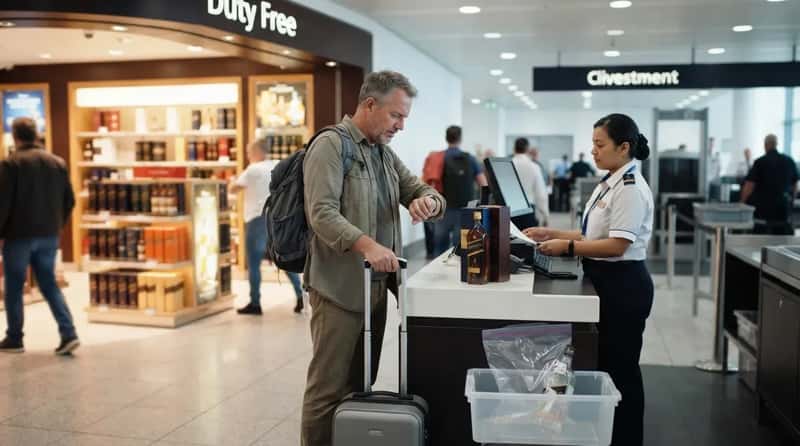
This is one of the most maddening double-purchases in travel. A bottle gets confiscated at a connecting security checkpoint, and rather than go without, the traveler buys the exact same item again at a markup, in the exact same duty-free chain, minutes later.
Travelers with a connecting stop should be careful about duty-free purchases, especially when connections involve different airlines with different duty-free rules, and should always understand their allowances before buying to avoid confiscation. Buying that understanding early avoids paying for the same bottle twice.
#5 – The Anniversary Perfume Bought the Same Day the Exact Bottle Sells Out
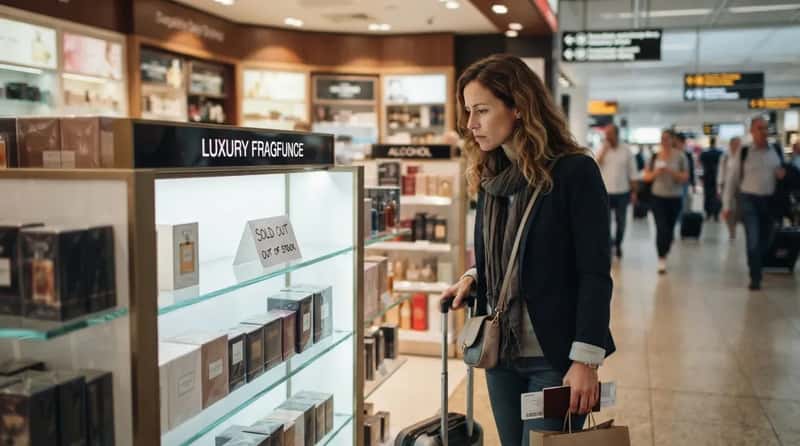
Special-occasion fragrance purchases are notorious for last-day disappointment. A traveler decides on the flight home that this is the trip they’ll finally buy “the” bottle, only to find the exact size or edition sold out by the final leg.
Perfume remains one of duty-free’s biggest categories globally, which is exactly why popular sizes move fast. Perfumes remained the top-selling category at one major hub, generating 18% of total revenue, up 16% year-on-year. Waiting until the final travel day to commit is a gamble against thousands of other shoppers doing the same thing.
#4 – Celebration Champagne Bought With No Room Left in the Carry-On
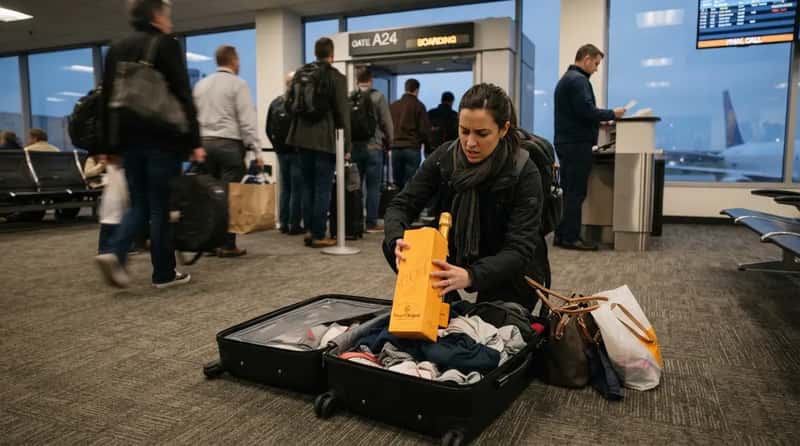
Passengers buying something to celebrate a homecoming often forget one basic detail: bag space. A bottle bought minutes before boarding sometimes doesn’t fit the carry-on at all, forcing a rushed, and often pricey, last-minute gate-check.
Staff say the smarter move is deciding on the bottle early enough to plan packing around it, not the other way around. A celebration purchase should feel like a win, not a stressful shuffle of items at the boarding line while a gate agent waits.
#3 – The Limited “Airport Exclusive” Whisky Bottle People Wait One Trip Too Long to Buy
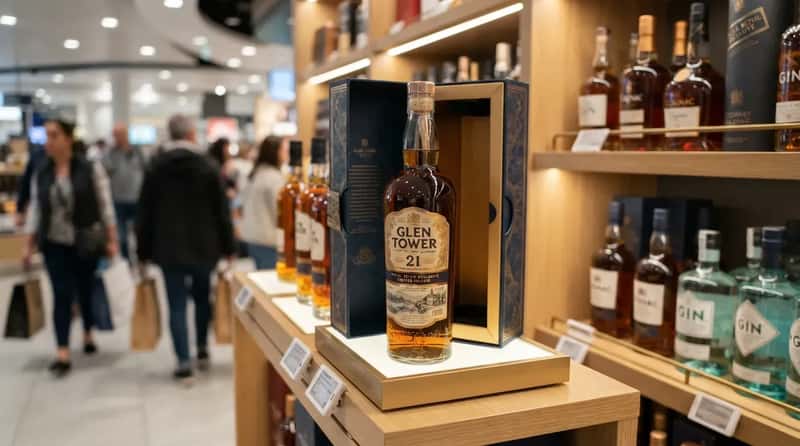
Travel-exclusive spirits are designed to create urgency, and the strategy works. Whisky, vodka, Champagne, and other bottles are classic airport purchases, especially when the retailer carries travel-exclusive packaging. Frequent flyers often spot a limited bottle, decide to “wait for next time,” and find it gone for good.
Premium spirits genuinely do offer some of duty-free’s best real savings. Alcohol is one of the most reliable duty-free deals in most airports, especially for premium spirits, because taxes and import duties contribute greatly to the cost. Hesitating on a limited release is one of the rare duty-free decisions that can’t be undone on a future trip.
Why It Stands Out
- Alcohol stays one of duty-free’s most reliable deals since import duties and taxes are stripped from the shelf price.
- Travel-exclusive bottles and packaging create genuine scarcity, not just marketing hype.
- Premium spirits often show the widest price gap between airport shelves and retail back home.
- Once a limited release sells out at a given airport, it typically never comes back.
#2 – Holiday Beauty Advent Calendars That Vanish Before Most Travelers Even Look
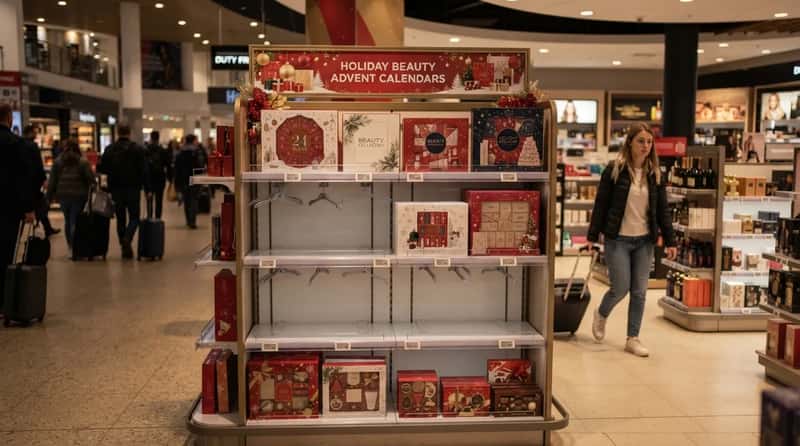
Seasonal gift sets and limited beauty collections move faster than almost anything else on the shelf. Passengers flying during peak holiday weeks routinely find entire displays picked clean by the time they walk through, simply because they didn’t shop on an earlier leg of holiday travel.
These bundles often represent genuine savings when the timing works. Fashion, luxury accessories, and confectionery categories together make up a large share of market demand, with confectionery products, especially chocolates, seeing a sharp sales increase during peak seasonal windows. Waiting until the day of travel to shop the holiday displays is almost always too late.
#1 – The Big-Ticket Splurge Everyone Swears They’ll Buy “On the Way Home”
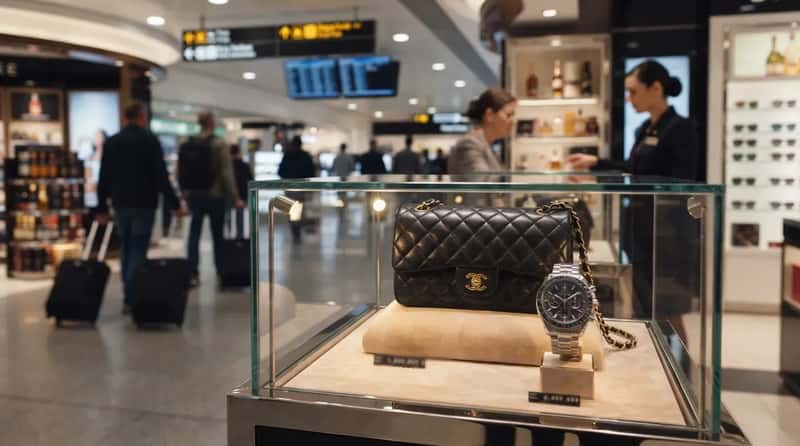
Duty-free staff say this is the single biggest regret they hear, over and over: the designer bag, the statement watch, the luxury item a traveler admires on the way out and promises themselves they’ll buy on the return leg. Then the return leg happens, the gate changes, the line is long, and the moment simply disappears.
It’s the ultimate version of buying too late – not confiscated, not overpriced, just gone. Duty-free shops are designed to feel like a bargain hunter’s paradise, with glossy displays, luxury brands, and tax-free pricing that lets travelers buy certain products without paying import, sales, or other taxes. Staff say the travelers who commit on the first pass are almost always the ones who leave satisfied, not the ones who wait.
Add it all up, and the pattern is impossible to miss: it’s rarely the purchase itself that goes wrong, it’s the moment someone decides to make it. A bottle bought one gate too late gets confiscated. A gift bought one day too late sells out. A splurge saved for “next time” quietly disappears.
Duty-free teams see the same regret on repeat, trip after trip, and almost every version of it traces back to the same root cause – waiting. Which one of these has happened to you? Drop your worst duty-free timing story in the comments.