
A Mediterranean cruise built around joy, sunshine, and community for thousands of LGBTQ+ travelers turned into an unexpected diplomatic flashpoint this month. Within the span of a single week, two countries refused to let the same ship dock, leaving passengers scrambling and travel industry observers stunned by the coordinated rejection.
The Scarlet Lady, chartered by veteran LGBTQ+ travel company Atlantis Events, was first turned away from Turkey and then, just days later, blocked from Egypt as well. The back-to-back denials have sparked outrage among passengers, drawn commentary from Broadway performers onboard, and reignited a decades-old debate about how governments treat gay tourism.
What Happened in Alexandria
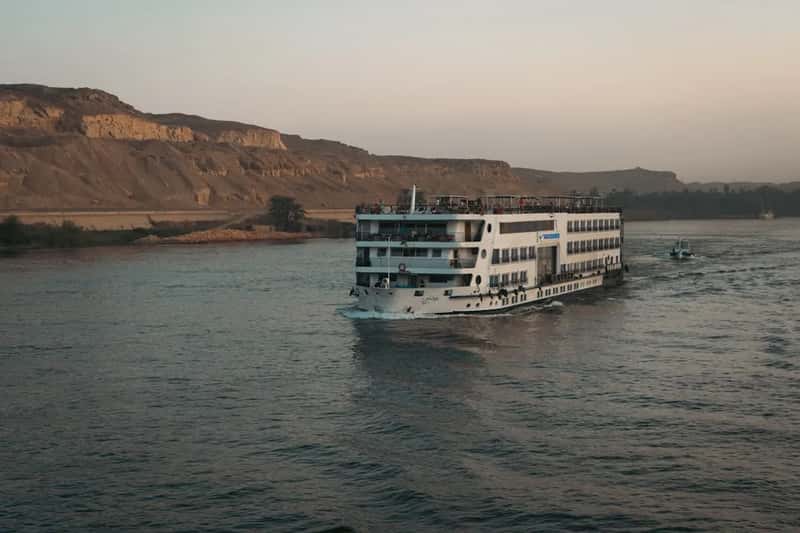
Passengers aboard the Scarlet Lady expected a full day in Alexandria, complete with pre-booked excursions to the pyramids and other Egyptian landmarks. Instead, they woke in the middle of the night to unwelcome news. Passengers received an update in the middle of the night informing them the ship had been “denied entry into Egyptian waters.”
The timing made the blow especially painful. The Scarlet Lady’s itinerary was subsequently updated to stop in Alexandria, Egypt, and the ship was then denied entry by Egyptian officials while it was less than 100 miles from Alexandria. Cruise tracking services confirmed the sudden course change, and Atlantis Events later noted that this had never happened before. Rich Campbell, CEO of Atlantis Events, said in a letter to passengers, “We successfully sailed a similar itinerary last year without issue. So we were surprised by this unfortunate decision.”
The Turkey Ban That Started It All
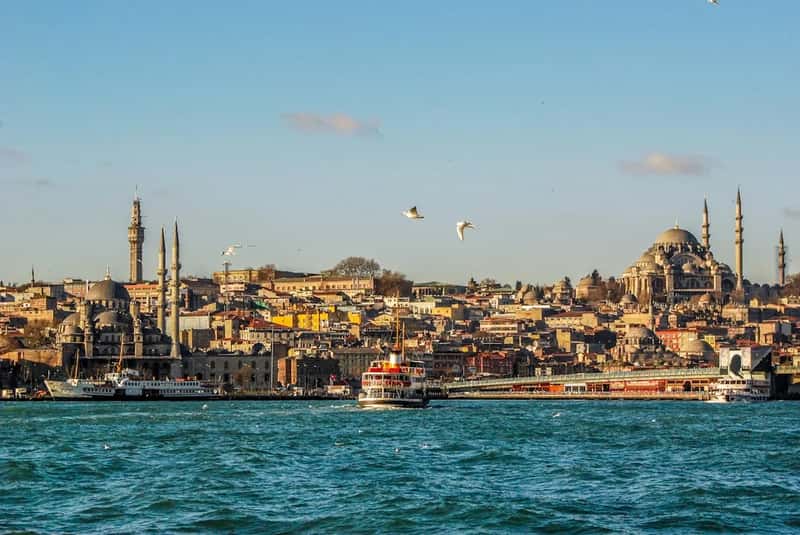
The Egypt denial did not happen in isolation. It came directly on the heels of a separate rejection from Turkish authorities just days earlier. Turkish authorities banned a cruise ship catering to American LGBTQ+ travelers from docking in the country’s ports, citing “moral standards” and “family values,” as the ship, expected to host more than 1,000 passengers from the US, was chartered by groups “known for behaviors incompatible with the fabric of our society and our moral values.”
Officials in the region where the ship was set to dock were unusually explicit about their reasoning. Officials in Aydin Province, where Kusadasi is located, posted a statement on X confirming the decision not to allow the Scarlet Lady to dock, noting the “groups” behind the cruise are “known for behaviors that do not align with the structure of our society and our moral values,” adding that the scheduled docking “caused great discomfort in various segments of our society.” The itinerary was quickly revised to swap the Turkish stops for a call in Egypt, a decision that would soon backfire.
Egypt’s Silence Versus Turkey’s Explanation
Unlike Turkish authorities, who released public statements defending their decision on cultural and moral grounds, Egyptian officials offered no comment at all. Egyptian authorities have not publicly explained why they revoked permission for the ship to dock. That silence has fueled speculation among passengers, travel writers, and LGBTQ+ advocacy groups about what actually drove the last-minute reversal.
Some travel professionals believe the sequence of events was not a coincidence. Kyle Olsen, owner of the gay travel company Hermes Holidays, said he believed Egypt would not have imposed its own ban had Turkey not first refused the ship. He voiced a broader worry shared by many in the LGBTQ+ travel industry, saying: “I fear more countries will now feel emboldened to ban gay cruises from docking at their ports. It is sad to see the direction the world is going. Governments one after another are falling to right-wing groups, and as a result LGBTQ rights are being stripped away around the world.”
Who Was Onboard the Scarlet Lady
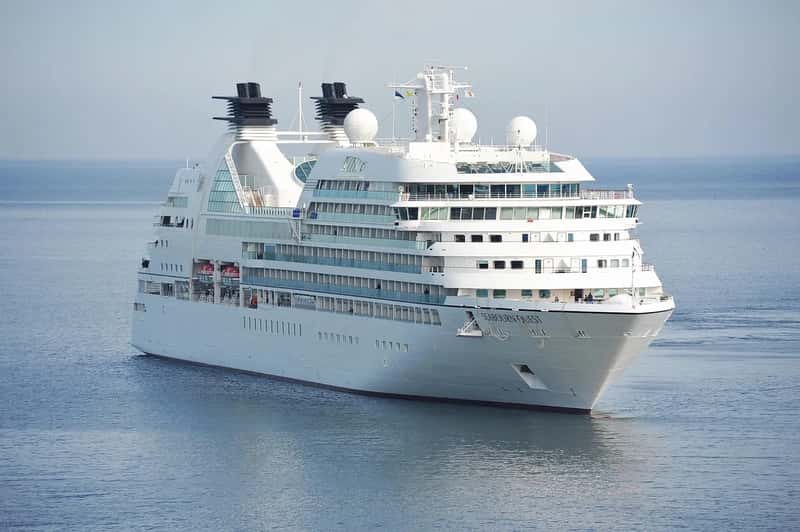
This was no small charter. The ship, owned by Virgin Voyages and chartered by 2SLGBTQ+ travel company Atlantis Events, was carrying 1,900 passengers, including legendary Broadway performer Patti LuPone. The trip drew travelers from across the globe, not just the United States. Kyle Olsen told Travel Weekly that several hundred Australians were among the passengers, making them the second-largest national group on board after Americans.
Many of those onboard had spent significant money planning once-in-a-lifetime excursions tied to the Egypt stop specifically. Many passengers had already paid for private excursions to see the pyramids, plans that were scrapped after Egyptian authorities blocked the ship from docking. Notable figures were also among the travelers, including a former American mayor. Former Tempe, Ariz., Mayor Neil Giuliano, who is an LGBTQ+ Victory Institute board member, was among those on the cruise.
Atlantis Events and Its 36-Year Track Record
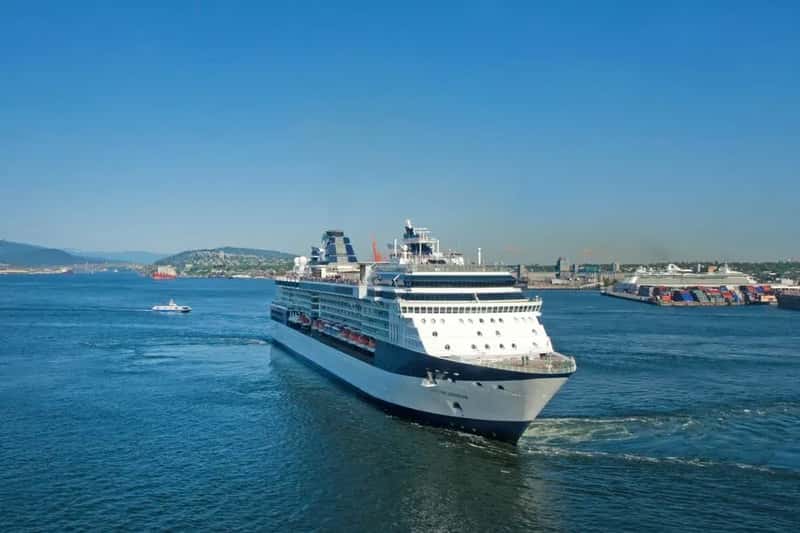
Atlantis Events is not a fledgling operation unfamiliar with international travel logistics. Campbell founded Atlantis Events in the early 1990s, and the company started by hosting all-gay resort vacations before expanding into full-ship cruise charters by the end of the decade. The company has chartered vessels from some of the biggest names in the cruise industry. Atlantis Events does not own any cruise ships but instead charters them, having worked with major cruise lines such as Royal Caribbean International, Virgin Voyages, and Celebrity Cruises.
What made this month’s events so jarring to company leadership was the complete absence of prior friction in either country. According to Campbell, Atlantis has chartered cruises to Turkey 13 times over the past 25 years without incident. Egypt had likewise been a reliable stop in recent memory. The ship had previously received approval to visit Alexandria, as Atlantis Events’ chartered sailings had done twice over the past two years, and had sold 1,200 shore excursions through local operators.
Patti LuPone and Passenger Reactions

The presence of a Tony and Grammy-winning performer amplified the story well beyond typical trade press. Patti LuPone, who was scheduled to perform for guests throughout the voyage, did not hold back her frustration after the Turkey ban. “A ship, a magnificent ship, full of well-heeled gay men. And me. Denied entry to Turkey simply because of who is on board. I am furious, but I am sailing, as the ship will make other ports of call. I am ready to perform for all the wonderful men on this Atlantis cruise, who deserve so much better than this,” she wrote.
Other passengers echoed a mix of defiance and disbelief once the Egypt news broke. Randy Slovacek, one of the passengers, wrote on his blog that in the 36 years Atlantis has operated, one of its ships had never before been denied permission to dock, adding “And now it happened in two countries in one week. Believe me, I and the rest of the passengers will be fine. If they don’t want our tourism, we will sparkle and spend our money elsewhere.” Comedian Zach Noe Towers, also aboard, captured the surreal mood in a video posted to social media, saying “It’s just blowing my mind. We will [have a great time], that’s the whole gay experience, having fun in the face of adversity, but it’s like: we’re too gay to come spend a bunch of money in your country?”
A Pattern Stretching Back Decades

Port denials aimed at LGBTQ+ chartered cruises are not entirely new, even if this particular double rejection was unprecedented for Atlantis. These back-to-back denials aren’t an aberration; they’re the latest chapter in a pattern stretching back 35 years, through the Caribbean, Russia, Bermuda, and now the eastern Mediterranean, in which ports have refused chartered LGBTQ cruises even as outright legislation banning them has remained rare. That history includes an early case from the late 1980s in the Caribbean.
Notably, most of these incidents have been administrative rather than legislative in nature. Most of the time, like in the Cayman Islands in 1998, or Turkey and Egypt in 2026, these ships are turned away by tourism officials or port authorities, not lawmakers. Other LGBTQ+ travel operators say this kind of double rejection is highly unusual for the current era. A spokesperson for VACAYA, which also operates LGBTQ+ cruise charters, told The Advocate that the company has “never been turned away from a port” and has “called on both Türkiye and Egypt successfully before,” with co-founder Randle Roper calling the denials “even more perplexing” given the two destinations’ history of welcoming LGBTQ+ travelers.
Where the Ship Went Instead
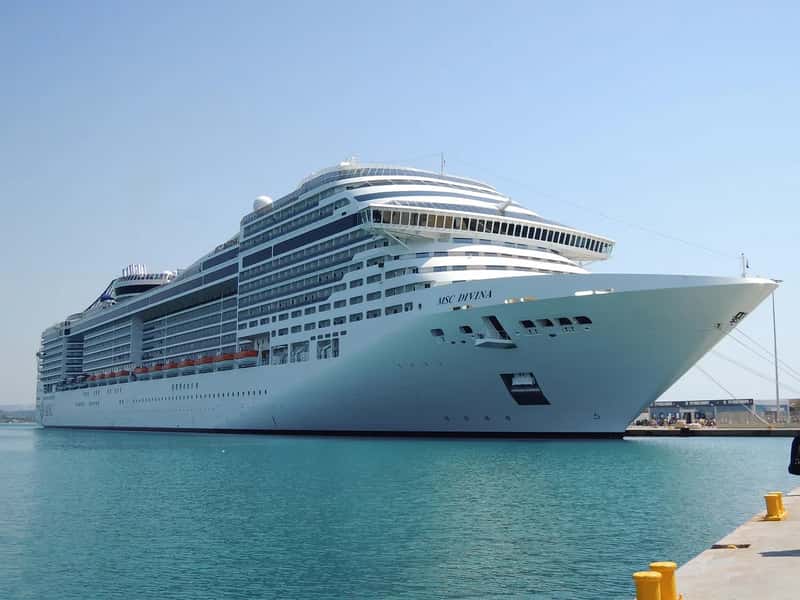
With two planned stops scrapped in less than a week, Atlantis Events had to scramble for a workable route on short notice. Following the second denial, the ship was rerouted again, with calls planned for Chania, Crete, and Montenegro. The company’s leadership tried to reassure passengers that the trip would still deliver a memorable experience despite the setbacks.
Campbell was candid about the frustration felt by both the company and its guests. “In the early morning hours, we were informed that the Scarlet Lady was not permitted to enter Egyptian territorial waters, and therefore would not be able to dock in Alexandria,” Rich Campbell wrote to passengers, adding “I know how important this visit was to many of you. Last year we sailed a similar route without any problem, so we were surprised by this unfortunate decision. We are as disappointed as you are.” For many aboard, the final stretch through Greece, Crete, and Montenegro became less about the missed itinerary and more about making the most of what remained.
What This Means for LGBTQ+ Travel Going Forward
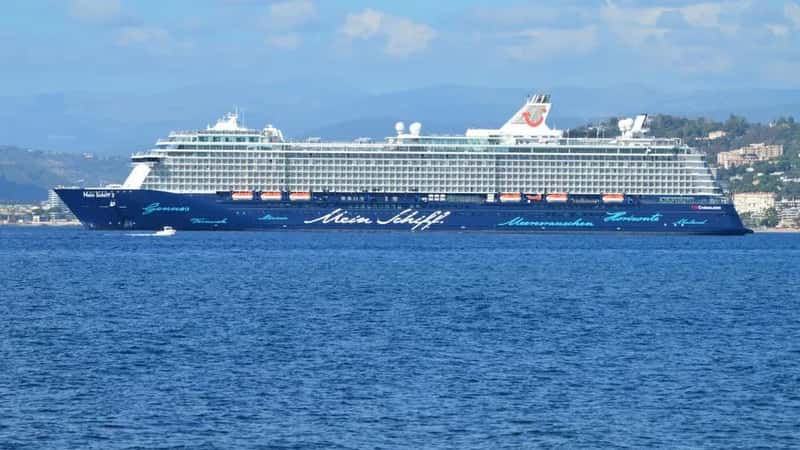
Legal experts following the story note that passengers have little recourse despite the disruption. The passengers aboard the Scarlet Lady will have little to no legal recourse for the canceled stops, since missed ports generally do not create a viable claim for emotional-distress damages, and cruise ticket contracts typically give cruise lines broad discretion to cancel, substitute, or change ports of call. Any attempt to challenge the decisions of sovereign nations would likely go nowhere. Any legal action against Turkey or Egypt would likely be futile, since no matter how discriminatory the decisions were, foreign governments generally have broad authority to control access to their ports and territorial waters.
The bigger question now is whether this becomes a template other nations might follow. Industry watchers point to a concerning ripple effect building around the incident, with observers viewing Egypt’s move as part of a wider trend rather than an isolated event. Egypt’s decision to deny entry to a cruise specifically chartered for LGBTQIA+ passengers has been interpreted by many observers as consistent with the country’s increasingly restrictive approach towards LGBTQIA+ visibility, rather than an isolated decision affecting a single voyage. Whether this remains a rare, headline-grabbing anomaly or becomes a more common occurrence for chartered LGBTQ+ voyages in the region is something only future sailing seasons will reveal.
What is clear right now is that a cruise built to celebrate freedom and community ended up illustrating just how fragile that freedom can still be at certain borders. The passengers aboard the Scarlet Lady got an unplanned lesson in geopolitics alongside their island hopping, and the incident will likely be studied by travel companies weighing future itineraries in the region for years to come.