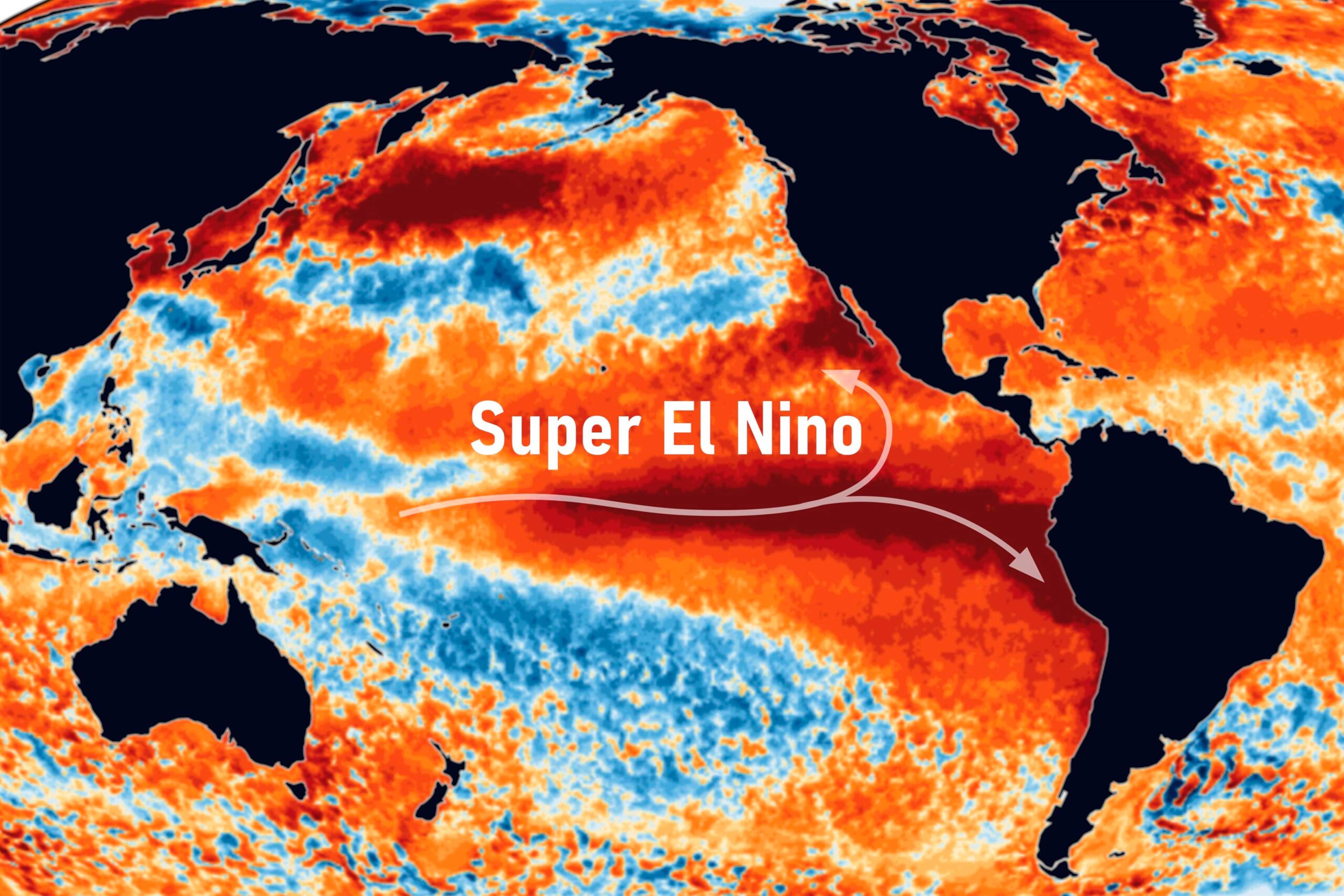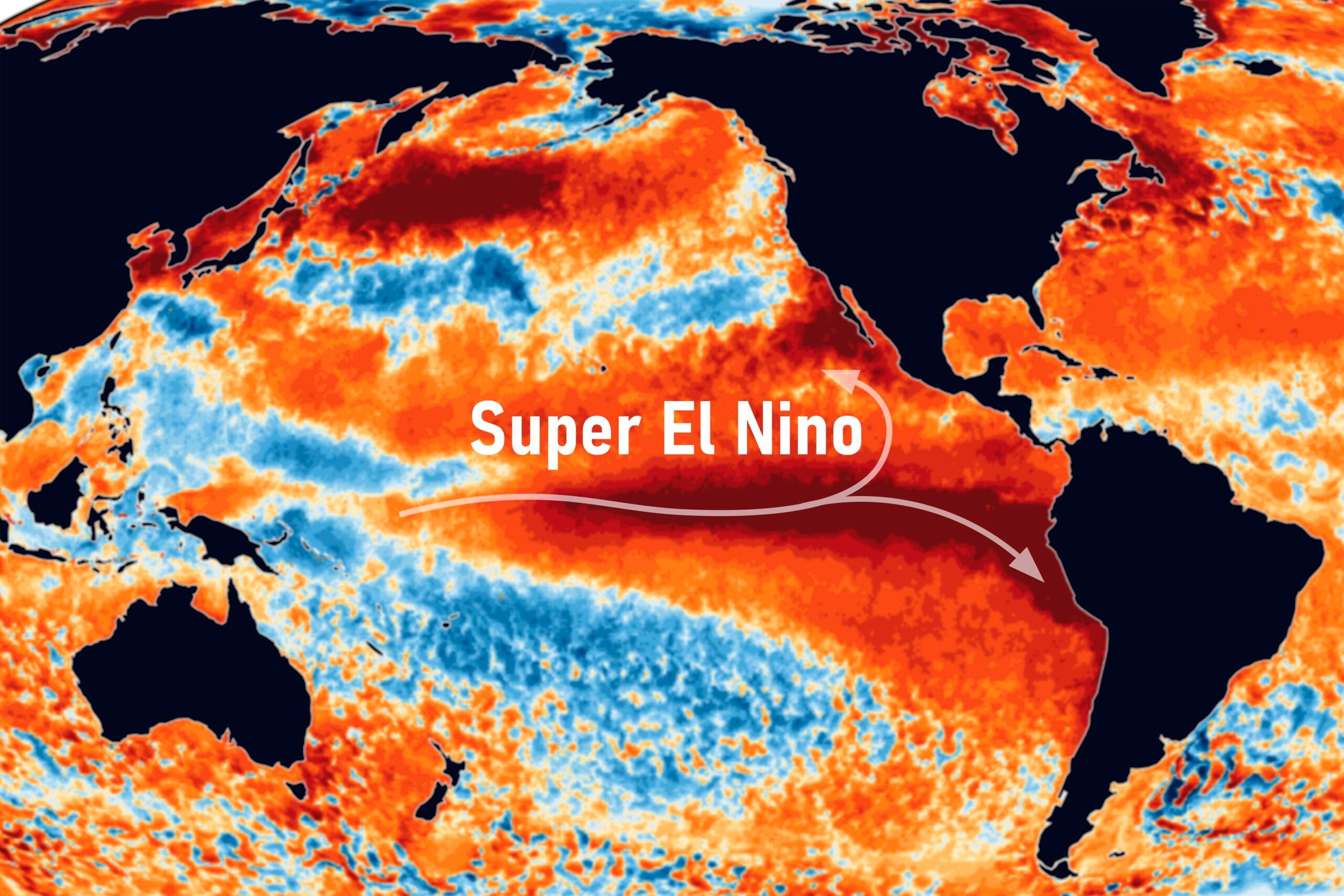
This year’s El Niño isn’t a minor blip. NOAA’s October 8 update says it continues to strengthen, with a strong to very strong event likely through January to March 2027.[1] The agency also sees a high chance of a historic event that would beat anything recorded since 1950.[2] For anyone with trips booked or still on the wish list, that changes how you should read the weather.
There’s a catch, though. A strong El Niño tilts the odds but doesn’t write the forecast. NOAA notes that impacts consistent with El Niño are more likely at this strength, though not guaranteed.[1] Think of what follows as a risk map, not a set of promises.
What a Record El Niño Actually Changes for Travelers
El Niño shifts where rain falls. Warmer Pacific waters increase evaporation and cloud formation, which brings heavy rain to some regions, including East Africa and South America, while others get drought.[3] That’s why one event can ruin a beach holiday in one country and improve a ski season in another.
Strength matters too. The stronger the El Niño, the more likely you’ll see its typical impacts, such as a wet southern U.S. in winter or drought in Australia and Indonesia.[4] The global backdrop adds to this. Several agencies note that heat, rainfall extremes and coastal impacts may be more intense than during similar events in past decades, because El Niño interacts with background warming.[5]
Skip or Rethink: Southern Africa’s Rainy Season
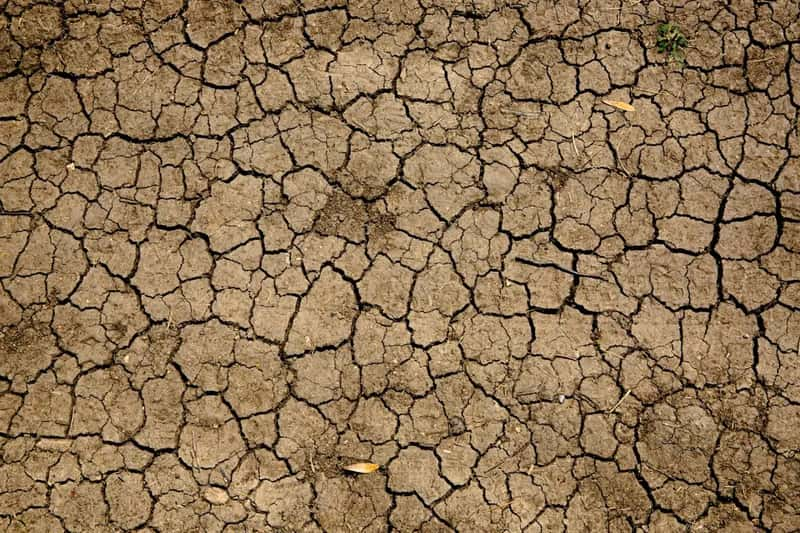
Southern Africa is one of the clearer trouble spots for the months ahead. FEWS NET rates the concern as high for October 2026 to March 2027, with below-average rainfall and extreme heat, especially in Zimbabwe, south-central Mozambique, southern Malawi and southern Zambia.[6] Forecasters also expect delayed or erratic rain onset, dry spells and high temperatures across important southern and central areas.[7]
Most of this analysis comes from a food security angle, not a tourism one. Even so, a hotter and drier green season affects hiking, game drives and long overland days. If you’re booked there, it’s worth asking your operator how they’re adjusting, and building in some flexibility. Heat in particular is easy to underestimate on a packed itinerary.
Think Twice About East Africa’s Short Rains
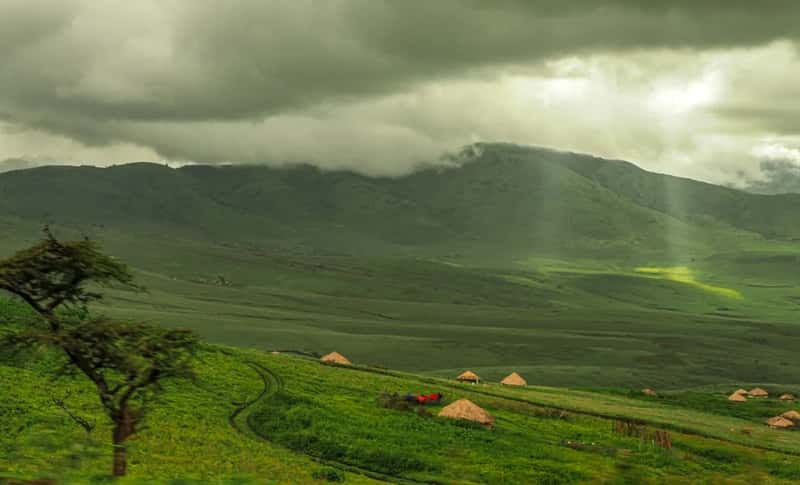
East Africa faces a split picture. Earlier in the year the region was dry, but now the signal is flipping. Regional forecasters predict a 90 percent chance of heavier than usual rain in southern Ethiopia, central to southern Somalia and northeastern Kenya between October and December 2026.[8] Kenya’s latest October forecast also favors above average rainfall over much of the country.[7]
For visitors, the practical risks are on the ground. The main risks listed are riverine and flash flooding, landslides, displacement and infrastructure damage.[7] Wet roads can turn a safari transfer into a long day, or cancel it. If a Kenya trip is on the calendar for late 2026, favor camps with good road access and a flexible booking policy.
Southeast Asia and Australia: Heat, Drought and Haze
Southeast Asia tends to dry out and heat up in El Niño years. Countries such as Vietnam, Thailand, Malaysia, Indonesia and the Philippines can see reduced rainfall and higher temperatures, which may mean tougher city sightseeing days and drier landscapes.[9] Air quality is the other concern. When dry conditions overlap with fire season, especially in parts of Indonesia, smoke can travel across borders and affect places like Singapore and Malaysia.[9]
Australia sits in the same drought pattern. Weather.com’s explainer lists drought in Australia and Indonesia[4] among the typical effects of a strong event. That doesn’t make these places off limits, but it does argue for cooler hours of the day for outdoor activities and a close eye on local fire and haze warnings. Early morning starts beat midday sightseeing in this kind of heat.
The Pacific Coasts of the Americas Deserve Extra Caution
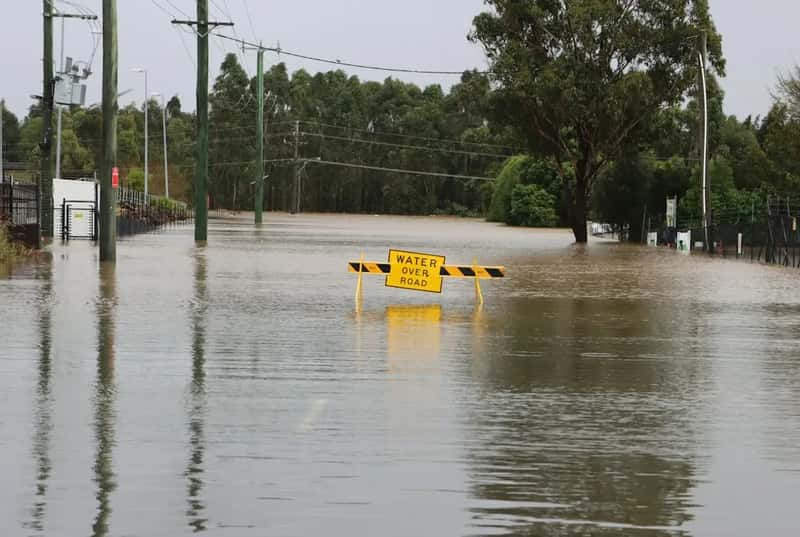
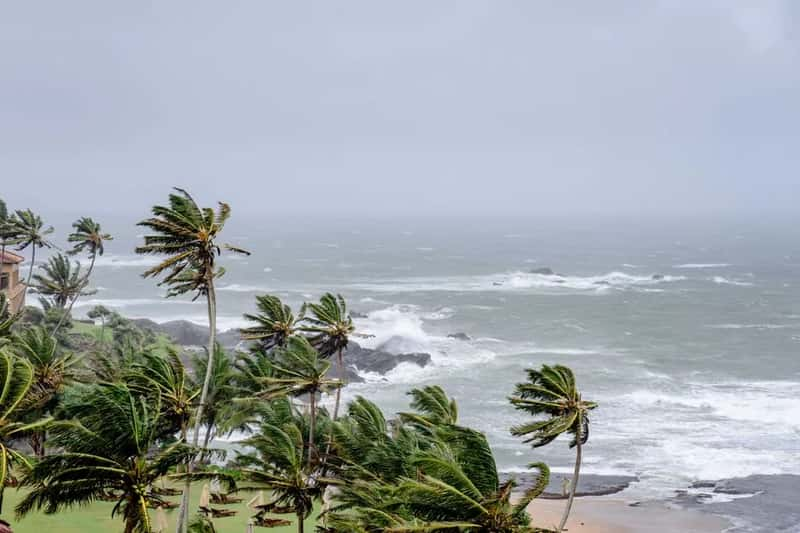
The Pacific side of the Americas is where El Niño’s rain often hits hardest. Stronger conditions through early 2027 are associated with a higher chance of heavy rain, flash flooding and coastal erosion along Pacific coasts.[5] Past events show coastal highways, smaller regional airports and low lying resort areas can be especially vulnerable, sometimes forcing road closures, flight diversions or evacuations.[5]
That makes Pacific Mexico, Central America, Peru and Ecuador the places to approach carefully. Travelers heading there over the coming wet season may see a higher risk of itinerary changes.[5] Coastal California deserves a mention too. Heavy winter rain is expected there, and high tide flooding is one of El Niño’s most consistent impacts in California.[10]
Better Bets: The Atlantic Side of the Caribbean

The Atlantic usually benefits. El Niño tends to suppress hurricane formation there, and this year has fit the pattern. By September 21, not a single hurricane had formed in the Atlantic basin, which hadn’t happened by that date in 112 years.[11] For Caribbean and Gulf destinations, that’s welcome news for the tail end of the season.
Don’t treat it as a free pass. A quieter hurricane season doesn’t eliminate the risk of dangerous weather.[11] The winter pattern also matters, since El Niño typically brings wetter winter conditions to the southern United States.[11] Choose island and Atlantic coast options for the sun, and expect the odd rainy spell along the Gulf and Florida.
North American Winter: Wet South, Milder North
If you’re planning a winter getaway in the U.S., the pattern is fairly clear. Forecasters expect a wetter than usual winter in spots like Arizona and Southern California, with more rain and mountain snow across the Southwest and California.[12] Not every strong El Niño delivers such a wet winter,[12] so keep your bookings flexible. Desert trips may need a rain jacket this year.
Ski plans need a closer look. El Niño typically brings wetter and colder weather to the Southwest, and drier and warmer weather to the Northwest.[13] NOAA’s drought outlook favors improvement across the Southwest, Southern Plains, Southeast and East Coast, while drought is favored to develop or worsen across parts of the northern Rockies.[13] In the northern Midwest, the outlook leans mild. Illinois State Climatologist Trent Ford called a warmer than average winter the big expectation.[14] That could mean easier city breaks, though it’s less encouraging for snow lovers.
How to Plan Around It Without Cancelling Everything
The good news is that El Niño comes with plenty of warning. Forecast agencies publish updates monthly, and updates from national meteorological services can help identify areas where flooding, drought or heat risks are becoming more pronounced.[5] Check them before you commit, and again a few weeks before departure. Local sources are usually more precise than global headlines.
Protection matters as well. Advance planning and travel protection are an important consideration during the 2026 El Niño cycle,[15] especially given possible flight delays and flooding damage to infrastructure. Read the fine print on weather related cancellations, and favor refundable or changeable bookings for high risk regions. If you can move your dates, shifting to a drier season is often the simplest fix.
The Bottom Line
For the months ahead, the more cautious choices are Southern Africa’s rainy season, East Africa’s short rains, Southeast Asia and Australia during heat and fire season, and the flood prone Pacific coasts of the Americas. The more comfortable choices include Atlantic and Caribbean destinations, and city breaks in the milder northern U.S. Even so, local conditions can break the pattern.
El Niño is a forecast of odds, not a travel ban. Choose your destination with the weather map in mind, keep some flexibility in your plans, and a record event can still make for a good trip.