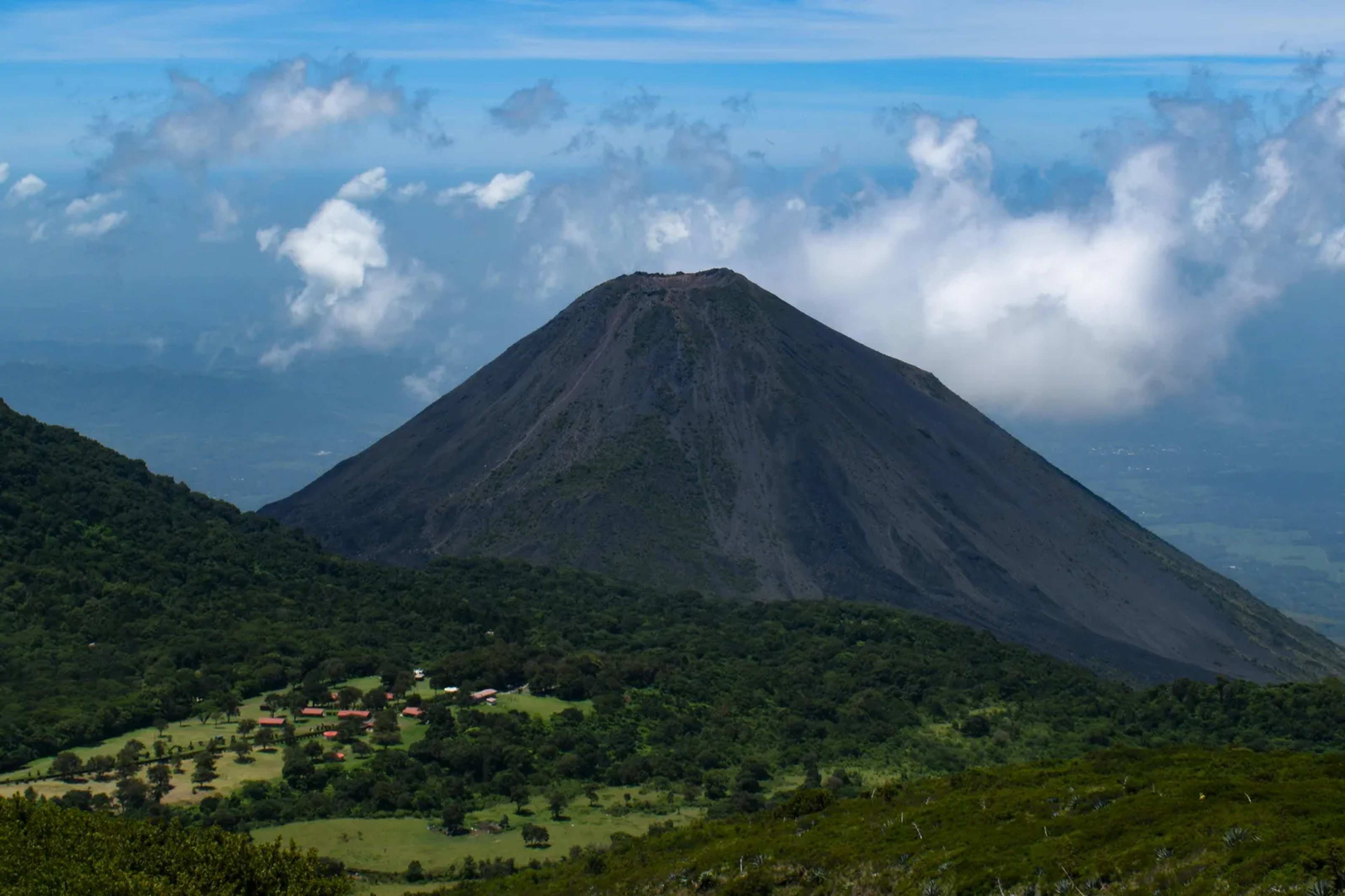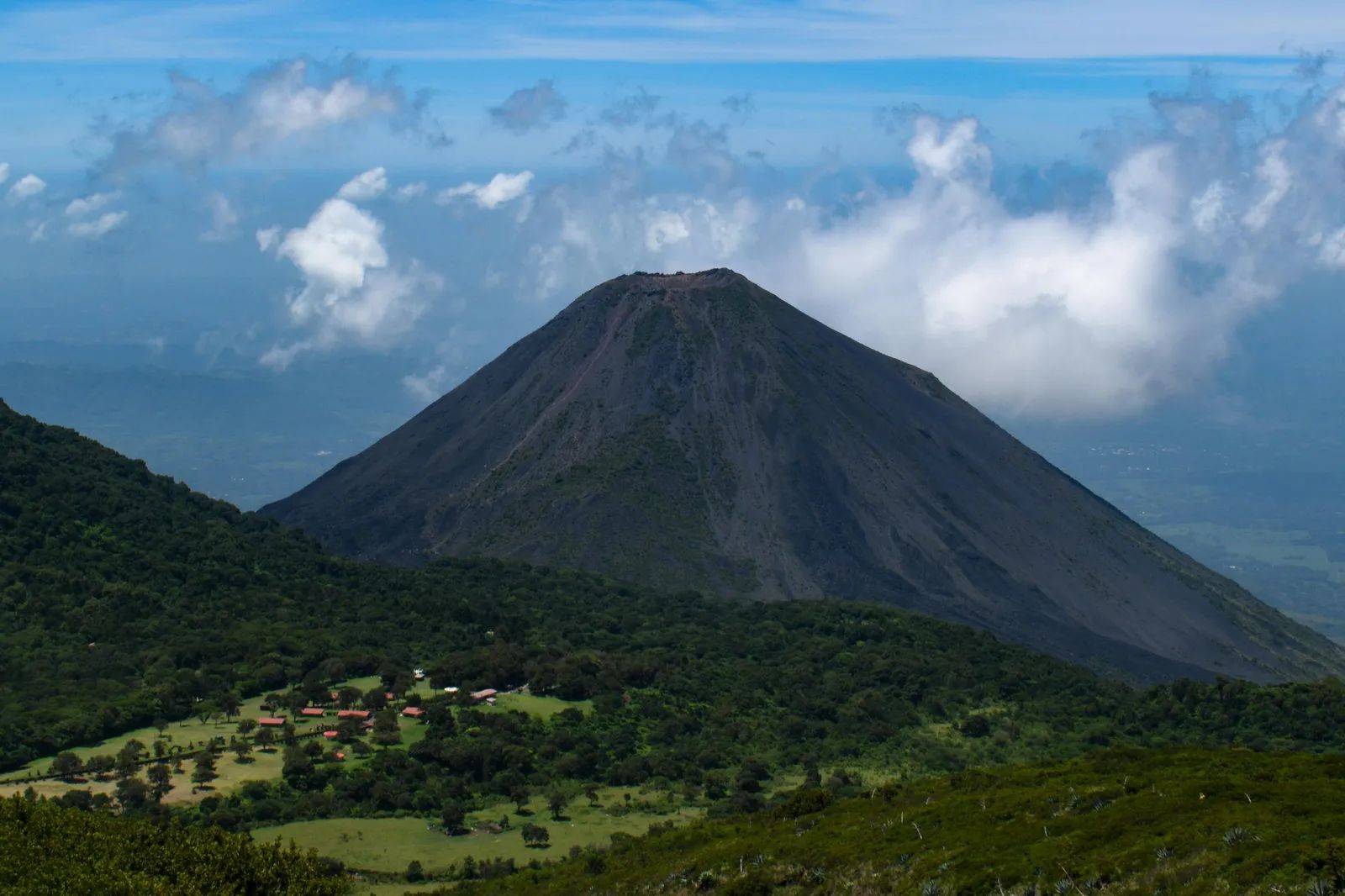
Santa Ana, El Salvador – Independent travelers have discovered a straightforward way to reach one of the country’s most dramatic natural sites without relying on organized tours. The Santa Ana Volcano and nearby Lake Coatepeque sit within easy reach of the city of Santa Ana, and public buses make the round trip possible for less than 10 USD including fees. This approach stands in sharp contrast to the 25 to 80 USD range charged by most guided packages.
Why the price gap matters
Many visitors default to tours because they appear convenient and low risk. Yet the public transport route requires only modest planning and delivers the same access to the trailhead and viewpoints. The savings become especially noticeable for couples or small groups who might otherwise split a higher tour fee. Over repeated trips or longer stays in the region, the difference adds up quickly. ([1])
Budget travelers often cite the flexibility of setting their own pace as another advantage. Buses run on regular schedules, allowing visitors to linger at the crater lake or adjust departure times without group constraints. The route passes through local communities and offers glimpses of everyday life that packaged excursions rarely include.
Reaching the trailhead by bus
From central Santa Ana, several bus lines connect directly toward the volcano area. Riders typically transfer once or twice depending on the exact departure point, but the entire journey stays under two hours each way. Total costs remain low because fares are fixed and no additional vehicle fees apply at the trailhead.
Once at the drop-off, a short walk leads to the start of the hiking path. The same buses serve the return leg, so timing the visit around daylight hours keeps everything simple. Lake Coatepeque lies nearby and can be visited on the same outing or as a separate stop on another day.
Comparing the options side by side
Organized tours handle logistics and sometimes include meals or equipment, yet the core experience of reaching the summit area remains identical. Public transport users report no meaningful difference in safety or access when basic precautions are followed. The main trade-off is the need to manage transfers and carry water or snacks independently.
For those new to the area, a single test run on the bus often builds enough confidence for future independent outings. The route has become popular enough that fellow passengers and drivers frequently offer helpful directions without prompting.
Practical considerations for first-timers
Early morning departures help avoid afternoon heat on the trail and ensure return buses are still running. Basic Spanish phrases ease communication at stops, though many drivers recognize the volcano route. Water, sturdy shoes, and sun protection remain essential regardless of transport choice.
Weather can change quickly at elevation, so checking local forecasts the night before adds peace of mind. The combination of volcano hike and crater lake visit fits comfortably into a single day for most visitors who start early.