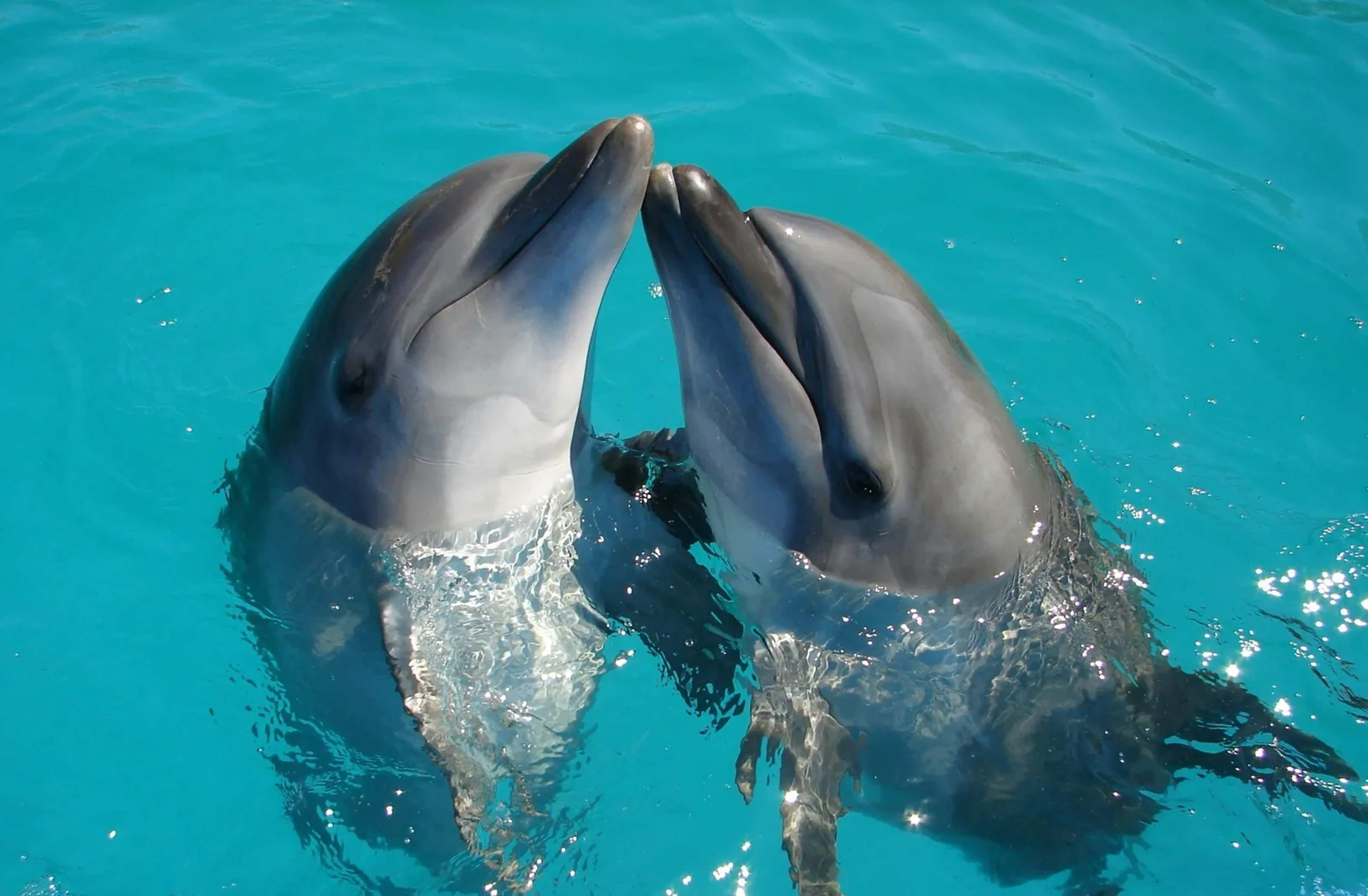
Dhaka – The Buriganga River carries the daily burden of industrial waste, tannery chemicals, raw sewage and solid debris as it skirts the southern edge of Bangladesh’s capital. Native fish populations have largely disappeared from its waters, replaced in many stretches by invasive catfish. Yet a small population of endangered Ganges river dolphins continues to appear in the river, a finding that has drawn fresh attention to the limits of what these animals can tolerate. ([1])
Pollution Levels That Leave Little Room for Life
The 29-kilometre waterway ranks among the world’s most contaminated urban rivers. Hundreds of factories discharge toxic effluent directly into the channel, while tanneries add concentrated chemical loads and untreated household waste accumulates along the banks. The result is a river that supports almost no native fish species for much of its length. Local communities along the river have long adapted to these conditions, relying on the waterway for transport and limited fishing despite visible signs of degradation. The absence of typical prey species makes the continued presence of dolphins especially notable, because the animals normally depend on healthy fish stocks to survive.
Twelve Months of Systematic Observation
Researchers tracked dolphins along a 27-kilometre section of the river between September 2023 and August 2024. They recorded sightings in ten of the twelve months, with the largest numbers appearing during the cooler winter period and a peak in December. No dolphins were observed in October 2023 or during July and August 2024. Group sizes averaged just over four individuals, a figure higher than some earlier reports from less polluted stretches of the species’ range. The consistent presence across most of the year suggests the animals are not merely passing through but are using portions of the river on a recurring basis.
How the Dolphins Are Making Do
One researcher, Md. Aminur Rahman, noted that the Buriganga is far from a typical dolphin habitat because native fish have largely vanished. The river now holds mostly invasive suckermouth catfish, known locally as sakar fish. The team expressed surprise that the animals could persist at all in such conditions. Dolphins are known for their echolocation abilities, which may help them locate the remaining prey even in murky, polluted water. Still, the long-term effects of constant exposure to industrial chemicals and low oxygen levels remain unclear and could limit reproduction or overall health.
What the Findings Leave Unresolved
The study confirms that a small number of dolphins, roughly twenty individuals, are using the river. It does not yet explain how they meet their nutritional needs or whether the population is stable, growing or slowly declining. Continued monitoring will be needed to determine whether the animals can sustain themselves in this environment over multiple years. For residents of Dhaka and conservation groups focused on the Ganges river dolphin, the observations highlight both the species’ unexpected resilience and the urgent need to reduce pollution loads if the animals are to remain in the river long term.