Mexico is unusual in that the United States government does not issue one blanket safety rating for the whole country. Instead, the State Department grades each of the 31 states plus Mexico City individually, and the gap between neighboring states can be dramatic. At the national level the U.S. State Department lists Mexico at Level 2, but the country is unique in that the advisory is split state by state, with six states currently sitting at Level 4 while popular tourist hubs like Yucatán and Campeche remain at Level 1.
The states under the strictest “Do Not Travel” warning are worth memorizing before you plan a road trip. Six states remain under a Level 4 “Do Not Travel” advisory: Colima, Guerrero, Michoacán, Sinaloa, Tamaulipas and Zacatecas. Several additional states, including Baja California, Chihuahua, Guanajuato and Jalisco, are classified as Level 3, meaning Americans should reconsider travel. Popular resort areas generally sit at a calmer Level 1 or Level 2, so checking your specific destination rather than the country as a whole will save you from unnecessary worry, or worse, false confidence.
Sort Out Your FMM Tourist Permit Early

Every foreign visitor needs a Forma Migratoria Múltiple, commonly shortened to FMM, to enter Mexico legally. The FMM is not a visa. It is an entry requirement for all foreign visitors, including Americans. Tourists and business travelers from the United States can stay up to 180 days visa free in Mexico, which covers virtually any vacation length most people plan.
How you get the form now depends on where you land. Most major Mexican airports have switched to a digital system. Instead of a paper form, the immigration officer stamps your passport or issues a QR code receipt. One change worth noting for 2026 is that immigration officers are exercising more discretion than before. Instead of automatically granting the maximum 180 day stay, immigration officials now generally determine the length of the permit based on each traveler’s stated plans and supporting documentation, so you may be granted fewer days than the traditional maximum depending on your itinerary and evidence provided.
Make Sure Your Passport Meets the Rules
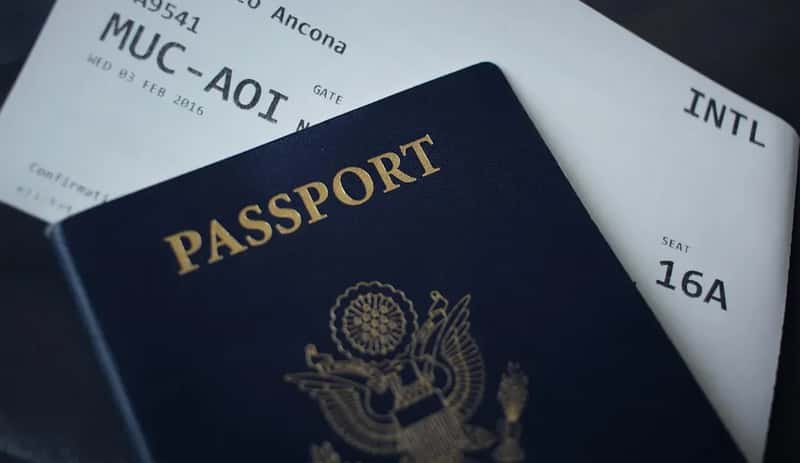
This sounds obvious, but expired or soon to expire passports cause more denied boardings than almost anything else. For all visitors, the passport must be valid for at least 6 months after the intended date of entry. Airlines will check this at the counter, and immigration officers will check it again on arrival, so there is no room to gamble on a passport that is close to its limit.
If you are driving across a land border rather than flying, the rules loosen slightly on which document you can use. Travelers crossing by land can use either a passport book or a passport card, though anyone flying will need the full passport. It is worth renewing early if your passport expires anytime in the next year, since processing times for renewals have been running longer than usual at many consular offices.
Understand the Peso and Plan Your Money Wisely

The Mexican peso has had a genuinely unusual run over the past year and a half, strengthening well beyond what most analysts expected. That trend has continued into 2026, though with more volatility than the smooth appreciation seen in 2025. The Mexican peso fell to around 17.6 per dollar in late June, its weakest level since early April, amid contrasting outlooks for the Bank of Mexico and the Federal Reserve.
For budgeting purposes, it helps to think in ranges rather than a fixed number. The average exchange rate through 2026 has hovered around 17.5 pesos to the dollar. That means your dollar buys noticeably less than it did a couple of years ago, so it is worth padding your travel budget slightly and paying with a card that does not charge foreign transaction fees whenever possible.
Budget for the Visitax and Other Local Fees
If your trip includes Cancún, Tulum, Playa del Carmen, or anywhere else in Quintana Roo, there is a state tourist tax you cannot skip. Every foreign tourist over the age of four departing the state of Quintana Roo owes the state 283 Mexican pesos, roughly fifteen dollars and eighty cents. It sounds small, but skipping it can now genuinely disrupt your departure.
Enforcement used to be spotty, and plenty of travelers simply never paid it. That has changed noticeably this year. The days of simply walking past the authorities are over, with the state deploying a highly visible checkpoint strategy at the airport. Paying online in advance through the official portal takes only a few minutes and spares you a scramble at the departure gate.
Prepare for World Cup Crowds and Security

Mexico is hosting matches in three cities this summer, and the security footprint around those games is enormous. Mexico City, Guadalajara, and Monterrey will each see a wave of visitors on top of their usual tourist traffic, which means higher hotel prices, fuller flights, and longer lines almost everywhere near a stadium. Mexico’s government has said that nearly 100,000 troops are being deployed to guarantee security in the three host cities.
Driving between cities during this period requires extra care. Certain highways have been the site of armed robberies and carjackings, and travelers are advised not to use these routes after dark. If your itinerary involves a road trip near the host cities, plan your driving for daylight hours and confirm your route against current embassy guidance before you set out.
Take Basic Health Precautions

Travel insurance is worth taking seriously rather than treating as an afterthought. Officials highly recommend buying travel insurance before you travel, and checking with your provider about evacuation assistance, medical insurance, and trip cancellation coverage. Public healthcare in more remote areas can be limited, so a policy that covers medical evacuation is genuinely useful rather than a nice extra.
Get Around Safely Once You Arrive
Once you land, the small daily habits matter more than grand precautions. Officials advise travelers to avoid traveling between cities after dark, use dispatched taxis or app based ride services, and avoid traveling alone in remote areas. Ride hailing apps are widely available in major cities and tend to be the safer, more transparent option compared with hailing a cab on the street.
Checkpoints are a normal part of travel in many regions, particularly near borders and along highways with a heavier military presence this year. Officials also urge travelers to comply with security checkpoints rather than treating them as an inconvenience to argue past. Enrolling in the State Department’s free traveler program before you leave is also worth the two minutes it takes. Americans traveling abroad are encouraged to enroll in the Smart Traveler Enrollment Program, which allows the U.S. Embassy to provide security updates and contact travelers during emergencies.
Time Your Trip Around the Weather
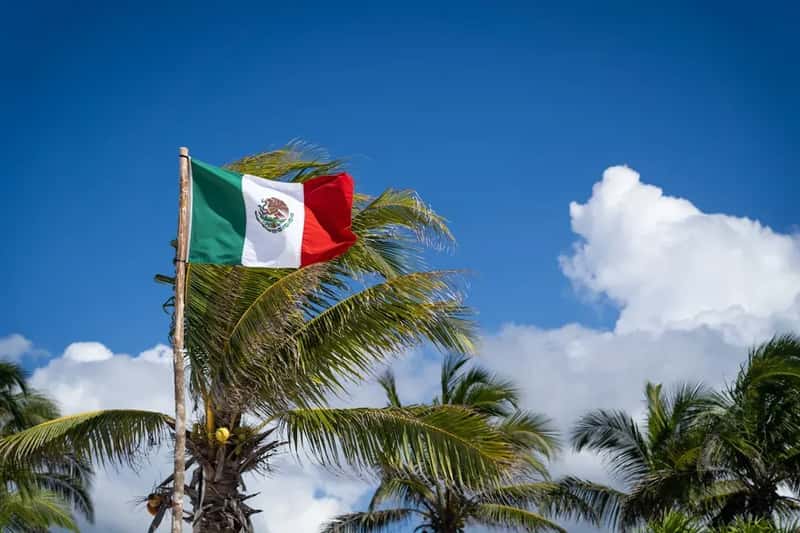
Mexico’s climate varies enormously depending on where you are headed, and timing your trip around it can make a real difference to your experience. Both coasts fall within hurricane season from roughly June through November, with the Caribbean side facing the greatest risk in late summer and early fall. If your trip is anchored to Cancún, Cozumel, or the Riviera Maya during those months, it is worth watching the forecast in the week before you fly and choosing travel insurance that covers weather related cancellations.
Highland cities like Mexico City, Oaxaca, and San Miguel de Allende sit at elevation and stay comfortably mild for most of the year, with a distinct rainy season from roughly May through October. Pack layers if you are moving between the coast and the highlands on the same trip, since the temperature swing between a beach town and a mountain city can be surprisingly large within just a few hours of travel.
Know the Laws That Catch Tourists Off Guard
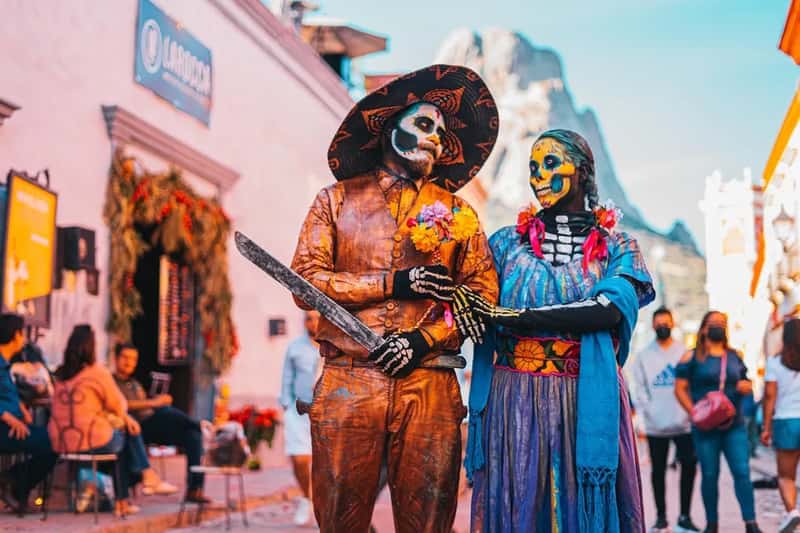
Mexican drug laws are far stricter than many visitors assume, and ignorance is not treated as an excuse. Drug possession or importation of drugs, including medical marijuana, is illegal in Mexico and can lead to long jail sentences or fines. This applies even to travelers carrying a valid medical marijuana permit from home, since that permit carries no weight under Mexican law.
A newer and less obvious rule trips up plenty of otherwise careful travelers. It is illegal to bring e-cigarettes and vaping liquids into Mexico, and travelers are advised not to bring them to avoid entry delays, fines, or criminal charges. Checking pockets, bags, and carry ons before you fly takes a few extra minutes and can prevent a genuinely unpleasant conversation with customs officials on arrival.
A Smoother Trip Starts With Preparation
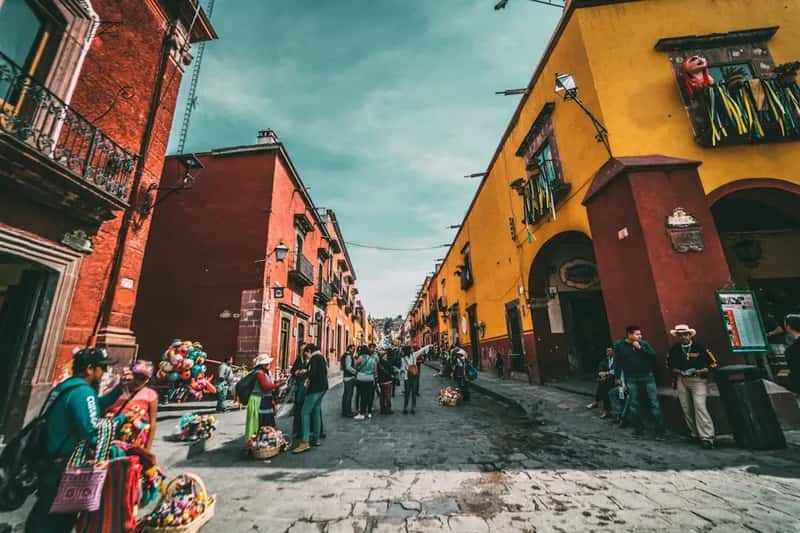
None of this is meant to make Mexico sound intimidating. It remains one of the most rewarding, varied, and hospitable countries to visit anywhere in the world, and the overwhelming majority of trips go off without any trouble at all. The difference between an easy vacation and a stressful one usually comes down to the boring stuff, checking the right advisory, filling out the right form, and knowing which taxes are actually mandatory.