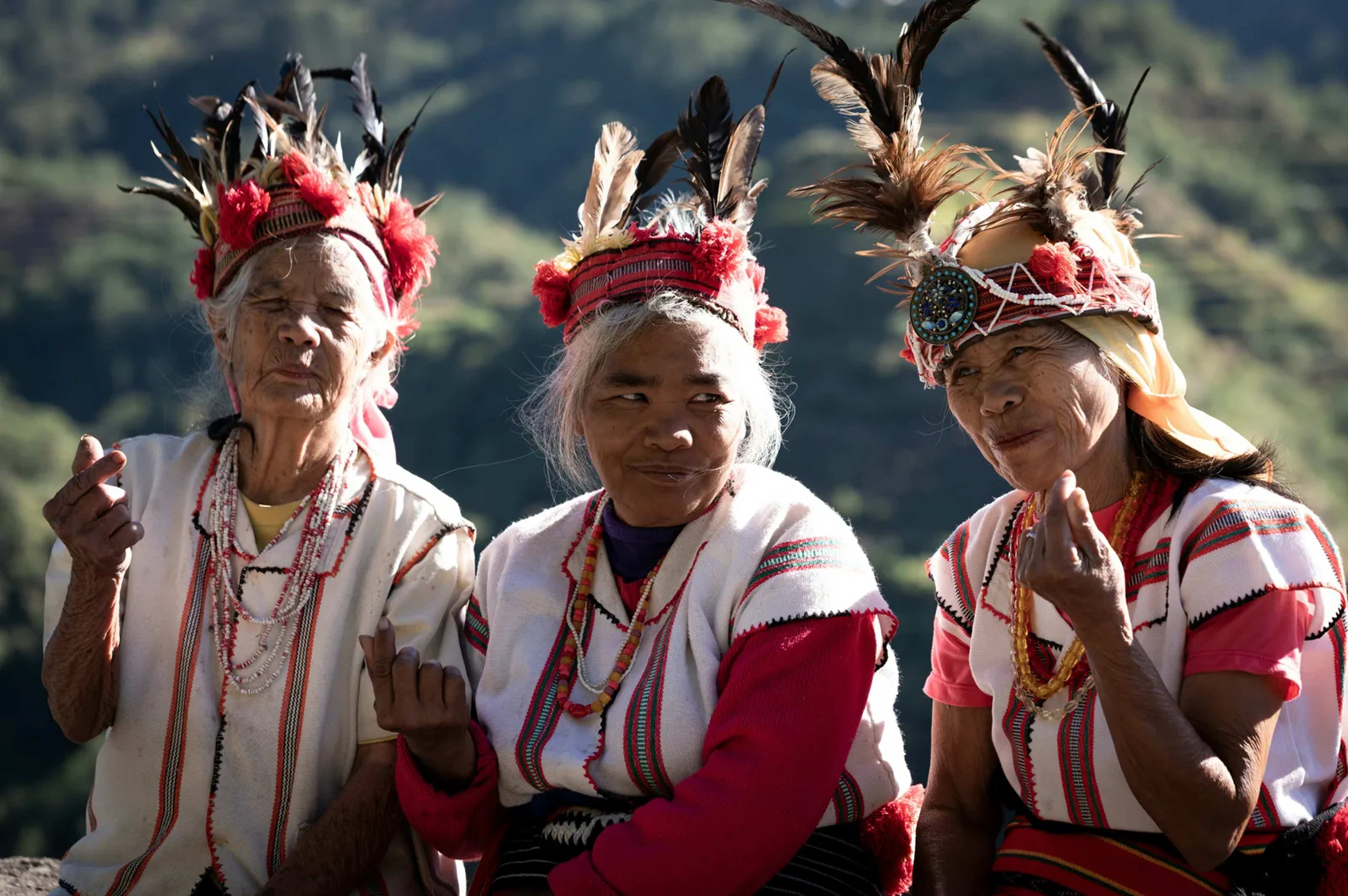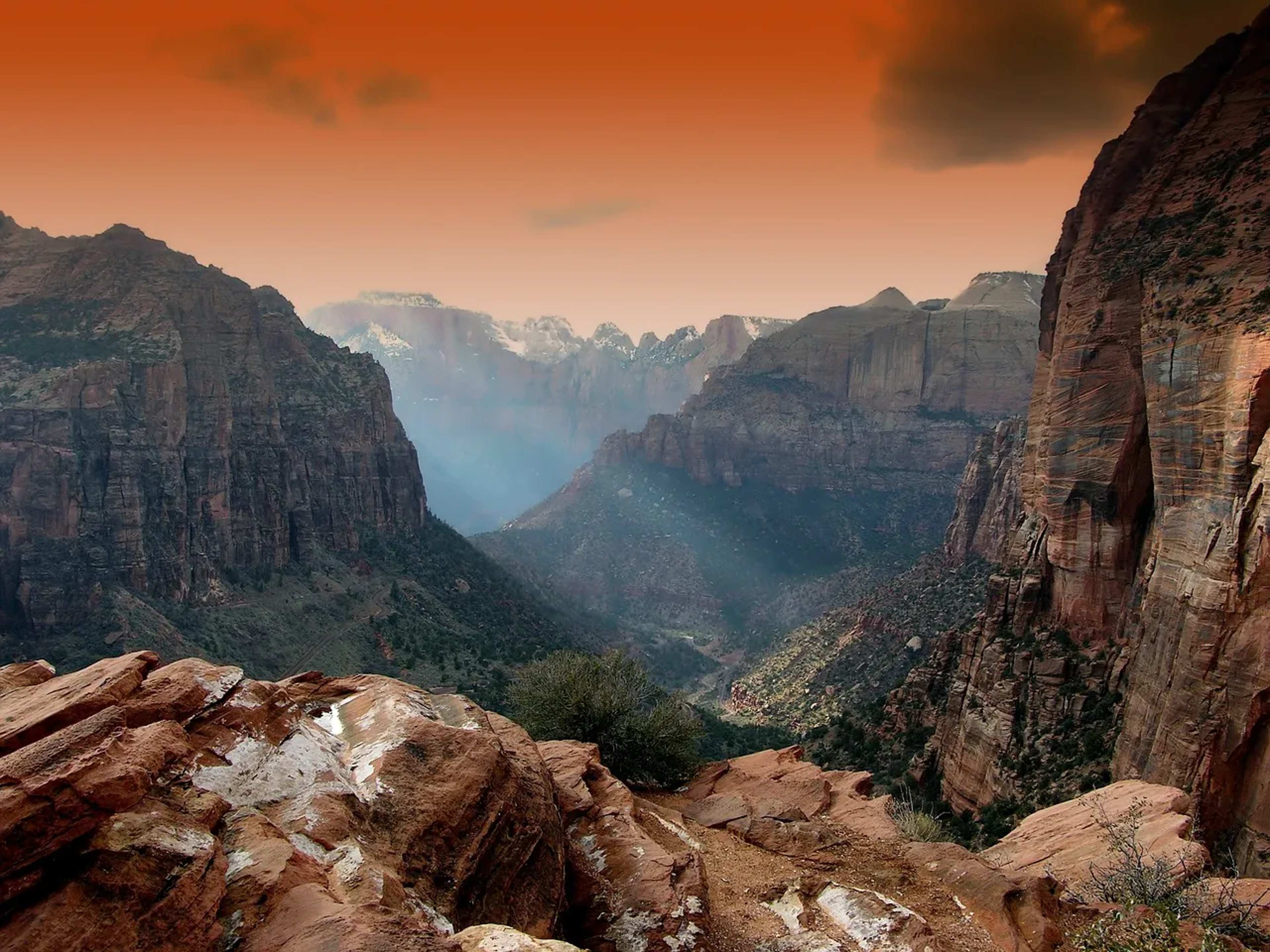
Peru remains one of South America’s most rewarding destinations, drawing travelers with the promise of Machu Picchu at sunrise, ceviche by the Pacific, and villages tucked into Andean valleys that feel untouched by time. Yet 2026 has brought a wave of genuine changes, from digital entry registration to a completely overhauled Machu Picchu ticketing system, that make advance planning more important than ever. This guide walks through what actually matters before you pack your bags, based on the latest rules and conditions on the ground.
Whether this is your first trip to South America or your fifth time chasing Inca ruins, a little homework now saves a lot of frustration later. Below is a practical, section-by-section breakdown of what you genuinely need to know.
Entry Requirements and the New Digital Registration Step
The good news first: U.S. citizens do not need a visa to enter Peru for tourism in 2026, with stays typically granted for 90 days and up to 183 days at the discretion of immigration officials. The same visa-free access generally applies to travelers from most countries, including the USA, UK, Canada, Australia, and European Union countries. Your passport, though, needs to be in good shape. Your passport must remain valid for at least six months beyond your intended departure date from Peru, and this six-month rule is non-negotiable. Airlines take it seriously too, since they may deny boarding at your departure airport if your passport doesn’t meet the six-month threshold.
What’s genuinely new this year is the shift away from paper stamps. Reports indicate Peru’s 2026 entry rules now start online, requiring visa-exempt travelers to complete an electronic registration system at least 72 hours before arrival, then clear airport biometric scanners instead of getting a passport stamp. Skipping this step is not a minor inconvenience, either, since travelers who skip the online step risk delays at check-in, with reports in the policy rollout putting boarding denials at 20 to 30 percent when confirmations are missing. If you overstay your authorized period, the automated tracking makes enforcement stricter, and officials raised fines by 15 percent in 2026, increasing the cost of overstaying. Build the registration into your pre-trip checklist the same way you would a visa application, and double-check requirements directly with the Peruvian embassy or consulate for your nationality, since exemption lists can shift.
Machu Picchu’s Overhauled Ticket and Circuit System
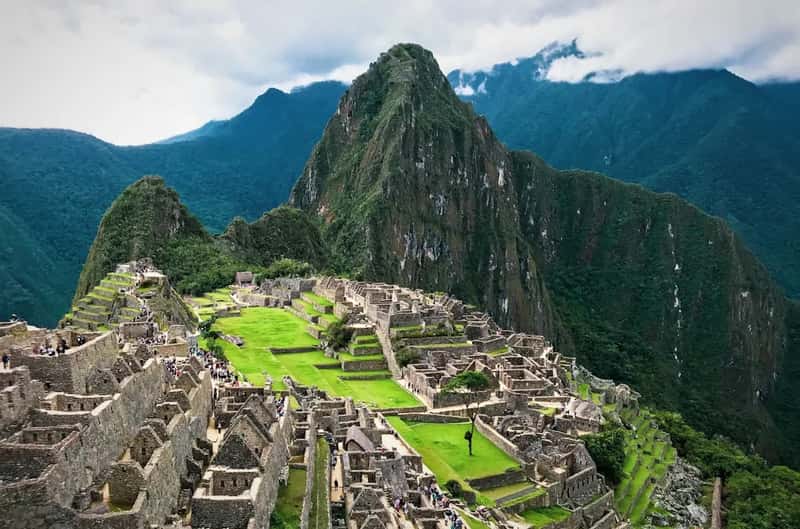
If you last visited Machu Picchu before 2024, prepare for a genuinely different experience. The site has moved to a far more rigid structure, and the 2026 regulations are the most comprehensive overhaul the site has seen in years, with travelers who arrive without understanding them getting turned away at the gate. The classic three circuits have been broken down further, so that the three main tourist circuits are still in place, but each has been split into multiple sub-routes, 10 in total, clearly marked with color-coded signage to guide visitors along their assigned path. Once you choose a route at booking, you’re locked in, since switching between circuits is not permitted, as each ticket is tied to a specific route with movement monitored accordingly.
Perhaps the biggest change affects trekkers. As of this year, starting January 1, 2026, the Inca Trail permit no longer includes Machu Picchu citadel entry, meaning these are now two completely separate purchases. That means trekkers must secure both an Inca Trail permit and a Machu Picchu ticket for the same date, both capacity-controlled, and missing one means the multi-day trek ends at the Sun Gate without access to the ruins. Timing at the gate matters just as much. Entry windows are strict, since you have 30 minutes tolerance time in low season and 45 minutes in high season to reach the entrance to Machu Picchu, and after this time you will not be able to enter without proven force majeure. Buy tickets through the official Ministry of Culture platform, book weeks ahead if you can, and if you’re doing the Inca Trail, strongly consider a licensed agency to coordinate both permits, since the main recommendation is to manage the reservation through an authorized travel agency that synchronizes the purchase of both tickets so schedules and circuits are compatible.
Choosing the Right Season for Your Trip
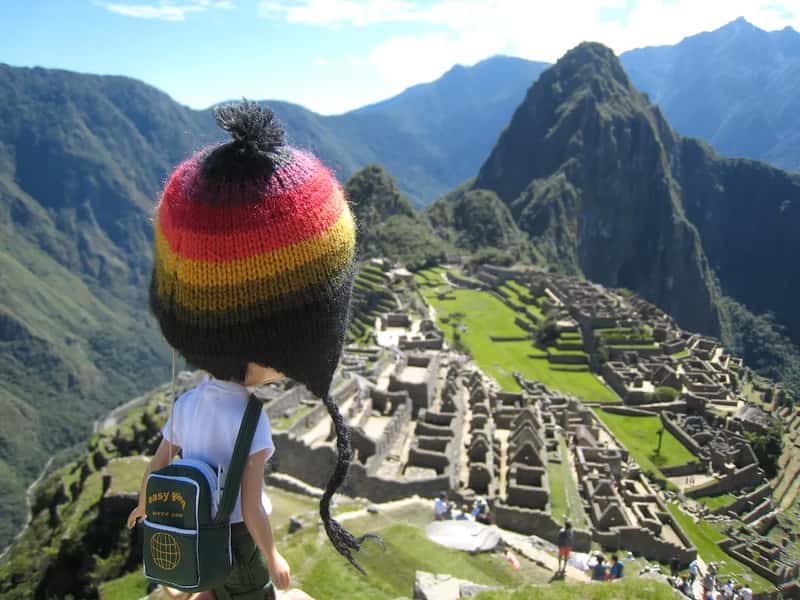
Peru’s climate varies dramatically by region, but for the Andean highlands and Machu Picchu, timing shapes your experience considerably. Weather-wise, June through August is the optimal time to go, with April, May, September and October as a close second, while November through January is wetter but still an amazing experience for most visitors. If you’re set on trekking, mark your calendar carefully, because February is often so rainy that it’s permanently designated as the month the Inca Trail to Machu Picchu is closed for maintenance.
Dry season popularity comes with a tradeoff: crowds and higher prices. Many locals and guides suggest the dry season from May to September is the best time to visit, when the skies are azure and the mountains crystal clear, making it ideal for hiking, while April and October are excellent off-peak months if you wish to avoid crowds. Visitor numbers have rebounded strongly in recent years too. The number of tourists visiting the ruins exceeded 1.5 million in both 2024 and 2025, though it still did not surpass the pre-pandemic heights reached in 2019. If your travel dates are flexible, shoulder-season trips in April, May, September, or October often strike the best balance between good weather and manageable crowds.
Altitude Sickness: The Health Issue Most Visitors Underestimate
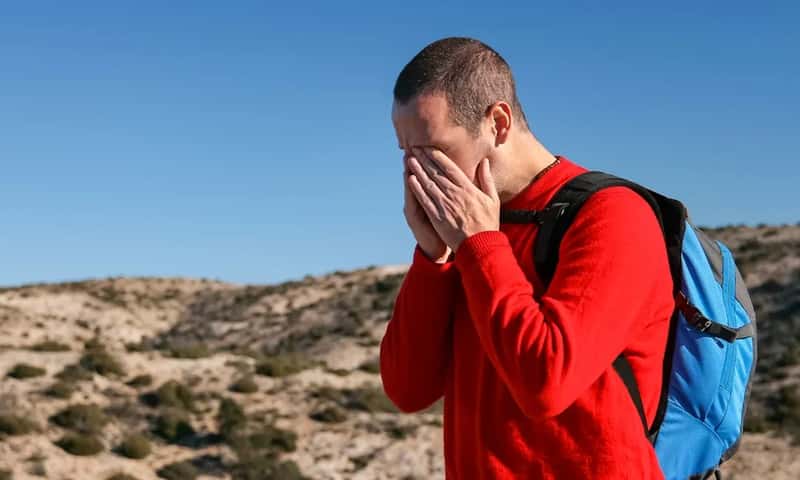
Cusco sits far higher than most travelers expect, and altitude catches people off guard regularly. If you’re trekking the Inca Trail, Salkantay, or any Andean route, your insurance should specifically cover high-altitude activities above roughly 3,000 meters, and Cusco itself sits at 3,400 meters. Arriving from sea level intensifies the shock, since flying directly from Lima at sea level to Cusco often floors healthy travelers, with symptoms including headache, nausea, and shortness of breath.
The fix is straightforward but requires patience. Guides commonly recommend that visitors acclimatize by spending their first few days in the Sacred Valley, which sits lower than Cusco, or in Arequipa, drinking coca tea, and consulting a doctor about acetazolamide, known by the brand name Diamox, before flying. Beyond altitude, general food and water caution still applies throughout the country. It’s widely advised that travelers do not drink tap water anywhere in Peru since it contains bacteria that visitors’ stomachs are not used to, and should avoid raw salads at market stalls, sticking to cooked foods instead. No vaccinations are mandatory for entry, though yellow fever vaccination is recommended, though not required, if you plan to visit the Amazon rainforest region, and some Amazon lodges may request proof of vaccination.
Handling Money: Soles, Cards, and ATMs

Peru’s currency is the sol, and understanding it before you land will save you both money and headaches. As of recent months, the exchange rate has hovered around 3.35 to 3.45 Peruvian soles per US dollar, with many seasoned travelers rounding their mental math to roughly 3.4 or 3.5 soles per dollar for quick daily calculations. Cash still dominates outside the big cities. Cash remains king in local markets, small shops, taxis, and rural areas, so it’s worth carrying 100, 50, and 20 sol notes for everyday flexibility.
Cards work fine in bigger centers, but plan accordingly. Credit and debit cards are widely accepted in major cities such as Lima, Cusco, and Arequipa, especially at hotels, restaurants, and tour agencies, with Visa the most commonly accepted card, followed by Mastercard and American Express. When you do exchange cash, skip the airport counters. Multiple sources agree that the best exchange rates are found at licensed casas de cambio in central Lima’s Miraflores district or Cusco’s Avenida El Sol, while airport kiosks and street exchangers offer worse rates or carry counterfeit risks. One small but important habit: notify your bank before you leave home, since it helps to notify your bank of your travel dates before arriving in Peru to avoid card blocks for suspicious foreign activity.
Safety, Protests, and Staying Informed on the Ground

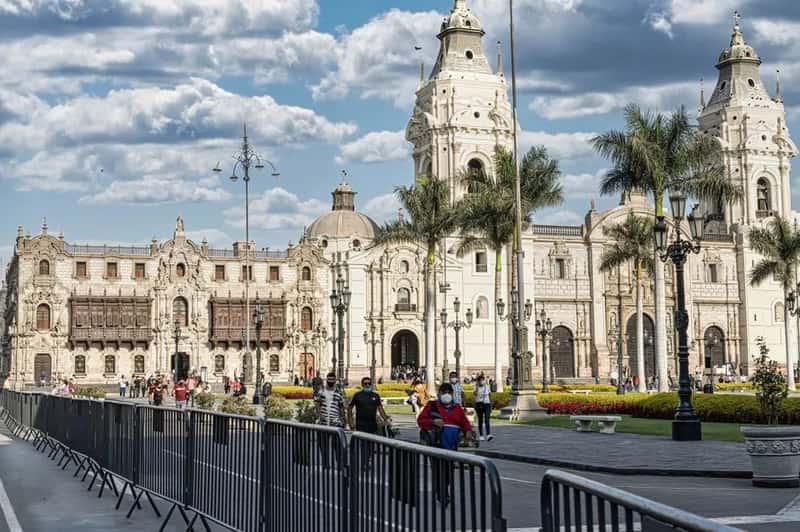
Peru is not a country to avoid, but it does require situational awareness in 2026. Several government advisories currently classify the country similarly, and most countries classify Peru as Level 2, which means exercise increased caution. Political demonstrations are simply part of the landscape here. Political protests, demonstrations and strikes are common in Peru, particularly in the historic centre of Lima, and past demonstrations have turned violent and disrupted public transport services, including transport to and from Machu Picchu.
The encouraging part is that most travelers experience none of this directly. One safety analysis notes that the short answer for 2026 is yes, Peru is safe, but with significant caveats; while violent protests have largely subsided and major tourist corridors are open, the danger is rarely violent crime against tourists but rather scams, transportation safety, and altitude-related medical risks. Petty theft and transport scams are the more realistic concerns, so stick to registered transport. Guides consistently recommend that visitors use Uber or Cabify, which work well in Lima and Cusco and provide a digital trail, and never flag down a random taxi on the street, especially at night. Keep an eye on local news throughout your trip, since strikes can appear with little warning and affect rail service to Machu Picchu specifically.
Getting Around: Trains, Buses, and City Transport
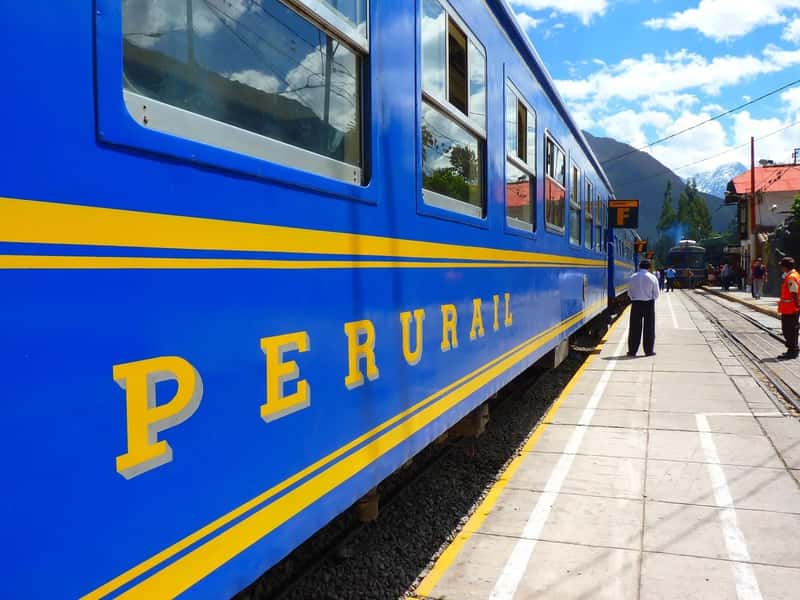
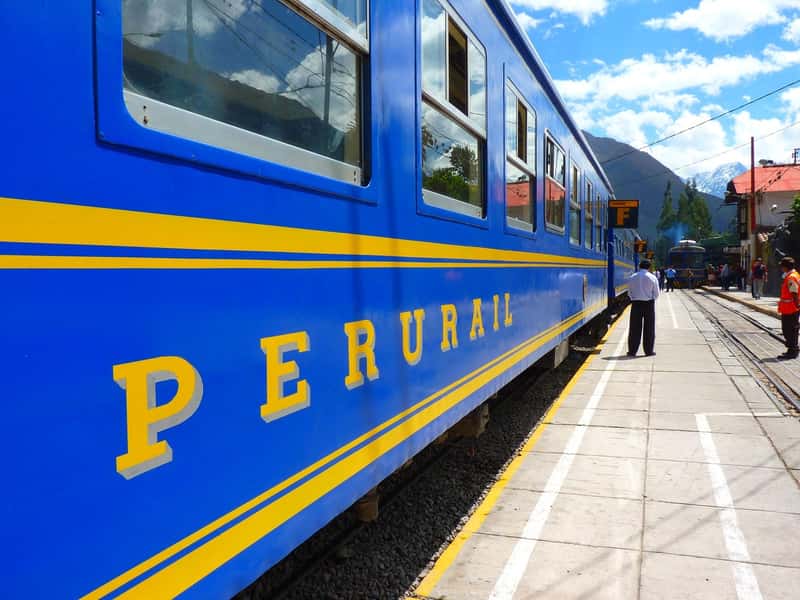
Peru’s geography, split between coastal desert, high Andes, and Amazon basin, means transportation logistics deserve real attention when you’re building an itinerary. Rail remains central to reaching Machu Picchu, and travelers should know that rail travel is the main way tourists reach Machu Picchu and other destinations, though train services are occasionally disrupted by landslides, derailments, or strike and protest activity. Road travel between cities carries its own risks worth noting, since many buses are overcrowded and poorly maintained, often lacking safety features such as seat belts and airbags, and accidents resulting in multiple deaths and injuries are common on narrow, winding roads with steep drop-offs.
For city transport, especially in Lima and Cusco, ride-hailing apps have become the standard recommendation among safety-conscious travelers and official advisories alike. Government guidance also suggests travelers should use private taxi companies or car-share applications when traveling as opposed to hailing taxis on the side of the road for safety. If your itinerary includes overnight bus journeys, booking with well-reviewed, established companies rather than the cheapest option available is a small step that meaningfully reduces risk.
What to Pack for Peru’s Varied Climates
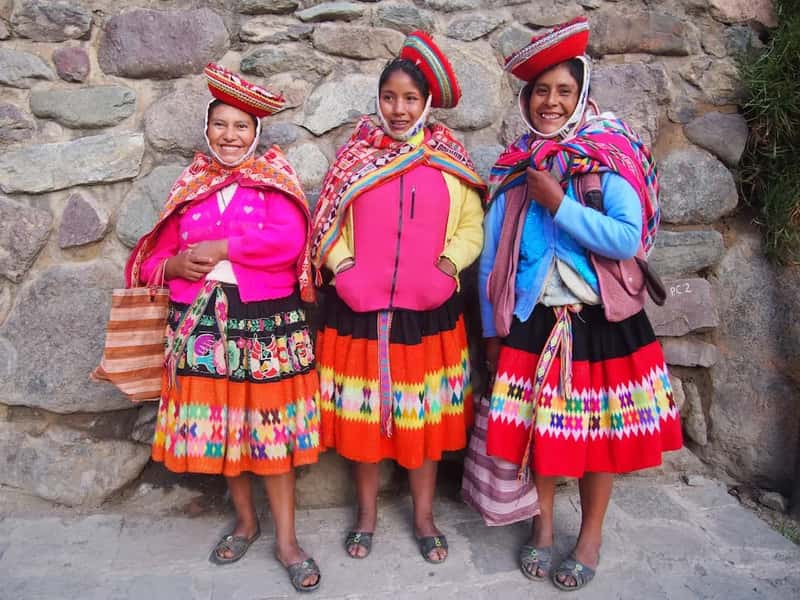
Peru’s geography spans coastal desert, high mountain passes, and dense rainforest, so a single packing list rarely covers everyone’s route. Layering is the smartest strategy for the Andes, where daytime sun can be intense while nights drop sharply in temperature, particularly around Cusco and the Sacred Valley. Clothing norms also shift by region, and it’s worth knowing that wearing shorts is perfectly acceptable in coastal cities like Lima or Paracas, though inland cities such as Cusco or Puno tend to have a more conservative culture, and long pants also protect against sandflies at Machu Picchu that target exposed ankles.
Sun protection deserves more attention than most travelers give it, since UV exposure at altitude is stronger than it feels. Pack a broad-spectrum sunscreen, a hat, and sunglasses regardless of season. A reusable water bottle with a filter or purification tablets is worth the small extra weight given the tap water caution mentioned earlier. If you’re trekking, sturdy broken-in boots matter far more than fashionable hiking gear, and a good rain layer is essential outside the driest months of June through August.
Travel Insurance and Practical Documentation
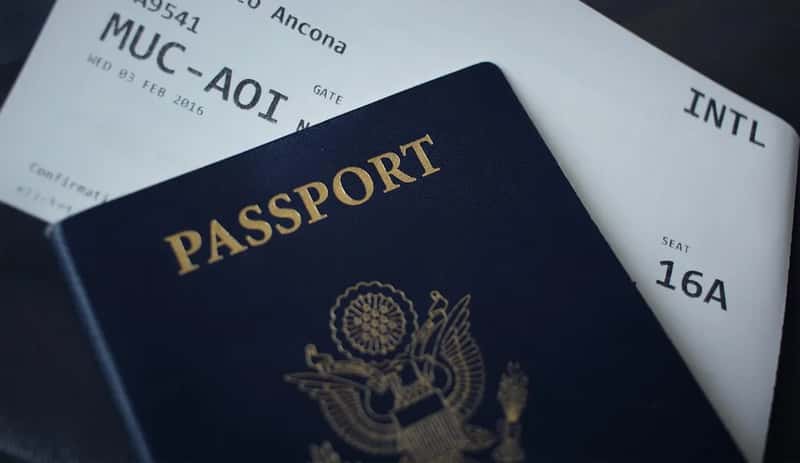
Travel insurance isn’t legally required to enter Peru, but skipping it is a genuine gamble given the country’s remote trekking routes and variable medical infrastructure. It’s worth remembering that travel insurance is strongly recommended for any trip to Peru, though it is not currently required by law. The financial stakes of skipping coverage can be steep, since in remote trekking areas, helicopter evacuation may be necessary in a medical emergency, and evacuation costs can reach ten thousand to over fifty thousand dollars without insurance.
Beyond insurance, carry practical backups for your documents. A simple habit recommended widely is to make copies of your passport, keeping the original locked away in your hotel safe and carrying a photocopy with you during your travels. Losing a passport in Peru is a genuine hassle to resolve, since without proper entry records you will not be allowed to exit the country until immigration authorities confirm the time and place of your entry, a process that can take several weeks to resolve. A photo of your passport stored securely on your phone, plus a physical photocopy in a separate bag, is cheap insurance against a very expensive problem.
Bringing It All Together
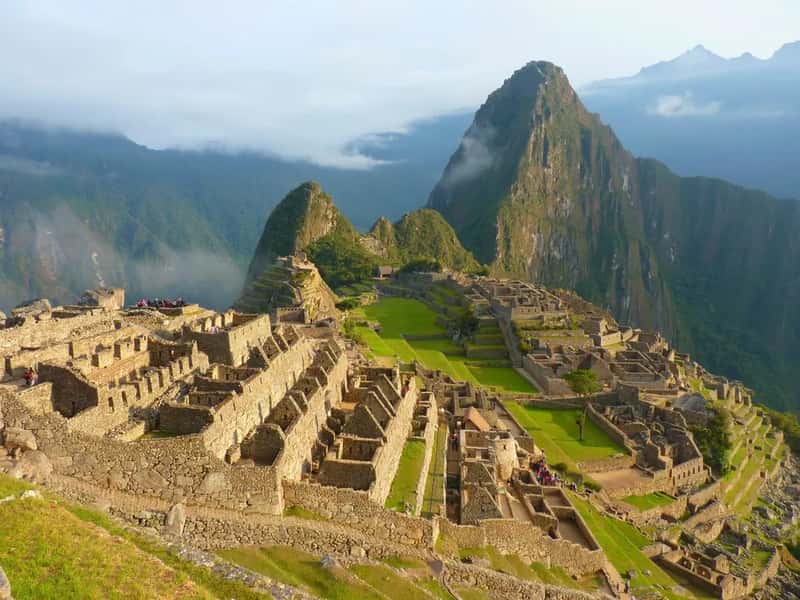
Peru in 2026 rewards travelers who do their homework without becoming so anxious about logistics that they forget to enjoy the trip. The entry process now runs through a digital registration step, Machu Picchu demands more advance planning than it ever has, altitude needs genuine respect, and money and safety habits matter more in some corners of the country than others. None of this makes Peru harder to love; if anything, it makes the payoff, standing at the Sun Gate or watching mist roll over Andean terraces, feel even more earned.
Plan early, stay flexible when strikes or weather intervene, and let the practical details fade into the background once you’re actually there. Peru has a way of making the preparation worthwhile the moment Machu Picchu comes into view.