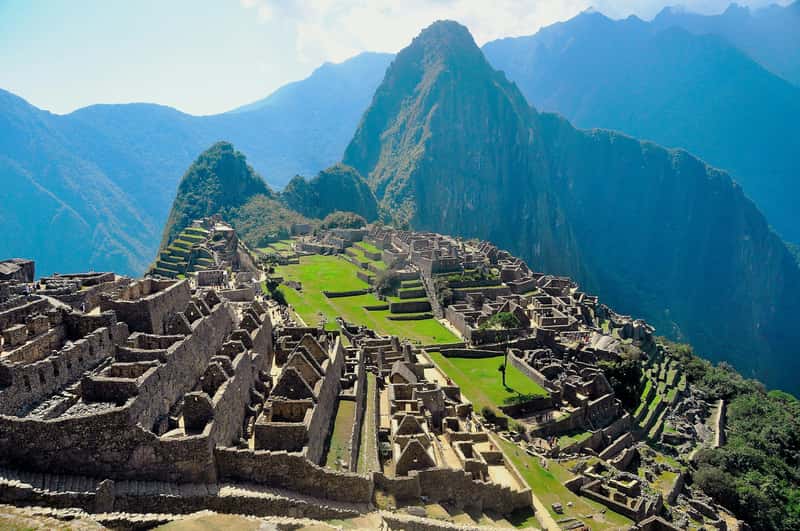
South America keeps pulling in travelers who want glaciers, jungles, colonial cities, and Andean peaks all in one trip, and 2026 is shaping up to be a particularly eventful year to visit. Entry rules have shifted in Brazil, Machu Picchu has overhauled its ticketing system yet again, and currency situations in places like Argentina keep evolving. None of this should scare you off, but it does mean the old advice your friend gave you from their trip five years ago probably needs an update.
This guide walks through the practical stuff that actually changes a trip: visas, money, safety zones, high-altitude planning, and the logistics that separate a smooth itinerary from a stressful one. Consider it a checklist you can work through before you ever step on a plane.
Brazil’s New Visa Rules Catch Many Travelers Off Guard
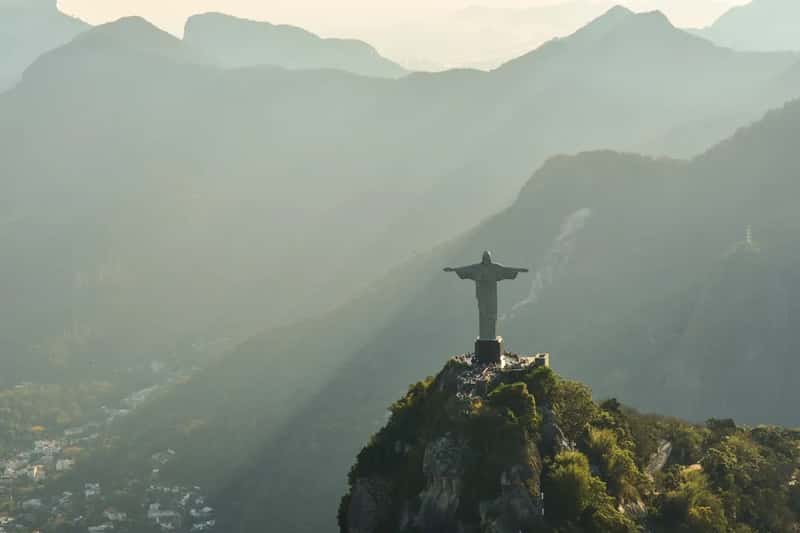
If you’re a citizen of the United States, Canada, or Australia, the biggest change for 2026 is that you can no longer simply show up in Brazil with a passport. As of 10 April 2025, all US, Canadian, and Australian passport holders need an e-Visa to enter Brazil for tourism, business, transit, or short visits, and the rule remains in force in 2026. This was framed by Brazilian officials as a matter of diplomatic reciprocity, since US, Canadian, and Australian authorities continue to require Brazilians to obtain visas, so Brazil is reapplying the same rule to their citizens.
The process itself is manageable if you plan ahead. Tourists apply on a revamped VFSeVisa portal, pay US$80.90, and receive a 10-year, multiple-entry visa, with five years for Canadians and Australians. The catch is that airlines now enforce this at check-in. From early 2026, the e-Visa is fully integrated with airline departure-control systems, and boarding passes will not be issued to eligible nationals without a valid e-Visa code on file. Official guidance recommends applying at least two months before departure, since document verification and any corrections can eat up time you don’t want to lose the week before a flight.
Machu Picchu Ticketing Has Become a Logistics Puzzle
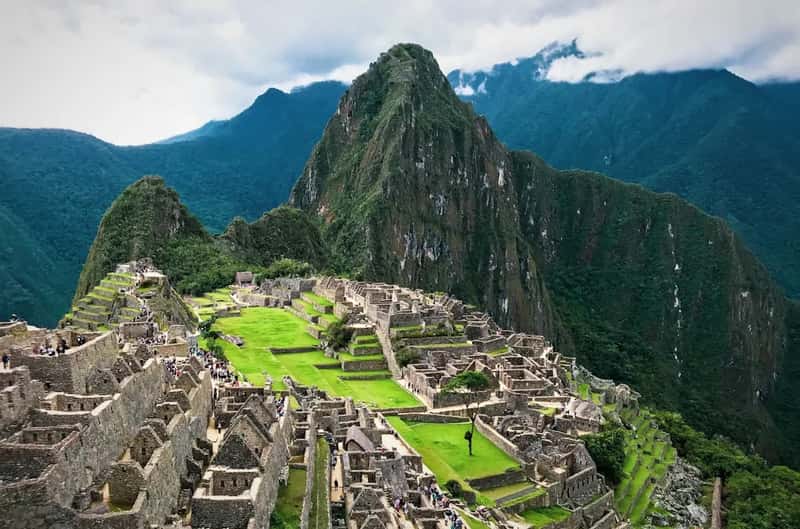
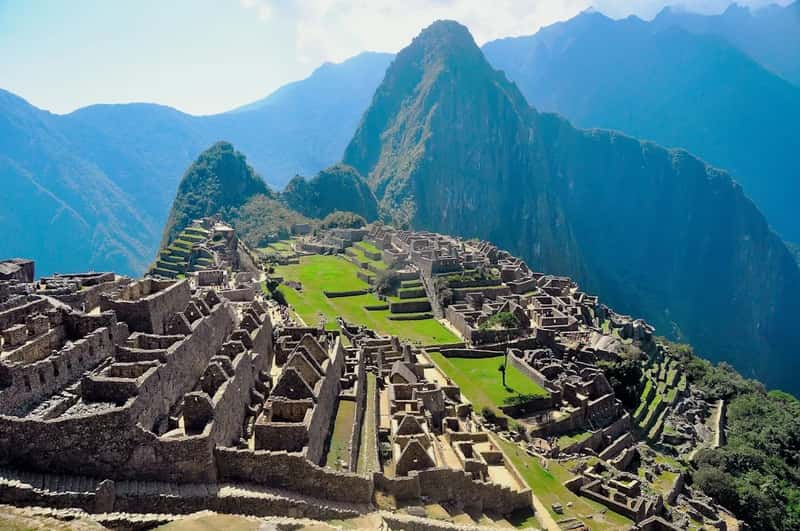
Peru’s most famous site has never been harder to plan around, and if you’re aiming for a 2026 visit you need to book with intention rather than spontaneity. Tickets are now released in stages rather than all at once, with visitors able to book tickets for the Inca Trail and Machu Picchu starting November 17, 2025, though most tickets actually became available in January 2026 following a phased release schedule. Waiting until a month before your trip to sort this out is a real risk, especially for June through August dates.
The single biggest change for trekkers is that the Inca Trail permit and the citadel entrance ticket are no longer bundled together. Starting January 1, 2026, the Inca Trail permit no longer includes Machu Picchu citadel entry, these are two completely separate purchases, and trekkers must secure both an Inca Trail permit and a Machu Picchu ticket for the same date. Miss one of the two and you could finish a four-day trek only to be denied entry to the ruins themselves. On top of that, timing matters more than ever: timed entry windows run hourly from 6:00 through 16:00, and the Ministry has reiterated a 30-minute grace period beyond the printed time, after which entry is normally denied. Booking through a licensed operator who can synchronize both permits is now the safer route for anyone doing the classic trek.
Argentina’s Currency Situation Has Calmed Down, But Isn’t Simple

For years, Argentina was the country where savvy travelers hunted for the best “blue dollar” rate to stretch their money further. That dramatic gap has mostly closed. The gap between the official rate, the Blue Dollar, and the MEP rate collapsed after currency controls were lifted, and as of early 2026 all three sit in the range of 1,430 to 1,460 pesos per dollar, meaning you no longer need to plan your payment method around a dramatic rate difference. That’s a relief compared to the chaos of previous years.
Inflation, though, hasn’t disappeared. Inflation in Argentina reached almost 300% in 2024, and it’s only expected to drop to around 32 to 33% in 2026, so prices you see quoted online can be noticeably out of date by the time you arrive. The practical upshot for tourists: paying with a foreign Visa or Mastercard generally gets you a fair rate now, and it’s worth carrying some US cash as a backup since EUR is accepted but at a less favourable rate, typically 10 to 15% lower than USD, and older or damaged dollar bills are frequently refused at exchange counters.
Ecuador and Colombia Require Region-Specific Awareness
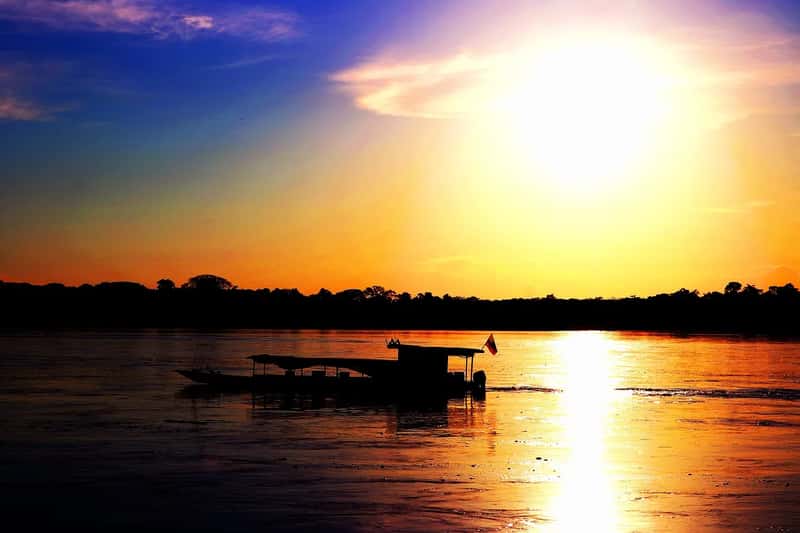
Blanket “is it safe” questions don’t work well for Ecuador or Colombia anymore, because risk varies enormously by province. In Ecuador, roughly 88% of the country’s homicides happen in five coastal provinces, while the Andean highlands, including Cuenca, Quito, Loja, and most of the Sierra, have homicide rates lower than mid-sized US cities. The border zone with Colombia is treated as off-limits by multiple governments: Australia advises not traveling within 20km of the border with Colombia, except the official border crossing at Tulcan, due to the high risk of kidnapping and violent crime associated with drug-related criminal organisations.
Ecuador’s government has also escalated its official response. The country renewed its nationwide state of emergency for 60 days in April 2026, and unlike previous emergency declarations that focused on specific provinces, the current measures apply nationwide for the first time. Colombia carries its own persistent warnings too, with violent crime common in many areas, including murder, assault, and robbery, alongside drugging, extortion, kidnapping, and armed break-ins that occur frequently in some regions. None of this means avoid these countries entirely. It means research your specific route province by province, stick to established tourist circuits like the Galápagos, Cuenca, or Cartagena’s historic center, and use registered transport rather than hailing cabs off the street.
Altitude Sickness Deserves More Respect Than Most Travelers Give It
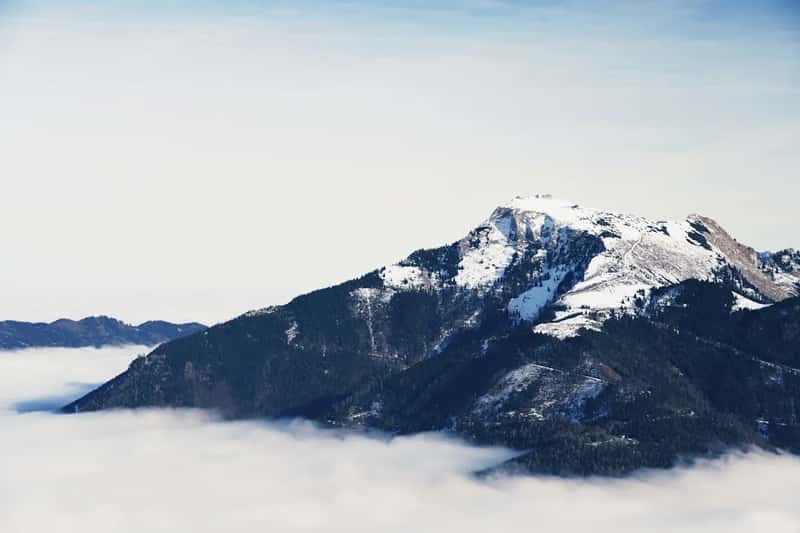
Cusco sits above 3,300 meters, La Paz is even higher, and altitude sickness doesn’t discriminate based on fitness level. Symptoms like headaches, nausea, and shortness of breath typically hit within the first 24 to 48 hours at elevation, and the standard advice is to spend at least a day or two acclimatizing before attempting strenuous hikes or the Machu Picchu circuits themselves.
Coca tea, hydration, and a slower pace on your first days in high-altitude cities go a long way. It’s also worth scheduling your itinerary so that you gain elevation gradually rather than flying straight into La Paz and heading for a high pass the next morning. Travel insurance that explicitly covers altitude-related medical issues and emergency evacuation is worth the extra cost, particularly if your route includes remote trekking areas in Peru, Bolivia, or Ecuador’s highlands.
Seasons Run Backwards, and the Continent Has Multiple Climates at Once

One of the trickiest parts of planning a South America trip is remembering that the seasons are flipped relative to North America and Europe, and that the continent is large enough to have wildly different weather happening simultaneously. December through February is summer in Patagonia and Buenos Aires, but it’s also deep in the rainy season across much of the Amazon basin.
For Machu Picchu and the Andes generally, the dry season from roughly June through September remains the most reliable window, though it’s also peak crowds and peak prices. Weather-wise, June through August is the optimal time to visit, with April, May, September, and October as a close second, while November through January is wetter, and February is often so rainy that the Inca Trail is closed for maintenance. If your trip spans multiple countries, build in flexibility rather than assuming one packing list or one seasonal assumption will cover Rio de Janeiro, the Atacama Desert, and southern Chile all at once.
Domestic Transport Choices Can Make or Break a Trip
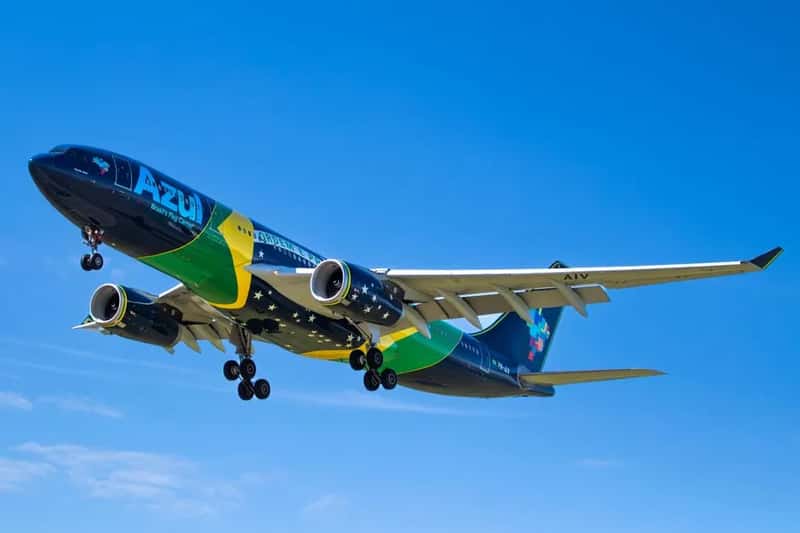
South America is enormous, and overland travel between major cities often takes far longer than newcomers expect. Long-distance buses are generally comfortable and affordable in Argentina, Chile, and parts of Peru, with reclining “cama” seats on premium routes. In riskier regions, though, flying is increasingly the recommended option. In Ecuador specifically, security-focused guides now advise flying between Quito, Guayaquil, and Cuenca rather than taking overnight buses, since flights are affordable, take under an hour, and avoid the road safety risks and security concerns of overnight bus routes through coastal lowlands.
Within cities, ride-sharing apps have become the safer default over hailing a taxi on the street, particularly in Ecuador and parts of Colombia. Express kidnapping schemes involving unregistered taxis remain a documented risk in certain urban areas, and using app-based services or a hotel-arranged radio taxi removes most of that exposure. If your itinerary includes multiple countries, factor in that budget airlines within South America can have stricter baggage policies and less flexible rebooking than what travelers from Europe or North America are used to.
Money Matters Beyond Argentina: Cash, Cards, and Local Quirks
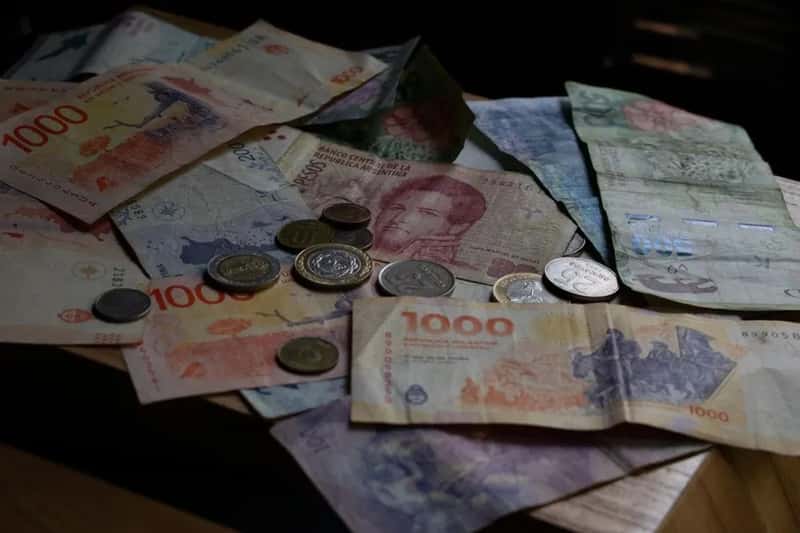
Every country on the continent handles money slightly differently, and assuming one system works everywhere is a common rookie mistake. Ecuador, notably, uses the US dollar directly, which simplifies budgeting considerably compared to neighboring countries with fluctuating local currencies. Chile and Uruguay tend to have the most stable, predictable pricing in the region, while Venezuela and Argentina require more active currency management.
A general rule that holds up almost everywhere: carry a mix of a fee-free debit card, one or two credit cards, and a modest amount of US dollars in cash as backup. ATMs in South America frequently charge foreign transaction fees on top of your home bank’s charges, and in some countries the exchange rate applied at ATMs is noticeably worse than what you’d get with a card payment or a reputable exchange house. Always choose to pay in the local currency when a card terminal gives you the option between local currency and your home currency, since the “convert to my currency” option almost always carries a worse built-in markup.
Brazil’s Extra 2026 Costs Go Beyond the Visa Fee
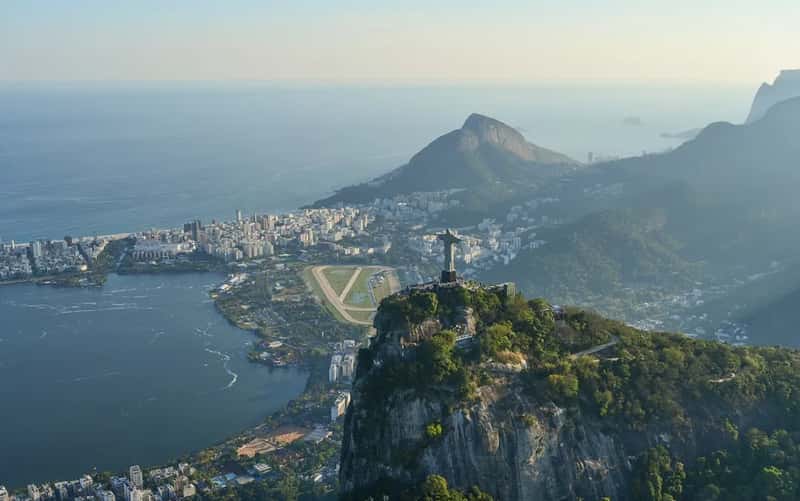
Travelers heading to Brazil specifically should budget for more than just the e-Visa charge. The country is overhauling its tax structure at the same time the visa rules took full effect. Brazil is undergoing a major tax reform starting January 1, 2026, replacing several existing taxes with a dual VAT system that includes the CBS and IBS. That change ripples down to everyday tourist spending, since these changes will affect a variety of services that tourists use, such as hotels, car rentals, and local tours.
Local governments are adding their own charges on top of that. In one popular coastal destination, Angra dos Reis, home to the beautiful Ilha Grande, introduced a Sustainable Tourism Tax starting January 2026, requiring visitors to pay a fee of up to R$95, around USD $19, for a visit to the region. Individually these fees are small, but stacked together with the visa cost and VAT increases, they add up to a noticeably pricier trip than Brazil offered even two or three years ago. Building a slightly more generous daily budget than older guidebooks suggest is a smart move.
Practical Prep That Ties Everything Together
None of this is meant to discourage a South America trip in 2026, it’s meant to help you show up prepared instead of scrambling. Start your visa applications early if you’re headed to Brazil, lock in Machu Picchu tickets and Inca Trail permits the moment your dates are firm, and check the latest government travel advisories for Ecuador and Colombia specific to the provinces on your route rather than the country as a whole.
Pack a flexible mix of payment methods, respect altitude acclimatization even if you feel fine on day one, and lean toward flights over long overland journeys in regions where road safety or crime is a documented concern. South America rewards travelers who do their homework, and the destinations that make this continent legendary, from the Andes to the Amazon to Patagonia’s glaciers, are still every bit as extraordinary as they’ve always been. The logistics have simply gotten a bit more particular, and travelers who adapt to that will have a far smoother, richer trip.