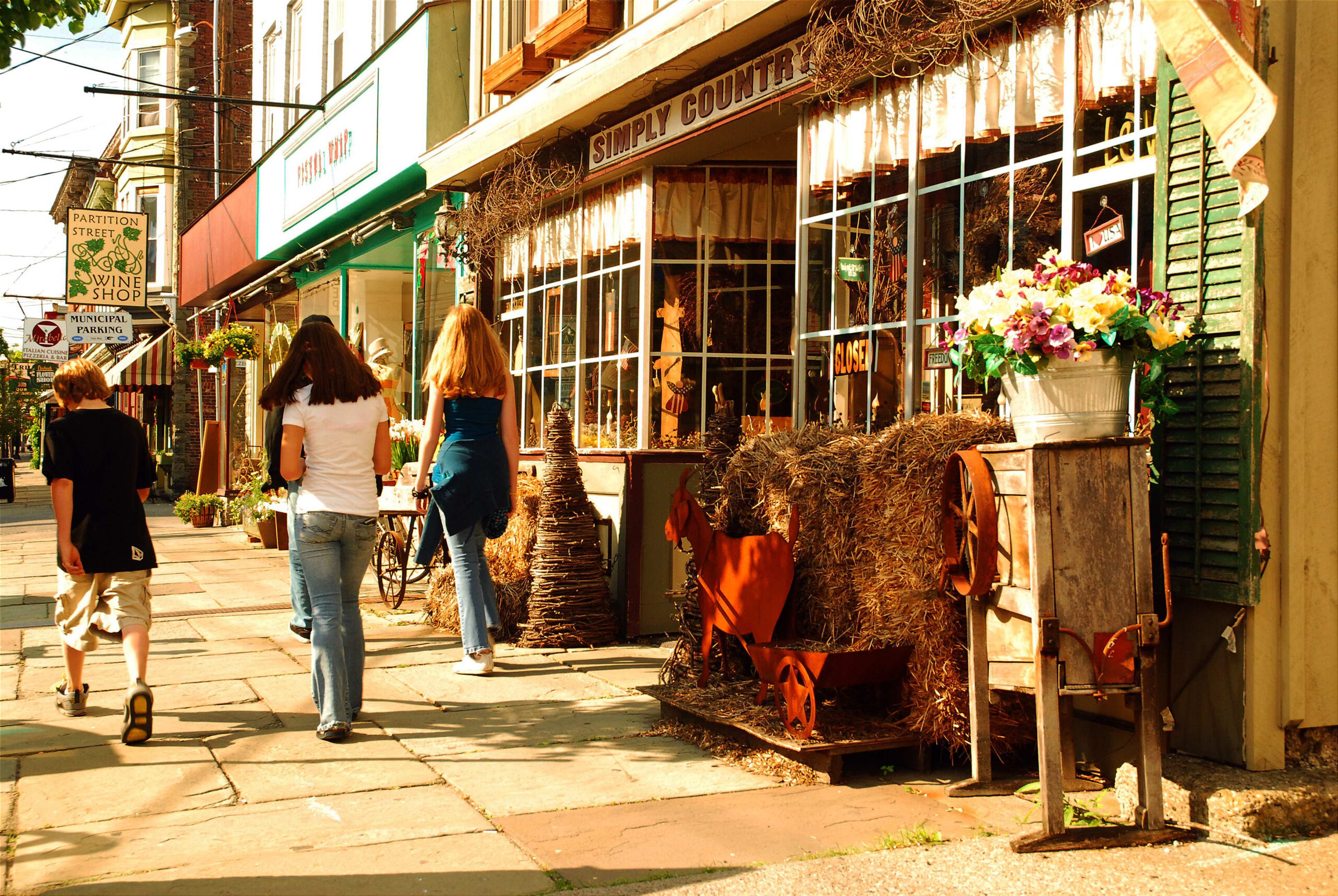
Mexico is pulling travelers in like never before. The country received 47.8 million international tourists in 2025, up from 45 million in 2024, marking a historic year for an industry that contributes approximately 8% of total GDP. That kind of momentum doesn’t happen by accident. Mexico is currently the sixth most visited country in the world, behind France, Spain, the United States, Turkey, and Italy. With the FIFA World Cup coming to and a surging global reputation, this is arguably the most exciting time in a generation to visit. But going in without preparation is a mistake. Here’s what every smart traveler needs to know before setting foot on Mexican soil this year.
Entry Requirements and Documentation
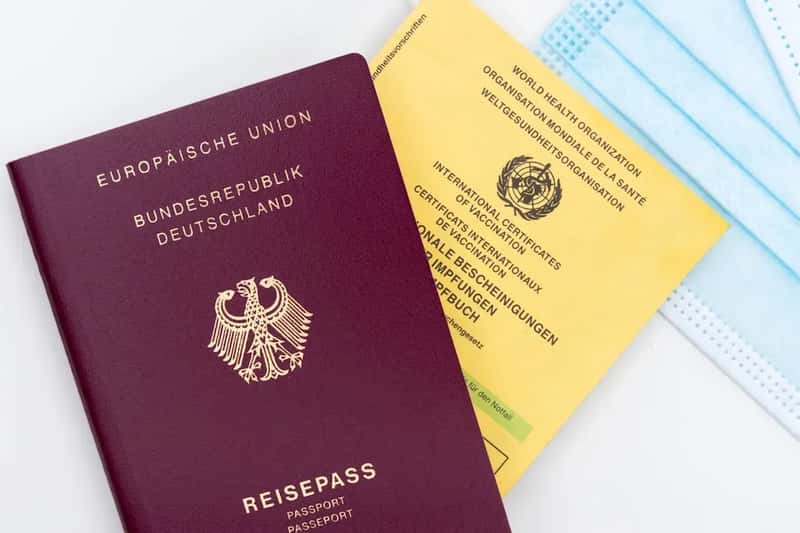
A valid passport is a fundamental requirement to enter Mexico from the U.S. For air travel, you must have a passport book, as passport cards aren’t valid for international flights. For land and sea travel, Mexico accepts either the passport book or passport card. It’s easy to overlook the small print, but the fine details genuinely matter here. Your U.S. passport must not expire for at least six months after the date of arrival. If your passport is due to expire sooner than that, you’ll need to renew it before getting your FMM and traveling to Mexico.
Travelers must also complete the Multiple Migration Form (FMM), which serves as an entry permit, and in many cases airlines include it as part of the flight process. If you’re heading to the Quintana Roo region, which includes Cancún and Tulum, there’s an additional fee to know about. U.S. citizens must present a valid passport, the FMM tourist card, and, if visiting Quintana Roo, the Visitax. U.S. citizens must also complete a customs declaration. Keep all these documents safely on your person throughout the trip, since it is important to keep the FMM during your stay, as you will need to hand it in when you leave the country. In case of loss, a fine may be applied.
Understanding the Safety Landscape
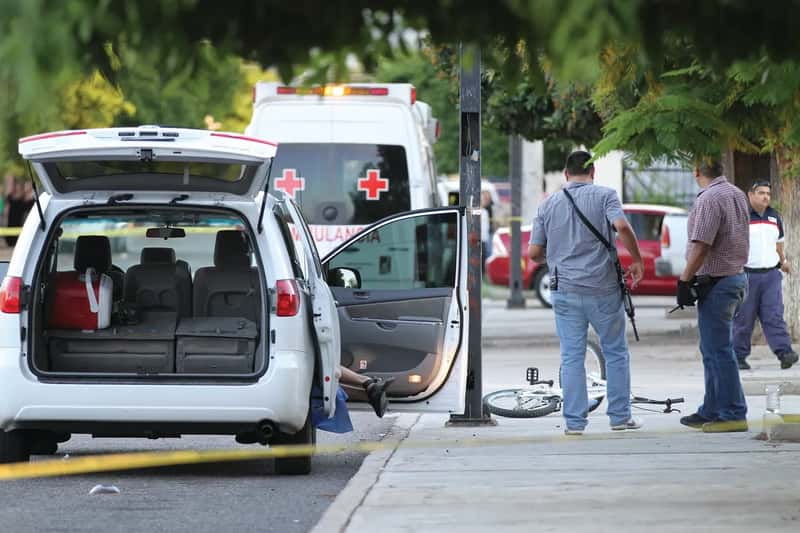
Mexico’s safety picture is genuinely nuanced, and treating it as either entirely safe or entirely dangerous is a disservice to any traveler. There were more than 36.8 million visits by Americans to Mexico in 2024, according to the U.S. Commerce Department. Still, Mexico is a paradox, as it is an incredibly popular destination for American tourists that has the most active State Department travel advisories of any country in the world. The key is geography. Kidnappings, cartel violence, and police corruption are real issues, but they are highly geographically specific.
, several Mexican states, particularly those with strong tourism economies, continue to receive Level 1 or Level 2 ratings, indicating minimal to moderate risks, often comparable to large cities in the U.S. or Europe. For popular tourist zones, the picture is generally reassuring. Most tourist destinations in Mexico, including Cancún, Playa del Carmen, Tulum, Puerto Vallarta, and Los Cabos, have a strong presence of tourism police and generally experience lower crime rates. That said, according to the latest State Department guidance, six states are at Level 4, the department’s highest alert level, though fortunately none of these states house resort areas popular with Americans.
Getting Around Safely

Transportation choices can make or break your safety in Mexico, and this isn’t an area where cutting corners pays off. Do not hail taxis on the street. Use trusted ride-sharing apps. Book taxis through your hotel or an authorized taxi stand. Apps like Uber and DiDi have genuinely changed the game for tourists. Ride-sharing apps like Uber and Cabify are available and generally safe to use. If you are using a taxi or ride-sharing app, confirm the driver’s license plate number and vehicle type to make sure you are getting into the right vehicle.
If you plan to drive, the rules of the road come with some specific warnings from authorities. While driving in Mexico is not quite as sketchy a proposition as it is in some Latin American countries, dangers still abound, especially if you waver from the toll roads. For emergencies on highways, there’s a dedicated helpline. If you get into an accident on a major highway in Mexico, dial 078. This will connect you with the Green Angels, a fleet of trucks with bilingual crews. For any inter-city travel, travel between cities only during daylight. For inter-city travel, first-class or “executive” buses are most direct and most reliable.
Food, Water, and Health Precautions

This is where many first-time visitors to Mexico trip up, sometimes literally. Tap water in Mexico is generally not safe to drink without treatment. The issue isn’t just rural areas either. Tap water quality in Mexico varies widely, but even in major cities like Mexico City, Guadalajara, and Monterrey, the water supply is often not considered safe for direct consumption. Factors like old infrastructure, potential contamination during distribution, and inconsistent municipal treatment contribute to concerns about tap water safety. Stick to sealed bottled water throughout your stay, and pay attention to ice too.
When it comes to food, smart choices rather than outright avoidance is the approach that works. Choose places where food is freshly cooked and served hot. Busy places with a lot of turnover tend to be safer. Lukewarm buffets are more risky. Street food can be totally fine, especially from vendors who keep things clean and cook to order, but skip raw veggies, unpeeled fruits, undercooked meats, and anything with unpasteurized dairy. On the vaccination side, no specific vaccinations are required for entry into Mexico for most travelers, but it’s recommended to be up-to-date on routine vaccinations. Vaccination against Hepatitis A and Typhoid is also advised due to the risk of these diseases through contaminated food or water.
Avoiding Scams and Petty Crime

Petty crime and tourist-targeted scams are a consistent reality across Mexico’s resort zones and major cities. Petty crime and tourist-targeted scams, including wristband and entry scams, bogus “closed for maintenance” stories that push travelers into paid tours, and opportunistic theft, continue to be reported in Cancún, Playa del Carmen, Tulum, and other resort towns. Staying alert in crowds is non-negotiable. Pickpocketing and petty theft are the most common issues, particularly in crowded areas like markets and on public transportation. More serious and violent crimes are less likely to affect tourists who stay in safe areas and exercise caution.
How you carry yourself and what you carry matters enormously. Avoid carrying large amounts of cash or valuables. Consider “hardening” yourself as a target by choosing backpacks and purses with cut-proof straps and clothing with several layers of Velcro and snaps securing valuables. When it comes to ATMs, location is everything. Try to always use ATMs located in safe locations like inside a hotel or a mall. Don’t engage in public displays of jewelry, money, or expensive electronic devices.
Best Times to Visit and Top Destinations for 2026

Timing your trip well rewards you with better weather, smaller crowds, and lower prices. The absolute best time to visit Cancún is during the dry season, from December through early March, experiencing near-perfect weather with warm, sunny days and minimal rain, along with the lowest chance of hurricanes. If you want a cultural experience beyond the beach, timing around festivals adds an entirely new dimension. November brings in nearly four million travelers drawn by cultural events like Día de los Muertos. December is the most popular month overall, driven by holiday celebrations and warm weather.
For those seeking destinations where safety and experience strike a compelling balance, several cities stand out clearly . San Miguel de Allende, a UNESCO World Heritage site, offers cobblestone streets, vibrant art scenes, and a peaceful atmosphere, and has one of the lowest crime rates in Mexico’s central region. For urban explorers, Mexico City was named the Best Cultural City in the World in 2024 by Time Out magazine. On the coast, Riviera Nayarit continues to rise as one of Mexico’s most secure and scenic destinations, known for its low crime rates, family-friendly resorts, and strong tourism infrastructure. Also, notably, Canada, Mexico, and the United States will be hosting the FIFA World Cup from June 11 to July 19, 2026, which means Mexico’s major host cities will see elevated visitor numbers, so booking accommodations and transportation early is strongly advised.