Anyone who has flown into a European airport this summer already knows the drill: longer queues, more questions at the booth, and a growing sense that crossing into the Schengen Area is no longer the quick stamp-and-go affair it used to be. The rollout of the European Union’s new biometric border system has reshaped the travel experience for millions of non-EU visitors, and the disruption shows no signs of easing before the busy autumn travel season.
What started as a technical upgrade to modernize border security has turned into one of the most talked-about travel headaches of 2026. Airports, ferry ports, and rail terminals across the continent are grappling with slower processing, technical glitches, and staffing shortfalls, even as EU officials insist the system is working as intended. For travelers planning a European trip in the coming months, understanding what has changed, and why, has become essential trip-planning homework.
The Entry/Exit System Finally Goes Live Everywhere
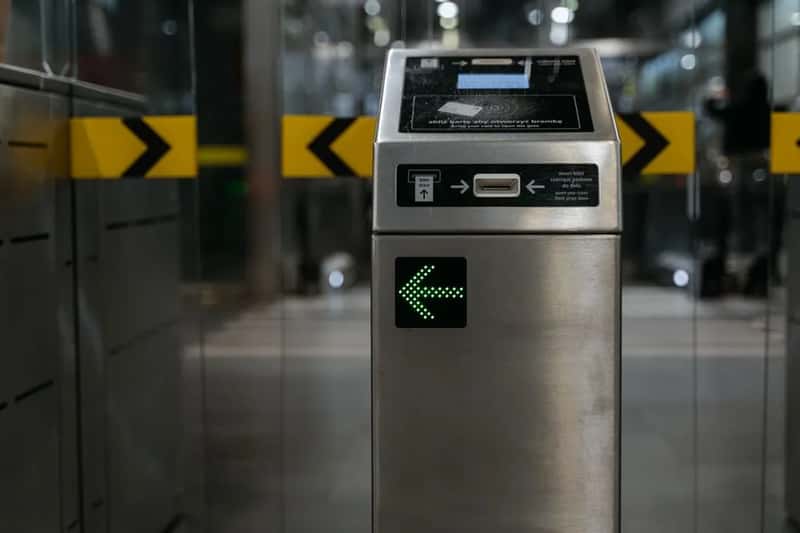
The centerpiece of Europe’s border overhaul is the Entry/Exit System, known as EES, an automated system that registers non-EU travelers each time they enter or exit the Schengen Area for short stays. The system was launched on 12 October 2025 and progressively deployed across the external Schengen borders during a transitional period.[1] That gradual phase-in gave countries time to install the necessary hardware and train staff before the real deadline arrived.
By spring, the training wheels came off. As of 10 April 2026, the EES has become fully operational, and it is now used at all external border crossing points for eligible third-country nationals with biometric passports, and manual passport stamping has ended.[1] The system had been delayed repeatedly before that point. It was previously scheduled for implementation in 2022, then May 2023, then late 2023, and then late 2024.[2] Now that it is finally running everywhere, travelers are discovering that “fully operational” does not necessarily mean “fully smooth.”
What Actually Happens at the Border Now
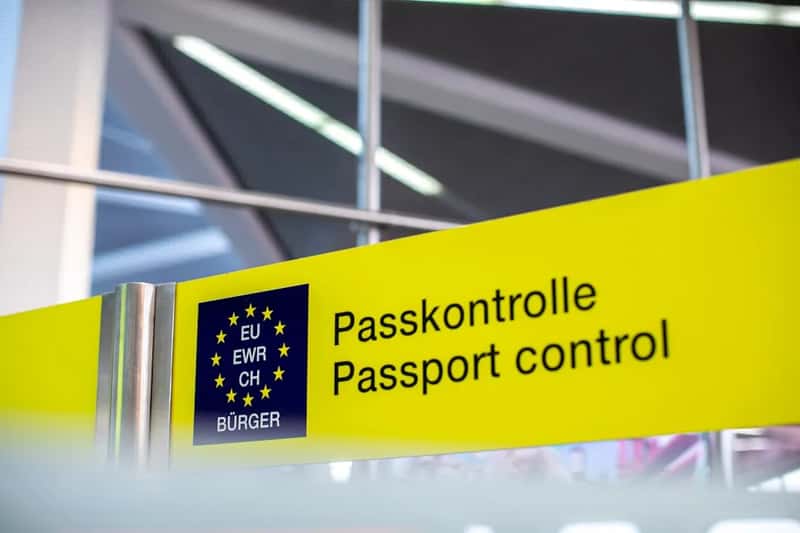
Under the new system, eligible travelers no longer get a simple ink stamp in their passport. Instead, passport stamps are being replaced with digital records of entries and exits of non-EU nationals coming for short stays, with travellers’ facial images, fingerprints and personal data from the travel document also recorded.[3] This first-time enrollment is the step that tends to slow things down the most, since it typically requires a short stop at a kiosk or a staffed booth rather than a quick glance from a border officer.
The system exempts certain groups from these checks. EU/EEA/Swiss citizens, long-term residents and permit holders, diplomats, certain cross-border workers, and airline or ship crews are not subject to EES registration.[4] In theory, that should keep lines moving for a large share of travelers. In practice, many airports have struggled to separate these passengers from those who still need full biometric processing, which has created bottlenecks even for people who are technically exempt.
Airport Queues Have Nearly Doubled in Places
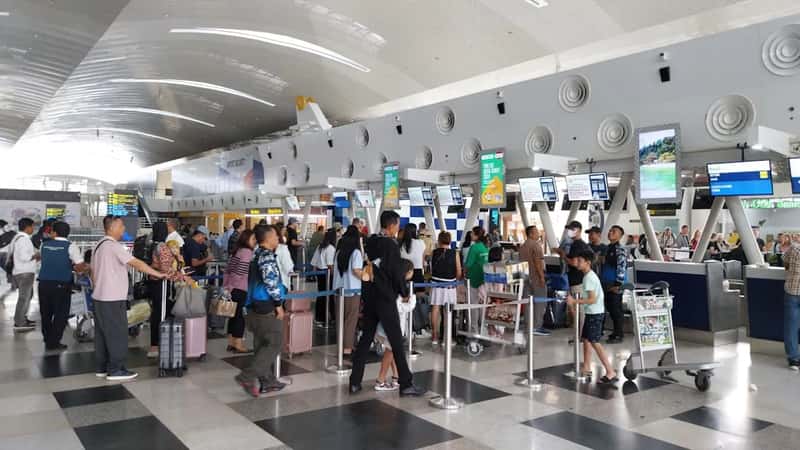
The numbers tell a fairly stark story about how much slower border crossings have become. According to the International Air Transport Association, a routine passport check that previously took around 20 to 25 seconds now takes about 90 seconds under the EES.[5] Multiply that across thousands of arrivals a day, and it is easy to see how delays compound quickly during peak hours.
Some of Europe’s busiest hubs have felt this acutely. New data shows wait times have doubled at major hubs including Frankfurt, Amsterdam and Munich, as the Entry/Exit System scheme struggles to cope with the sheer number of non-EU passengers passing through.[6] Airport operators have also pointed to a mix of technical and human factors behind the slowdowns. Issues include systems that temporarily break down, self-service kiosks that are unavailable, automated passport gates that cannot be used with the EES at many airports, and a shortage of border guards.[7]
The Channel Crossing Puzzle
Nowhere has the rollout been messier than along the routes linking the United Kingdom and France. Because British travelers now count as third-country nationals for EES purposes, checks at Dover, Eurotunnel, and Eurostar terminals were expected to be especially complex given the juxtaposed border arrangement, where French officers process passengers on UK soil before departure.
Rather than plunge straight into full enforcement, authorities have taken a cautious, piecemeal approach on these routes. Most UK travelers to France by ferry, Eurotunnel, or by train are still being spared EES checks, as operators wait for the go-ahead from French officials, with only Eurostar first class or carte blanche holders required to register while the Port of Dover is only registering coach passengers.[8] Even with this limited scope, disruption has still crept in. Long queue times for passengers have already exceeded one to two hours at airports including Beauvais, Marseille, and Nantes, where a lack of staff and system outages continue to cause disruption.[9]
Industry Groups Sound the Alarm
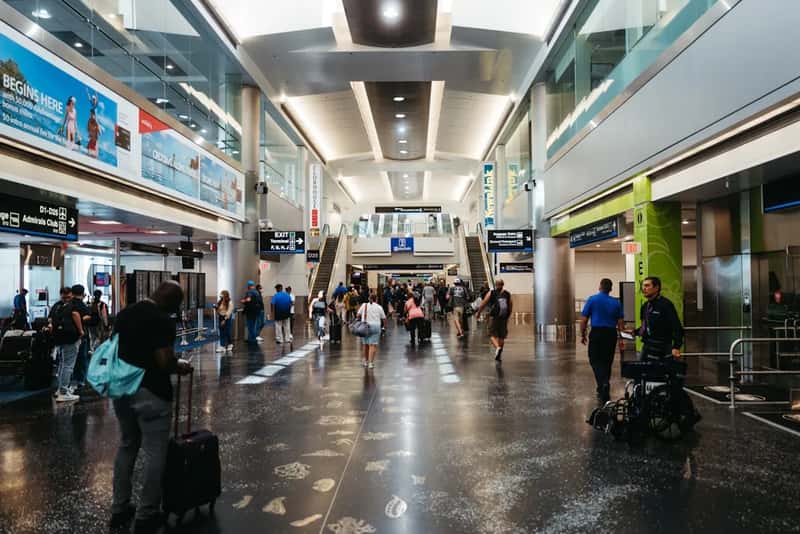
Airlines and airport operators have not been quiet about the strain the new system has placed on their operations. Speaking at an industry gathering earlier this summer, one aviation trade body representative described a worrying pattern. The organisation’s regional vice-president for Europe said disruption was already being reported in several countries, noting: “We are already seeing delays and missed connections in Portugal, Spain, Italy, Greece, Belgium, and elsewhere.”[5] He went further, warning that queues of “three, four, five, six hours” were possible if authorities failed to address staffing and technical issues before the busiest weeks of the summer season.[5]
Airport operators across the continent have echoed similar concerns. One European airports association reported that waiting times at border control have significantly increased following the full rollout of the EES, with queues now typically averaging two to three hours or even longer during peak traffic periods.[10] Not every operator has reported the same experience, however. The group managing Paris’s two main airports told one outlet that queues had not generally been affected, though it still advised passengers to build in extra time before their flights, recommending allowing two hours before departure for short-haul flights and three hours for long-haul flights.[10]
A Critical Deadline Looms in September
The flexibility that has allowed some border posts to ease up on strict biometric enforcement is not permanent, and a key deadline is fast approaching. Regulators built in room for member states to relax procedures temporarily during the busiest travel months. Member states can partially suspend full operations for up to 90 days, with a possible 60-day extension, after April to avoid summer congestion, effectively allowing flexibility through September 2026 if needed.[4]
That grace period is now nearing its end. A critical enforcement deadline arrives on 6 September 2026, ending the current transition period, after which border police lose the ability to ease checks when queues become unmanageable.[11] The pressure this has created is already visible in the political response. Nine EU member states have asked the Commission to extend the flexibility, and aviation bodies have also warned of unsustainable pressure, asking for the power to completely suspend EES when passenger volumes overwhelm the facilities.[11]
Where the Biggest Delays Are Concentrated
Not every border crossing is equally affected, and travelers heading to specific countries should know what to expect. France has become almost synonymous with EES queue stories, partly because of the sheer volume of traffic it processes. France runs EES both at its airports and at the juxtaposed UK controls for Eurostar and Le Shuttle, making it the country most associated with EES queue stories.[12]
Italy has also emerged as a hotspot, particularly for travelers arriving on long-haul flights who need to register with the system for the first time. Italy’s major gateways at Rome and Milan see heavy long-haul non-EU traffic, where first-entry EES enrolment added the most time during arrival peaks.[12] Meanwhile, some voices in the travel community argue that the system itself is not always the sole culprit. One popular travel commentator noted that many of the reported delays actually have to do with simple staffing problems, since airports were overwhelmed with incoming flights and didn’t have enough immigration staff on hand to handle the queues.[13]
ETIAS Delay Offers a Small Reprieve
If there is a silver lining for travelers this year, it is that a second, related system has been pushed back yet again. The European Travel Information and Authorisation System, or ETIAS, is a separate pre-travel screening requirement for visa-exempt visitors, similar in concept to the United States’ ESTA program. It was originally expected to launch alongside or shortly after EES, but that plan has fallen apart.
As of this summer, the launch has effectively been shelved without a firm new date. The European Union has officially removed its late-2026 launch target for ETIAS, leaving the long-delayed digital entry requirement without a firm start date, with the official EU ETIAS portal now stating the system is “currently not in operation.”[14] Officials have cited technical struggles as the driver behind the setback. The agency that oversees the system has “acknowledged that launching it by the end of this year as planned was no longer feasible.”[15] For now, that means one less document travelers need to worry about, even as EES continues to dominate border-crossing headlines.
What This Means for Travelers Heading to Europe

The practical takeaway for anyone planning a trip is straightforward: build in more buffer time than you think you need. Official guidance from EU bodies has shifted from reassurance to caution. Travellers should be aware that it will take longer to go through passport control, so they should allow extra time at the border.[16] This applies whether you are flying into a major hub or crossing by land or sea.
It is also worth remembering that the system has already processed an enormous volume of travelers without catastrophe, even if the experience has been bumpy. Since its introduction, more than 52 million entries and exits were registered, with over 27,000 refusals of entry, of which over 700 persons were identified as posing a security risk to Europe.[3] Whether the coming weeks bring relief or renewed chaos likely hinges on what happens when the September 6 flexibility deadline arrives and whether the Commission grants member states the extension several have requested.