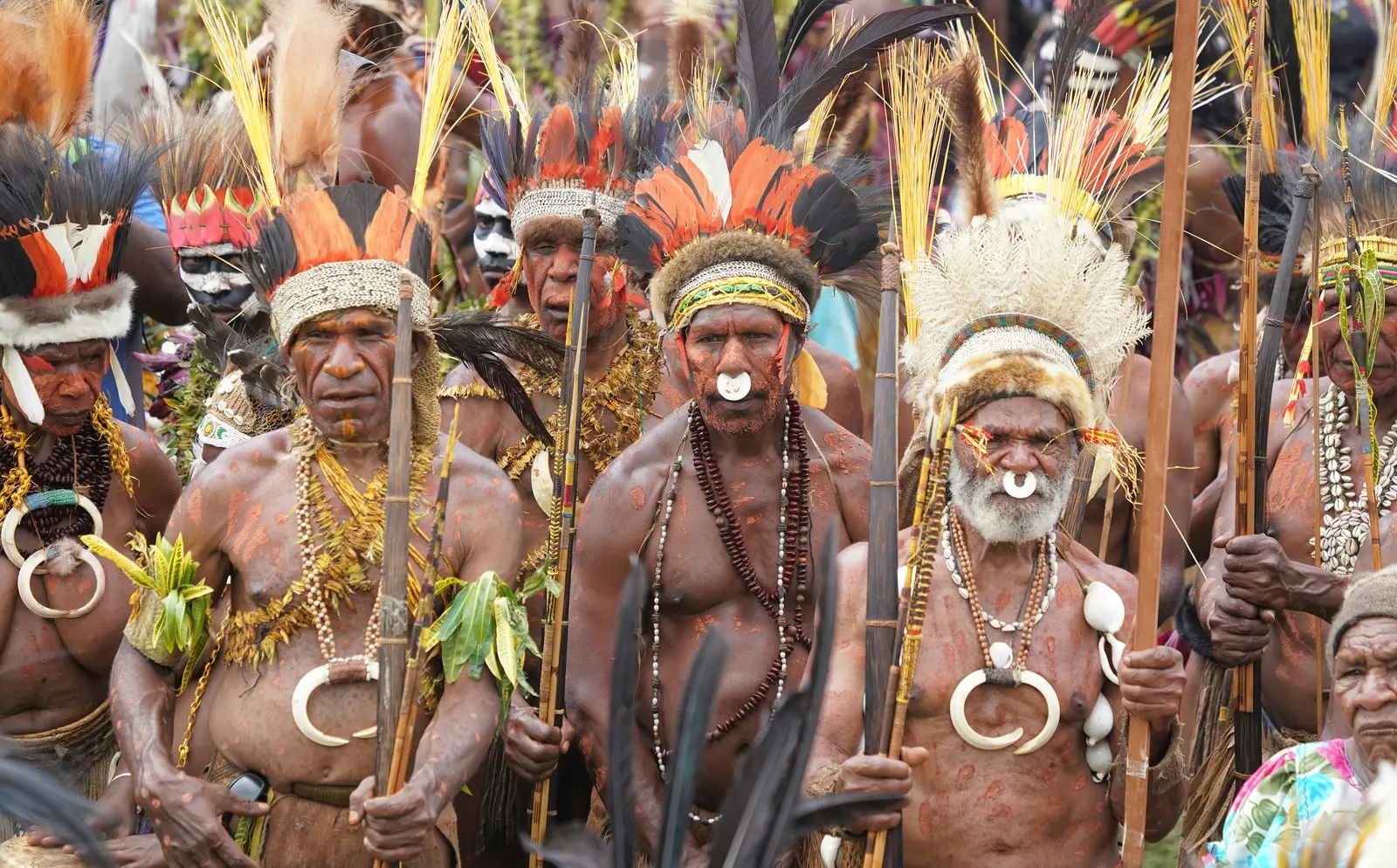
Kawemhakan, Suriname – Deep in the rainforest along the Lawa River, the Wayana people have long called this stretch of the Amazon home. Vast gold deposits lie beneath the forest floor, drawing miners who operate far from government oversight. The community now navigates a delicate balance between protecting its territory and managing outsiders who arrive seeking quick riches.
Gold Wealth Draws Persistent Pressure
Roughly a million ounces of gold are pulled from Suriname legally each year, yet far larger reserves remain untouched across the Amazon basin. In remote border areas like Kawemhakan, illegal operations have taken root. Brazilian miners and Chinese traders join local actors in setting up camps along the river and its tributaries. These sites sit beyond easy reach of law enforcement. The result is a steady advance of forest clearing that threatens traditional hunting grounds and water sources. Wayana families on both sides of the Lawa River, which forms the border with French Guiana, feel the effects most directly.
Health and Food Security at Risk
Mercury used in gold processing has introduced new health concerns for residents. Wildlife populations that once supplied reliable food have declined as mining activity expands. The Wayana have lived in the region for generations, yet they still lack formal land titles that could strengthen their position against encroachment. Without those legal protections, communities rely on informal arrangements to limit damage. The situation highlights how resource extraction can outpace both regulation and recognition of Indigenous rights in isolated zones.
An Airstrip Provides Unexpected Leverage
One practical advantage stands out in Kawemhakan. The only airstrip for many kilometers serves as the main link to the capital, Paramaribo. Miners and traders who need quick access to the city must maintain workable relations with village leaders, or face long river journeys instead. This geographic reality gives the community a modest tool for negotiation. Residents have used it to discourage the worst abuses and keep some operations at a distance. Still, the underlying pressure from gold prices and weak enforcement continues to test those limits.
Practical Stakes for Border Communities
The Wayana case illustrates broader tensions between mineral wealth and Indigenous stewardship in the Amazon. Illegal camps bring not only environmental harm but also risks of crime that remain largely hidden. Government presence stays thin, leaving local leadership to manage day-to-day realities. Formal land rights could alter the balance, yet progress on that front has been slow. In the meantime, the community focuses on preserving what it can through careful diplomacy and vigilance along the river. The outcome will shape how similar remote areas handle future mining interest.