Walk into a café in Paris during a heatwave and you might find yourself sweating over your espresso. Stroll through a centuries-old apartment in Rome as temperatures soar past 40 degrees Celsius, and you’ll likely notice the one thing missing: air conditioning. It sounds wild to anyone from the United States or Asia, where cooling systems are nearly universal. Yet, here’s the thing. Nearly 90% of US households have air conditioning, compared with around 20% in Europe, according to recent data.
The question isn’t whether Europeans dislike being comfortable. They do. Yet as summers grow more intense and deadly, the continent clings to ceiling fans, shuttered windows, and long siestas. So what gives?
The Heat Is No Longer Just Southern Europe’s Problem

Let’s be real, Europe is cooking. Summer 2024 was noted as the hottest summer in Europe, with a mean temperature of 1.54°C over the 1991-2020 average, shattering previous records from 2022. Southeastern Europe experienced particularly brutal conditions. Southeastern Europe experienced ‘strong heat stress’, where the daily maximum feels-like temperature reached at least 32°C, for around two thirds of the summer period. At 66 days, this is the highest number of ‘strong heat stress’ days on record, by a large margin.
The impacts are no joke. A report released by Public Health France on February 8, 2024, confirmed that 5,167 people died due to the heat during the summer in France in 2023. Greece, Spain, Italy, and Germany all reported record temperatures and heat-related deaths during recent summers. A report released by Nature Medicine in 2025 found that Europe had over 62,700 heat-related deaths in 2024 alone.
It’s hard to say for sure, but climate scientists agree: these scorchers are the new normal. Heatwaves becoming more frequent and intense due to climate change are a big problem for Europe. The heatwaves in the year 2003 killed 70,000 people, while in the record breaking summer of 2022, 61,672 people died. Meanwhile, the Mediterranean Sea hit record-high daily temperatures in August 2024, breaking the previous records from July 2023.
Traditional Architecture Was Built for a Different Climate

Southern European cities weren’t exactly designed with modern climate chaos in mind. Southern Europe built its cities to cope with heat: thick walls, shaded windows, and street layouts designed to maximise airflow. That’s also why white paint dominates the picturesque skylines of Mediterranean places like Santorini in Greece or Vieste in Italy. The bright surfaces reflect sunlight, helping interiors stay cooler.
These time-tested tricks worked beautifully when summers were milder and predictable. Thick stone walls absorb heat slowly during the day, then release it gradually at night. Small windows minimize direct sun exposure. Courtyards encourage cross ventilation. Northern Europe, on the other hand, historically needed buildings that trapped warmth during long, cold winters.
Buildings on the continent tend to be older, built before AC technology became mainstream. In England, which has just endured its hottest June on record, one in six homes were built before 1900. It can be harder to outfit older homes with central cooling systems, although far from impossible. Sometimes red tape makes retrofitting even trickier. Historic preservation rules restrict external modifications in many cities, and installing AC units on beautiful old façades? That’s a bureaucratic nightmare.
Culture and Old Beliefs Die Hard

Honestly, a big part of this comes down to mindset. Air conditioning, when it appeared in Europe, was seen as a luxury or even a health risk. Many Europeans still believe exposure to cold air can make you sick, and the stereotype persists that AC is for rich people. Some folks genuinely fear that blasting cold air will give them a stiff neck or a summer cold. French media outlets often warn against cooling rooms more than certain degrees below outdoor temperatures, citing health concerns.
The thing about German elites pooh-poohing AC as an unnecessary American extravagance suggests that some Europeans view lack of AC as quintessentially European culture – a tradition by which Europeans can define their own uniqueness. There’s a subtle pride in toughing it out, in adapting behavior rather than relying on energy-intensive machines. In many European countries, there’s a cultural acceptance of weather fluctuations. Winters can be cold, so they bundle up. Summers can be hot, so they adapt.
AC is also associated with American excess. Europeans sometimes joke about how Americans over-air-condition everything, freezing restaurant patrons while wasting energy. That cultural difference shapes policy and personal choices alike.
Electricity Costs Make Running AC Painfully Expensive
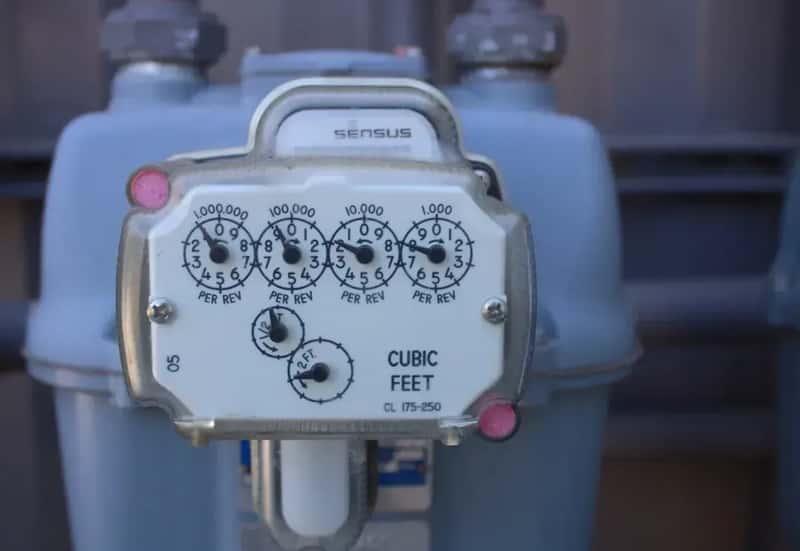
Here’s where it gets practical. European electricity is far pricier than in North America or Asia. For example, in Berlin, electricity costs about 0.30 to 0.40 euros per kilowatt-hour. Running an air conditioner continuously through July and August could push a household’s electricity bill above 200 euros. That’s a hefty chunk of change for many families.
The 2022 energy crisis only reinforced these anxieties. Wholesale electricity prices soared across Europe due to reduced natural gas supplies and surging demand. Household gas prices were almost twice as high in 2023 than before the crisis. Similarly, industrial gas and electricity prices, while lower than during the crisis, are still 2-4 times higher than in the EU’s main trading partners. Even though prices have stabilized somewhat, the memory lingers.
Installation isn’t cheap either. A typical 1.5-horsepower unit sells for 600-800 euros (702-936 U.S. dollars) in Germany, but installation can cost more than 1,500 euros when labor, permits and building approvals are factored in. For renters, landlord approval is required, and many must remove units when they move out. That makes the investment feel even less worthwhile.
Environmental Concerns Clash With Climate Adaptation Needs

Europe has pledged to become climate-neutral by 2050, and a surge in air conditioner use complicates that goal. Not only are air conditioners energy guzzlers, but they also push heat outside. A study looking at AC use in Paris found they could increase the outside temperature between about 2 and 4 degrees Celsius. That heat island effect is especially pronounced in Europe’s dense cities, worsening conditions for everyone without AC.
Then there’s the bigger picture. Without a faster clean energy transition, the rapid expansion of cooling could further accelerate climate change. By 2050, cooling alone could generate 6.1 billion tons of carbon dioxide emissions globally each year – nearly one-fifth of global emissions under many scenarios. European policymakers are keenly aware of this vicious cycle: more heat drives more AC use, which drives more emissions, which drives more heat.
Some countries have imposed measures to limit air conditioning. In 2022, Spain introduced rules stipulating AC in public places should be set no lower than 27 degrees Celsius (80 degrees Fahrenheit) to save energy. These regulations reflect a broader European commitment to sustainability over short-term comfort. Many Europeans genuinely believe that toughing out the heat is a small sacrifice for the planet’s sake.
But Change Is Coming, Slowly

The writing is on the wall. According to the China Household Electrical Appliances Association, exports of air conditioners to the EU and Britain totaled 1.39 billion U.S. dollars in the first five months of 2025, a 20.25 percent year-on-year increase. Demand is surging, especially in commercial spaces and newly built residential units. “Over the last five years, residential enquiries have more than tripled. This heatwave in particular has sent things through the roof… People just can’t function when they’re boiling at 3 a.m.” says one UK air conditioning company director.
An IEA report found the number of air conditioning units in the EU is likely to rise to 275 million by 2050 – more than double the 2019 figure. Greece already leads the pack, with roughly 99 percent of households reportedly having air conditioning installed due to the country’s notorious summer heat. Italy, Spain, and France are seeing rapid adoption in urban areas, particularly among younger generations who don’t share their elders’ reservations.
Still, the transition is awkward. Europe faces a growing dilemma: embrace energy-intensive cooling with all its negative climate impacts, or find smarter, more sustainable alternatives. Some experts advocate for passive cooling strategies – green roofs, reflective building materials, improved insulation, natural ventilation, and urban tree planting. These methods can reduce indoor temperatures by several degrees Celsius without consuming electricity. The problem? They require upfront investment, planning, and time. Heatwaves don’t wait.
What do you think – should Europe embrace air conditioning as a climate adaptation necessity, or double down on sustainable alternatives? Tell us in the comments.