Mexico is having a moment. With the FIFA World Cup rolling through Mexico City, Guadalajara, and Monterrey this summer, plus a peso that has been unusually strong against the dollar, 2026 is shaping up to be one of the more interesting years to visit in recent memory. Whether you’re chasing beaches in Quintana Roo, street food in Oaxaca, or a match-day atmosphere at Estadio Azteca, there’s a lot to sort out before you land.
This guide pulls together the practical stuff, entry paperwork, safety realities, currency trends, and seasonal timing, so you can plan a trip that’s informed rather than guesswork. Mexico is a huge and varied country, and a lot of the generic advice floating around online doesn’t hold up state by state. Here’s what actually matters right now.
The FMM Tourist Card Is Non-Negotiable
Every foreign visitor entering Mexico needs a Forma Migratoria Múltiple, better known as the FMM tourist card, regardless of nationality, age, or how long you’re staying. It isn’t a visa, but rather a visitor permit that authorizes your stay in Mexico for tourism, transit, or short business visits. If you’re flying in, the fee is typically folded into your airline ticket, but if you’re driving across a land border, you’ll need to stop and process it yourself.
For 2026, the fee sits at roughly 983 Mexican pesos, or approximately 57 US dollars, set annually by Mexico’s immigration authority. Land crossings for stays of seven days or fewer are typically exempt from the fee, though you still need to get the paperwork stamped. One important detail people often miss: the card is technically valid for a single entry, and without a valid FMM on departure, you could face delays or fines. Skipping the immigration counter at a land border, even when nobody seems to be checking, is a mistake that can catch up with you later if you’re stopped at an interior checkpoint.
Safety Varies Enormously By State, Not By Country
Mexico is unusual in that the US State Department doesn’t just issue one blanket advisory. As of the latest update, the advisory issued May 29 applies to Mexico, one of three countries hosting the 2026 FIFA World Cup, and remains at a Level 2, exercise increased caution, warning citing concerns about terrorism, crime and kidnapping. That’s the headline number, but it masks a lot of internal variation that actually matters for trip planning.
Six states currently sit at the most serious tier: Colima, Guerrero, Michoacán, Sinaloa, Tamaulipas and Zacatecas remain under a Level 4 Do Not Travel advisory, while Baja California, Chihuahua, Guanajuato and Jalisco are classified as Level 3, meaning Americans should reconsider travel. On the flip side, popular tourist regions tend to fare better. Popular tourist hubs like Yucatán and Campeche remain at Level 1, and among the World Cup host cities, Mexico City remains under a Level 2 advisory, while Nuevo León, home to Monterrey, is also listed as Level 2. It’s worth checking the state-specific breakdown for wherever you’re actually headed rather than reacting to the national headline.
Mexico Is Sharing World Cup Hosting Duties This Summer
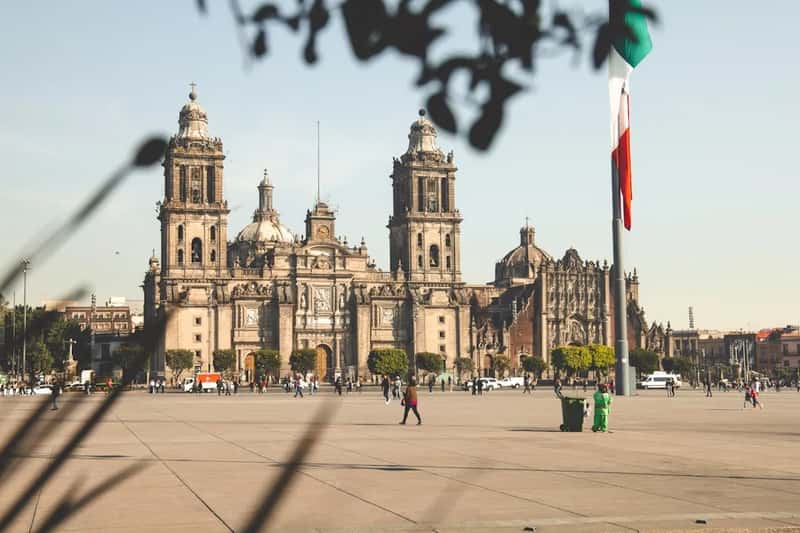
If your 2026 trip happens to overlap with the World Cup, you’re in for something historic. For the first time in history, the FIFA World Cup is being hosted by three countries, the United States, Canada and Mexico, in a tournament expanding from 32 to 48 national teams across 16 cities. Mexico’s share of the action lands in three cities: Guadalajara, Monterrey, and Mexico City hosts matches during the 2026 FIFA World Cup competition.
The tournament kicks off on Mexican soil in a big way. On July 19, Mexico City Stadium hosts the opening match of the 2026 FIFA World Cup where hosts Mexico take on South Africa, at a stadium with a capacity of 83,000 spectators, one of the largest in Latin America. If you’re planning to attend any matches, get your paperwork sorted early, since travelers planning to attend the FIFA World Cup 2026 in Mexico should apply for their FMM or visa well in advance of match days and book hotels in Mexico City or Guadalajara early. Also worth knowing: tickets are sold only on the official FIFA World Cup 2026 website, and it is illegal to resell tickets in Mexico, so steer clear of informal resale offers no matter how tempting.
The Peso Has Been Unusually Strong
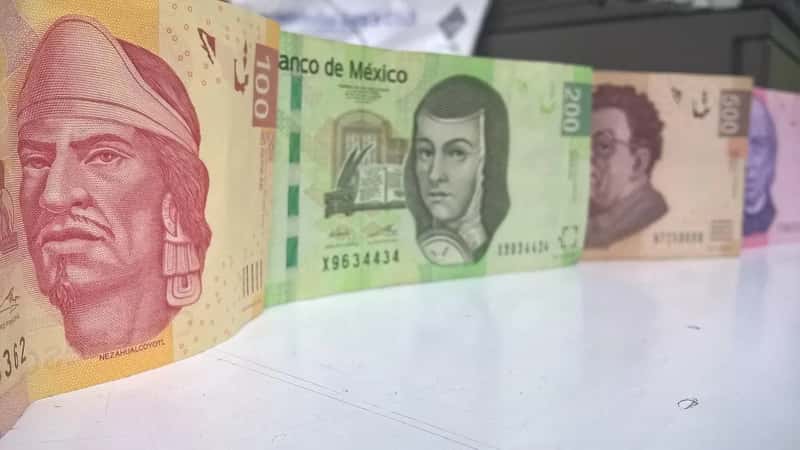
Currency planning matters more than usual this year. After a strong run in 2025, the peso appreciated almost 16 percent against the dollar in 2025, defying the expectations of many economists, analysts and other observers. That trend has continued into 2026, with the peso trading in a relatively tight band.
As of mid-July 2026, one US dollar equals roughly 17.41 Mexican pesos using the current mid-market exchange rate, a level that’s noticeably stronger than the peso’s historical norms from a few years back. Inflation has also been cooling, with Mexico’s annual inflation rate easing to 3.37 percent in June 2026 from 3.94 percent in May, the lowest reading since December 2020. Practically speaking, this means your dollars, euros, or pounds won’t stretch quite as far as they did a couple of years ago, so it’s worth budgeting a bit more generously for food, taxis, and souvenirs than older travel guides might suggest.
Know What’s Banned Before You Pack
Customs rules trip up a surprising number of visitors every year, and 2026 brings a couple of specific reminders worth flagging. Drug laws are strict and don’t bend for medical exceptions from home. Drug possession or importation of drugs, including medical marijuana, is illegal in Mexico and can lead to long jail sentences or fines, even for medical use with a permit that’s legal where you live in the United States.
Less obviously, vaping products are also off-limits. It is illegal to bring e-cigarettes and vaping liquids into Mexico, and travelers are advised not to bring them to avoid entry delays, fines or criminal charges. The advice here is straightforward: check your bags and clothing pockets before travel if you regularly use prohibited items, since bringing in banned items can result in serious penalties even if accidental. It’s a small step that can save you a genuinely miserable start to your trip.
Petty Crime And Personal Safety Habits Still Matter Most
Even in the safer tourist zones, common-sense precautions go a long way. Resort areas aren’t immune to opportunistic crime, and officials note that rape and sexual assault are common in some resort areas, especially at night or early morning, and criminals sometimes drug their victims’ drinks. It sounds alarming in isolation, but it’s really just a reminder to apply the same vigilance you’d use in any unfamiliar nightlife scene.
The State Department’s practical suggestions are simple enough to actually follow: stay aware of your surroundings, consider bringing a friend with you when you go out, and closely monitor your drinks. If you’re traveling between cities, officials also recommend caution around road travel and checkpoints. The State Department advises travelers to avoid traveling between cities after dark, use dispatched taxis or app-based ride services, avoid traveling alone in remote areas, and comply with security checkpoints. None of this should scare you out of going, but it’s worth building into your daily routine rather than treating as an afterthought.
Scams Have Moved Online Too
It’s not just street-level crime that deserves attention. Digital scams targeting travelers have become increasingly common, and internet financial scams are common in Mexico, with scammers often reaching out through online services or unwanted emails. This is worth keeping in mind if you’re booking accommodations, tours, or transportation through unfamiliar websites or social media listings.
A related warning applies to anyone driving near the US-Mexico border. Criminal groups sometimes try to exploit unsuspecting travelers directly. Crime organizations may try to convince US citizens to carry packages into the United States for them, targeting unaware travelers who regularly cross the border to smuggle drugs. The guidance is blunt but useful: monitor your vehicle closely, and don’t agree to carry any package across the border, no matter how innocent or urgent the request seems.
Enroll In STEP And Keep Your Embassy Contacts Handy
One of the easiest, most overlooked steps before any trip to Mexico is registering with your home country’s travel program. For US citizens, that’s the Smart Traveler Enrollment Program, or STEP, which is a free service allowing US citizens and nationals traveling and living abroad to enroll their trip with the nearest US Embassy or Consulate, so they can get alerts. It costs nothing and takes a few minutes, yet it’s the fastest way to receive real-time security alerts if something changes while you’re there.
This matters more than it might seem, particularly given how fluid conditions can be in parts of the country. Earlier this year, an unfolding security operation temporarily affected government staff and travelers alike, though normal operations resumed quickly. All restrictions related to the events of February 22 on US government staff in Mexico were eventually lifted, with the US Embassy and all consulates in Mexico operating normally again. Situations like that are exactly why enrolling in an alert system, and checking in periodically during your trip, is worth the small effort.
Connectivity And Local Costs Are Getting Easier To Manage
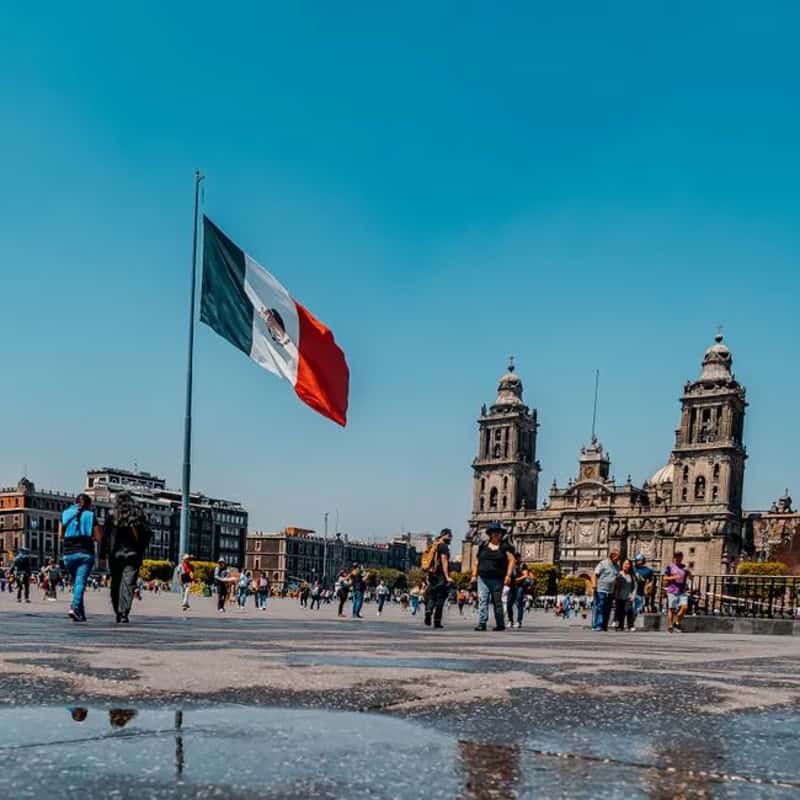
Beyond connectivity, it’s worth remembering how much regional variation there is even within a single state’s tourist zones. The hotel zone in Cancún, Playa del Carmen, Tulum, and Cozumel are the most visited destinations in Mexico, hosting tens of millions of international visitors a year, and these areas generally operate with well-established tourism infrastructure, English-speaking staff, and predictable pricing. That said, prices in heavily touristed zones tend to run higher than in smaller inland towns, so budgeting will look different depending on whether your itinerary leans toward resort corridors or off-the-beaten-path exploration.
Timing Your Trip Around Weather And Crowds
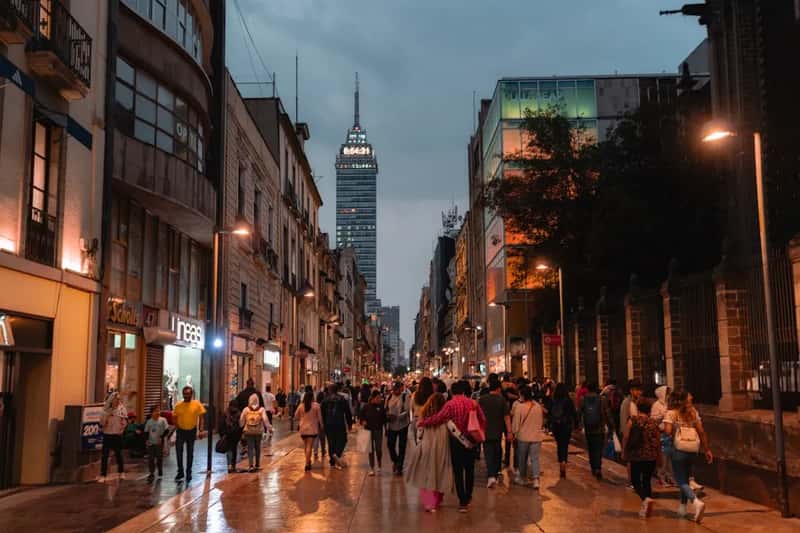
If your visit lines up with the World Cup window, expect some unusual seasonal quirks. The tournament falls squarely in Mexico’s rainy season for much of the country, and July falls within the rainy season in much of central and western Mexico, where cities such as Mexico City and Guadalajara typically experience frequent afternoon or evening showers during this period, often intense but short-lived. Packing a light rain layer isn’t a bad idea if you’re headed to those regions in June or July.
Altitude is another factor worth knowing about if you’re visiting the capital. Mexico City is located approximately 2,240 metres above sea level, which can affect physical performance and recovery, and visitors coming from sea-level cities sometimes notice mild shortness of breath or fatigue in the first day or two. Outside of World Cup season, Mexico’s dry winter months, roughly November through April, remain the most popular stretch for beach destinations, while summer and early fall bring more rain but noticeably lighter crowds and lower prices in many regions.
Mexico in 2026 is a country balancing two very different storylines at once: a global sporting spotlight and a patchwork of regional safety realities that require real attention rather than blanket assumptions. The good news is that none of this is unmanageable. A little homework on your specific destination, proper paperwork before you land, and the same street smarts you’d use in any unfamiliar city will cover most of what you need. Mexico remains one of the most rewarding places to travel precisely because it offers so much range, from ancient ruins to world-class stadiums, and this year, that range is more visible than ever.