Most guests drop their bags, glance at the view, and call it good. People who have worked behind a hotel front desk tend to look at the room a little differently. They know a room change is a routine request, and that the best time to make it is in the first few minutes.
The details below come from former hotel managers, hospitality staff, and pest control sources, with mixed reliability. Some are about safety, some about hygiene, and some about whether the hotel can fix a problem quickly. Each one is a fair reason to walk back to the desk.
Your Room Number Was Said Out Loud
It sounds minor, but it gets a surprising amount of attention. A travel writer went viral on TikTok for advising guests to change rooms if the front desk clerk announces their room number aloud, citing safety concerns.[1] Her point was that a busy lobby is full of potential eavesdroppers, and an announced number gives away exactly where you’ll be sleeping.[1]
Hospitality workers backed her up. Several employees agreed and confirmed that staff are trained never to say the room number out loud.[1] A former hotel manager in the comments went further and suggested reporting the incident to the nearest manager, which is worth doing for solo travelers in particular.
Signs of Bed Bugs Near the Mattress
Bed bugs are the classic reason to switch rooms, and a fancy lobby doesn’t guarantee you’re safe. Hotels and motels rank among the top three places where pest professionals report finding bed bugs, and a five star property can be affected as easily as a budget motel.[2] Before you unpack, look at the mattress seams and the area where the mattress meets the headboard. Warning signs include dark spots, blood smears, shed skins, eggs, and live bugs.[3]
If you find any of it, don’t set your bags down. A former hotel manager who shares tips online suggests asking for a room at the opposite end of the building. She also notes that an infestation in one room doesn’t mean other rooms have one.[4] Keep in mind that bites can take eight to twelve hours to show up as visible welts[3], so the room itself is a better early clue than your skin.
A Heavy Air Freshener Smell on Arrival

A room should smell like very little. One travel site argues that aggressive air fresheners are often used to mask smells like mold, sewage, mildew, or old cigarette smoke.[5] That’s one outlet’s take rather than a formal study, though it matches what many travelers report.
A musty odor deserves the same attention. That kind of smell is often a sign the room is poorly ventilated[6], which isn’t something you want to sleep in for several nights. If your nose objects within the first minute, trust it and ask for another room.
Visible Dirt, Stains, or Anything That Shouldn’t Be There
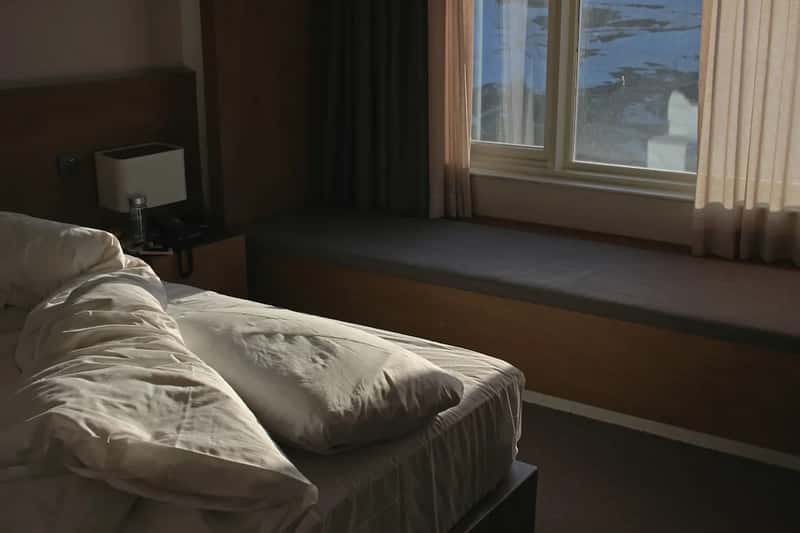
This one is the most obvious. Blood, dirt, garbage, or any other biohazard is reason enough to change rooms.[7] A cleaning company that writes about this topic suggests telling the front desk if anything in the room looks like it shouldn’t be there.[7]
Worn carpet near the door is a quieter version of the same warning. One travel site points out that the first stretch of carpet inside the door gets the most foot traffic, so stains or threadbare patches there suggest the hotel isn’t replacing carpet on a sensible cycle or deep cleaning.[5] It won’t hurt you, but it says something about housekeeping standards.
An Air Conditioner That’s Noisy or Dirty
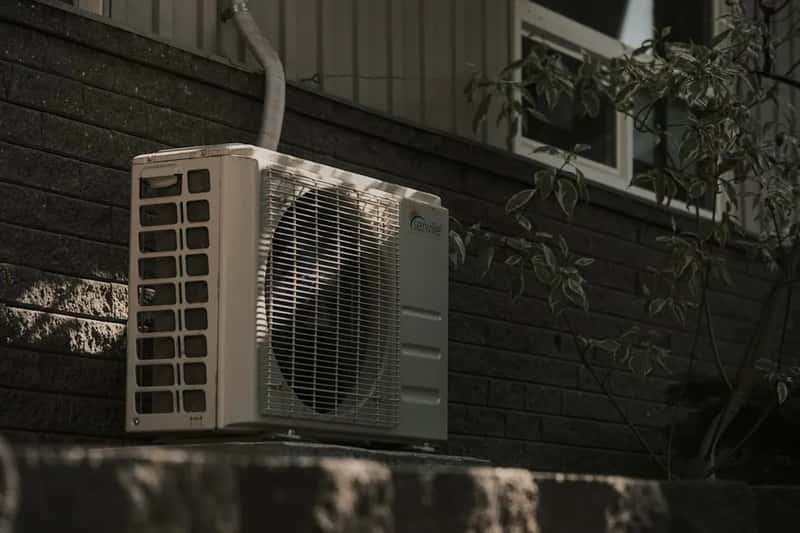
Climate control matters more than people expect, since you’ll be listening to it all night. A hospitality expert quoted by Yahoo said guests may want a new room if theirs has dated furniture, unresponsive lights, malfunctioning temperature controls, or a noisy air conditioner.[8] Those are small failures, but they usually point to deferred maintenance.
A former hotel manager who posts room tips online makes the AC filter her first stop. On arrival she checks whether the air conditioning unit’s filters are clean, and only then turns to the mattress.[4] If the filter is caked with dust, it’s reasonable to ask for a room with a better unit.
A Problem the Hotel Can’t Fix Quickly
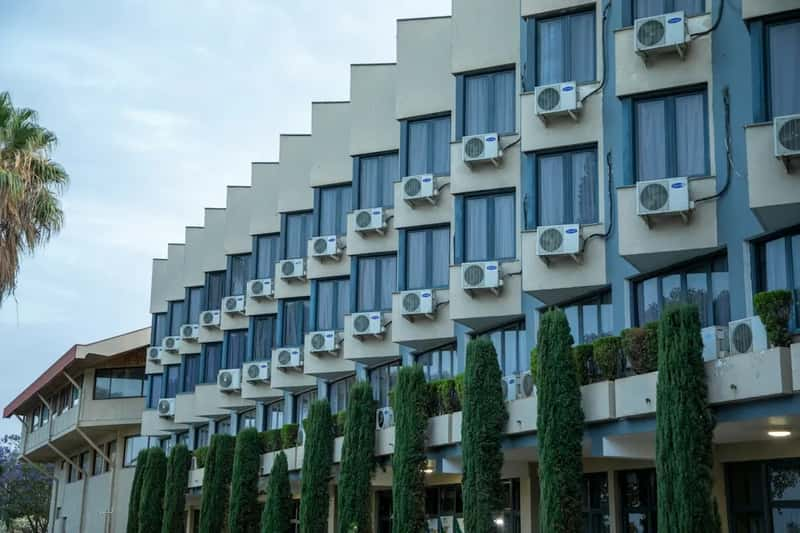
Sometimes the room is fine until something breaks. Industry insiders interviewed by Yahoo said the speed of the response tells you a lot. If it takes an unreasonable amount of time for someone to address a problem, that can be a sign you’ve picked the wrong place.[8]
Take a broken AC on a hot day. One consultant’s logic was that if nobody is trying to repair it quickly, it probably can’t be repaired quickly.[8] The practical move is to ask for a different room right away, before you’ve spent an hour waiting on a maintenance visit that may not solve anything.
A Bed That Doesn’t Pass a Quick Lift Test
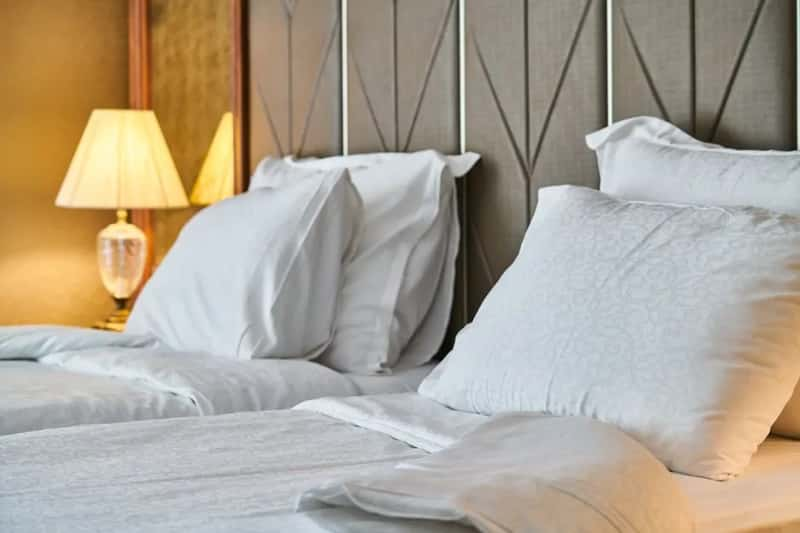
Pulling the bed apart a little feels awkward, but industry people do it routinely. One hospitality professional who inspected properties in a past job takes off the duvet and looks at the mattress and under the bed to make sure the room was properly cleaned.[8] It takes about a minute.
The former manager mentioned earlier also tells guests to skip the top sheet, saying it isn’t washed every time someone stays.[4] That’s her claim, and laundry practices vary by hotel. Still, if what you see under the covers looks stained or neglected, a different room is a fair ask.
A Lobby and Common Areas That Look Neglected

This isn’t strictly a room detail, though it should influence how closely you inspect yours. One industry source recalled a boss who used the lobby restroom as a gauge for the rest of the property, reasoning that a clean one means a clean hotel.[8] Business Insider’s hotel employees pointed to something similar. Burnt out light bulbs and dust in common areas may signal that a hotel isn’t clean or well maintained.[9]
If the common areas are off, treat your room with extra suspicion. Check the bed, the smell, and the climate control more carefully than you otherwise would. A neglected hallway doesn’t prove a bad room, but it raises the odds enough to justify a thorough look before you settle in.
How to Ask for the Change
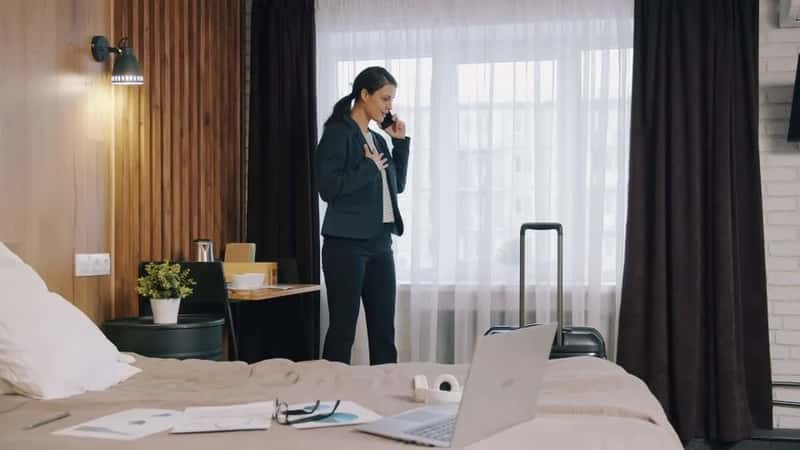
Timing helps. Inspect the room before you unpack, and keep your luggage on a hard surface or in the bathroom until you’re satisfied. Experts suggest keeping your coat and personal items with you rather than placing them on furniture.[10]
When you go back to the desk, be specific and calm. Name the problem, whether it’s the smell, the stains, or the announced room number, and ask for a different room, ideally on another floor or in another section of the building.