Most people freeze the second they see “CANCELLED” flash on the departure board. They stand in a growing line, wait for an agent, and accept whatever the airline offers first. Frequent flyers do the opposite – and it’s why they’re already rebooked on a better flight before the announcement even finishes over the loudspeaker.
The gap between a ruined trip and a recovered one usually comes down to a handful of moves almost nobody teaches you. Here’s what road warriors, points nerds, and former airline insiders actually do the moment their flight disappears from the board.
#25 – Skip The Airline’s Website And Book Direct Next Time

Third-party booking sites are convenient until disaster hits. When a flight cancels, airlines can rebook passengers who booked directly far faster than those who went through an online travel agency, because the direct-booked itinerary lives cleanly in the airline’s own system.
Third-party bookings often require the airline to loop in the original seller before changes can be made, which adds a frustrating middle step during chaos. Experienced flyers now treat direct booking as cancellation insurance, not just a loyalty perk. It won’t stop a storm, but it removes one entire layer of friction when minutes matter.
#24 – Screenshot Your Itinerary Before The App Updates It
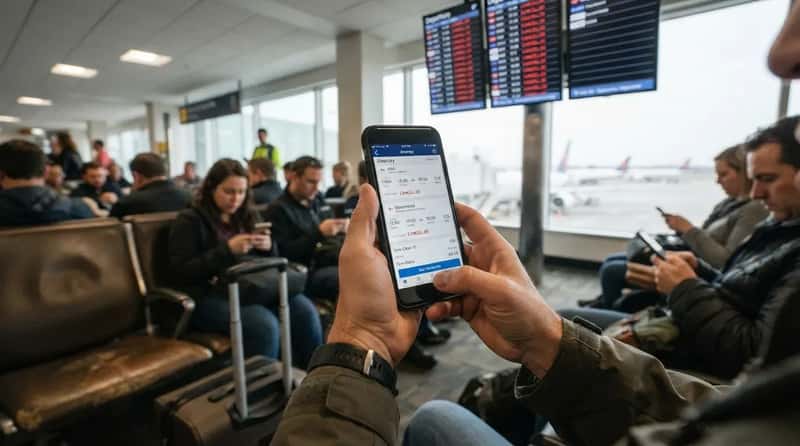
The instant a flight cancels, the airline’s app quietly rewrites your itinerary – sometimes before you’ve even seen the alert.
Seasoned travelers screenshot their original confirmation, seat assignments, and fare class the moment they sense trouble, because proving what you originally booked matters if the “new” rebooked flight is a downgrade. Airlines rarely volunteer that you lost a seat upgrade or a better connection unless you can show what you had. It’s a two-second habit that turns into leverage at the counter.
#23 – Learn The Exact Hour Threshold That Triggers A Refund
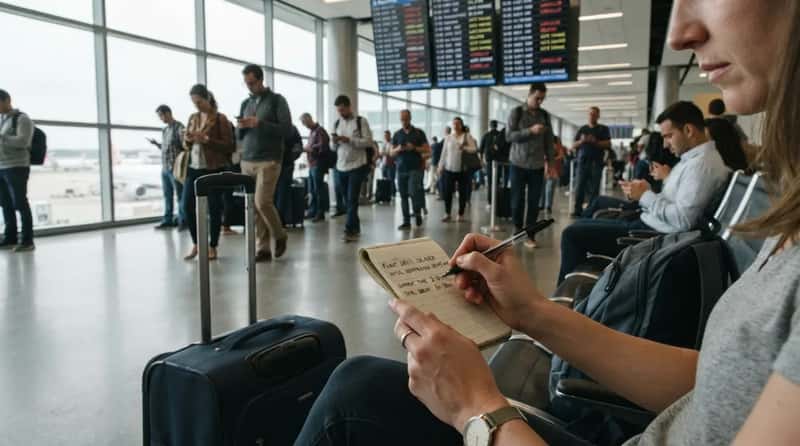
Most flyers assume any delay just means waiting it out. It doesn’t.
If your flight is canceled or delayed by 3+ hours domestic or 6+ hours international, you’re entitled to a cash refund. That threshold is written into federal rule, not airline policy, which means it applies no matter which carrier stranded you. Most passengers never ask for the refund because they don’t know the clock is running. Experienced flyers write down their delay’s exact start time so they can prove eligibility later.
Fast Facts
- Domestic flights: 3+ hours delayed or canceled makes you refund-eligible
- International flights: the threshold jumps to 6+ hours
- The rule is federal, so it applies equally across every U.S. carrier
- It covers both outright cancellations and long delays, not just one or the other
#22 – Cash Refunds, Not Vouchers, Are Now The Legal Default

For years, airlines quietly steered stranded passengers toward travel credits instead of real money back.
The rule shifted the default from opt-in to opt-out – before 2024, passengers had to actively request refunds while airlines defaulted to vouchers, but now airlines must issue automatic cash refunds unless the passenger affirmatively accepts an alternative. That single change flips who has the power at the counter. Insiders now say the phrase “cash refund, not a voucher” out loud, every time, because agents are trained to offer the voucher first.
#21 – Know What Actually Counts As A “Significant Change”
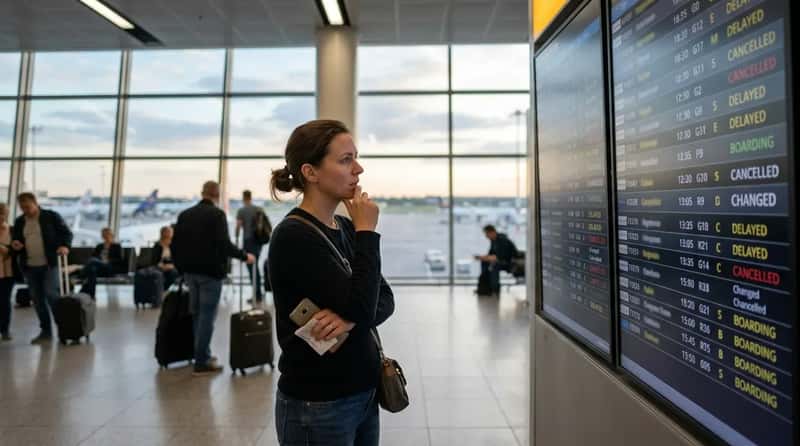
Not every schedule tweak triggers your rights – but the definition is broader than most people assume.
Passengers are entitled to a refund when flights are canceled or significantly changed, and they do not accept alternative transportation or travel credits offered. A new departure time hours apart, a different arrival airport, or added connections can all qualify. Most travelers accept the new itinerary without realizing they just waived a refund they were owed. Ask directly whether the change counts as “significant” under DOT rules before you say yes to anything.
#20 – Weather Cancellations Come With Far Fewer Rights
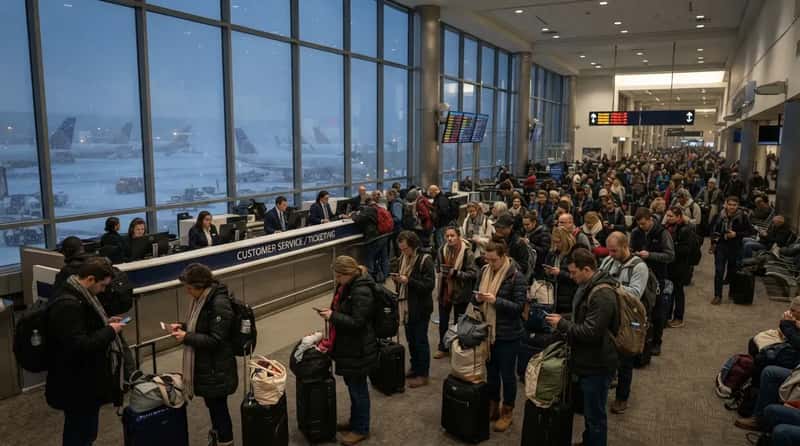
Here’s the uncomfortable truth nobody likes to hear: a snowstorm cancellation and an airline-caused cancellation are not treated the same.
During massive weather events when passengers have very few rights, don’t expect a hotel voucher or meal comp automatically – those benefits are typically reserved for disruptions inside the airline’s control. This is the friction point experienced flyers argue about most: should weather delays get the same protections as mechanical ones? Right now, they legally don’t, so budgeting for a backup hotel yourself is smarter than assuming the airline will cover it.
#19 – Airline-Caused Cancellations Owe You Hotels And Meals
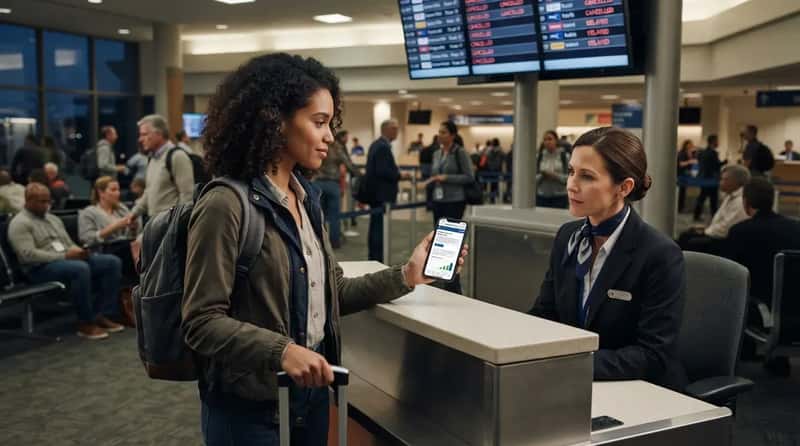
Flip the cause, and the entire situation changes overnight.
Most U.S. airlines have committed to providing benefits such as hotels for overnight delays or meals for passengers during significant delays and cancellations caused by issues within the airline’s control, viewable at flightrights.gov. Almost nobody checks that site before arguing with a gate agent. Pull it up on your phone in line – citing the airline’s own published commitment back to them changes the tone of the conversation instantly.
Quick Compare
- Weather-caused: hotel and meal comp are not guaranteed, though a refund is still available if you decline the rebooking
- Airline-caused (mechanical, IT outage, staffing): most major carriers commit to hotels for overnight delays and meals for long waits
- The cause of the cancellation – not how long you’re stuck – decides which rights kick in
- Check flightrights.gov to see your specific airline’s published commitment before you argue at the counter
#18 – Change Fees Vanish During Major Storms, But Only Briefly
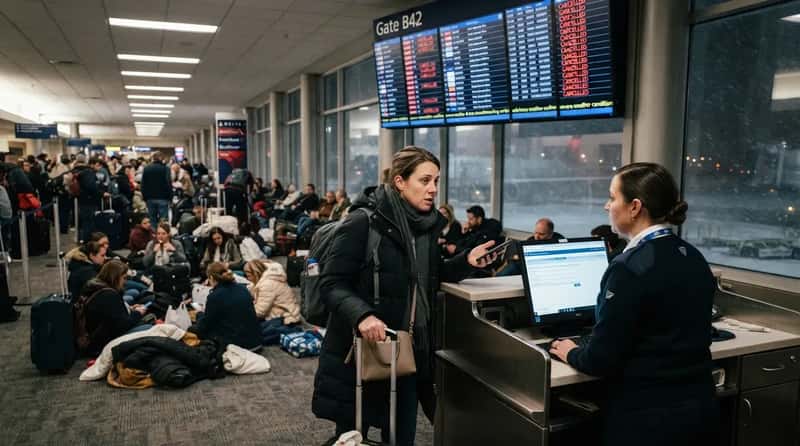
During widespread meltdowns, airlines routinely announce fee waivers – and then quietly let them expire.
Major airlines – including Delta, American, Southwest, Air Canada, Alaska, Frontier and Spirit – have waived change fees during major storms, giving travelers more flexibility as they shift their plans. The catch most flyers miss: these waivers are usually tied to specific dates and routes, not blanket policy. Experienced travelers check the fine print the moment a waiver is announced, because rebooking one day too late can mean paying full price anyway.
#17 – Never Stand In The Physical Rebooking Line
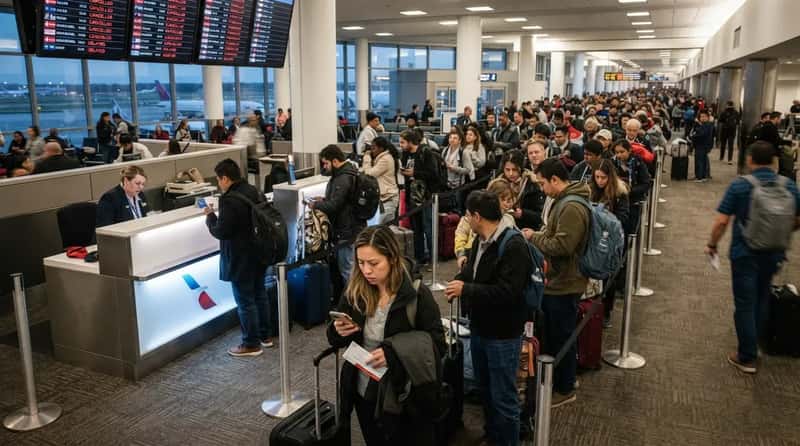
The single biggest mistake stranded flyers make is joining the crowd at the gate.
The single worst place to be during an IRROPS event is a physical line at the gate – one agent, 180 passengers, and every person ahead of you getting the default rebooking from the same tired script. Seasoned flyers work multiple channels at once instead of waiting their turn. By the time the line moves, the best replacement seats are already gone to people who called, tapped, or messaged first.
#16 – A Social Media DM Can Beat A Phone Line
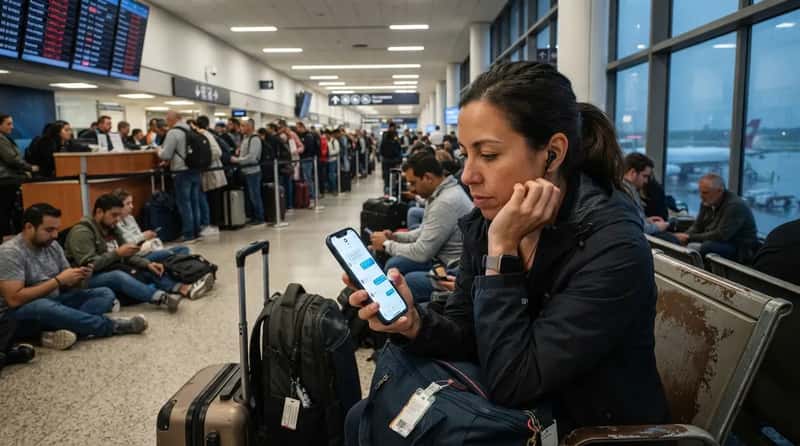
This one sounds absurd until you’ve tried it during a real meltdown.
During massive weather events, road warriors skip the rebooking line entirely and message the airline directly on social media instead. Social teams often have separate rebooking tools and shorter queues than the main call center, and it costs nothing to try in parallel with everything else you’re doing.
The American Airlines team on X has been great at getting me alternate flights.
Clint Henderson, Managing Editor, The Points Guy
#15 – Name The Exact Flight You Want, Don’t Just Ask For “Anything”
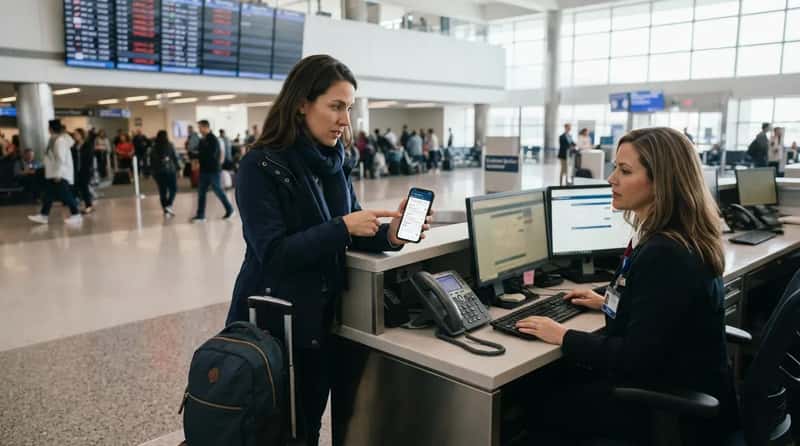
Vague requests get vague results. Specific requests get results.
Know what other airlines fly the route you’re trying to take, as sometimes your airline will rebook you on a competitor airline, and if you tell a customer service agent the alternate airline and flight, they can sometimes accommodate. Most agents won’t proactively search competitor schedules for you. Do that homework yourself first, then hand them the flight number – it turns a slow negotiation into a quick approval.
#14 – The Self-Service Portal Often Hides Better Options Than The Agent Offers
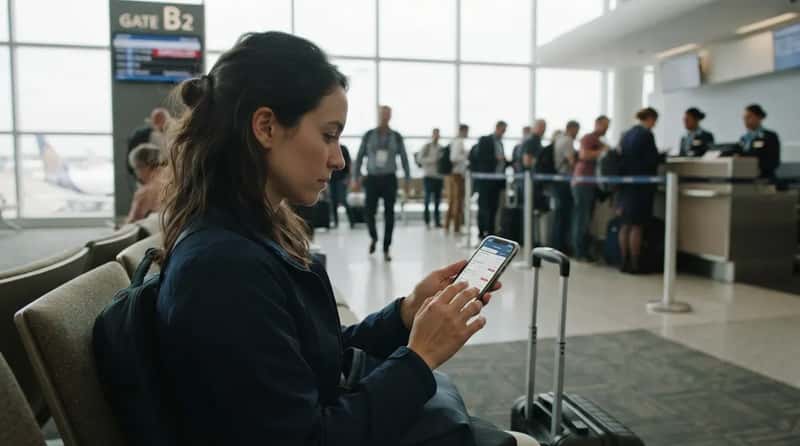
This is the one insiders almost never say out loud in public.
The portal often shows more options than the gate agent will offer by default, because the agent is trained to rebook on the airline’s own metal while the portal sometimes includes partner and interline options the agent skips. That means the app in your pocket can outperform the human in front of you. Check it first, and only escalate to a person if the portal comes up empty.
#13 – Some Airline Apps Are Dramatically Faster Than Others
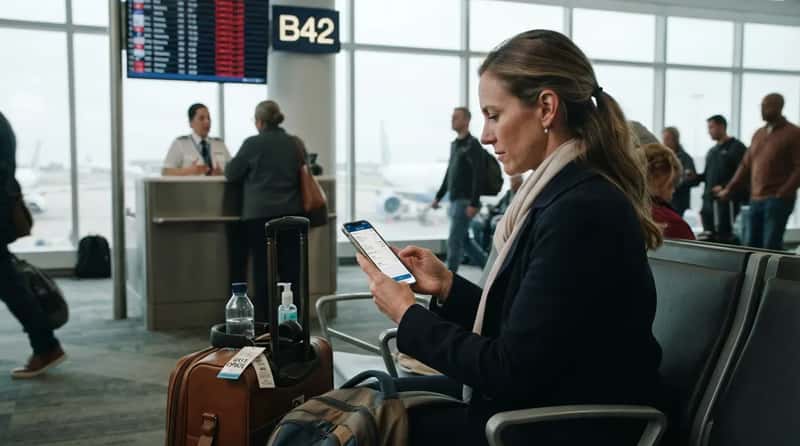
Not all rebooking tech is created equal, and frequent flyers rank them constantly.
United’s app is considered probably the most polished of the group, Delta’s is close, American’s works but buries options one tap deeper, JetBlue and Alaska are both clean, and Southwest’s rebooking flow is the simplest of all because Southwest doesn’t sell assigned seats – you just pick a new flight. This is a genuinely controversial opinion among road warriors: some argue app quality should factor into which airline you choose at all. When your flight cancels, whichever carrier’s app you’re holding matters more than you’d think.
At A Glance
- United: widely seen as the most polished rebooking flow of the bunch
- Delta: a close second, with a clear step-by-step path
- American: functional, but alternate options sit one extra tap deeper
- JetBlue & Alaska: both clean and straightforward
- Southwest: the simplest of all, since there’s no seat map to navigate
#12 – Elite Status Still Buys You A Shorter Phone Queue
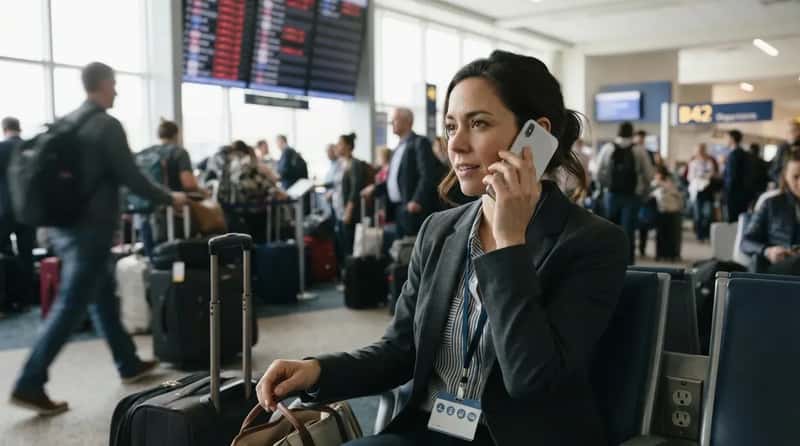
Loyalty programs get criticized constantly, but this one perk still delivers when it counts.
Status-holders routinely get routed to dedicated phone lines that bypass general hold times entirely, sometimes cutting a two-hour wait down to minutes. Many casual flyers don’t realize even mid-tier status unlocks this, not just top-tier elites. If you have any status number at all, dial the elite line first – even for a basic economy ticket.
#11 – Nearby Airports Can Rescue A Trip Your Home Airport Can’t
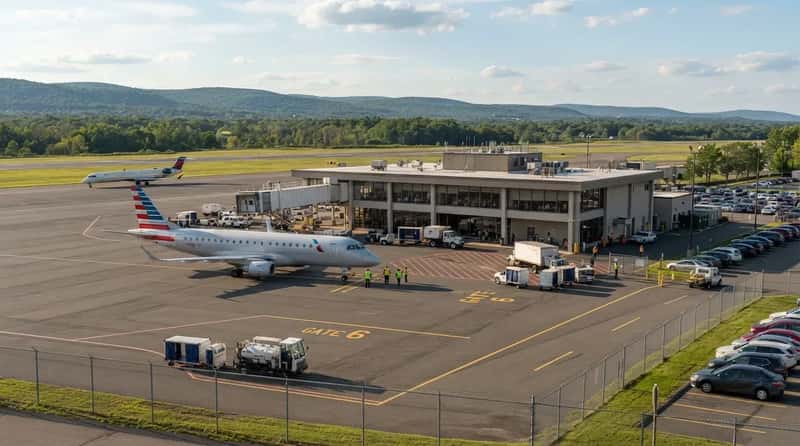
Sometimes the fastest way home isn’t through the airport you started at.
If your nonstop cancels, a connecting flight through another hub might beat waiting for the next direct, and nearby airports count too. Most travelers never think to check an airport ninety minutes away. Experienced flyers keep a mental map of every airport within driving distance, because a rental car plus a flight from a different city often beats the next available seat home.
#10 – Packing Only A Carry-On Changes Your Entire Recovery Speed
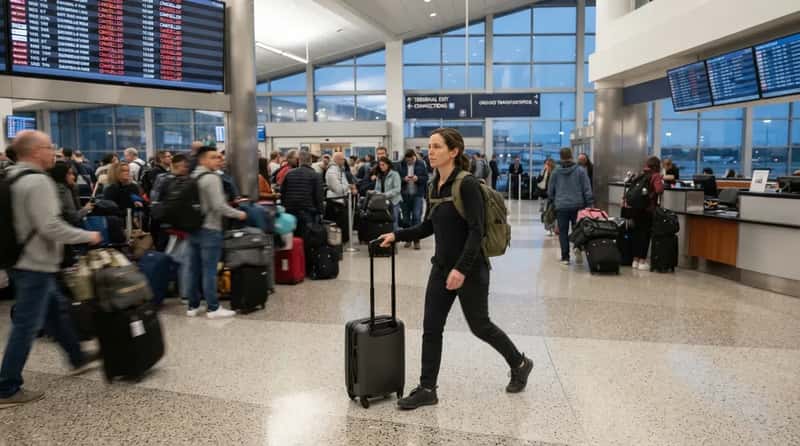
This is a small habit with an outsized payoff during disruptions.
A checked bag that’s already loaded onto a canceled flight can take hours to physically retrieve, which locks you into whatever rebooking timeline the airline chooses. Carry-on-only travelers can walk straight to a rebooked flight, a different airline, or even a train, with zero bag drama. It’s one of the most repeated pieces of advice among people who fly weekly, precisely because it removes the airline’s biggest source of leverage over your schedule.
#9 – Travel Insurance Covers Things The Airline Never Will
Airline refund rules and travel insurance are two completely separate systems, and mixing them up costs people money.
A refund gets you your ticket price back, but it rarely covers the hotel you booked separately, the missed cruise, or the non-refundable tour deposit. Trip delay and interruption coverage exists specifically to fill that gap, and most people only discover this after the trip is already ruined. Experienced flyers buy it before every trip with a tight connection or a non-refundable add-on, not after.
#8 – The Right Credit Card Can Cover What The Airline Won’t
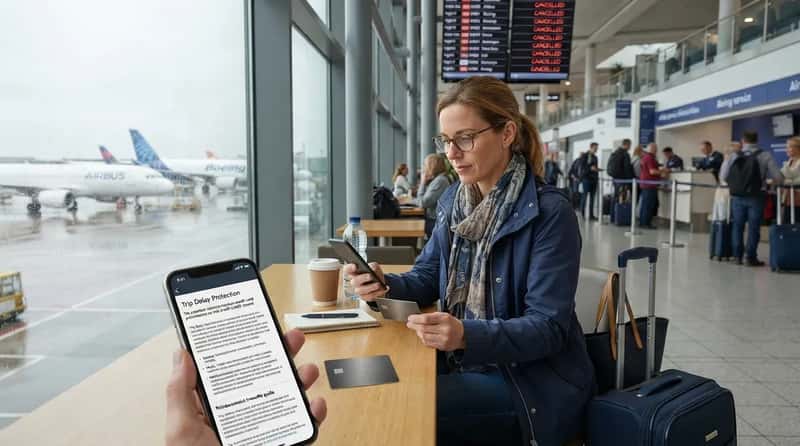
Some premium travel cards quietly include trip delay reimbursement that most cardholders forget they have.
These benefits can cover meals, hotels, and incidentals during a covered delay, on top of whatever the airline offers. Almost nobody files these claims because they don’t remember the coverage exists until the trip is already over. Frequent flyers keep their card’s benefits guide saved on their phone specifically so they can file the moment a cancellation hits.
Worth Knowing
- Coverage stacks on top of anything the airline offers – it’s a supplement, not a replacement
- Save every receipt for meals, hotels, and incidentals during the covered delay
- The exact delay length required to trigger a claim varies by card issuer, so check your guide beforehand
- A screenshot of the delay or cancellation notice is usually required as proof when you file
#7 – A Flight Renumbering Loophole Just Changed The Refund Game
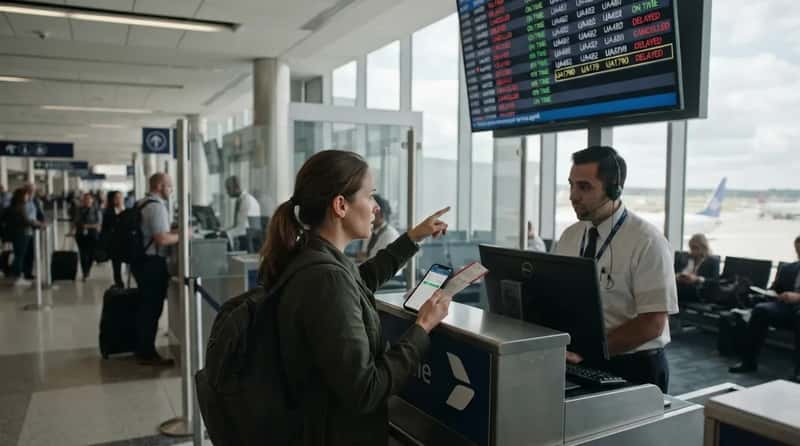
This is the most controversial shift in air travel rights right now, and most passengers have no idea it happened.
Flights given a different number than the one originally assigned were treated as canceled and refund-eligible, but the DOT announced it will not enforce refund requirements for renumbered flights as long as the passenger is rebooked under the new number without significant change or delay. The Department has opened a new rulemaking that will address the very definition of what counts as a flight cancellation. Consumer advocates are furious about this pause; airlines call the old definition “overly broad.” Either way, know that a quietly renumbered flight might not trigger the refund it once did.
#6 – Accepting A Rebooking Can Quietly Cancel Your Refund Rights
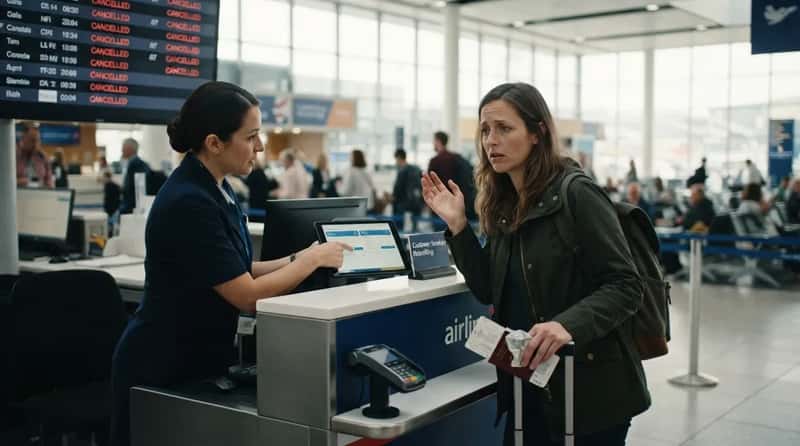
This is the trap that costs more travelers money than almost anything else on this list.
You are not entitled to a refund if you accept a rebooked flight with the airline or continue with a significantly changed itinerary. In other words, saying “yes, that works” to a new flight can legally end your claim to cash back – even if the new flight is worse. Most passengers say yes reflexively just to get moving again, without realizing they just traded a refund for a downgrade. Ask what you’re giving up before you agree to anything.
#5 – Non-Refundable Doesn’t Mean What You Think It Means
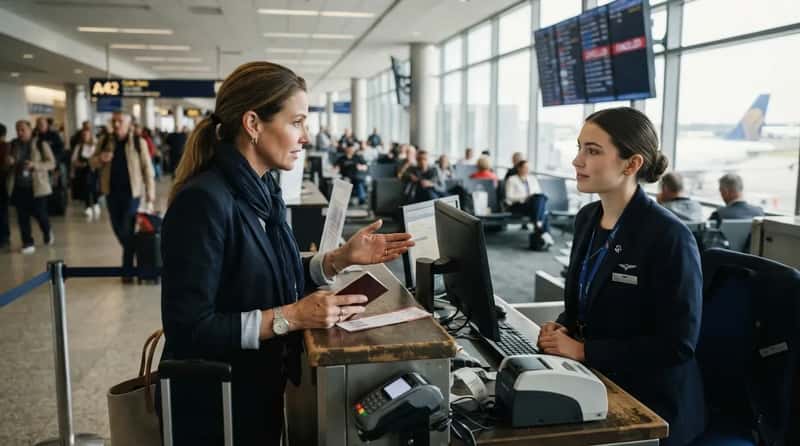
This single misunderstanding causes more arguments at gate counters than any other.
If you want to cancel the trip, you are entitled to a full refund even if you bought non-refundable tickets, and you’re also entitled to a refund of any bag fees, seat upgrades, or other extras. Airlines rarely lead with this information, since it costs them money to hand it over voluntarily. The word “non-refundable” only applies if you cancel voluntarily – it stops applying the moment the airline is the one who cancels.
#4 – The First 90 Minutes Decide Whether You Get Home On Time
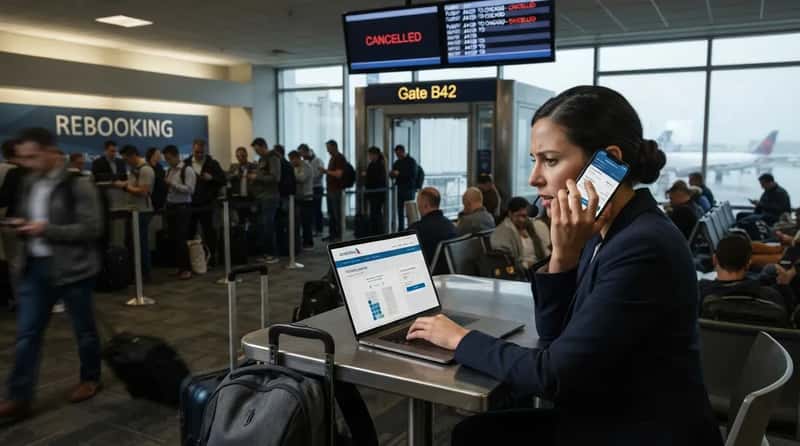
Speed matters more than almost any other factor once a cancellation is announced.
A flight canceling twelve hours before a client meeting means the next thirty minutes decide whether you make the room or scramble for a backup, because travelers who recover fastest don’t wait – they fire up multiple rebooking channels at once and find an alternative before the gate agent finishes the announcement. That thirty-minute window is the real battlefield, not the hours that follow. Every seat you’re competing for on the next available flight is being claimed in real time by people already working the app and the phone simultaneously.
#3 – Nearly A Billion Flyers Face These Odds Every Single Year
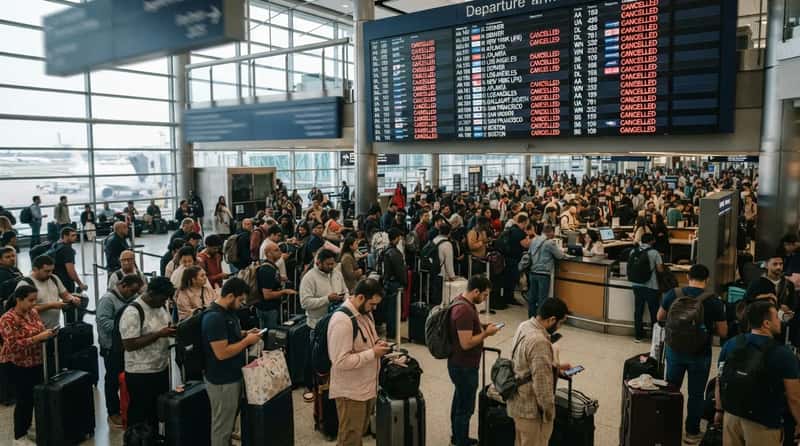
Cancellations aren’t rare edge cases – they’re a predictable, recurring cost of flying in America.
In 2025, more than 1 billion passengers flew from a U.S. airport, and nearly 1.5% of them dealt with a cancellation while over 23% experienced a delay. US airlines canceled roughly 1.4% of flights in 2025, about 97,000 canceled flights across the major carriers. That’s nearly 100,000 cancellations in a single year at major airlines alone. Treating a cancellation as a freak accident is exactly why most people are unprepared when it finally happens to them.
Fast Facts
- Over 1 billion passengers flew from U.S. airports in 2025
- Roughly 1.5% of flights were canceled
- More than 23% of flights ran into some kind of delay
- About 97,000 flights were canceled by major U.S. carriers in 2025 alone
#2 – A DOT Complaint Is Free Leverage Almost Nobody Uses
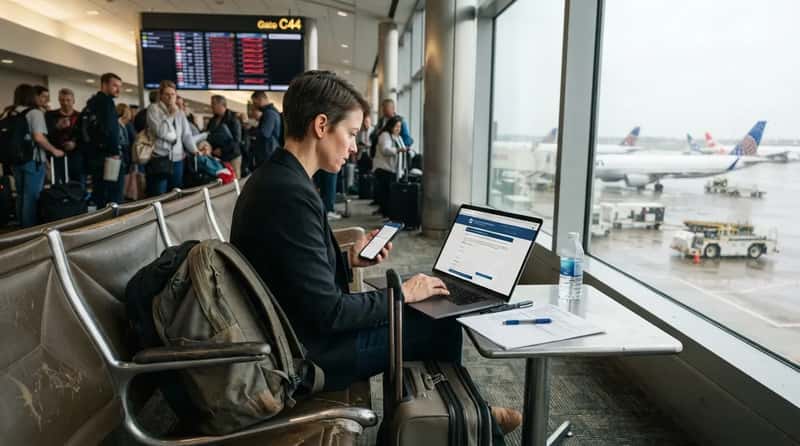
Most passengers give up after one frustrating call. Experienced flyers escalate instead.
If airlines fail to comply with refund rules, you can escalate your case to the DOT. Civil penalties for violations can run up to $27,500 per violation under federal law, which gives airlines real financial incentive to fix your case before it becomes a formal complaint. Simply mentioning you’re prepared to file with the DOT often speeds up a stalled refund faster than any amount of polite waiting on hold.
#1 – Rebook Yourself Before The Gate Agent Even Finishes Talking
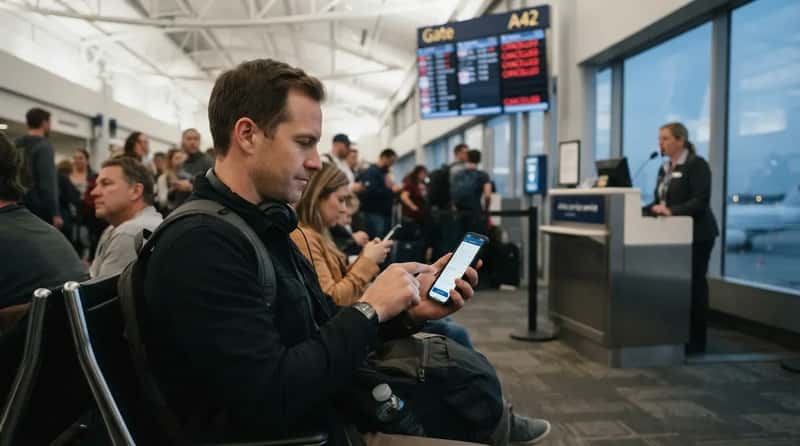
This is the single rule every genuinely experienced flyer lives by, and it’s the reason they never seem stressed when everyone around them is panicking.
The travelers who recover fastest don’t wait – they fire up multiple rebooking channels at once and find an alternative before the gate agent finishes the announcement. That means opening the app the second the delay board flickers, before the official cancellation is even called. The person who acts in the first sixty seconds almost always ends up with a better seat than the person who waits to be told what to do. Everything else on this list – the refund rules, the DM tricks, the alternate airports – only works if you move first.
Cancelled flights aren’t going away. Nearly 100,000 of them happen every year at major U.S. carriers alone, and the rules protecting passengers keep shifting under new rulemakings and enforcement pauses.
What separates a ruined trip from a recovered one isn’t luck – it’s knowing your refund rights, working every channel at once, and never standing quietly in the slowest line in the airport. The next time that departure board flips to red, you’ll already know exactly which line not to stand in – and that’s the whole game.